Can Vaginal Massage Worsen BV Or Help Improve Vaginal Health?
So, I recently stumbled upon a rather awkward conversation with my best friend about vaginal massages. You know, the kind of chat that starts casual and suddenly flips into a full-blown health debate? Well, turns out, a lot of women are curious — can vaginal massage worsen BV? As someone who has been through the ups and downs of battling Bacterial Vaginosis (BV), I feel compelled to dive deep into this topic, sans the medical jargon and awkward silences.
Understanding BV Before Pointing Fingers at Vaginal Massage

Let’s get real for a moment. BV isn’t just about a “fishy odor” or unusual discharge; it’s a complete microbial chaos down there. The healthy balance of good bacteria like *Lactobacillus* gets overrun by anaerobic bacteria, throwing your vaginal pH off balance. If you’re not familiar with how this imbalance feels, trust me, it’s not pleasant. Before blaming vaginal massages, it’s essential to understand what actually triggers BV in the first place.
- Disruption of vaginal pH (hello, douching myths)
- Frequent antibiotic use
- Stress-related hormonal shifts
- Sexual activity without adequate lubrication
For a deeper dive into what causes these pesky flare-ups, you can read this detailed guide on recurring BV triggers.
How Vaginal Massage Could Influence BV (If Done Wrong)
I get it—vaginal massages are trending, often advertised for pelvic relaxation, improving circulation, and even boosting intimacy. But here’s the kicker: not all massages are created equal. The technique, products used, and even hygiene practices can make or break your vaginal health.
1. pH-Altering Massage Oils
Let’s talk oils. While coconut oil gets glorified as a cure-all, it’s not always pH-friendly for everyone. Certain oils, especially those not designed for intimate areas, can disrupt your vaginal flora. This disturbance often sets the stage for BV flare-ups. In fact, there’s a detailed discussion on coconut oil and its impact on BV you might want to check.
2. Cross-Contamination from Hands or Tools
Here’s a personal confession: I once used a “body-safe” massage wand straight out of the box without sterilizing it. Bad idea. Bacteria from hands, tools, or even bath towels can easily find their way into the vaginal canal. This kind of contamination is a silent yet potent BV trigger. It’s crucial to understand how proper intimate hygiene plays a pivotal role.
Signs Your BV Is Flaring Up Post-Massage

After a vaginal massage, if you’re experiencing symptoms that feel “off,” don’t ignore them. Some of the early warning signs include:
- A sudden increase in watery or grayish discharge
- That distinct fishy smell, especially after intimacy
- Vaginal irritation or a subtle burning sensation
- Mild to moderate pelvic discomfort
I vividly remember having persistent discomfort after a massage session that used scented oils. It didn’t take long for me to realize that the products were messing with my natural balance. For more on differentiating BV symptoms, this guide on BV without typical odor is enlightening.
Safe Practices: How to Enjoy Vaginal Massage Without Worsening BV

Now, don’t get me wrong. Vaginal massages aren’t a no-go. When done correctly, they can be beneficial. The goal is to minimize BV risks while enjoying the perks. Here’s what has worked for me and many others:
- Choose pH-balanced lubricants: Avoid fragrances and opt for products labeled “vaginal safe.”
- Practice impeccable hygiene: Wash hands thoroughly and sterilize any tools before use.
- Limit frequency: If you’re prone to BV, over-massaging can irritate sensitive tissues.
- Post-massage care: A gentle rinse with water (no soaps) can help maintain pH balance.
If you’re still wondering whether it’s safe for you, this comprehensive article on intimacy during BV treatment provides practical insights on maintaining vaginal health during intimate activities.
Related: The Broader Picture of BV Causes and Risk Factors

Vaginal massages are just one of many potential BV triggers. Lifestyle factors, dietary habits, and even emotional stress can significantly influence your vaginal microbiome. A great resource that breaks down these aspects is this article on BV and sexual activity, which is part of our in-depth BV Causes and Risk Factors Pillar. For a broader view of BV management and insights, you should explore our Bacterial Vaginosis Main Page for a complete guide.
Also, according to Mayo Clinic and WebMD, improper hygiene practices and foreign products introduced into the vaginal environment can drastically disrupt bacterial balance, making even well-intentioned activities like vaginal massage a potential risk factor if not done mindfully.
Can Certain Massage Techniques Actually Help BV?

Okay, now for a twist. While improper vaginal massages can worsen BV, some therapeutic techniques might actually support vaginal health. I remember a session with a pelvic floor therapist who introduced me to perineal massages. It wasn’t invasive, it wasn’t rough — just a gentle external massage that aimed to improve blood circulation without disrupting the vaginal flora. When done correctly, techniques like these can improve tissue elasticity and help manage discomfort associated with chronic BV irritation.
What makes a difference here is the *how* and *where*. Deep tissue intravaginal massages? Probably not a great idea if you’re prone to BV flare-ups. External massages targeting the perineal area? Far safer, provided you stick with proper hygiene and pH-safe products.
If you’re curious about more holistic approaches to managing BV naturally, this guide on tea tree oil remedies for BV offers some insightful practices that complement external massage techniques.
The Role of Stress and Emotional Wellness in BV Flare-ups

I can’t stress this enough (pun intended): emotional and mental well-being plays a huge role in managing BV. Every time my life gets chaotic, my body seems to retaliate, and guess where it starts? Yep, BV flare-ups. Stress impacts hormonal balance, which in turn affects the vaginal microbiome.
Incorporating stress-relief techniques like mindful breathing, yoga, or even a simple evening walk has personally helped me reduce the frequency of BV episodes. It’s fascinating how interconnected our bodies are. For an in-depth exploration, this article on stress-induced BV flare-ups is a must-read.
Post-Massage Care Routine to Maintain Vaginal Health
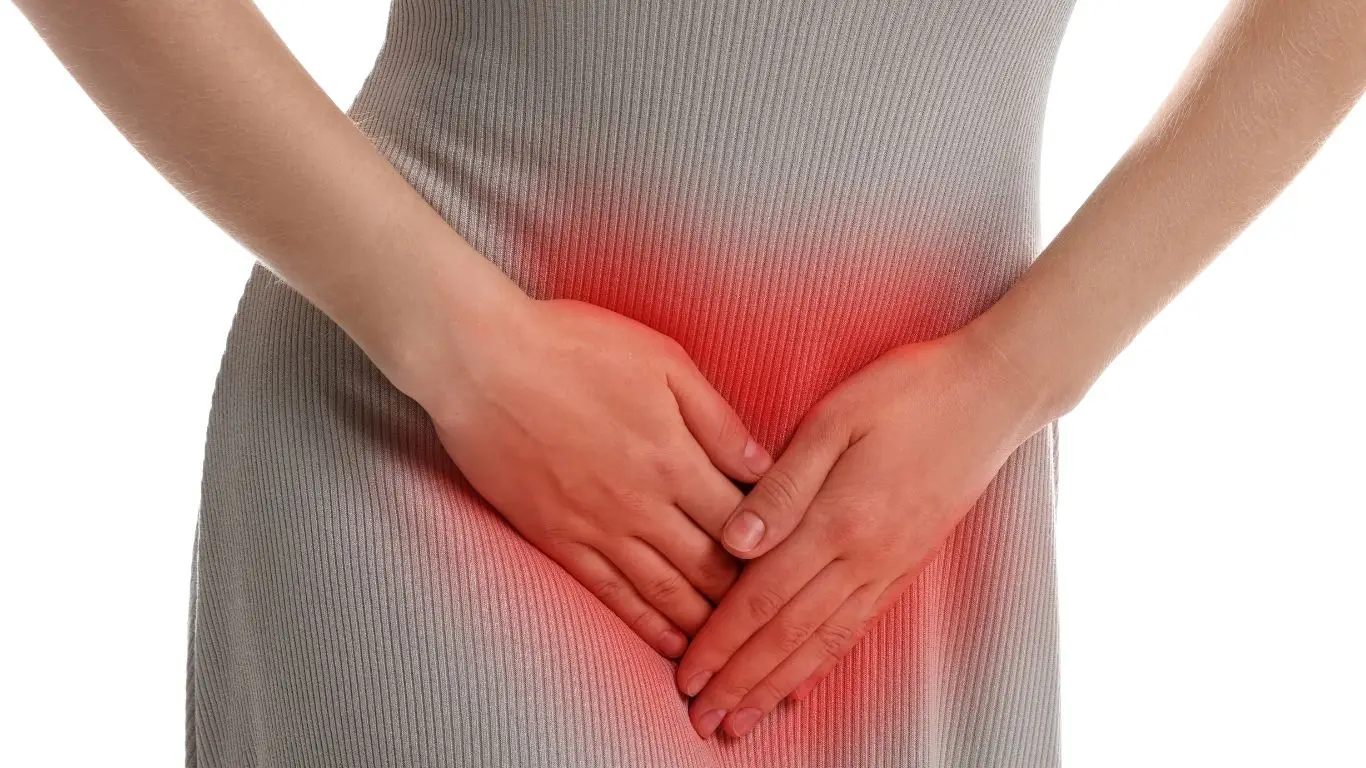
Let’s say you had a vaginal massage — done right, hygienic, pH-balanced — but you still want to be proactive. Here’s my tried-and-true post-massage care routine that keeps BV at bay:
- Rinse with lukewarm water only: Skip the soaps, even “gentle” ones. Your vagina is self-cleaning.
- Use breathable underwear: Cotton only. Synthetic fabrics trap moisture and bacteria.
- Consider a probiotic supplement: Strains like *Lactobacillus rhamnosus* can help restore balance. Here’s more on probiotics for BV.
- Stay hydrated: Water helps flush out toxins and keeps tissues healthy.
For more actionable tips, this guide on restoring vaginal pH naturally is gold.
When Should You Avoid Vaginal Massage Entirely?

Sometimes, the risk just isn’t worth it. If you’re currently battling an active BV infection with noticeable symptoms — odor, discharge, irritation — it’s best to pause all intimate massages. Introducing friction or foreign substances during this time can aggravate the infection, prolong healing, or worse, cause recurring episodes.
If you’re unsure whether it’s safe to proceed, consult a gynecologist who understands the nuances of BV. Additionally, you can learn how to self-assess with this resource on checking if BV is gone.
BV-Prevention Lifestyle Adjustments You Shouldn’t Ignore

Massages aside, there’s a lot you can do daily to maintain a BV-free life. It’s not just about what you do in intimate settings; it’s also about your overall lifestyle. Here’s what’s been a game-changer for me:
- Switching to unscented feminine hygiene products
- Reducing refined sugar intake (it feeds bad bacteria)
- Sticking to breathable, cotton-based clothing
- Staying proactive with regular pelvic floor exercises
In fact, there’s a well-researched article on lifestyle habits to eliminate BV for good that’s worth bookmarking.
What If BV Keeps Coming Back Despite Doing Everything Right?

Here’s the brutal truth — BV recurrence is a common frustration. You could follow every rule in the book and still find yourself battling symptoms. That was me last year, stuck in a loop of temporary fixes. The solution came from a multi-pronged approach: I focused on gut health, switched to vaginal-safe skincare, and followed a personalized plan from my doctor.
For those stuck in the vicious cycle, this comprehensive resource on why BV keeps coming back can shed some light on overlooked factors.
In-Depth Resource for Long-Term BV Management

We’ve scratched the surface here, but if you’re ready to dive deep into all things BV — causes, treatments, lifestyle tweaks, and prevention — check out our cornerstone guide on Recurring BV: Causes and Prevention. It’s part of our extensive Bacterial Vaginosis Main Page that covers everything you need to know.
Additionally, trusted sources like NHS and CDC emphasize the importance of maintaining vaginal pH balance and avoiding unnecessary products that can alter your microbiome, which ties back to how careful you need to be with practices like vaginal massage.

Dr. Gwenna Aazee is a board-certified Internal Medicine Physician with a special focus on hypertension management, chronic disease prevention, and patient education. With years of experience in both clinical practice and medical writing, she’s passionate about turning evidence-based medicine into accessible, actionable advice. Through her work at Healthusias.com, Dr. Aazee empowers readers to take charge of their health with confidence and clarity. Off the clock, she enjoys deep dives into nutrition research, long walks with her rescue pup, and simplifying medical jargon one article at a time.