Why Using Tampons During BV Infection May Make Symptoms Worse
Let’s be real—dealing with bacterial vaginosis (BV) isn’t just physically annoying, it’s mentally exhausting. I remember standing in a drugstore aisle, overwhelmed, trying to decide whether to grab tampons or pads, not knowing if using tampons would make things worse. That uncomfortable gray area—between wanting to stay fresh and not wanting to mess with an already sensitive situation—is what we’re diving into today. Can you use tampons during a BV infection? Let’s unpack that, without sugarcoating it.
Understanding What’s Really Going On During BV

First, let’s get clear on what BV actually is. Bacterial vaginosis happens when the natural balance of bacteria in the vagina shifts. You’ve got more “bad” bacteria than “good” lactobacilli. Unlike a yeast infection, BV often causes a strong, fishy odor, thin discharge, and maybe mild irritation. But some people, like me the first time, don’t even realize they have it until it’s pointed out at a check-up.
This imbalance makes the vaginal environment a lot more vulnerable to external factors—including what we put in it, like tampons.
Can You Use Tampons During a BV Infection?

Short answer? It’s not ideal. Tampons absorb menstrual fluid, but they can also interfere with the vaginal pH and moisture levels. When you already have BV, tampons can potentially make things worse. I found this out the hard way during a weekend trip—ended up more irritated and frustrated than before.
That said, it’s not a strict “never.” Some doctors say it’s technically safe if you’re not experiencing major symptoms like burning or discomfort. But from experience—and after talking to two OB-GYNs I trust—it’s better to avoid tampons during active BV to give your vaginal microbiome space to recover.
Here’s why tampons might not be your best friend during BV:
- They absorb everything—not just blood, but also vaginal fluids that help maintain healthy bacteria.
- They can trap bacteria, potentially worsening that “fishy” smell and prolonging the infection.
- They can irritate an already sensitive vaginal lining, especially if your tampon is overly absorbent.
A better alternative while managing BV might be pads or even period underwear. It might not feel as “fresh,” but it’s a small trade-off for quicker healing.
What If You Didn’t Know You Had BV and Used a Tampon?
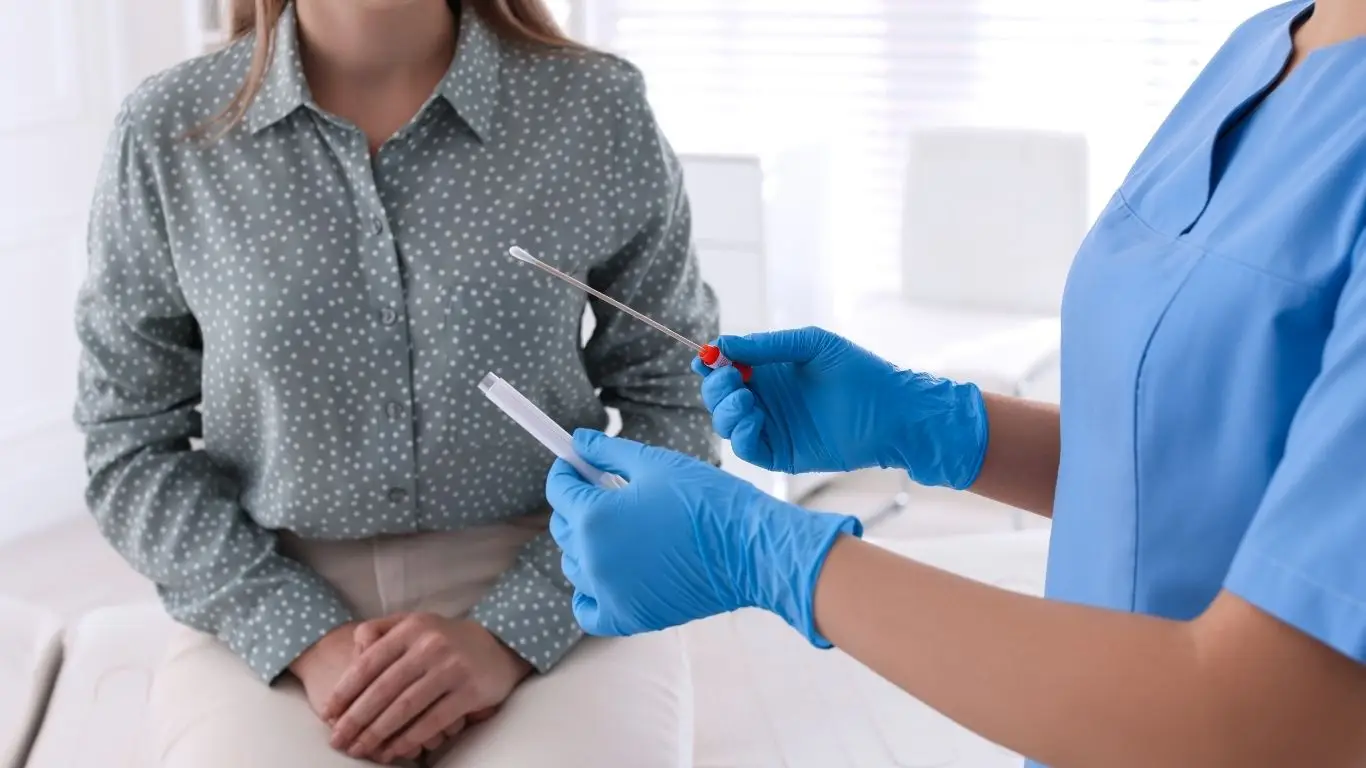
Been there. The first time I dealt with BV, I thought the smell was due to leaving a tampon in too long. Turns out, the tampon wasn’t the cause—but it sure didn’t help. If you unknowingly use a tampon while having BV, don’t panic. Just switch to a gentler option, monitor symptoms, and schedule a check-in if things don’t improve.
Important Tips If You Must Use a Tampon
If you’re really set on using one—say you’re going out or don’t want to wear pads during work—here are a few guidelines:
- Stick with low absorbency tampons.
- Change them frequently—no more than every 4 hours.
- Skip scented tampons—they’re a no-go during BV (or ever, really).
- Monitor how your body reacts. If things feel worse, ditch them.
Still, most experts recommend taking a break from tampons and using breathable, organic cotton pads instead. It’s the route I’ve taken after learning the hard way. No, it’s not glamorous—but neither is a drawn-out infection.
Do Tampons Cause or Trigger BV?

Tampons don’t directly *cause* BV, but they can contribute to it. According to ncbi.nlm.nih.gov, altering the vaginal pH—something tampons can do—makes the environment ripe for BV. Also, behaviors like leaving them in too long, using overly absorbent products, or choosing scented types can raise your risk. Bad hygiene habits don’t help either.
Your best defense is awareness and good habits. A lot of people don’t realize that the vaginal microbiome is extremely sensitive. Over-cleansing, douching, or wearing tight synthetic clothing during periods also contribute. If you’re curious about this deeper cause-and-effect chain, I found this breakdown of antibiotic-related BV risk super insightful.
How to Stay Comfortable and Confident During Your Period with BV

When managing BV during your period, comfort is everything. My go-to combo? Unscented pads, loose breathable clothing, lots of water, and avoiding caffeine and sugar. Sugar can feed bad bacteria—yes, really. And don’t forget, what you eat matters. I started adding more probiotics and leafy greens, and that made a real difference.
If you’re trying to keep BV from returning (because let’s be honest, it often does), there are long-term strategies worth checking out too.
For a deeper dive into how to naturally balance your system, I’d recommend reading this detailed natural remedies guide on managing BV. And of course, here’s the main hub for everything you need to know about bacterial vaginosis to keep yourself informed and confident.
How to Support Vaginal Health Post-BV—Especially After Using Tampons

Once the BV clears up (and that fishy odor finally disappears—thank goodness), the next move is making sure it doesn’t sneak back in. I’ll admit, I didn’t know the importance of recovery steps the first time. I went right back to my usual products and routines… and guess what? The BV came back two weeks later.
After that fiasco, my OB-GYN gave me this simple post-BV checklist that I still follow:
- Wait a full cycle before using tampons again. Let the good bacteria rebuild.
- Incorporate probiotics—both in food (like kefir and kimchi) and supplements. This guide on probiotics for BV helped me pick the right strain.
- Switch to organic, fragrance-free period products. Always.
- Wear breathable underwear and avoid tight pants post-period. Comfort is key.
One more tip: if you’ve been on antibiotics for BV, your vaginal flora might be wiped out. I highly recommend this step-by-step breakdown on rebuilding good bacteria. It made a noticeable difference in how I felt during and after recovery.
What Products Help—and Which to Avoid—When Dealing with BV and Periods

I used to think feminine washes and scented wipes were helpful during that “not-so-fresh” time of the month. Spoiler alert: they’re not. Most products marketed for “vaginal freshness” are overly harsh and just make BV worse. One of the things I had to unlearn quickly was the obsession with being scent-free at all costs.
Here’s what to stick with:
- Unscented, pH-balanced gentle cleansers (sparingly!)
- Cotton pads or period underwear with moisture-wicking material
- Boric acid suppositories (if recommended)—especially during recurrences
- Supplements like Vitamin C, zinc, and folate to support immune function
And here’s what to avoid like the plague:
- Anything scented—tampons, pads, sprays, wipes
- Harsh soaps or douches (just don’t)
- Wearing tampons for more than 4-6 hours—BV or not
If you’re ever unsure whether something’s safe to use during or after BV, this overview of BV-safe feminine washes is gold.
When to See a Doctor—And What to Say

Sometimes, even when you do all the “right” things, BV can still return. I’ve had flare-ups that seemed to come out of nowhere, especially after my period. That’s when I learned the importance of speaking up during doctor visits.
Don’t be shy about mentioning tampon use. Your gynecologist isn’t judging—they’re there to help. If you’ve had recurring BV, it’s worth bringing up whether your period routine (including tampons) might be a contributing factor.
You can even track your symptoms and share them—this method for documenting BV helped me make sense of what was going on, and it helped my doctor treat me more effectively.
Real Talk: Living with BV Doesn’t Mean Giving Up Tampons Forever
Look, BV sucks. But it’s also super common—and not a reflection of hygiene or lifestyle flaws. Learning how to manage it doesn’t mean you have to give up everything you love about your routine, including tampons. It just means being more intentional.
Over time, I found a rhythm. I use tampons when my vaginal health is stable, and I switch to pads or period underwear when things feel “off.” I also make sure to take breaks from tampons after any BV flare-up and keep a good probiotic on hand. It’s a bit of trial and error, but you get to know your body better in the process.
If you’ve ever wondered whether your sex life could also play a role in BV flare-ups or tampon comfort, this insight might surprise you.
Keeping Your Confidence Intact—Even with BV
It took me a while to stop feeling embarrassed about having BV. There’s so much misinformation out there, and it’s easy to feel ashamed or isolated. But the truth is, nearly 1 in 3 women will experience BV at some point. You’re not alone, and you’re definitely not “dirty.”
One of the best ways I reclaimed control was learning about the condition and sharing what worked for me with close friends. When I stumbled on this in-depth guide to BV prevention, it changed how I approached everything—from what I wear to how I handle stress.
If you’re still figuring it out, bookmark the BV in pregnancy guide—especially helpful if you’re expecting or planning to. There’s a lot they don’t tell you, and that article bridges the gap.
Want the full context and a deeper understanding of everything BV-related? Dive into this complete overview on bacterial vaginosis. It’s your one-stop resource to stop Googling at 2AM.

Dr. Gwenna Aazee is a board-certified Internal Medicine Physician with a special focus on hypertension management, chronic disease prevention, and patient education. With years of experience in both clinical practice and medical writing, she’s passionate about turning evidence-based medicine into accessible, actionable advice. Through her work at Healthusias.com, Dr. Aazee empowers readers to take charge of their health with confidence and clarity. Off the clock, she enjoys deep dives into nutrition research, long walks with her rescue pup, and simplifying medical jargon one article at a time.