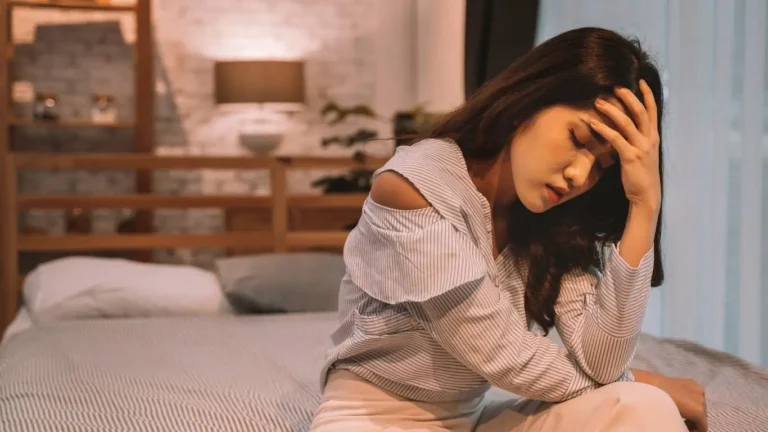
Why BV Gets Worse In Summer: Understanding Seasonal Flare-Ups
I’ve dealt with recurring BV enough times that I can practically sense a flare-up before it hits full force. But something odd kept happening—I’d go months without a hint of trouble, then suddenly, boom! Like clockwork, the symptoms returned. It didn’t take long before I started asking myself: does BV have seasonal flare-ups? Turns out, I wasn’t alone in noticing this pattern. Many women quietly track their symptoms, and when you zoom out, there’s a surprising rhythm to it all.
Why BV Might Feel Worse During Certain Seasons

Here’s the thing—bacterial vaginosis isn’t officially categorized as seasonal, but let me tell you from experience, there’s something about summer that stirs it up. Warmer weather means more sweating, more synthetic swimwear, and a lot more friction in the wrong places. This combo creates a perfect storm for disrupted vaginal flora.
Heat and Moisture: BV’s Summer Playground
When temperatures rise, we sweat more—everywhere. That trapped moisture becomes a breeding ground for bacteria. Toss in tighter clothes, wet bathing suits, and longer days in the sun, and you’ve got the kind of warm, damp environment that BV bacteria just love.
- Wearing non-breathable underwear
- Staying in swimsuits too long
- Skipping showers after workouts or beach days
These aren’t rare behaviors. I’ve been guilty of all of them, especially on vacation, when routines fly out the window. I used to think I was doing everything right until I read about how your choice of underwear can actually make a big difference. Breathable cotton? Game changer.
Can Cold Weather Trigger BV Too?

It’s not just summer that can bring on trouble. For some, BV flares pop up in the colder months too. Sounds backwards, right? But think about what winter brings: dry air, tighter clothing layers, more time indoors (often with heaters drying out everything), and maybe even a round of antibiotics thanks to flu season. All of these can nudge your vaginal pH out of balance.
Winter Habits That Can Tip the Balance
Here are a few things I never connected to BV at first:
- Long hot baths with scented soaps
- Heavy fabric leggings or tights without ventilation
- Skipping probiotics while on antibiotics
I used to treat myself to luxurious winter bubble baths, thinking I was pampering my body. Turns out, all those fragrances were more irritating than indulgent. Adding probiotics to my daily routine became just as important as bundling up against the cold.
Hormonal and Lifestyle Shifts Across the Year

Beyond weather, our bodies go through seasonal cycles too. For many women, hormone levels shift with changes in light exposure and daily routines. More sunlight in summer means higher serotonin, possibly impacting estrogen and other hormones that regulate vaginal health.
During fall and winter, increased stress, less sunlight, and poor eating habits may weaken the immune system. I’ve had BV flare during holiday season binge-eating sugar and skipping workouts. Not proud, but real. And science backs this: sugar can worsen BV symptoms by feeding the wrong kind of bacteria down there.
Tips That Help Me Stay Balanced Year-Round
Over the years, I’ve fine-tuned some routines that genuinely help minimize seasonal flare-ups:
- Switch to breathable, moisture-wicking underwear (especially in summer)
- Use unscented, pH-balanced wash or just warm water
- Change out of workout gear immediately
- Take probiotics with or after antibiotics
- Eat more fermented foods and fiber, especially in winter
If BV keeps coming back at certain times of year, it’s worth noting the patterns. I track mine like a cycle now, and it makes prevention so much easier. Every woman’s body is different, but patterns often hide in plain sight.
What the Research Says (and Doesn’t)

There’s no solid clinical evidence confirming seasonal BV trends—yet. But anecdotal data, like what we’re seeing in support forums, personal logs, and holistic health circles, shows a strong correlation. According to NIH, environmental and behavioral factors significantly influence vaginal microbiota. Another study published on CDC discusses how antibiotic use and stress can alter flora—both of which fluctuate seasonally.
Plus, the overlap between recurring BV and seasonal lifestyle habits (like changes in long-term solutions) isn’t lost on doctors or researchers anymore. This is an area ripe for deeper exploration, especially since millions of women quietly manage recurring symptoms without knowing why they come and go.
Want to better understand the broader causes of BV and how they may link to your symptoms? You might find this helpful: common causes and risk factors for BV. For a comprehensive breakdown of everything BV-related, check out our main guide to bacterial vaginosis.
How Travel and Seasonal Lifestyle Changes Affect BV

One thing I didn’t realize until I started tracking it: traveling during certain times of year made my BV worse. I used to think vacation would be a break from everything, but when I packed synthetic underwear, forgot probiotics, and stayed in swimsuits too long, I was basically sending an open invitation to a flare-up.
Even something as simple as switching time zones and not getting enough sleep for a few nights can weaken your immune defenses. Add in airport stress, different water or hygiene products, and boom—your balance gets thrown off. Traveling around your cycle makes things even trickier. I now travel with a mini BV-prep kit: unscented wipes, breathable cotton undies, and a solid probiotic supplement.
Does Seasonal Immunity Play a Role in BV?

We all know the immune system takes a hit during cold and flu season. But most don’t connect that to vaginal health. When your immune defenses are low, your body struggles to fight off even minor imbalances—like the overgrowth of anaerobic bacteria linked to BV.
According to the WebMD, seasonal immune dips can open the door to infections that otherwise wouldn’t take hold. If you’re also taking antibiotics, the situation worsens. Those meds kill off good and bad bacteria alike, like metronidazole often does. Unless you restore balance with diet or probiotics, that window of imbalance can easily trigger a relapse.
Boosting Your Defenses in Each Season
After too many relapses, I got smarter. Here’s what’s helped me keep my BV under control, no matter the season:
- Spring: Hydrate more, especially if you’re upping your activity level outdoors.
- Summer: Change out of swimsuits ASAP, wear cotton undies, and shower after pool time.
- Fall: Stay consistent with probiotics, especially when indulging in seasonal sweets.
- Winter: Avoid super hot baths, switch to fragrance-free products, and add fermented foods to your meals.
Little changes like these made a massive difference for me. BV used to knock me out emotionally every time it returned—like, why is this happening again? Knowing my triggers made it less scary and way more manageable.
The Role of Seasonal Stress in BV Flare-Ups

Let’s talk about stress. I didn’t want to admit it, but emotional stress plays a massive role in BV. The holidays, work deadlines, family drama—those seasonal spikes in cortisol mess with everything. I used to ignore it until I read this article about how stress can be a legitimate BV trigger. That hit home.
Stress affects your hormones, gut, and immune system. For me, it always seemed like my symptoms crept up right when I was mentally overloaded. And ironically, dealing with BV just added more stress, completing the worst kind of cycle. I now treat stress relief as part of my BV prevention plan. Yoga, magnesium, better sleep—they all help.
Real Women, Real Patterns: You’re Not Alone

I started talking to other women about this (after years of suffering silently), and it turns out I wasn’t the only one noticing seasonal flare-ups. A few friends had nearly identical timelines—flaring in summer after beach trips or during stressful winter holidays. That’s when I realized this was more than coincidence. It’s a pattern.
It also explains why so many of us have trouble with BV returning after antibiotics. We treat the symptoms, but if we don’t address the external triggers—seasonal or otherwise—it just keeps coming back.
Personal Log Method: Track Your Triggers
If there’s one thing I recommend to anyone dealing with BV, it’s keeping a log. Just a quick note in your phone whenever symptoms start. What season is it? What have you been eating? Any major stress? Time in a swimsuit? On antibiotics?
Patterns emerge fast. I saw mine within three months and completely changed how I prep for each season. That single habit helped me reduce my flare-ups by nearly half over the past year.
So, Does BV Have Seasonal Flare-Ups? Yes—For Many of Us

While official research might lag behind, personal experience, emerging evidence, and community insights all point toward a clear conclusion: BV does seem to follow a seasonal rhythm for many women. Understanding this pattern gives you power. It gives you options. And maybe, like me, a little peace of mind.
If you’re ready to dive deeper into managing this frustrating condition and learning how to prevent those return visits from BV, I highly recommend reading through our guide on recurring BV causes and prevention. It’s packed with actionable tips based on real science and real women’s stories.
And for a wider understanding of bacterial vaginosis, symptoms, causes, and diagnosis options, explore our in-depth main BV resource for everything you need to know.

Dr. Gwenna Aazee is a board-certified Internal Medicine Physician with a special focus on hypertension management, chronic disease prevention, and patient education. With years of experience in both clinical practice and medical writing, she’s passionate about turning evidence-based medicine into accessible, actionable advice. Through her work at Healthusias.com, Dr. Aazee empowers readers to take charge of their health with confidence and clarity. Off the clock, she enjoys deep dives into nutrition research, long walks with her rescue pup, and simplifying medical jargon one article at a time.