How to Prevent BV After Swimming and Avoid Future Infections
Swimming is hands-down one of my favorite ways to stay fit and unwind, especially during the warmer months. But let’s be honest—there was a time when I started noticing a not-so-pleasant side effect every time I hit the pool regularly: that unmistakable shift down there. Yep, bacterial vaginosis (BV). If you’ve ever walked out of the water and later dealt with unusual discharge or that all-too-familiar odor, you know what I mean. Turns out, swimming—especially in chlorinated pools or staying in wet swimsuits for too long—can throw your vaginal microbiome off balance. So, how do you actually *prevent BV after swimming*? I’ve lived through it, researched it like crazy, and made changes that truly worked. Here’s everything you need to know.
Why Swimming Can Trigger BV

Most pools use chlorine to keep the water clean, but that same chemical can disrupt the natural pH and kill the good bacteria (Lactobacillus) that protect your vaginal health. Mix that with a damp environment—like sitting around in a wet swimsuit—and you’ve got the perfect storm for BV to flare up.
It’s Not About Being “Dirty”
Let’s squash a myth: BV isn’t about hygiene. You can be squeaky clean and still get BV if the balance of bacteria is thrown off. In fact, *over-washing* with harsh soaps can make things worse.
Proven Tips to Prevent BV After Swimming
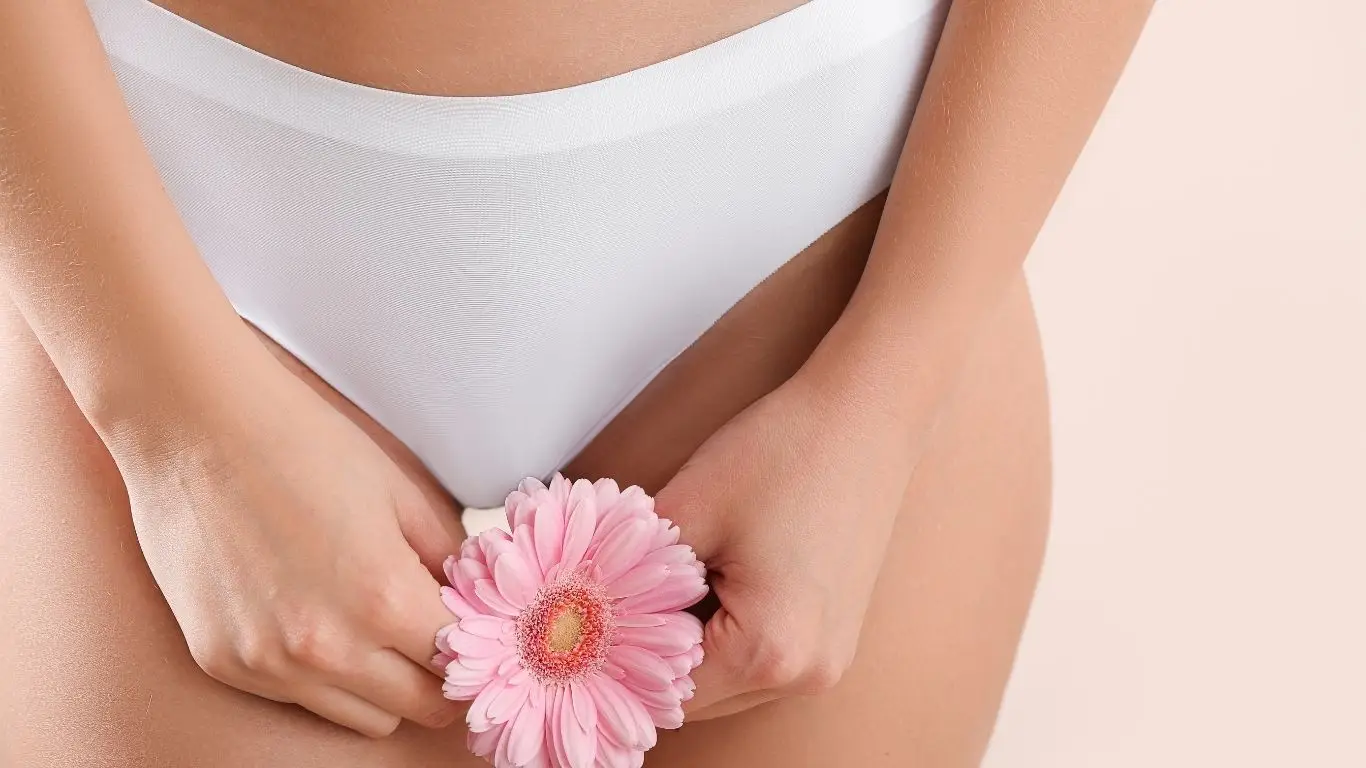
1. Change Out of Wet Swimsuits ASAP
This one was a game changer for me. I used to lounge in my wet suit post-swim, not realizing it was basically an incubator for unwanted bacteria. Now, I always change into dry clothes within 10-15 minutes, and the difference has been huge.
2. Rinse Off (But Not Internally)
Always rinse off with fresh water after swimming. It helps wash away chlorine, bacteria, and other irritants. But *never* douche or use vaginal cleansers. That does more harm than good.
- Use a gentle, fragrance-free soap externally
- Pat dry with a clean towel
3. Support Your Good Bacteria
Your vaginal microbiome is your best defense. Help it out by adding probiotic-rich foods like yogurt and kefir to your diet. You can also explore probiotic supplements specifically for BV.
4. Wear Breathable Swimwear
Swap out tight, synthetic swimwear for breathable, quick-drying options. Natural fibers like cotton for your cover-up or underlayers help reduce moisture retention.
5. Stay Hydrated
This might sound odd, but hydration helps maintain a healthy mucous membrane barrier—yes, including your vagina. More water = healthier balance.
Habits That Make BV Worse After Swimming

- Using scented body washes or feminine products: They often contain chemicals that disrupt your vaginal flora.
- Wearing tight clothes post-swim: Leggings or synthetic undies can trap moisture, especially after swimming.
- Sitting around in wet towels or suits: It’s like a sauna for bacteria. Just don’t.
For a deeper dive into the role of hygiene habits in triggering BV, you might want to read this eye-opening guide.
What If You’re Swimming During Your Period?

This one gets tricky. I’ve done it—and learned the hard way. Your vaginal environment is already fluctuating, and chlorine or lake water can further disturb it. If you must swim during your period, consider these tips:
- Use a tampon or menstrual cup (and change it right after swimming)
- Avoid extended swim sessions
- Rinse immediately after and dry thoroughly
And yes, BV after your period is a real and common issue—so combine precautions.
Best Prevention Mindset: It’s a Routine, Not a Rule

What finally worked for me was treating BV prevention like brushing my teeth—not dramatic, just a small daily habit. If I’m going to swim, I know what to do before and after. I don’t obsess, but I stay consistent.
Here are my quick go-tos before any pool day:
- Pack a dry swimsuit or undies
- Bring probiotic snacks (Greek yogurt with honey is my fave)
- Have a clean towel in my swim bag
If you’re curious about lifestyle tweaks that can help reduce long-term BV risk, I recommend exploring those as well.
Learn more from this foundational guide on BV prevention, and for a complete overview, check out the main bacterial vaginosis resource.
What to Do If You Feel BV Symptoms After Swimming

So, what if you’ve already been swimming and start noticing that something feels off? Maybe there’s a bit of a fishy odor, or the discharge seems different. I’ve been there. The important thing is to act fast—but gently.
1. Don’t Panic, but Don’t Ignore
BV isn’t the end of the world, but brushing it off can lead to recurring flare-ups. The sooner you recognize the signs, the easier it is to manage without letting it spiral. For example, I used to think the odor was just “pool smell” lingering—but nope, that was my body telling me something.
2. Try Natural Support First (If Symptoms Are Mild)
Some women respond really well to natural remedies when symptoms are just beginning. You can explore options like:
- Apple cider vinegar baths to restore pH naturally
- Diluted tea tree oil suppositories (only if you’ve used them before)
- Plain yogurt inserted with a tampon as a DIY probiotic
Honestly, yogurt was my secret weapon early on—it felt soothing and really helped settle things when I caught symptoms early.
3. Consider Medical Treatment for Persistent Symptoms
If it doesn’t clear up in a few days or worsens, talk to a doctor. There are highly effective treatments like Metronidazole or Clindamycin. I used Metronidazole once and it worked fast, though it came with that metallic aftertaste (just a heads-up). If you’re pregnant or have recurring BV, always opt for professional guidance.
What Makes Recurring BV More Likely After Swimming?

If you feel like BV keeps coming back every time you swim—same. I went through a frustrating cycle until I got serious about prevention and discovered a few hidden triggers:
- Using the same swimsuit multiple times without washing it properly
- Not changing pads or tampons quickly after swimming (especially during my period)
- Wearing synthetic underwear afterward instead of breathable cotton
It took trial and error, but once I linked these habits to my flare-ups, things changed for the better. This deep dive into recurring BV helped me piece it all together.
Rebuild Your Routine for Long-Term Prevention
Swimming doesn’t have to be the enemy. But if you’re prone to BV, you’ve got to stack the odds in your favor. Here’s what my current post-swim routine looks like:
- Rinse off immediately (no bubble baths or soaps inside)
- Dry completely with a clean towel
- Apply an *unscented*, pH-balanced moisturizer if I feel dryness
- Eat a probiotic-rich snack or take my supplement
Simple, quick, and it’s become second nature.
What to Avoid at All Costs

- Don’t use douches: Ever. I don’t care what the label says—douching wipes out the good bacteria you need to stay balanced.
- No heavily scented wipes or sprays: These just irritate and inflame the vaginal area.
- Avoid staying in hot tubs too long: The warm water combined with chemicals creates a perfect breeding ground for BV-related bacteria.
If you want to dig deeper into these avoidable habits, I’d recommend checking out this guide on common BV prevention myths.
Don’t Skip Prevention During Pregnancy

Swimming while pregnant? I’ve got a close friend who swore by it to ease back pain—but she ended up with BV halfway through her second trimester. If you’re expecting, your body is extra sensitive to infections. Here’s how she managed it:
- Always wore a fresh suit and changed immediately after
- Skipped public pools with questionable cleanliness
- Used doctor-approved vaginal probiotics
BV during pregnancy isn’t just uncomfortable—it can lead to complications. For more, read the BV treatment during pregnancy guide to stay safe and informed.
When to See a Doctor

Still unsure? If symptoms persist beyond 5–7 days, or if you experience itching, pain, or bleeding, it’s time to get checked out. A professional diagnosis will help rule out other issues, like yeast infections or STIs.
This article about self-diagnosing BV breaks down what to look for and when to get help. You can also compare BV and yeast infections here.
Additional Resources to Explore

- Does Sugar Make BV Worse?
- Safe Sex Tips to Avoid BV
- cdc.gov – Clinical insights and research-backed info on BV
- ncbi.nlm.nih.gov – Studies on vaginal microbiome and prevention
For more holistic advice, the main BV prevention article is packed with helpful daily tips. And the overall bacterial vaginosis resource has everything you might need, from symptoms to advanced treatment plans.

Dr. Gwenna Aazee is a board-certified Internal Medicine Physician with a special focus on hypertension management, chronic disease prevention, and patient education. With years of experience in both clinical practice and medical writing, she’s passionate about turning evidence-based medicine into accessible, actionable advice. Through her work at Healthusias.com, Dr. Aazee empowers readers to take charge of their health with confidence and clarity. Off the clock, she enjoys deep dives into nutrition research, long walks with her rescue pup, and simplifying medical jargon one article at a time.