Simple Ways to Rebuild Healthy Vaginal Flora and Prevent Recurring BV
Let me be honest – I never thought I’d be the person obsessing over vaginal flora. Yet, after a frustrating cycle of bacterial vaginosis (BV) relapses, I realized that understanding how to rebuild healthy vaginal flora isn’t just a hygiene thing; it’s a game-changer for long-term comfort and confidence. If you’ve been there, you know how exhausting it is. So, let’s break down how to get that delicate balance back, for good.
Why Vaginal Flora Balance Matters More Than You Think

Your vaginal microbiome is a complex world of bacteria—good and bad—working in harmony to protect you from infections. When this balance tips (thanks to antibiotics, stress, poor diet, or even tight clothing), you end up with issues like recurring BV, yeast infections, and discomforts that no one wants to talk about openly.
One thing I learned the hard way is that rebuilding isn’t just about “fixing” BV after it appears. It’s about creating an environment where good bacteria thrive and keep the bad ones in check. For a deeper dive into BV triggers and prevention strategies, check out what triggers recurrent BV.
Step 1: Rebuild from Inside Out with the Right Foods

What you eat directly affects your vaginal flora. After my third BV flare-up in two months, my gynecologist gave me a reality check: “Fix your gut, and your vagina will thank you.”
Best Foods to Feed Your Vaginal Flora
- Probiotic-rich foods: Yogurt (with live cultures), kefir, sauerkraut, and kimchi are essentials.
- Prebiotic fibers: Foods like garlic, onions, asparagus, and bananas nourish the good bacteria.
- Omega-3 fats: Salmon, flaxseeds, and chia seeds help reduce inflammation and support microbial diversity.
On the flip side, it’s equally important to avoid foods that can throw off your balance. Processed sugars, refined carbs, and alcohol are notorious for feeding harmful bacteria. Here’s a helpful guide on foods to avoid when prone to BV.
Step 2: Probiotics – Do They Really Work?

I’ll admit, I was skeptical about probiotic supplements. But after consistently taking a high-quality vaginal probiotic for three months, the difference was undeniable. It wasn’t just about fewer BV flare-ups – my overall comfort and confidence skyrocketed.
Choosing the Right Probiotic Strain
- Lactobacillus rhamnosus GR-1
- Lactobacillus reuteri RC-14
- Lactobacillus crispatus (crucial for maintaining acidic vaginal pH)
Consistency is key. It’s not a one-week fix. Most experts recommend at least 8-12 weeks of daily probiotics to start seeing stable results. Here’s more on probiotics for BV and how they help rebuild healthy flora naturally.
Step 3: Lifestyle Tweaks That Make or Break Your Vaginal Health

We often overlook simple lifestyle habits that silently sabotage our vaginal flora. Here are small but powerful changes I swear by:
- Switch to breathable cotton underwear – Say goodbye to synthetic fabrics that trap moisture.
- Skip scented feminine products – They might smell “fresh” but can disrupt your pH in no time.
- Practice safe sex – Use condoms and maintain good hygiene before and after intimacy. Here’s a useful read on BV and sexual activity.
Hydration is another underrated game-changer. Drinking plenty of water aids in flushing out toxins and supports overall microbial balance.
Step 4: Rethink Your Hygiene Routine

One of my biggest mistakes was over-cleansing. The more I tried to “fix” the odor with harsh soaps, the worse it got. Turns out, less is more.
Do’s and Don’ts of Vaginal Hygiene
- Do rinse gently with plain water or a mild, pH-balanced wash.
- Don’t douche or use perfumed soaps – they strip away protective bacteria.
- Do wear loose, breathable clothing when possible.
Want more insights on how to clean without disrupting your flora? Check out this guide on vaginal hygiene.
Step 5: Address Underlying Triggers for Long-Term Results

Sometimes, rebuilding vaginal flora isn’t just about external habits. Factors like chronic stress, hormonal imbalances, and frequent antibiotic use can sabotage your efforts. I personally noticed a shift when I incorporated daily stress-reducing rituals, like short mindfulness sessions and gentle evening walks.
Also, be aware of medications that might disrupt your flora. If you’re on frequent antibiotics, discuss probiotic supplementation with your healthcare provider to minimize collateral damage.
If you’re curious about more long-term strategies, this article on long-term solutions for BV is a must-read.
For a broader understanding of how BV develops and how it affects your body, the detailed breakdown in BV and vaginal odor is quite insightful. And don’t miss the comprehensive resource on types and anatomy of BV to understand the root causes better.
How Long Does It Take to Rebuild Healthy Vaginal Flora?

If there’s one question I kept googling during my BV journey, it was, “How long will this take?” The truth? It varies. But here’s what you should realistically expect:
- Short-term improvements: Within 2-3 weeks of dietary and hygiene adjustments.
- Noticeable microbial balance: Typically around the 8-12 week mark with consistent probiotic intake.
- Long-term resilience: 4-6 months of disciplined habits to rebuild and stabilize your vaginal flora environment.
It’s not a quick fix, but with patience, your body responds. I noticed small wins early on — less odor, reduced discharge, and eventually, no more surprise flare-ups. For guidance on how long BV takes to clear, this resource provides clear timelines and expectations.
How to Maintain Vaginal Flora After Recovery

Rebuilding is one thing. Maintaining it? That’s where the real discipline kicks in. But it doesn’t have to be overwhelming. Here’s what worked for me in keeping BV at bay:
- Stick to daily probiotics: I treat this like brushing my teeth — non-negotiable. For maintenance, I transitioned to every other day after six months.
- Stay mindful of sugar intake: Even “healthy” sugar from juices or smoothies can tip the balance if overdone.
- Use probiotic-infused feminine care products: Not necessary, but I found pH-balanced products with probiotics gave me an added layer of defense.
- Post-antibiotic care: After any antibiotic course, I immediately increase my probiotic intake for at least two weeks. Here’s a must-read on how to rebuild good bacteria after antibiotics.
For a more holistic approach to keeping your flora in check, this guide on natural pH balance offers practical lifestyle tweaks you can easily integrate.
When to See a Doctor About Persistent Flora Imbalance

Despite your best efforts, sometimes things feel “off.” If symptoms like unusual discharge, persistent odor, or discomfort persist beyond 8-10 weeks, it’s time to consult a professional. Recurrent infections could signal underlying conditions like hormonal imbalances, immune issues, or even undiagnosed gut health problems.
One of the best decisions I made was tracking my symptoms meticulously (yes, spreadsheets and all) and bringing that data to my OB-GYN. It fast-tracked my diagnosis and personalized treatment plan. If you’re unsure how to approach this with your doctor, this article on how to explain recurring BV to your doctor can be a lifesaver.
Supplements That Support Vaginal Flora Restoration

Beyond probiotics, I found certain supplements played a pivotal role in speeding up my flora restoration. Here’s a shortlist of what actually made a difference:
- Boric Acid Suppositories: A game-changer for balancing vaginal pH after infections. Here’s a trusted guide on boric acid usage.
- Vitamin C: Known for its immune-boosting properties, it also supports vaginal health by promoting acidic pH levels.
- Omega-3 Fatty Acids: They help regulate inflammatory responses, which is crucial during flora rebuilding phases.
For a comprehensive list of helpful supplements, check this detailed article on supplements for BV.
Connecting Gut Health and Vaginal Flora

This might surprise you, but gut health and vaginal flora are deeply intertwined. After consulting a nutritionist, I learned that a leaky gut or dysbiosis in the intestines can directly affect vaginal microbiota stability. Improving gut flora through fermented foods, prebiotic fibers, and targeted probiotic strains not only helped my digestion but significantly reduced my BV recurrences.
Here’s an excellent resource diving deeper into the link between gut health and BV.
Making It a Lifestyle, Not a Temporary Fix
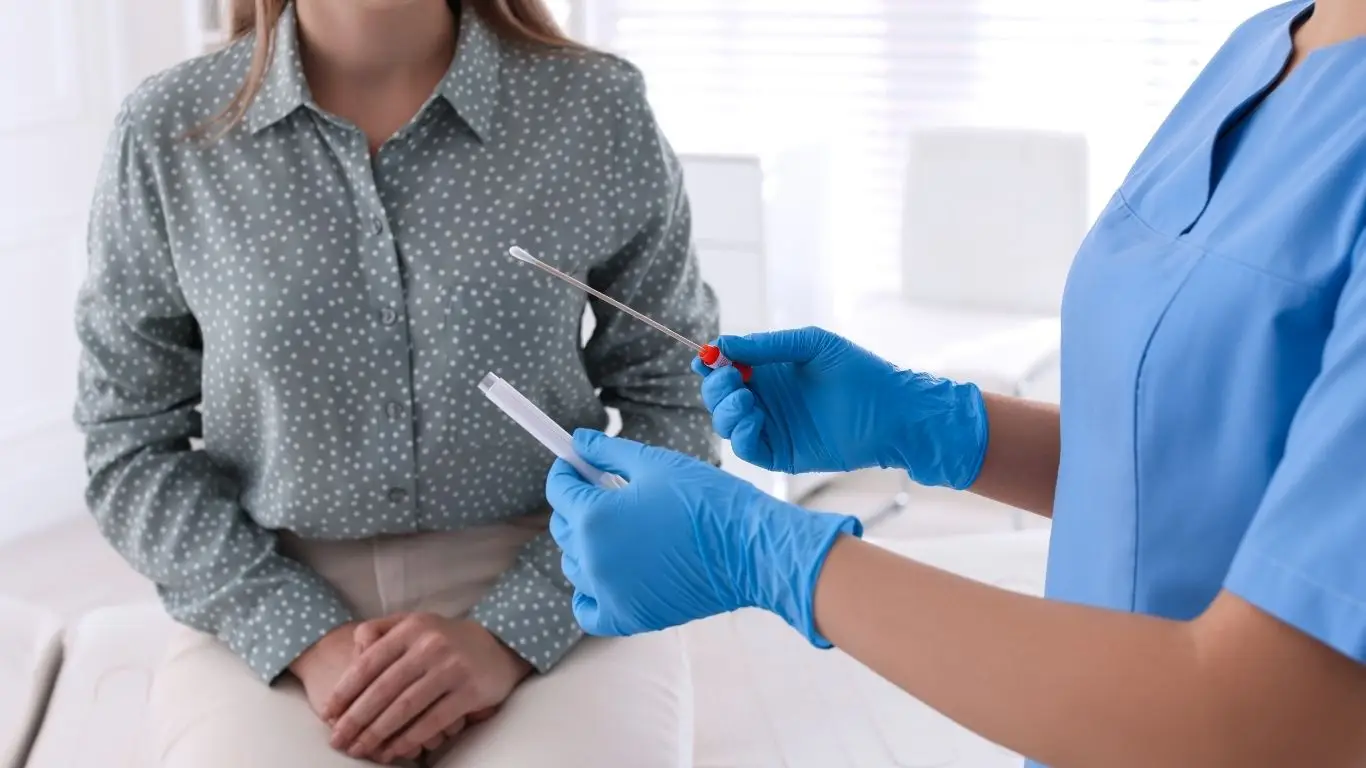
Rebuilding healthy vaginal flora isn’t a one-off task. It’s about making sustainable lifestyle choices that become second nature. From choosing breathable fabrics, prioritizing hydration, to becoming mindful of stress triggers — these small, daily choices collectively create an environment where good bacteria thrive.
While it might feel overwhelming at first, trust me, once these habits lock in, they become effortless. The freedom and comfort of not having to “manage” BV symptoms constantly? Absolutely worth it.
If you’re ready to dive deeper into personalized prevention strategies and want a holistic roadmap, I highly recommend exploring the recurring BV causes and prevention guide. And for a broader understanding of BV’s foundation, don’t miss this comprehensive pillar article on BV symptoms and signs.

Dr. Gwenna Aazee is a board-certified Internal Medicine Physician with a special focus on hypertension management, chronic disease prevention, and patient education. With years of experience in both clinical practice and medical writing, she’s passionate about turning evidence-based medicine into accessible, actionable advice. Through her work at Healthusias.com, Dr. Aazee empowers readers to take charge of their health with confidence and clarity. Off the clock, she enjoys deep dives into nutrition research, long walks with her rescue pup, and simplifying medical jargon one article at a time.