How to Reduce BV Recurrence Naturally and Regain Confidence
Let’s be real—if you’ve dealt with Bacterial Vaginosis (BV) more than once, you know how frustrating that cycle can be. One week everything seems fine, and the next, the symptoms sneak back like an uninvited guest. I’ve been there, and after trying everything from prescriptions to pantry remedies, I realized reducing BV recurrence naturally isn’t just about one miracle product—it’s about changing a few key things. Here’s what helped me and what might work for you too, backed by science and solid personal trial-and-error.
Understanding Why BV Keeps Coming Back

Before you can stop something, you need to understand why it keeps showing up. BV is caused by an imbalance in vaginal bacteria, where harmful anaerobic bacteria overpower the beneficial lactobacilli. And while antibiotics can knock out the bad stuff, they often wipe out the good guys too—leaving your vagina vulnerable to another imbalance.
Common causes of recurrence include:
- Antibiotic overuse
- Hormonal fluctuations (especially during your period)
- Unhealthy hygiene habits
- Sexual activity without protection
- Stress and poor sleep (yep, it plays a role!)
For example, BV relapse after antibiotics is one of the most common issues that women face. Many of us assume the infection is gone, but the root cause—bacterial imbalance—still lingers.
Probiotics: Your Natural Allies

If you’ve never looked into probiotics for BV, now’s the time. Lactobacillus strains—especially Lactobacillus crispatus and Lactobacillus rhamnosus—are your best friends when it comes to rebuilding healthy flora.
What worked for me was taking an oral probiotic every morning on an empty stomach, combined with a vaginal probiotic suppository 2-3 times a week. This combo made a noticeable difference within weeks.
Tips for getting the most out of probiotics:
- Choose refrigerated or shelf-stable probiotics with high CFU counts (over 10 billion).
- Look for strains specifically studied for vaginal health.
- Be consistent—it takes time to restore balance.
Fermented Foods Matter Too
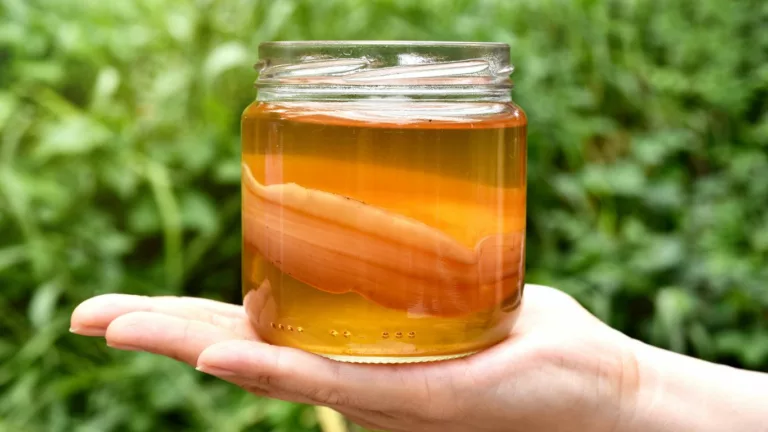
Aside from supplements, I started adding plain Greek yogurt, kefir, kimchi, and sauerkraut into my meals. Natural sources of probiotics not only improve gut health but also indirectly support your vaginal microbiome. I even swapped my sugary snacks for yogurt topped with chia and honey—simple but effective.
Cutting Sugar and Processed Foods

I never realized how much sugar affected my BV until I eliminated it. Turns out, sugar feeds bad bacteria, encouraging their overgrowth. After reading this piece on how sugar worsens BV, I cut down processed carbs and desserts. I saw fewer flare-ups and felt better overall.
Some food swaps that worked for me:
- Fruit-infused water instead of soda
- Almond flour muffins instead of pastries
- Dark chocolate (85%+) over milk chocolate
For deeper insight on balancing your diet, you might want to explore this guide on BV-friendly foods.
Hygiene Habits That Actually Help

I used to be that person who thought “the cleaner, the better.” Harsh soaps, scented wipes, constant washing—you name it. Turns out, I was doing more harm than good. According to this deep dive into hygiene habits, overwashing strips the vagina of protective bacteria and changes its pH.
Here’s what I changed:
- Switched to fragrance-free, pH-balanced cleansers.
- Stopped using soap inside the vagina—just warm water.
- Changed underwear twice a day when needed (especially after workouts).
One unexpected tip? Sleeping without underwear helped reduce moisture buildup and irritation—totally game-changing for me.
Sexual Health Tips That Reduce Recurrence

Sex plays a bigger role in BV recurrence than I initially thought. While BV isn’t technically an STI, unprotected sex—especially with multiple partners—can alter vaginal flora. I learned the hard way that even new soap or semen can trigger symptoms again.
According to this article on BV and sexual activity, things like using condoms, avoiding douching after sex, and urinating post-intercourse can lower your risk significantly.
Also, it’s worth checking out this important advice on partner treatment for BV—often overlooked but potentially crucial.
Reducing Stress and Supporting Your Immune System

This part was unexpected: Stress has a legit impact on BV recurrence. The more anxious or sleep-deprived I was, the more likely I’d experience a flare-up. It’s not woo-woo—it’s biology. Cortisol (your stress hormone) suppresses immune function and can indirectly affect bacterial balance.
I started meditating daily (even just 5 minutes), drinking herbal teas, and finally took sleep seriously. Not surprisingly, the pattern of recurrence slowed down noticeably.
Learn more about how stress might be triggering your BV if you’re still skeptical.
Want a comprehensive breakdown of what causes repeat BV flare-ups and what really works? Don’t miss this essential guide on recurring BV causes and prevention.
Also, for a broader perspective, the main BV overview is a solid resource that gives you everything from basics to treatments in one place.
Supplements That May Help Balance Your Vaginal Flora

Aside from probiotics, a few supplements made a difference for me when I was determined to stop BV from coming back. I’m not one to pop pills for no reason, but after doing research—and talking to a naturopath—I added some targeted support to my routine.
Supplements worth considering:
- Vitamin D: Low levels are associated with higher BV risk. I started with 2000 IU daily, especially in winter.
- Folic Acid & B-Complex: Support immune function and cellular repair. I took a methylated version for better absorption.
- Zinc: Plays a role in reducing inflammation and strengthening the immune system.
I noticed improvements after about a month—fewer symptoms, less odor, and overall better vaginal comfort. Of course, talk to a healthcare provider before jumping into a supplement stack.
Simple Daily Habits That Support Vaginal Health

Sometimes it’s not the big changes, but the small consistent ones that matter most. These are a few daily habits that truly helped me stay in balance:
- Drinking more water: Hydration helps flush out toxins and maintain mucous membrane health.
- Wearing breathable cotton underwear: Keeps things dry and less prone to bacterial overgrowth.
- Changing out of damp clothes quickly: Post-gym or swimwear moisture can be a breeding ground.
- Using a menstrual cup or organic pads: These were way gentler on my pH than fragranced pads or tampons.
For a deeper dive into clothing-related habits, check out underwear and BV prevention—you’d be surprised how impactful something that small can be.
Foods That Promote Good Vaginal Bacteria

They say, “you are what you eat,” and for BV, this couldn’t be more true. After changing my diet in small but intentional ways, I felt a huge difference—not just with BV but overall energy and mood too.
My go-to vaginal-friendly foods:
- Leafy greens: Spinach, kale, arugula—they help regulate pH and inflammation.
- Yogurt and kefir: Natural probiotics that taste good and help balance your gut and vaginal flora.
- Seeds and nuts: High in omega-3s and zinc.
- Garlic: Nature’s antimicrobial. I even took odorless garlic supplements during flare-ups.
Curious what else you can eat to help BV stay away? Check out this list of foods to avoid when you’re prone to BV so you can tweak your meals with purpose.
Natural Remedies That Actually Help

Let me be clear—natural doesn’t always mean harmless. But there are a few well-known remedies that, when used correctly, can support vaginal health and reduce BV recurrence. I personally had success with:
- Plain yogurt used externally for soothing irritation
- Tea tree oil suppositories (once a week max, diluted, and from a trusted brand)
- Apple cider vinegar sitz baths—not internal douching
These aren’t quick fixes, but as part of a long-term routine, they helped keep things in check. I always did a patch test first and avoided combining too many remedies at once.
Managing BV During Pregnancy

If you’re expecting, I get why you’re extra cautious. BV during pregnancy can feel especially nerve-wracking—but it’s more common than you’d think. I’ve had a close friend go through this, and with the right precautions, she had a healthy pregnancy.
It’s critical to work closely with your OB-GYN, but there are still natural, safe steps you can take. This article on BV treatment during pregnancy breaks it down well.
How Long Does It Take to See Results?

One thing that really helped me stick with my natural plan was tracking. I used a simple journal to mark what I ate, my supplements, symptoms, and stress levels. Patterns emerged—and they helped me adjust.
In general, it took me about 6–8 weeks to feel like things were under control again. Everyone’s body is different, but most natural approaches take time. If you’re consistent, the results come—and they last longer than quick antibiotic fixes.
Need more insight on how long treatments take? Here’s a great breakdown on how long it really takes to cure BV.
When to See a Specialist

There’s a fine line between managing BV naturally and ignoring a problem that needs medical input. I learned to trust my gut—and my doctor. If your symptoms keep returning despite trying these methods, or if they’re getting worse, see a gynecologist or women’s health specialist.
Some women may need extended antibiotic therapy, or tests for co-existing infections like yeast or STIs. A personalized treatment plan might be the missing puzzle piece.
You can also read how self-diagnosing BV can sometimes delay proper treatment. Getting it checked properly is never a waste of time.
Conclusion: A Holistic Approach That Works

Reducing BV recurrence naturally isn’t just possible—it’s completely doable with the right mix of awareness, habits, and support. For me, the turning point wasn’t one single solution—it was the combination of consistent small changes that added up over time.
Whether it’s switching to probiotics, dialing in your diet, or learning how your stress impacts your body, every step you take is a step toward long-term balance. If you haven’t already, explore this comprehensive guide on BV prevention tips—it’s packed with actionable strategies.
And don’t forget to dive into the full overview at the main BV pillar page for everything from causes to treatments in one spot. Your body knows how to heal—sometimes it just needs the right support to do it naturally.

Dr. Gwenna Aazee is a board-certified Internal Medicine Physician with a special focus on hypertension management, chronic disease prevention, and patient education. With years of experience in both clinical practice and medical writing, she’s passionate about turning evidence-based medicine into accessible, actionable advice. Through her work at Healthusias.com, Dr. Aazee empowers readers to take charge of their health with confidence and clarity. Off the clock, she enjoys deep dives into nutrition research, long walks with her rescue pup, and simplifying medical jargon one article at a time.