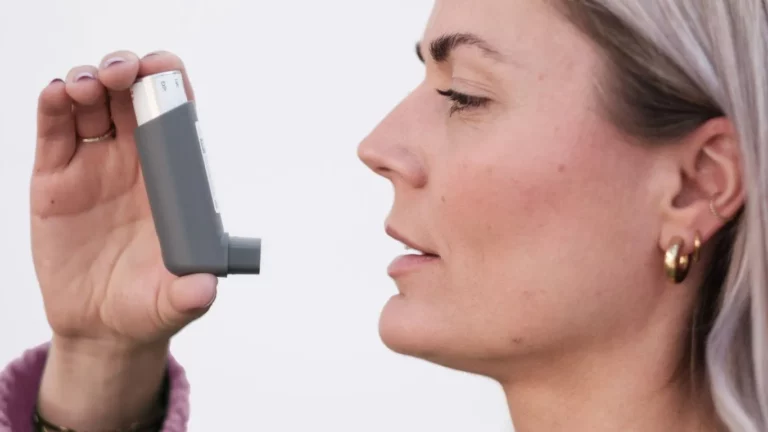
Safe and Effective Ways to Treat BV While Breastfeeding
Bacterial Vaginosis (BV) while breastfeeding? Yeah, I’ve been there — juggling diapers, 3 a.m. feedings, and then this unwelcome surprise. The moment I noticed something felt “off,” I immediately started spiraling. Can I treat this without messing with my milk supply? Will my baby be affected? It’s overwhelming, especially when no one talks about it. So, let’s fix that. This is the guide I wish I had when BV showed up at the worst time — during postpartum life. We’ll cover everything you need to know to treat BV safely while breastfeeding without losing your mind.
Understanding BV When You’re Nursing

Bacterial Vaginosis is a common vaginal infection caused by an imbalance in your natural flora. While it’s not an STI, it can make you feel miserable — and add that to sleep deprivation? Rough.
Can You Get BV During Breastfeeding?
Absolutely. Hormonal fluctuations post-pregnancy can mess with vaginal pH. That delicate ecosystem that stayed balanced (hopefully) during pregnancy? It’s now being disrupted by everything from night sweats to stress and even your postpartum diet.
To be honest, I initially blamed breastfeeding for everything. But turns out, it’s not breastfeeding itself — it’s the hormone shift that opens the door for BV to sneak in.
Common Symptoms to Watch For
- Unusual gray or white vaginal discharge
- Fishy or sour odor, especially after sex
- Itching or burning sensation
- Discomfort or mild pain (though not always)
If you’re unsure whether it’s BV or something else, it’s helpful to read up on whether BV causes pain — because sometimes it doesn’t, which makes it trickier to spot.
Is BV Dangerous While Breastfeeding?

Good news first: BV itself doesn’t directly harm your baby through breast milk. But the meds you take might.
The main concern is treatment compatibility. Some antibiotics commonly used for BV can pass into breast milk, and depending on the dose, that can be risky. That’s why self-diagnosing and grabbing meds leftover from your last infection is a big no-no.
I learned this the hard way. I tried to shortcut things by using leftover metronidazole gel. Bad idea. My symptoms got worse, and I ended up needing a different plan entirely.
Safe Treatment Options While Breastfeeding
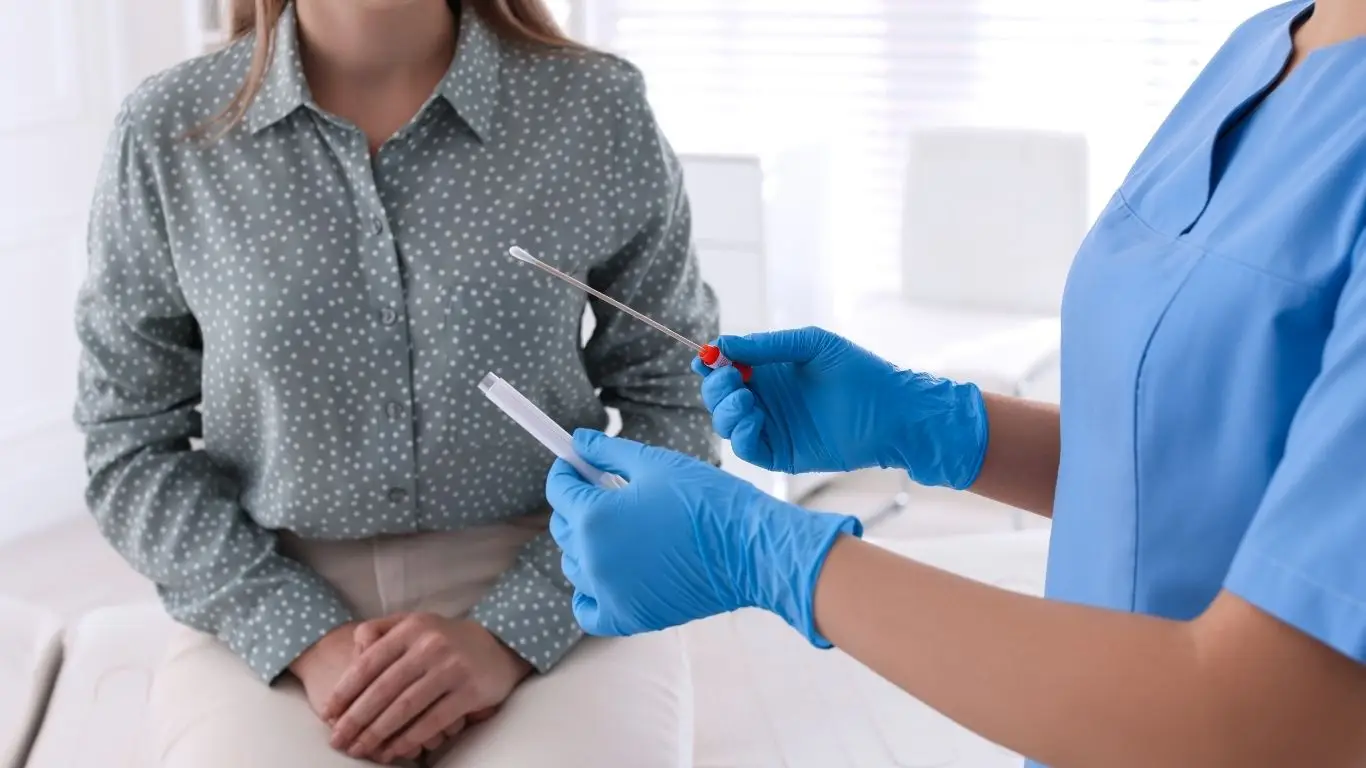
1. Talk to Your Doctor First (Seriously)
Even though it’s tempting to go full DIY, your OB-GYN or midwife can help prescribe a breastfeeding-safe antibiotic. Usually, the options include:
- Metronidazole (oral or gel): Often considered safe in low doses, but you may be advised to “pump and dump” for 12-24 hours depending on dosage.
- Clindamycin (vaginal cream): Topical treatments typically have less systemic absorption — a safer bet for many.
If you’re unsure about which antibiotic is right while breastfeeding, you’ll want to read the breakdown on clindamycin for BV.
2. Consider Natural Alternatives (With Caution)
Some moms, including me, go looking for gentler options — especially if you’re already taking meds post-C-section or for other postpartum needs. Natural remedies can help, but not all are created equal.
- Probiotics: Can support healthy flora. Look for lactobacillus strains.
- Apple cider vinegar baths: Mixed results, but some moms swear by it for odor control.
- Yogurt suppositories: Messy, but effective for some.
My go-to? A refrigerated probiotic specifically for vaginal health. It didn’t cure BV on its own, but it helped keep things balanced after antibiotics. You can explore how probiotics can support BV recovery for more guidance.
What to Avoid When Treating BV During Breastfeeding

1. Over-the-Counter Yeast Medications
Many of us confuse BV with yeast infections. They feel similar, but require different treatments. Using OTC yeast meds when you actually have BV can make things worse. If you’re not sure, check this article on how to tell which infection you have.
2. Douching (Just Don’t)
It might feel like you’re “cleaning” things, but douching disrupts your natural balance even more. That fresh feeling is short-lived and usually comes with long-term consequences. Here’s the full breakdown on why douching is a BV magnet.
3. Self-Medicating Without Guidance
Especially while breastfeeding, guessing the treatment is not just ineffective — it’s potentially unsafe. Don’t rely on Reddit threads (been there). Work with your care provider.
How to Prevent BV Recurrence During Postpartum

Once you’ve treated it, you’ll want to keep it away. Because honestly? Recurring BV is frustrating as hell. The good news is, a few lifestyle tweaks helped me stay BV-free afterward:
- Wear cotton underwear and ditch the synthetic stuff
- Stay hydrated — dehydration messes with everything
- Avoid tight pants or leggings 24/7 (yes, even yoga pants)
- Support vaginal health with a diet that feeds good bacteria
If you’ve dealt with recurring infections before, you’ll want to dive into this guide on long-term solutions for BV.
For a full understanding of what you’re dealing with and how to navigate BV as a whole, check out the main guide to Bacterial Vaginosis and the detailed treatment options page for more evidence-backed insights.
Can You Breastfeed While Treating BV?

One of the biggest questions I had — and I know I’m not alone — was: Can I keep breastfeeding while I treat BV? In most cases, yes. But the type of treatment you choose really matters.
Breastfeeding-Safe Antibiotics
Oral antibiotics like metronidazole are often prescribed, and while some versions require “pump and dump,” low-dose short-course treatments may not. Still, always check with your pediatrician and OB first. For topical options like clindamycin cream, the risk of transfer into breast milk is low — and in many cases, you can continue breastfeeding without interruption.
The CDC and American Academy of Pediatrics provide helpful insights on medication safety during lactation if you want to do extra homework like I did.
Timing Matters
If you’re using oral meds, feeding or pumping right before taking your dose can help reduce exposure. It’s a small timing tweak that offers a bit of reassurance — especially if you’re worried like I was.
Symptoms While Nursing
Here’s the annoying part — some symptoms linger a little even after you start treatment. Especially the odor. It doesn’t mean treatment isn’t working. Give it time, stay consistent, and don’t skip doses (I made that mistake once and had to start all over).
Supporting Your Body Naturally While Nursing

Even with meds, your body still needs support. Breastfeeding already drains your energy and nutrients — throw BV into the mix, and it can feel like a double hit. That’s why I leaned hard into healing foods and smart supplements.
Postpartum Nutrition to Balance Flora
You don’t need to go full clean-eating goddess mode, but some smart swaps helped me a lot:
- Swap sugary snacks for fruit + plain yogurt
- Add garlic to meals (natural antibacterial and tasty!)
- Cut back on white carbs and processed foods
- Drink at least 2–3L of water a day
There’s a connection between diet and vaginal health that isn’t talked about enough. Want to know which foods help? Here’s a guide to what to avoid if you’re prone to BV.
Supplements I Used (with My Doctor’s Okay)
- High-quality probiotic: specifically one for vaginal health, not just digestive
- Omega-3s: for inflammation support (also good for baby brain development)
- Vitamin D: because most of us are low postpartum anyway
Common BV Triggers Postpartum

If you’re breastfeeding and suddenly battling BV, chances are you’ve unknowingly triggered it. Here are a few culprits that surprised me:
1. Sweat + No Airflow
Yep. All those cozy nursing bras? A breeding ground for bacteria if you’re sweating and not changing often. Cotton ones breathe better — I made that switch quickly.
2. Stress
This one hit hard. Stress has been linked to BV, and the postpartum period is peak stress. Between sleep deprivation, hormonal chaos, and feeling touched out, it’s no wonder your body gets out of balance.
3. Period Return
Some moms notice BV right after their first postpartum period. That was me. There’s even some science behind how BV flares up after menstruation, so if you notice a pattern, track it. It might help your doctor tailor a plan that works with your cycle.
Can You Prevent BV From Coming Back?

Honestly? BV is notorious for coming back. I had two recurrences within 6 months postpartum — super frustrating. But once I got into a routine that supported my gut and vaginal health, things stabilized.
Daily Habits That Help
- Use fragrance-free soaps (and only on the outside)
- Air out down there — sleep without underwear when you can
- Rinse after sex (just water!)
- Take a probiotic consistently
Not everything works for everyone, but these helped me personally. And don’t underestimate the impact of consistent habits — it’s less about dramatic changes and more about daily balance. You can also read about why BV sometimes comes back after antibiotics.
Should You Treat Your Partner?
One of the most confusing things I ran into was whether I should be concerned about transmission. This article covers it well — short answer: probably not, unless they have symptoms or you’re experiencing repeated infections. But always talk to your doctor to rule out other factors.
When to See Your Doctor Again

If your symptoms don’t clear up within 7–10 days after starting treatment, or if they come back a week later (yep, it happens), go back. Don’t feel bad about it. Your body is navigating a lot right now. I ended up needing a second round of antibiotics — and a different probiotic — before things settled.
Sometimes BV is stubborn, and that’s okay. You just need the right tools and support to kick it for good. For more on treatment duration and effectiveness, check the full timeline for BV recovery.
To keep your long-term health in check, especially postpartum, make sure you’re working with a doctor who takes your symptoms seriously and understands the postpartum ecosystem. It’s not “just discharge.”
Need the bigger picture? See the full BV guide and the detailed BV in pregnancy & postpartum section for expert-backed support and strategies that actually work.

Dr. Gwenna Aazee is a board-certified Internal Medicine Physician with a special focus on hypertension management, chronic disease prevention, and patient education. With years of experience in both clinical practice and medical writing, she’s passionate about turning evidence-based medicine into accessible, actionable advice. Through her work at Healthusias.com, Dr. Aazee empowers readers to take charge of their health with confidence and clarity. Off the clock, she enjoys deep dives into nutrition research, long walks with her rescue pup, and simplifying medical jargon one article at a time.