Why There May Never Be a Permanent Cure for BV
Let’s get real—if you’ve ever dealt with bacterial vaginosis (BV), you know it’s not just a medical diagnosis. It’s an exhausting cycle of discomfort, embarrassment, and frustration. I remember the first time I got it. I thought it was just another yeast infection, until the odor clued me in that something else was going on. One round of antibiotics later, I was hopeful. A few weeks later? Right back at square one. That’s when I asked the question many of us have: Is there a permanent cure for BV? And oh boy, that rabbit hole is deeper than most doctors will admit.
Why BV Keeps Coming Back (And What Nobody Tells You)
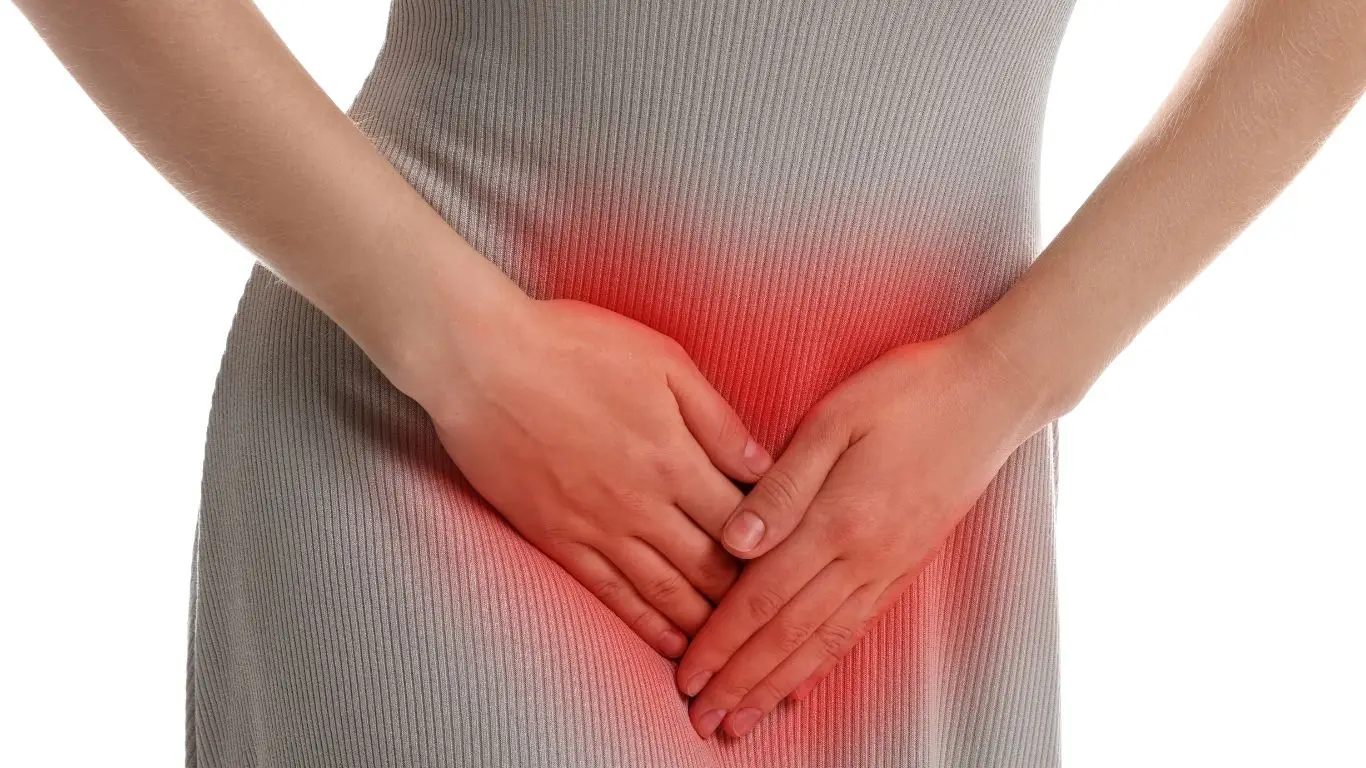
The recurring nature of BV isn’t just in your head. Around 50-70% of women who treat BV with antibiotics experience a relapse within a year. Yep, you read that right. It’s a huge number. The issue? We’ve been treating the symptoms, not the system.
BV happens when your vaginal microbiome—the natural bacterial ecosystem—gets out of balance. It’s like a neighborhood where the good neighbors (Lactobacilli) get replaced by noisy, disruptive guests (like Gardnerella). Most treatments, like Metronidazole or Clindamycin, just lower the bad guys for a while. But unless you rebuild the good community, BV will sneak back in.
The Truth About “Permanent Cure” Promises

Let’s be honest: if there was a magic pill that cured BV for good, we’d all know about it. You’d see it on the cover of every health mag and trending on every wellness blog. But here’s the thing—“permanent cure” is complicated because your vaginal ecosystem is always evolving. Hormones, stress, sex, hygiene habits… everything plays a role.
Some swear by home remedies like probiotics, apple cider vinegar, or even coconut oil. Honestly? I’ve tried most of them. Some felt soothing, others made things worse. It really depends on your unique body chemistry. Just because something is “natural” doesn’t mean it’s a one-size-fits-all solution.
There’s no shame in trying different options, but always be cautious and consult with a gynecologist. Sites like cdc.gov and ncbi.nlm.nih.gov offer science-backed guidance—not miracle cures.
The Role of Lifestyle in Long-Term BV Control

I hate to break it to you, but if you’re treating BV without tweaking your lifestyle, you might be missing the bigger picture. It took me years—and several repeat infections—to realize that things like diet, underwear, and even sleep affect my BV triggers.
1. What You Eat Matters
Your gut and vaginal microbiomes are deeply connected. I noticed flare-ups after high-sugar days or too much processed food. Turns out, sugar feeds bad bacteria. Once I leaned into a gut-friendly diet and followed insights from this article about sugar and BV, things started to shift.
- Eat more fermented foods like yogurt, kefir, and kimchi
- Cut back on refined sugar and alcohol
- Increase fiber intake (your gut bugs love it!)
2. Rethinking Hygiene Habits
Despite what those “feminine wash” commercials tell you, over-cleansing can do more harm than good. I used to think douching helped “freshen things up.” Nope. Big mistake. It stripped my natural flora and opened the door to BV.
This deep dive on douching myths helped me understand that less is more when it comes to vaginal care.
3. Sex and BV—What You Should Know
Sex introduces new bacteria. If you’re someone whose BV flares up after intimacy, you’re not alone. The article on BV and sexual activity breaks it down really well. Even semen’s pH can disrupt your balance.
- Consider condoms if you’re prone to post-sex BV
- Urinate and rinse gently after sex
- Talk openly with your partner (awkward, but necessary)
What Doctors Often Miss (And What I Learned the Hard Way)

Here’s where I get a little frustrated. Too many doctors hand out antibiotics like candy, but skip the microbiome talk. When I found a practitioner who actually understood BV’s root cause—bacterial imbalance—it was a game changer.
We combined treatment with topical remedies, diet adjustments, and tracking my cycle. I even started using at-home pH strips to keep tabs on changes. It’s about being proactive instead of reactive.
If you’re in the thick of recurring BV, don’t lose hope. There is a path forward—it just might look different than a traditional prescription. I highly recommend reading this full guide on recurring BV prevention to explore more options.
For a complete understanding of BV and its broader causes and risk factors, visit the comprehensive pillar article on causes and risk factors. And if you’re looking for the full overview, don’t miss the main BV guide—a must-read foundation for everything related to BV.
Probiotics, Suppositories, and Advanced BV Strategies

When I hit my third BV recurrence in under a year, I realized I needed more than prescriptions. That’s when I began experimenting—carefully—with probiotic suppositories. You can only take so many pills before your gut says, “Hey, enough!” So inserting good bacteria directly where it’s needed? Honestly, it made sense.
The science supports this too. According to ncbi.nlm.nih.gov, certain strains like *Lactobacillus crispatus* have shown real promise. I started using a refrigerated product with targeted strains, and within weeks, things started to level out. Was it a cure? Not exactly—but it was stability, and after months of chaos, that felt miraculous.
There’s also growing support for options like boric acid suppositories. While they’re not a long-term solution on their own, they help reset pH and reduce overgrowth. I personally used them for flare-ups—especially after my period or sex—and always alongside probiotics, not instead of them.
What to Look for in a Probiotic (And What to Avoid)
Not all probiotics are created equal. The first one I tried was a generic blend from the drugstore—it did absolutely nothing. Here’s what made a difference:
- Choose one with at least 10 billion CFUs (colony-forming units)
- Look for strains like *Lactobacillus rhamnosus GR-1* and *Lactobacillus reuteri RC-14*
- Refrigerated products tend to be more viable
- Skip ones loaded with additives or sugar
Consistency matters more than anything. I’ve made it a habit—part of my daily wellness stack—especially when traveling or during hormonal shifts.
Stress, Sleep, and Your Immune System’s Role
This is one of the most underrated triggers of BV: stress and burnout. When I went through a rough patch—tight deadlines, poor sleep, and lots of caffeine—my BV came roaring back. Coincidence? Nope.
Chronic stress weakens immune response and disrupts gut balance, which in turn throws off the vaginal microbiome. According to webmd.com, cortisol spikes can directly influence bacterial populations.
What Helped Me the Most
Beyond the obvious (sleep more, stress less), here’s what I personally leaned into:
- Switched to herbal teas like chamomile and tulsi instead of coffee
- Started walking after meals—no pressure, just movement
- Journaling, even for 5 minutes a day
- Practicing gratitude (corny, I know—but weirdly grounding)
When my nervous system was calmer, everything—including my BV symptoms—got more manageable. It’s not magic, just biology.
Understanding the Role of Hormones and Your Cycle

One pattern I noticed after a while: my BV would flare up right before my period. Sound familiar? Turns out, periods can shift vaginal pH and create the perfect environment for disruption.
Estrogen levels affect vaginal lining thickness and secretions, which play a role in protecting against infection. When estrogen dips—right before menstruation—BV bacteria can take advantage.
Cycle Syncing Basics
I began tracking my cycle and adjusted my routine accordingly:
- Used boric acid or probiotics proactively before period
- Wore cotton underwear and avoided tight leggings during PMS
- Skipped bubble baths and bath bombs that week (sad, but worth it)
This kind of micro-adjusting was huge for me. It made me feel in control, not at the mercy of my body.
Can You Really Ever Be BV-Free for Good?

So let’s circle back to the big question: Is there a permanent cure for BV? The frustrating answer? Not in the one-and-done sense. But with the right strategy, long-term remission is absolutely possible. I haven’t had a full-blown episode in over a year. No meds, no doctor visits, just consistency and awareness.
Here’s what I believe after living through it:
- You have to address the root—lifestyle habits, not just symptoms
- Be willing to experiment with natural and medical options together
- Listen to your body. Patterns always show up if you’re paying attention
Don’t let anyone tell you BV is “just something you have to live with.” You deserve better than that. Start with the full guide on BV treatment options—it covers both clinical and holistic approaches in depth.
If you’re feeling overwhelmed or stuck, revisit the main BV page—it’s an incredible resource to ground your journey and figure out your next step.

Dr. Gwenna Aazee is a board-certified Internal Medicine Physician with a special focus on hypertension management, chronic disease prevention, and patient education. With years of experience in both clinical practice and medical writing, she’s passionate about turning evidence-based medicine into accessible, actionable advice. Through her work at Healthusias.com, Dr. Aazee empowers readers to take charge of their health with confidence and clarity. Off the clock, she enjoys deep dives into nutrition research, long walks with her rescue pup, and simplifying medical jargon one article at a time.