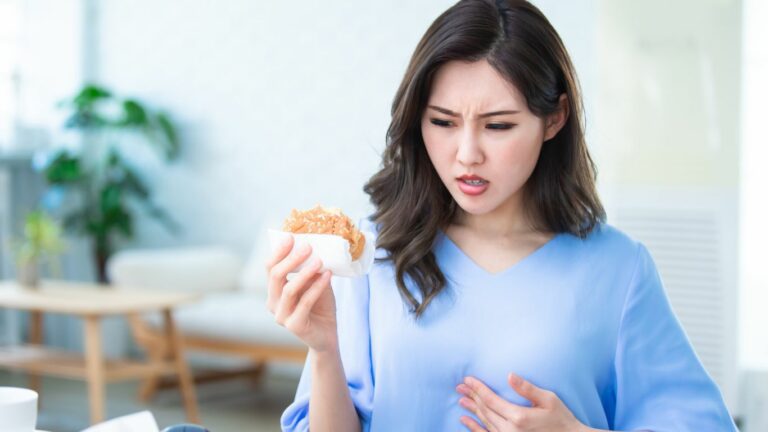
Best Foods To Eat During A BV Flare-Up For Faster Relief
Honestly, dealing with a BV flare-up isn’t just uncomfortable—it’s downright frustrating. I’ve been there more times than I’d like to admit, and if you’re reading this, chances are you’re looking for answers that *actually help*. One of the most underrated but powerful tools for managing symptoms (and preventing recurrences) is your diet. What you eat during a BV episode can either soothe or aggravate the situation. So, let’s break down what to put on your plate—and what to keep far away from it.
Why Diet Matters During a BV Flare-Up

When BV symptoms strike, most people immediately think about medication, but few consider how much food influences vaginal health. BV is essentially a bacterial imbalance, and your gut and vaginal microbiomes are surprisingly connected. What goes into your mouth affects your body’s ability to fight bad bacteria and support the good ones.
From my experience, small dietary tweaks made a huge difference—more than I expected. It wasn’t an overnight miracle, but once I started being mindful of my food, my flare-ups got fewer and easier to manage.
Best Foods to Eat During a BV Flare-Up

1. Probiotic-Rich Foods
These are absolute game-changers. Probiotics help restore the balance of good bacteria in your gut and vagina. I started eating plain Greek yogurt every morning, and within weeks, I noticed fewer symptoms and better digestion, too.
- Plain Greek yogurt (no added sugar)
- Kimchi
- Kefir
- Tempeh
- Raw sauerkraut
Learn more about how yogurt supports BV recovery and how it differs from probiotic supplements.
2. Prebiotic Foods
Prebiotics are what the good bacteria feed on. You can think of them as the fertilizer to help your internal flora thrive.
- Garlic (raw or lightly cooked)
- Asparagus
- Bananas (especially slightly green ones)
- Oats
- Leeks and onions
3. High-Fiber Vegetables
Cruciferous and leafy greens are loaded with fiber, which helps flush toxins from the body. They also promote gut health, which has a knock-on effect on your vaginal flora.
- Spinach
- Kale
- Broccoli
- Brussels sprouts
I added spinach and kale into smoothies when I didn’t feel like eating a big salad. Sneaky but effective!
4. Hydration and Healing Liquids
Drink water like it’s your job. Dehydration makes everything worse. I also found that sipping on warm herbal teas like chamomile or ginger helped ease inflammation and bloating.
- Filtered water
- Unsweetened cranberry juice (real, not cocktail)
- Warm ginger tea
Check how certain foods help grow the right kind of bacteria—it’s more interconnected than we often realize.
Foods to Avoid During a BV Flare-Up

1. Sugar—The Bad Bacteria’s Best Friend
Refined sugar is like jet fuel for harmful bacteria. It feeds the bad guys and makes flare-ups longer and more intense. When I cut out processed sugar for a couple of weeks, it was tough—but totally worth it.
- Candy and baked goods
- Sodas and sugary drinks
- Even “healthy” granola bars with hidden sugars
Learn how sugar influences BV symptoms and flare-ups.
2. Highly Processed Foods
Things like frozen meals, chips, and deli meats are packed with preservatives that can irritate your body. I used to grab packaged snacks for convenience, but they always made things worse during a flare-up.
3. Alcohol and Caffeine
I’m not saying you can never have a glass of wine again, but during a flare-up? Avoid it. Alcohol and caffeine dehydrate and disrupt your microbiome. Switch to infused water or herbal tea—it made a bigger difference than I thought.
What About Supplements?

Supplements can fill the gaps, especially if you’re not getting enough probiotic or prebiotic-rich foods. I personally had good results with high-quality probiotics designed for women’s health, but you should always consult with a healthcare provider before starting anything new. Here’s a closer look at which probiotics actually help during BV.
It’s also worth reading this guide on what not to eat when you’re prone to BV—especially if flare-ups are frequent.
Other Lifestyle Choices That Complement Diet

Diet alone won’t magically fix everything, but when paired with smart hygiene and mindful habits, it becomes a powerful tool. Wearing breathable underwear, avoiding douching, and managing stress are all part of the picture.
You’ll find these common myths about douching and BV pretty eye-opening if you’re still unsure about what habits might be making things worse.
For a comprehensive view on this topic, check out our main guide on BV Diet Guide. And for broader context on managing bacterial vaginosis, don’t miss our complete BV overview.
For deeper lifestyle insights, I also recommend checking out trusted external sources like NCBI, CDC, or Healthline for evidence-backed guidance.
Sample Meal Plan to Follow During a BV Flare-Up

Planning meals during a BV flare-up can feel overwhelming—especially when you’re unsure which ingredients to trust. Here’s a sample daily guide I’ve followed that keeps my gut and vaginal health in check without being boring or restrictive. Bonus: it’s actually delicious.
🌅 Breakfast
- Plain Greek yogurt topped with chia seeds, half a banana, and a drizzle of raw honey
- Green smoothie with spinach, unsweetened almond milk, frozen blueberries, and flaxseed
Swap sugary cereals with these probiotic-loaded choices that work with—not against—your body.
🍽️ Lunch
- Grilled chicken salad with mixed greens, avocado, olive oil, and apple cider vinegar dressing
- Side of roasted asparagus or steamed broccoli for prebiotics
Need ideas on meal balance? This gut-friendly food list makes planning way easier.
🍵 Snack
- A handful of almonds or pumpkin seeds
- Probiotic-rich kombucha (watch out for sugar content)
When cravings hit, I reach for kombucha or herbal teas like ginger or peppermint—soothing, anti-inflammatory, and totally flare-up-friendly.
🌙 Dinner
- Baked salmon with garlic and lemon
- Side of sautéed kale with olive oil and garlic
- Quinoa or brown rice
Foods rich in omega-3s like salmon do wonders for inflammation, and garlic—well, it’s basically nature’s antibacterial superstar.
Real Recipes I Swear By During Flare-Ups

🌿 Gut-Boosting Smoothie Bowl
Prep Time: 5 min
Ingredients:
- 1/2 cup plain Greek yogurt
- 1/2 frozen banana
- 1/4 cup frozen blueberries
- 1 tbsp chia seeds
- 1/2 cup unsweetened almond milk
Blend all ingredients. Top with hemp seeds, coconut flakes, or a drizzle of almond butter.
🥗 BV-Friendly Kale & Quinoa Salad
Prep Time: 15 min
Ingredients:
- 1 cup cooked quinoa
- 1 cup chopped kale, massaged with lemon juice
- 1/2 avocado
- 1 tbsp olive oil
- 1/4 cup chickpeas
Mix everything and season with salt, pepper, and garlic powder. Great for lunch or dinner.
🍲 Probiotic Miso Soup
Prep Time: 10 min
Ingredients:
- 1 tbsp white miso paste
- 1 1/2 cups warm (not boiling) water
- 1/4 cup cubed tofu
- Chopped green onion and seaweed flakes
Stir miso into warm water. Add tofu and toppings. Avoid boiling—it kills the probiotics.
What to Eat When You Feel Nauseous or Have No Appetite

Some BV flare-ups come with bloating, nausea, or general discomfort. When I can’t stomach a full meal, I go for lighter options that still support healing:
- Bone broth or miso soup with tofu
- Plain oatmeal made with water, topped with a few chia or hemp seeds
- Half a banana with a teaspoon of peanut butter
- Small bowl of plain yogurt with cinnamon
If you’re not hungry, don’t force a big meal. Gentle, small portions can still give your body the support it needs to recover.
How Long Should You Follow This Eating Plan?
During an active flare-up, I follow this plan strictly for at least 5–7 days. Once symptoms ease, I slowly reintroduce variety while still avoiding high-risk triggers like processed sugar and alcohol. Consistency is key here.
If you’re struggling with recurring issues, I highly recommend diving into our guide on how diet impacts recurring BV. That article shifted the way I think about food—not just during flare-ups, but every day.
Other Non-Food Habits That Helped Me

- Wearing cotton underwear and changing out of workout clothes quickly
- Using mild, fragrance-free soap around the vulva (never inside!)
- Skipping douching and vaginal wipes completely
- Managing stress through journaling and light yoga
There’s no silver bullet, but combining smart food choices with mindful hygiene kept me symptom-free for months. Learn more about what safe habits protect you from BV flare-ups without messing with your pH balance.
FAQs About Food and BV

Can I eat fruit during a BV flare-up?
Yes, but stick to low-sugar options like berries. Avoid overripe bananas, mangoes, or dried fruits with added sugars.
Is coffee okay?
Limit it. One small cup of black coffee is probably fine, but caffeine is dehydrating and may disrupt your microbiome balance during a flare-up.
Are vegan diets better for BV?
They can be—especially when they’re rich in whole foods and plant-based probiotics. Just avoid processed vegan “junk” foods high in sugar or additives.
Learn More and Take Control of Your BV Naturally
If you’re serious about managing BV holistically, it’s worth checking out our comprehensive guide on natural remedies for BV. It pairs perfectly with everything we’ve covered here and dives into lifestyle, hygiene, and long-term strategies beyond just food.
And don’t miss our full breakdown in the Bacterial Vaginosis main resource to get expert insights on diagnosis, prevention, and medical options.
For additional research-based context, you can explore reputable sources like Mayo Clinic or WebMD—especially if you’re weighing diet alongside prescriptions or supplements.

Dr. Gwenna Aazee is a board-certified Internal Medicine Physician with a special focus on hypertension management, chronic disease prevention, and patient education. With years of experience in both clinical practice and medical writing, she’s passionate about turning evidence-based medicine into accessible, actionable advice. Through her work at Healthusias.com, Dr. Aazee empowers readers to take charge of their health with confidence and clarity. Off the clock, she enjoys deep dives into nutrition research, long walks with her rescue pup, and simplifying medical jargon one article at a time.