Ballet Dancers And Hyperlordosis Tips For A Healthy Spine
If you’ve ever stood backstage at a ballet recital, you’ve probably noticed the striking posture of the dancers — lifted chests, elongated spines, and an elegance that seems almost sculpted. As someone who once tried ballet classes in my early twenties (and learned very quickly that my hips were not as flexible as I thought), I remember being in awe of how effortlessly dancers held themselves. But here’s the thing: the same graceful arch in the lower back that makes ballet so beautiful can sometimes lead to a spinal condition called hyperlordosis. And for ballet dancers, especially those in rigorous training, it’s not just about aesthetics — it’s about biomechanics, injury prevention, and long-term back health.
Understanding Hyperlordosis in Ballet

Hyperlordosis refers to an excessive inward curve in the lumbar spine. While some curvature is natural (and necessary for absorbing shock and maintaining balance), too much of it can place added stress on the vertebrae, discs, and surrounding muscles. Ballet dancers often develop this exaggerated curvature because of the constant emphasis on turnout, back extensions, and the visual line that choreographers seek on stage.
In my short-lived ballet experiment, I remember a teacher telling me to “lift the chest and tilt the pelvis back just a hair.” I thought I was doing it correctly — until I caught my reflection and realized my lower back was arching dramatically. For professionals, holding that position for hours a day, year after year, can create muscle imbalances that are difficult to reverse without targeted conditioning.
Why It Happens in Dancers
- Turnout Demands: Maintaining turnout from the hips often shifts weight distribution, encouraging a forward pelvic tilt.
- Choreography Requirements: Classical repertoire frequently calls for arabesques, développés, and cambrés — all of which demand spinal extension.
- Core Weakness: A strong core helps stabilize the spine, but overdeveloped back muscles can overpower the abs, tipping the pelvis forward.
The Physical Toll of Hyperlordosis

Hyperlordosis can seem harmless at first, especially for young dancers who bounce back quickly from discomfort. But over time, the stress on the lumbar spine can cause more than just sore muscles. Conditions like muscle imbalances causing back pain or lumbar discomfort linked to lordosis can creep in quietly, and dancers might not notice until their flexibility or range of motion suffers.
Potential Complications
- Lower Back Pain: Prolonged lumbar extension can irritate facet joints and compress intervertebral discs.
- Hamstring Tightness: A forward pelvic tilt shortens the hamstrings, making high extensions harder.
- Hip Flexor Strain: Overworked hip flexors can create a cycle of tension that worsens pelvic alignment.
Spotting the Early Signs

Recognizing hyperlordosis early is crucial for prevention. In ballet studios, I’ve seen teachers catch these postural shifts just by observing how a dancer stands in first position. One hip jutting forward, a swayback stance, or an exaggerated lift of the chest can all be red flags.
Outside the studio, signs might include discomfort when standing for long periods, back pain worsening at night, or even reduced stamina during jumps and balances. According to NIH studies, dancers who address postural issues early tend to have longer, healthier careers.
Prevention and Correction Strategies
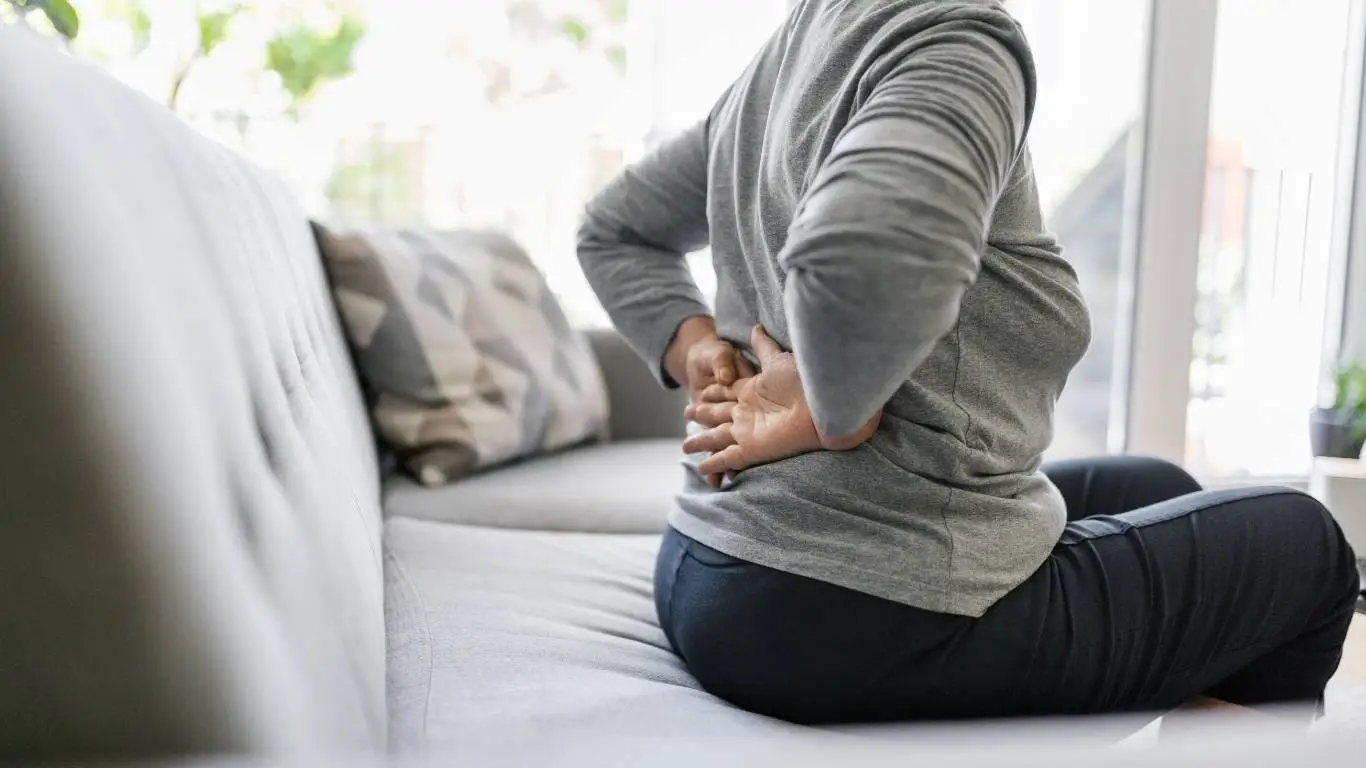
Correcting hyperlordosis isn’t about eliminating the curve — it’s about restoring balance between strength and flexibility. Dancers can incorporate specific exercises and awareness drills into their daily training.
Core and Glute Strengthening
A strong, engaged core supports the lumbar spine. Exercises like planks, dead bugs, and controlled pelvic tilts help counteract the forward tilt. Glute activation is equally important — weak glutes often leave the back muscles to do all the stabilizing work.
Hamstring and Hip Flexor Stretching
- Dynamic Hamstring Stretches: These reduce tension and improve leg extension range.
- Hip Flexor Openers: Lunges and kneeling stretches help realign pelvic positioning.
Postural Awareness in Class
Simply being aware of pelvic placement during movements can prevent worsening of the curvature. Teachers can encourage a “neutral spine” in certain positions to let the back muscles rest between demanding sequences. For more insights on safe training habits, the exercise, rehabilitation, and ergonomics section offers excellent professional guidance.
When to Seek Professional Help

Sometimes, even the most disciplined training adjustments aren’t enough. Persistent pain, limited mobility, or tingling sensations down the legs could indicate underlying structural issues. In these cases, a sports physiotherapist or orthopedic specialist familiar with dance-related conditions can be invaluable.
Resources like this main guide on back pain cover broader aspects of spinal health, but having someone assess your individual biomechanics is often the fastest way to make sustainable changes.
Diagnostic and Treatment Options
- Movement Analysis: Identifies specific muscle imbalances.
- Manual Therapy: Helps release overworked muscles and improve joint mobility.
- Pilates or Yoga: Targeted routines can retrain postural habits while maintaining flexibility.
Ultimately, maintaining a long ballet career — or even just enjoying the occasional adult ballet class without injury — comes down to balance. The elegance of a perfect arabesque shouldn’t come at the cost of spinal health, and with awareness, strength training, and professional guidance, hyperlordosis doesn’t have to be a dancer’s undoing.
When I first learned about hyperlordosis, I assumed fixing it meant giving up any movement that involved a dramatic back arch. But after speaking with a physiotherapist who worked with professional ballet companies, I realized it’s more about smarter training, not restriction. Ballet dancers can continue performing the same breathtaking moves, as long as they balance artistry with spinal care.
Advanced Conditioning for Ballet Dancers

Once dancers understand the mechanics of hyperlordosis, the next step is integrating advanced conditioning exercises. These target both the deep stabilizers of the spine and the larger muscle groups that support posture.
Pilates-Based Lumbar Support
Pilates is a staple in many professional dance programs because of its focus on core engagement, spinal articulation, and alignment. Moves like the “single leg stretch” and “spine stretch forward” can improve pelvic control without sacrificing flexibility.
Resistance Band Training
- Hip Abduction Exercises: Helps strengthen gluteus medius, reducing pelvic tilt.
- Standing Rows: Improves upper back stability and balances lower back strain.
Modifying Ballet Technique Without Losing Aesthetics

Small adjustments in technique can make a huge difference for dancers managing hyperlordosis. I’ve seen principal dancers adapt their posture slightly in certain poses, yet still maintain the elegance the audience expects.
Neutral Pelvis Training
Practicing combinations with a neutral pelvis during warm-ups can train the body to find alignment before moving into more extreme extensions. This also gives the lower back a “reset” during long rehearsals.
Selective Back Extension
Instead of defaulting to maximum extension in every pose, dancers can learn to vary their range depending on choreography demands. This intentionality preserves spinal health over time.
Cross-Training Benefits
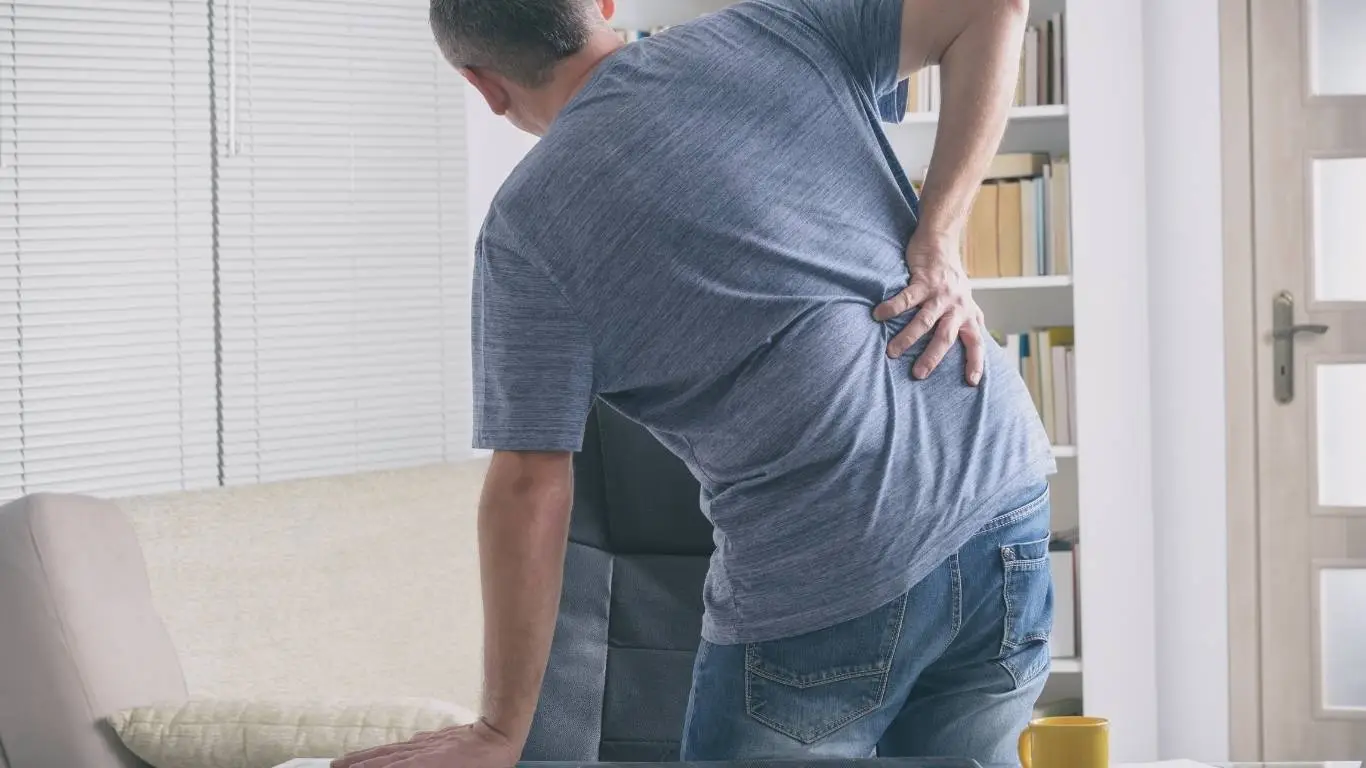
Cross-training offers a way to strengthen supportive muscles while reducing repetitive strain on the spine. According to Verywell Health, athletes who engage in complementary activities often experience fewer overuse injuries.
Recommended Activities
- Swimming: Low-impact and great for spinal decompression, especially after long rehearsals.
- Yoga: Encourages balanced flexibility and breath control without forcing extreme lumbar curves.
- Strength Training: Squats, deadlifts (with proper form), and overhead presses can create a more resilient frame.
Addressing Pain and Recovery

Even with preventive measures, flare-ups can happen. The key is knowing when to rest and how to recover efficiently. For example, dancers experiencing recurring discomfort might find relief through heat or cold therapy depending on the cause.
Active Recovery Methods
- Foam Rolling: Targets overactive spinal erectors and quadratus lumborum.
- Gentle Spinal Decompression: Using stability balls or supported hanging to ease pressure on discs.
- Breathwork: Practices like diaphragmatic breathing reduce spinal tension.
Mental and Emotional Aspects
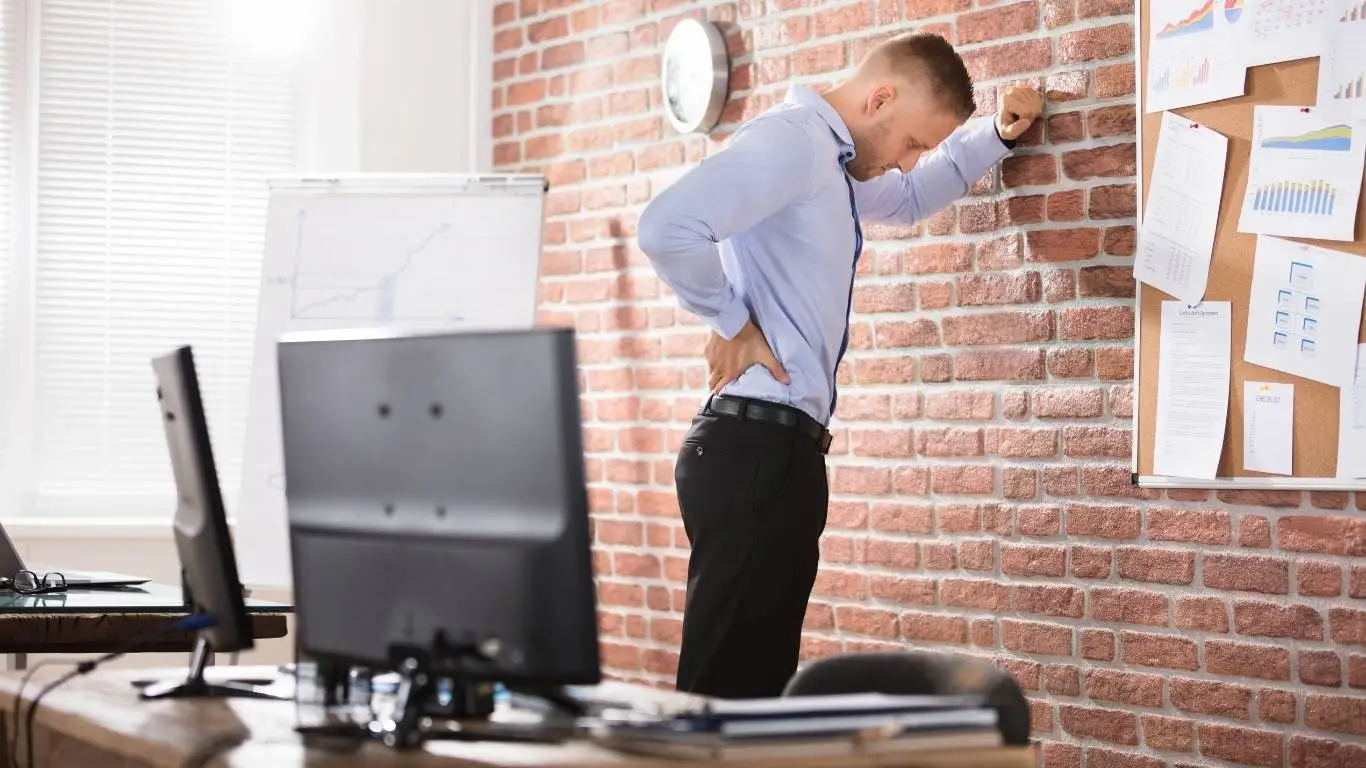
Back pain and posture issues aren’t just physical. They can be mentally exhausting, especially for dancers under constant performance pressure. Stress can increase muscle tension, making hyperlordosis symptoms worse. Engaging in mindfulness meditation for pain can help manage both discomfort and anxiety.
Professional Support and Long-Term Management

Dancers benefit greatly from working with professionals who understand both the artistic and athletic demands of ballet. From sports medicine doctors to movement coaches, building a strong support network ensures sustainable career longevity.
For broader guidance on posture, prevention, and ergonomics in active lifestyles, this resource offers in-depth strategies backed by expert insights.
When Surgery Becomes a Consideration
While rare, severe spinal issues related to hyperlordosis may require intervention. In such cases, minimally invasive options like microdiscectomy have helped some athletes return to full performance after rehabilitation.
At the end of the day, ballet dancers don’t have to choose between their art and their health. With a mindful approach, intelligent training, and a willingness to adapt, hyperlordosis can be managed — allowing the spine to support not just movement, but a lifetime of expression on and off the stage.

Camellia Wulansari is a dedicated Medical Assistant at a local clinic and a passionate health writer at Healthusias.com. With years of hands-on experience in patient care and a deep interest in preventive medicine, she bridges the gap between clinical knowledge and accessible health information. Camellia specializes in writing about digestive health, chronic conditions like GERD and hypertension, respiratory issues, and autoimmune diseases, aiming to empower readers with practical, easy-to-understand insights. When she’s not assisting patients or writing, you’ll find her enjoying quiet mornings with coffee and a medical journal in hand—or jamming to her favorite metal band, Lamb of God.