Surprising Benefits of Cold Showers for Anxiety You Shouldn’t Ignore
Cold showers and anxiety — I’ll admit, I used to think the idea sounded absurd. Splashing freezing water on myself when I was already on edge? No thanks. But after months of wrestling with relentless overthinking and that all-too-familiar tightness in my chest, I finally gave it a shot. Turns out, the benefits of cold showers for anxiety aren’t some wellness fad hype. They’ve quietly become one of my most reliable coping strategies, and I’m here to share why this surprisingly simple habit can help soothe an anxious mind in ways you wouldn’t expect.
Why Cold Showers Can Rewire an Anxious Brain

When anxiety hits, our sympathetic nervous system (aka fight-or-flight mode) kicks into overdrive. Cold exposure shocks the body, forcing it to regulate breathing and heart rate. This isn’t just anecdotal feel-good stuff — research from ncbi.nlm.nih.gov shows that brief cold exposure can significantly reduce cortisol levels (the stress hormone) while boosting norepinephrine, a neurotransmitter linked to mood regulation.
From personal experience, after about 30 seconds of icy water, my mind switches from racing thoughts to survival mode — it forces me to focus on the present, grounding me instantly. I now understand why cold therapy is often compared to mindfulness in action.
The Science of Cold-Induced Calmness
- Activates the Parasympathetic Nervous System: Cold showers promote a ‘rest and digest’ state, helping the body exit panic mode.
- Boosts Mood-Regulating Neurochemicals: Increases dopamine and norepinephrine levels, improving mental clarity.
- Interrupts Negative Thought Loops: The physical shock acts as a mental reset button during an anxiety spiral.
It’s worth reading more on the impact of overthinking on anxiety if you find yourself stuck in relentless mental chatter.
Cold Showers vs. Traditional Anxiety Remedies
Let’s be real — cold showers aren’t a magic cure-all, but they are a fantastic complement to other anxiety treatments. Unlike medication, they offer immediate physical feedback without side effects. And while cognitive behavioral therapy (CBT) is transformative (read this deep-dive on effective CBT steps for anxiety), it requires commitment and patience. Cold showers? They’re accessible, free, and deliver a noticeable shift in under five minutes.
How I Combined Cold Showers with My Anxiety Toolkit
- Morning Cold Showers: Kickstarted my day with a sense of control, reducing anticipatory anxiety before work.
- Pairing with Breathing Exercises: Practiced slow, controlled breathing under the cold stream, amplifying the calming effect. Here’s a guide on breathing exercises that really help.
- Emergency Anxiety Resets: On high-anxiety days, a quick cold shower acted as my emergency reset button.
Physical Benefits that Support Mental Wellbeing

One thing I didn’t expect? How much cold showers improved my physical energy, which in turn reduced my anxiety baseline. A sluggish body often translates to a sluggish mind. The invigorating jolt of cold water increased my alertness, reduced muscle tension, and even helped me sleep better at night — a trifecta for mental wellness. There’s solid evidence that cold exposure improves sleep quality, which we know plays a crucial role in anxiety management. Curious how poor sleep worsens anxiety? Check this article on anxiety-related sleep disturbances.
Unexpected Perks I Noticed
- Improved Resilience: The mental grit built from enduring cold showers carried over into handling stressful situations calmly.
- Better Mood Stability: My mood swings became less dramatic, possibly due to the dopamine surges after each session.
- Less Dependency on Stimulants: I found myself needing less caffeine to feel awake, which ironically reduced caffeine-induced anxiety.
Building a Cold Shower Routine for Anxiety Relief
Starting with cold showers doesn’t mean you need to go full Wim Hof on day one. Gradual exposure is key. Begin with a warm shower and switch to cold for the last 15-30 seconds. Trust me, your body adapts faster than you think. I personally followed a 7-day progression plan that made the process way less intimidating.
Beginner-Friendly Cold Shower Tips
- Day 1-2: End shower with 15 seconds of cold water, focusing on steady breathing.
- Day 3-5: Increase to 30 seconds, aiming to relax muscles instead of tensing up.
- Day 6-7: Extend to a full minute if comfortable, visualizing stress washing away.
On tough days, I also leaned on this guide for lifestyle self-help techniques for anxiety, combining cold showers with other calming routines.
When Cold Showers Aren’t Enough
While cold showers can be a powerful tool, they’re not a replacement for professional help if your anxiety feels unmanageable. There was a time when no amount of cold water could cut through the relentless chest tightness I was feeling. That’s when I turned to structured assessment and guidance. If you’re curious about comprehensive evaluation, here’s a solid resource on how anxiety disorders are diagnosed.
And if you suspect anxiety might be controlling more of your life than you realize, I highly recommend this in-depth article on how anxiety disorders can secretly dominate daily routines.
Common Mistakes to Avoid When Using Cold Showers for Anxiety

I wish someone had warned me about the rookie mistakes before I jumped into cold showers for anxiety. The first time I tried it, I blasted myself with freezing water for three straight minutes, thinking I had to ‘tough it out.’ Big mistake. Instead of calming me down, it left me shivering and more stressed. Here are a few pitfalls I learned to dodge:
- Going Too Cold, Too Soon: Start with mildly cool water and gradually work down. Shock therapy is not the goal.
- Holding Your Breath: It’s instinctive, but holding your breath triggers more anxiety. Focus on slow, rhythmic breathing.
- Skipping Warm-Up Showers: Jumping straight into cold water can be overwhelming. A warm-to-cold transition is far more manageable.
- Overdoing It: You don’t need 10-minute cold showers. Even a quick 1-2 minutes can deliver benefits without overtaxing your system.
If you’re curious about how certain mistakes can amplify anxiety symptoms, this guide on how overthinking drains daily joy is a must-read.
When is the Best Time to Take a Cold Shower for Anxiety?

I experimented with different times of day, and here’s what I found: mornings are best for preemptive anxiety control, while evenings work wonders for decompressing after a stressful day. But timing can be personal. Here’s a breakdown:
- Morning Showers: Great for reducing anticipatory anxiety, improving focus, and starting the day with mental clarity.
- Post-Work Decompression: A cold rinse after work helps release the tension accumulated throughout the day.
- Before Public Speaking or Social Events: A quick cold shower acts like a reset button, cutting through pre-event jitters.
If you struggle with performance anxiety, especially during public speaking, check out these performance anxiety strategies that work.
Cold Showers vs. Breathing Techniques: Why Not Both?
One of the most powerful shifts happened when I combined cold showers with structured breathing exercises. The cold shocks your body into heightened awareness, while breath control keeps your nervous system from tipping into panic. Together, they’re a one-two punch against anxiety attacks. I personally follow a simple routine:
- Start shower warm, then gradually turn cold.
- Inhale for 4 seconds, exhale for 6 seconds under the cold stream.
- Visualize anxiety ‘melting’ off as the water flows.
This guide on breathing techniques for anxiety relief offers methods you can practice alongside cold exposure for amplified benefits.
Additional Lifestyle Tweaks to Maximize Cold Shower Benefits
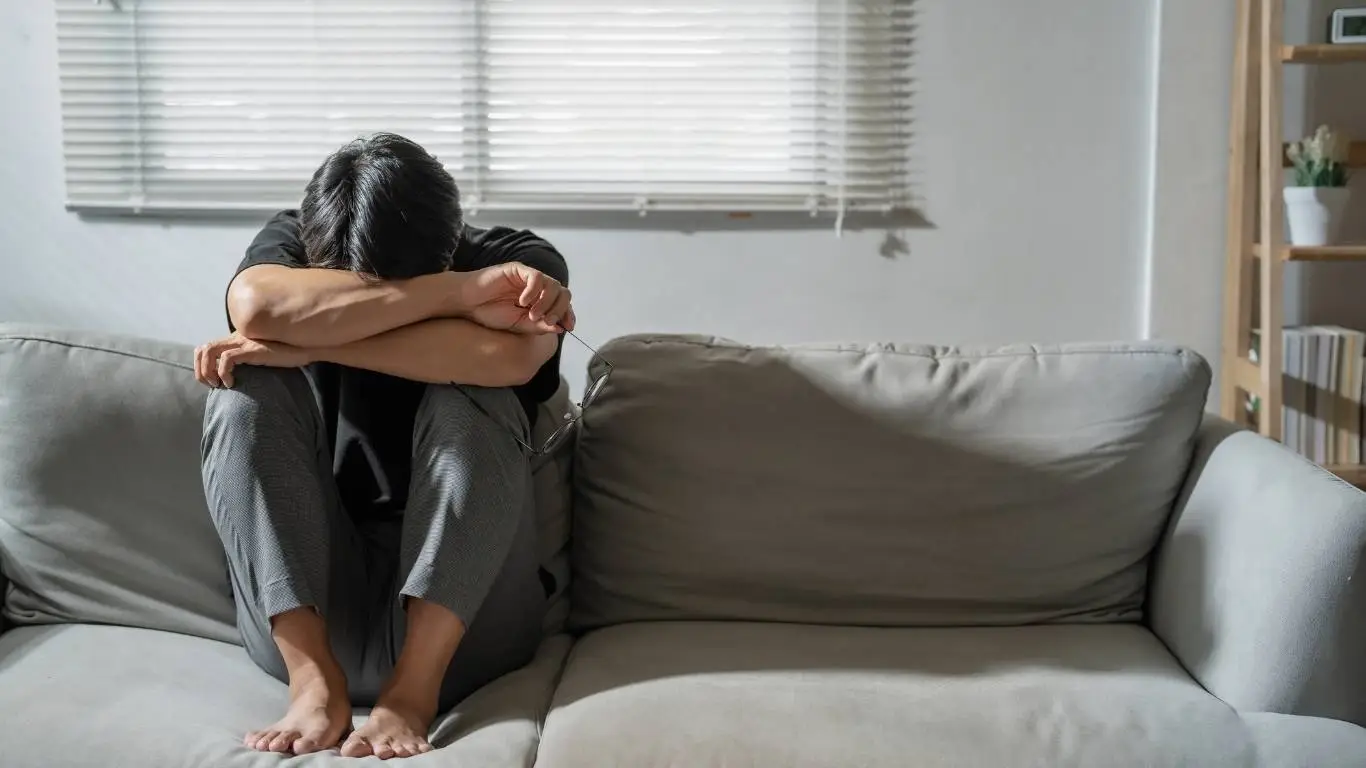
Cold showers are potent, but they work best as part of a bigger anxiety-management lifestyle. I noticed substantial improvements when I paired cold showers with a few other habits:
- Limiting Caffeine: Reducing coffee intake prevented unnecessary nervous energy that cold showers helped neutralize.
- Mindful Nutrition: Incorporating magnesium-rich foods kept my body balanced. Check out this guide on anxiety-calming foods.
- Quality Sleep: Improved sleep hygiene made my body more resilient to anxiety triggers.
- Movement Practices: Yoga and stretching complemented the cold showers by relaxing muscle tension.
For a more comprehensive approach, this resource on self-help lifestyle strategies for anxiety is invaluable.
Cold Showers as an Anchor During Anxiety Spirals

Perhaps the most profound benefit I discovered was how cold showers could anchor me during a full-blown anxiety spiral. There were times when no amount of deep breathing or positive self-talk could stop the intrusive thoughts from spiraling out of control. In those moments, a cold shower wasn’t just a routine — it was an emergency tool.
The physical jolt interrupts the mental feedback loop of anxiety. It’s not about “curing” anxiety but about regaining enough mental space to think clearly again. If you’ve ever experienced anxiety attacks that feel like they hijack your entire being, I’d highly recommend learning more about how unexpected panic attacks feel overwhelming and how to manage them.
Who Should Avoid Cold Showers for Anxiety?
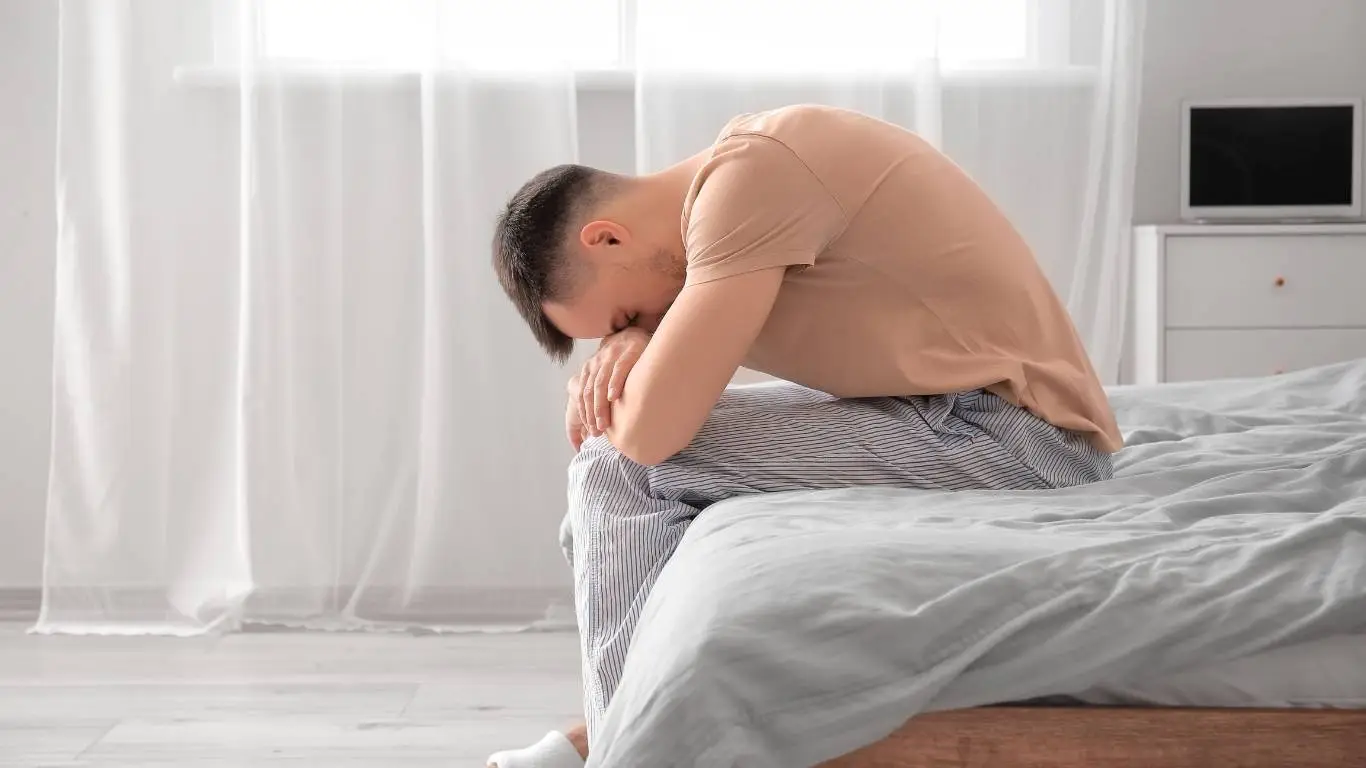
While cold showers are generally safe, they’re not suitable for everyone. If you have cardiovascular issues, respiratory conditions like asthma, or certain circulatory problems, consult a healthcare professional before diving in — literally. Also, if you have a trauma-related anxiety disorder, abrupt cold exposure could potentially be triggering. In these cases, gradual and controlled exposure, guided by a therapist, is recommended.
For a deeper look into comprehensive anxiety assessment methods, explore this guide on diagnosis and evaluation of anxiety disorders.

Camellia Wulansari is a dedicated Medical Assistant at a local clinic and a passionate health writer at Healthusias.com. With years of hands-on experience in patient care and a deep interest in preventive medicine, she bridges the gap between clinical knowledge and accessible health information. Camellia specializes in writing about digestive health, chronic conditions like GERD and hypertension, respiratory issues, and autoimmune diseases, aiming to empower readers with practical, easy-to-understand insights. When she’s not assisting patients or writing, you’ll find her enjoying quiet mornings with coffee and a medical journal in hand—or jamming to her favorite metal band, Lamb of God.