Best Eye Exercises For Reducing Floaters That Actually Work
If you’re like me and have ever found yourself staring at the sky or a bright screen only to be interrupted by those annoying squiggly shapes floating across your vision—welcome to the club. I remember the first time I noticed them, I blinked, rubbed my eyes, even splashed some water on my face thinking I was just tired. But they stuck around. Those little shadows are called eye floaters, and while they’re usually harmless, they can be irritating as hell. Over the past few years, I’ve explored just about everything to reduce them naturally—and eye exercises? Yep, they’ve surprisingly helped more than I expected.
Understanding Eye Floaters: A Quick Recap
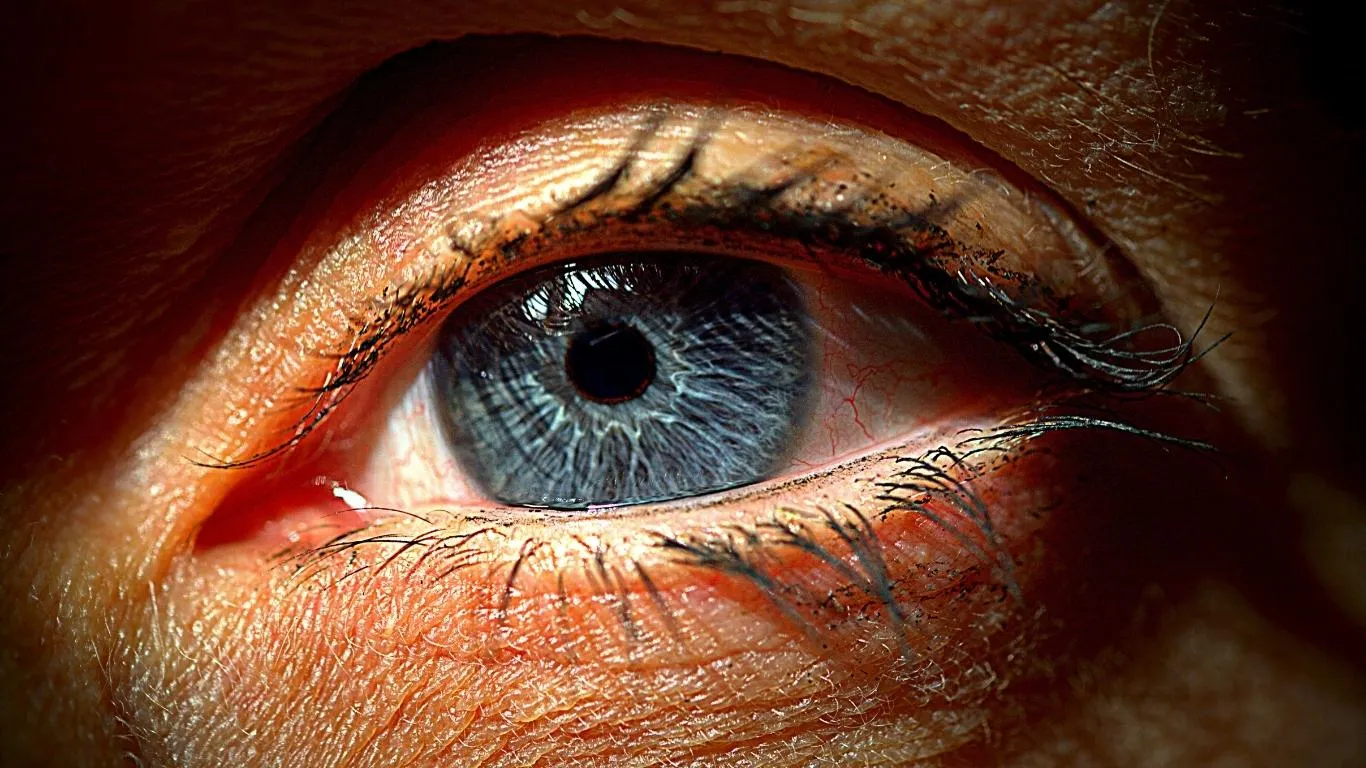
Before we dive into exercises, let’s just cover what these things are. Eye floaters are tiny fibers inside the vitreous—the gel-like substance in your eye—that clump together and cast shadows on your retina. They might look like cobwebs, strings, dots, or thread-like lines that move as your eyes move.
They become more common as we age and the vitreous starts to shrink or pull away from the retina. That process is called posterior vitreous detachment, and it’s one of the most common causes of floaters in adults.
While serious floaters might need professional intervention, the good news is that many of us can actually train our eyes to handle them better—or even reduce their impact—with targeted exercises.
Why Eye Exercises Help (and My Personal Story)
Let me be clear—no exercise will completely erase floaters, but what they can do is improve eye circulation, keep the muscles around your eyes flexible, and potentially help your brain adapt to their presence so you notice them less. When I added these exercises to my morning routine, not only did the floaters become less distracting, but my eyes just felt… lighter. Less strained. That alone made a big difference in my daily life.
And there’s science to back this. Good eye health often comes down to good circulation, hydration, and muscular support. Exercises target all three. Plus, we’re constantly overworking our eyes with screens, artificial lighting, and a lack of rest. Eye floaters may be a warning flag from our vision health saying, “Hey, slow down and take care of me.”
Best Eye Exercises for Reducing Floaters
1. Eye Rolling
Start simple. Roll your eyes slowly in a clockwise direction 10 times, then reverse. This helps with muscle flexibility and encourages fluid movement in the vitreous.
2. Near and Far Focusing
This one works wonders. Hold your thumb a few inches from your nose and focus on it for 10 seconds. Then shift your focus to an object at least 10-20 feet away for another 10 seconds. Repeat this 10 times. It’s basically yoga for your eyeballs.
3. Palming
Rub your hands together to create some warmth, then cup them over your closed eyes without pressing. Breathe deeply and relax for a minute or two. This relieves tension and encourages your eyes to rest and reset.
4. Blinking Patterns
Every 30 minutes, try doing a controlled blinking set: blink rapidly for a few seconds, then slowly, intentionally blink 10 times. This stimulates tear flow and helps flush micro debris from the eye’s surface.
5. Figure 8 Tracing
Pick a spot on the floor about 10 feet ahead and imagine a giant sideways 8 (∞). Trace it with your eyes slowly, then reverse. Do this for a minute or two. It’s great for improving coordination and focus.
Other Natural Strategies That Work Well Alongside Exercise
From personal experience, eye exercises work best when paired with a few lifestyle adjustments. A big one? Hydration. I found that even mild dehydration made my floaters more noticeable. Another? Nutrition. I started being more conscious of my omega-3 intake, got serious about leafy greens, and introduced lutein-rich foods into my meals.
- Omega-3 fatty acids: Support retinal health and help combat inflammation.
- Lutein and zeaxanthin: Found in spinach, kale, and eggs—protect the eyes from oxidative stress.
- Hydration: Keeps the vitreous fluid more gel-like and stable.
There’s also growing awareness of how stress can impact floaters. According to this insight on stress-induced floaters, elevated cortisol and tension might actually exacerbate visual disturbances. Ever noticed floaters becoming more obvious during periods of burnout? Yeah, me too.
When to See a Doctor
Here’s the thing—while exercises and lifestyle tweaks help, don’t ignore sudden changes in your vision. If floaters come on rapidly, are accompanied by flashes of light, or your peripheral vision starts to blur or fade, get medical attention immediately. These could signal a retinal tear or detachment, which requires urgent treatment.
Learn more about treatment options for serious floaters—including laser and surgical interventions—especially if exercises don’t bring much relief after consistent effort.
And if you’re curious about all the causes and connections behind floaters, including the latest research on genetics, inflammation, and visual strain, this comprehensive guide is a great place to start.
Do Eye Exercises Permanently Remove Floaters?
Let’s clear the air—no eye exercise permanently erases floaters. Anyone who promises that is probably selling something you shouldn’t buy. But here’s the thing: just because they don’t vanish doesn’t mean you’re stuck being distracted by them forever.
When I started doing exercises consistently, what really changed was how much they bothered me. They didn’t own my attention like before. In a way, your brain learns to tune them out, especially when your eyes become stronger, more relaxed, and less strained. This mental adaptation, known as neuroadaptation, is a game-changer and something many people overlook.
If you’re dealing with occasional floaters that shift around or fade in and out, exercises might be exactly what you need to take back control of your vision and your focus.
What to Avoid if You Want Eye Exercises to Work
Okay, here’s where things get real. You can do all the eye workouts in the world, but if you’re sabotaging your progress elsewhere, you’re spinning your wheels. Here are a few habits I had to ditch—or at least minimize—before the exercises started making a real impact:
- Excessive screen time: I used to think blue light glasses were a gimmick, but turns out reducing screen exposure helped my floaters chill out. Even better? Follow the 20-20-20 rule religiously.
- Rubbing your eyes: Huge mistake. Can cause micro trauma to the vitreous. Learn more about how eye rubbing may be damaging your vision.
- Skipping hydration: Floaters feel more pronounced when the eyes are dry and tired. Water might not “flush” floaters out, but it absolutely helps maintain the eye’s natural balance.
- Ignoring stress: High cortisol doesn’t just mess with your mood—it can intensify floaters. I started meditating for 10 minutes a day, and wow… instant difference.
If your lifestyle doesn’t support your eye health, even the best exercises can fall flat. Pair them with conscious daily habits and you’ll start to notice gradual, sustainable improvements.
Recommended Routine: Weekly Eye Exercise Plan
One of the mistakes I made early on was doing exercises sporadically. Consistency is key. So here’s a routine I built for myself that’s low-effort, easy to remember, and actually works when done daily.
- Monday to Friday:
- Morning: Eye rolls (2 mins), Near-Far focusing (3 mins)
- Afternoon: Blinking patterns (set a timer every 2 hrs)
- Evening: Palming and Figure 8 (5 mins)
- Weekends: Rest days or light sessions + warm compress
Tracking progress in a notebook actually helped me stick with it. I’d rate my eye comfort from 1–10 each day. Watching those numbers go up week after week was the motivation I needed to stay consistent.
Supplements That Complement Eye Exercises
Now, let’s talk support. I didn’t rely only on workouts—adding the right eye-supporting supplements made the difference more noticeable.
Here are the ones that worked for me (always consult your doc first, obviously):
- Vitamin C & E: Powerful antioxidants that protect eye tissues from oxidative stress.
- Lutein & Zeaxanthin: Already mentioned these, but worth repeating—they’re gold for eye health.
- Taurine: Helps with retinal function and might support vitreous clarity.
- Magnesium: Calms nerve responses and aids in visual relaxation.
If you’re dealing with floaters triggered by underlying conditions like inflammation or poor nutrition, a combination of exercise and supplements can create a solid defense system. Read more about those connections in this article on nutrition-related floaters.
Who Shouldn’t Rely Solely on Exercises?
This might go without saying, but let’s be real: eye floaters aren’t always benign. If you’ve got underlying medical conditions like diabetes-related vision problems, autoimmune conditions, or retinal disease, don’t treat floaters as just an annoyance. In those cases, exercises should be complementary—not your only line of defense.
Also, if you’re seeing what looks like a curtain coming down in your vision or a sudden storm of floaters with light flashes, get checked ASAP. These can be signs of retinal detachment, and time is everything in that situation.
Take Your Eye Health into Your Own Hands
Since making these changes, I’ve felt way more in control of my vision. No, the floaters aren’t totally gone, but they no longer dictate my mood or steal my attention. That, for me, is a huge win.
If you’re curious about more holistic approaches, including how floaters differ from other eye problems or when they might signal something deeper, check out this detailed guide on eye floaters vs other eye issues.
And for a full understanding of causes, symptoms, and all treatment paths (medical and natural), here’s the main deep-dive article that started it all: Eye Floaters: Causes, Symptoms, and Treatment Options.

Camellia Wulansari is a dedicated Medical Assistant at a local clinic and a passionate health writer at Healthusias.com. With years of hands-on experience in patient care and a deep interest in preventive medicine, she bridges the gap between clinical knowledge and accessible health information. Camellia specializes in writing about digestive health, chronic conditions like GERD and hypertension, respiratory issues, and autoimmune diseases, aiming to empower readers with practical, easy-to-understand insights. When she’s not assisting patients or writing, you’ll find her enjoying quiet mornings with coffee and a medical journal in hand—or jamming to her favorite metal band, Lamb of God.