Best GERD Treatments to Relieve Acid Reflux Fast and Effectively
As someone who’s dealt with occasional acid reflux myself, I totally get how overwhelming GERD can be. From the uncomfortable burning to the endless search for the right remedy, the struggle is real. But the good news? GERD isn’t unbeatable. With the right knowledge about treatments—from lifestyle tweaks to advanced medical interventions—you can manage it better than ever. Let’s walk through the latest and most effective GERD treatment options without all the overwhelming medical jargon.
Understanding GERD Treatments: What’s Available?

When I was first told by my doctor that I might have GERD, I honestly thought a few antacids would fix everything. Boy, was I wrong. GERD management goes far beyond occasional over-the-counter relief. Depending on your symptoms and their severity, treatment can involve simple dietary adjustments or even surgical procedures.
1. Lifestyle and Dietary Changes
Before diving into medications, most doctors suggest starting with lifestyle changes. It makes sense—why jump into pills if a few daily habits could keep GERD at bay?
- Weight management: Extra pounds, especially around the abdomen, can increase stomach pressure. Losing weight often reduces GERD symptoms significantly. (read more here)
- Elevating the bed head: This is a game changer. Propping up your bed can prevent acid from creeping up while you sleep. (see the guide)
- Avoiding trigger foods: Spicy meals, caffeine, alcohol—they can all stir trouble. Knowing your triggers is half the battle. (food list here)
2. Over-the-Counter GERD Medications
If tweaks alone don’t work, here’s where medication comes in. I remember hesitating to pop pills daily, but some meds really do make a difference when used wisely.
- Antacids: These neutralize stomach acid fast but offer short-term relief only.
- H2 Blockers: Like ranitidine and famotidine, they reduce acid production and are best for mild cases. You can find more info about these right here.
- Proton Pump Inhibitors (PPIs): My personal savior during a bad reflux phase—PPIs such as omeprazole and esomeprazole block acid production at its source. They’re super effective but not meant for forever use. Overusing them can bring risks like nutrient malabsorption, so always consult your doc. (full guide on PPIs)
Prescription Medications: When You Need Stronger Relief

If OTC meds fail or your GERD is severe, doctors may prescribe higher-dose PPIs or other potent options. These aren’t meant to be lifelong crutches but can provide relief while your body heals or adjusts to other changes.
Some newer medications focus on improving esophageal motility or strengthening the lower esophageal sphincter (LES), but these are usually reserved for complex cases.
Prokinetic Agents
These help your stomach empty faster, reducing the chance of acid backup. They’re not common first-line treatments but are considered when standard approaches don’t work.
Baclofen
This lesser-known drug can decrease the frequency of relaxations in the LES. It’s effective but comes with side effects like fatigue or dizziness, so it’s not used unless necessary.
Surgery for GERD: Is It Really Necessary?

Okay, surgery sounds scary—I thought so too—but for some folks, it’s the best way out of severe, unmanageable GERD. Surgery is usually considered when:
- Medications fail to control symptoms.
- Complications like Barrett’s esophagus arise.
- Quality of life drops significantly due to constant discomfort.
Nissen Fundoplication
The most common GERD surgery, where the top of the stomach is wrapped around the LES to make it stronger. Many patients see permanent relief—but surgery isn’t risk-free.
LINX Device
A newer, less invasive option where a magnetic ring is placed around the LES to prevent acid backflow. Quick recovery but not suitable for everyone.
Learn more about these procedures on Cleveland Clinic’s GERD Surgery Guide.
Exploring Alternative Treatments for GERD

Believe it or not, some people swear by herbal remedies or probiotics. While scientific backing is still limited, these can offer relief for mild symptoms:
- Probiotics: They help balance gut flora, possibly easing GERD symptoms. (see probiotic guide)
- Melatonin: Some evidence suggests this sleep hormone may support LES function and reduce nighttime GERD.
- Herbal remedies: Licorice root or slippery elm may form protective barriers in the esophagus.
But caution is key here—natural doesn’t always mean safe. Always check with a healthcare provider before trying alternative approaches.
For readers who want to explore lifestyle changes that work alongside medical treatments, check out our complete guide on lifestyle modifications for acid reflux.
Potential Side Effects of GERD Medications

Let’s be real for a moment. Medications for GERD are lifesavers, but they’re not perfect. I’ve personally dealt with the occasional side effects of these meds—nothing dramatic, but annoying enough to notice.
Take Proton Pump Inhibitors (PPIs), for example. They work wonders at reducing acid production, but long-term use may come with risks:
- Vitamin B12 deficiency: Less acid means less absorption.
- Increased risk of bone fractures: Especially for older folks.
- Possible gut infections: Because acid helps kill harmful bacteria.
H2 blockers, though milder, can also lead to side effects like headaches or constipation in some people. I once had to switch brands after constant bloating—so trust me, your body will tell you if something’s off.
It’s super important to avoid self-medicating long-term. Always discuss these risks with your healthcare provider or gastroenterologist. More on these concerns can be found in this guide to PPIs.
Is Surgery for GERD Worth Considering?

I’ll admit—just hearing the word “surgery” freaked me out at first. But for some folks, especially when GERD symptoms become unbearable or dangerous, surgical options are the ultimate relief. These aren’t extreme cases; everyday people like you and me sometimes need them.
One popular surgery is the Nissen fundoplication, where the top of the stomach is wrapped around the lower esophagus. This strengthens the LES and keeps acid from sneaking up. People who’ve done it report major life changes—better sleep, fewer meds, less worry after meals.
Another option is the LINX device. It’s a small magnetic ring placed around the esophagus. It opens to let food down but stays shut to stop acid reflux. Sounds sci-fi, right? But patients love its quick recovery and minimal discomfort.
Want to learn more about surgery options and outcomes? Check out this full surgical guide from Healthusias GERD Surgery Options.
Proton Pump Inhibitors (PPI): Friend or Foe?

Ah, PPIs—the double-edged sword of GERD treatment. Honestly, they were my savior during a nasty reflux flare-up. For many folks, these are the go-to fix when everything else fails.
How do they work? PPIs block acid production deep within the stomach lining. This helps reduce irritation and gives the esophagus time to heal. They’re recommended for:
- Severe heartburn unresponsive to other meds
- Confirmed cases of esophagitis
- Barrett’s esophagus prevention
But here’s the catch—long-term use can lead to complications, like increased risk of kidney disease or dementia (still debated, though). That’s why it’s vital to use PPIs under medical supervision only. Curious about safe use guidelines? Find expert tips in this medication guide.
When Lifestyle Changes Are Enough

You might not even need heavy meds or surgery if you nail down your daily routine. I can personally vouch for small changes making a big difference—like avoiding dinner too close to bedtime or cutting back on peppermint tea (sadly).
Simple But Powerful Adjustments:
- Eat smaller meals: Overloading the stomach leads to overflow—and acid reflux.
- Limit alcohol and coffee: As hard as it is, they loosen the LES muscle.
- Sleep on your left side: This position can reduce acid exposure to the esophagus. (sleep position guide here)
- Stay upright after meals: Gravity is your friend. Don’t lie down for at least 2 hours post-eating.
These small hacks often reduce symptoms so well that people skip meds entirely. Want to improve your reflux with smart daily habits? Explore this complete guide on GERD-friendly lifestyle changes.
Emerging Treatments: What’s on the Horizon?

The world of GERD treatment isn’t standing still. Researchers are cooking up some fascinating options that may change how we treat reflux in the future:
- Non-invasive endoscopic therapies: Procedures done via scope to tighten the LES without surgery. Less pain, quicker recovery.
- Personalized acid suppression therapy: Genetic testing to match meds to your body’s unique response.
- Stem cell treatments: Still experimental but may repair esophageal damage someday.
Though most of these are in clinical trials, they offer hope for folks who struggle despite meds, surgery, and lifestyle changes. Stay tuned to sites like NIDDK for the latest updates.
Interested in natural strategies while waiting for medical advances? Read about effective home remedies in this home remedy guide.
Natural Remedies and Home Approaches for GERD Relief
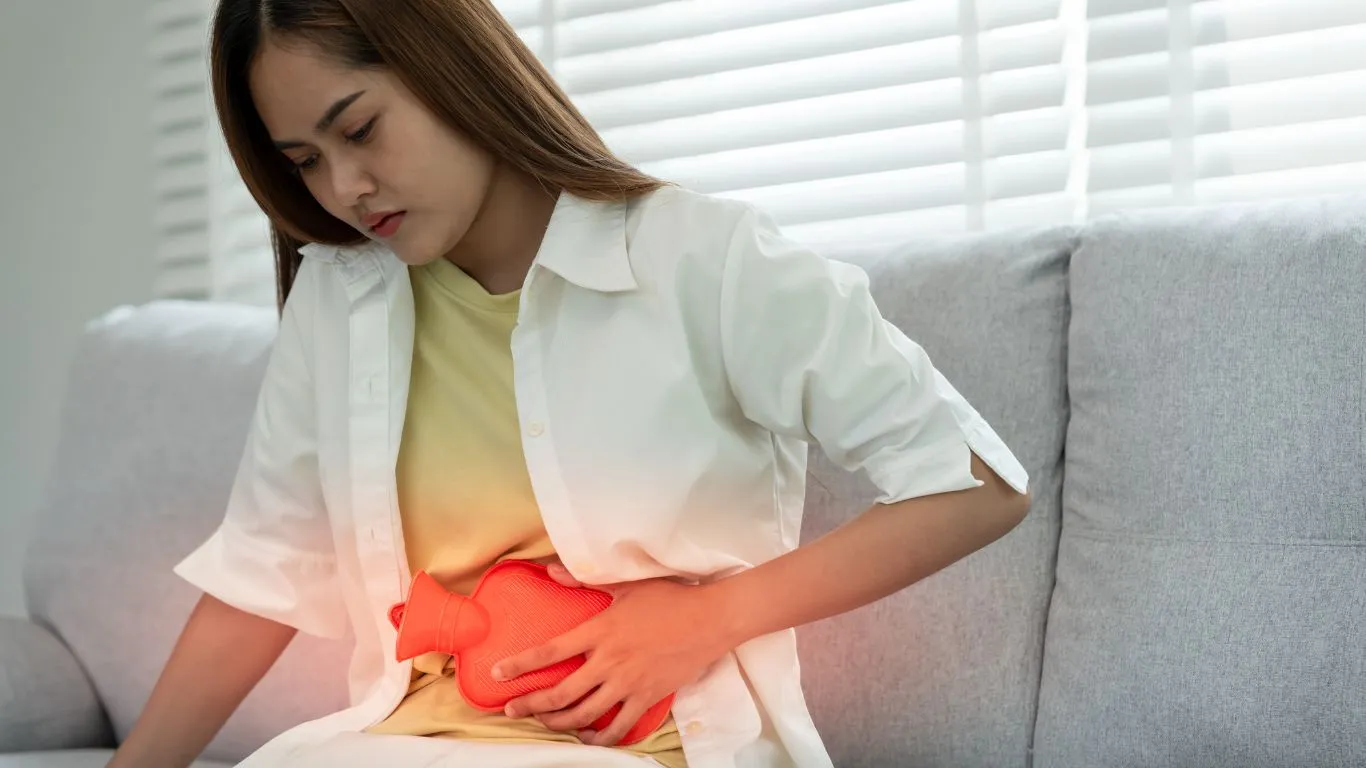
Not everyone wants to rely on prescriptions forever. I get that—I’ve been there too, googling late at night for anything that might calm the burn naturally. Some home remedies really can make a difference, especially when symptoms are mild or occasional.
Popular Natural Options Worth Trying:
- Aloe Vera Juice: Known for its soothing properties, aloe can reduce esophageal irritation. (learn more about aloe’s benefits here)
- Ginger: This spice isn’t just for nausea—it can also calm the stomach. Just avoid overdoing it, as too much can actually irritate.
- Licorice Root: DGL licorice may form a protective barrier against acid. Studies show it can reduce symptoms without suppressing acid production. (read about licorice root remedies)
- Slippery Elm: An old herbal remedy that coats the esophagus and helps reduce discomfort.
These natural helpers may not replace medical treatments for everyone, but they can complement other therapies—especially if you’re focusing on holistic healing or reducing medication dependence.
Foods That Help (and Hurt) When You Have GERD
Honestly, diet changes made the biggest difference in my own GERD journey. What you eat matters—a lot. Some foods soothe the stomach; others stir up misery.
Foods to Embrace:
- Oatmeal
- Bananas
- Rice (especially brown)
- Lean poultry and fish
- Low-fat yogurt (for some, but not all)
Check this rice guide for GERD sufferers—it explains which rice types work best.
Foods to Limit or Avoid:
- Spicy dishes (sadly, I had to ditch my favorite chili noodles)
- Tomato-based sauces
- Fried or fatty foods
- Caffeine (yes, even your morning coffee)
- Chocolate (devastating, I know)
Want a complete list of GERD triggers? Don’t miss this guide on what to avoid for acid reflux relief.
What Happens if GERD is Left Untreated?
Some people shrug off GERD symptoms thinking they’re just part of life. Big mistake. Long-term, untreated GERD can lead to serious complications:
- Esophagitis: Chronic inflammation of the esophagus lining.
- Strictures: Scar tissue narrowing the esophagus, causing swallowing problems.
- Barrett’s Esophagus: A precancerous condition from repeated acid exposure.
These risks highlight why early management matters. For more detail on GERD complications, visit this comprehensive risks guide.
When Should You See a Specialist?

For mild symptoms, your regular doctor may be enough. But certain red flags mean it’s time to call in a gastroenterologist:
- Severe or worsening heartburn
- Difficulty swallowing
- Unexplained weight loss
- Frequent vomiting
- Symptoms despite maximum medical therapy
Don’t ignore these signs. A simple upper endoscopy could reveal the root of the problem. Read how GERD is properly diagnosed in this detailed diagnostic guide.
Key Takeaways for Managing GERD Effectively

So, what’s the best approach? Honestly—it depends on you. For some, simple diet changes and elevation at night fix things. For others (like me, at my worst reflux moments), meds like PPIs were non-negotiable for relief. A few people may even need surgery to find lasting comfort.
Here’s a quick recap:
- Start with lifestyle and dietary tweaks—they can work wonders.
- Use medications wisely and under supervision (no DIY prolonged PPI use!).
- Consider surgery if all else fails, but only after medical advice.
- Watch for complications like esophagitis or Barrett’s esophagus.
- Natural remedies can help—but they’re supplements, not replacements.
And don’t forget: managing GERD isn’t about quick fixes. It’s a long game of listening to your body, adjusting your habits, and staying informed. Need daily tips for relief? Check our dedicated long-term GERD management guide.
If you’re serious about keeping acid reflux away naturally, you’ll also enjoy these GERD-safe snacks for any time of day: browse our snack list here.

Camellia Wulansari is a dedicated Medical Assistant at a local clinic and a passionate health writer at Healthusias.com. With years of hands-on experience in patient care and a deep interest in preventive medicine, she bridges the gap between clinical knowledge and accessible health information. Camellia specializes in writing about digestive health, chronic conditions like GERD and hypertension, respiratory issues, and autoimmune diseases, aiming to empower readers with practical, easy-to-understand insights. When she’s not assisting patients or writing, you’ll find her enjoying quiet mornings with coffee and a medical journal in hand—or jamming to her favorite metal band, Lamb of God.