Bone Spurs on Spine and Nerve Pain Can Quietly Ruin Your Life
For years, I brushed off the nagging discomfort that crept along my spine. I chalked it up to poor posture, age, or too much time spent at my desk. But then came the sharper jolts—those nerve-like zaps that shot down my leg whenever I stood for too long or shifted a certain way. Eventually, I discovered something I hadn’t even heard of before: bone spurs on the spine. And the way they affect nearby nerves? Let’s just say it’s not something to ignore.
What Are Bone Spurs on the Spine?

Bone spurs—also called osteophytes—are tiny, bony growths that your body develops over time. They’re the result of wear and tear on your joints and spinal discs, often due to aging or conditions like osteoarthritis. While the term “spur” might make them sound sharp or spiky, they’re usually smooth. The real issue isn’t the spur itself—it’s where it forms and how it interacts with surrounding structures, especially nerves.
Why They Form
- Degeneration of spinal discs from years of use
- Chronic inflammation from arthritis
- Past injuries to the spine
- Postural imbalances and repetitive strain
As your discs shrink and your vertebrae move closer together, your body tries to “reinforce” the area by growing extra bone. Helpful in theory—but problematic when it crowds your spinal cord or nerve roots.
How Bone Spurs Cause Nerve Pain
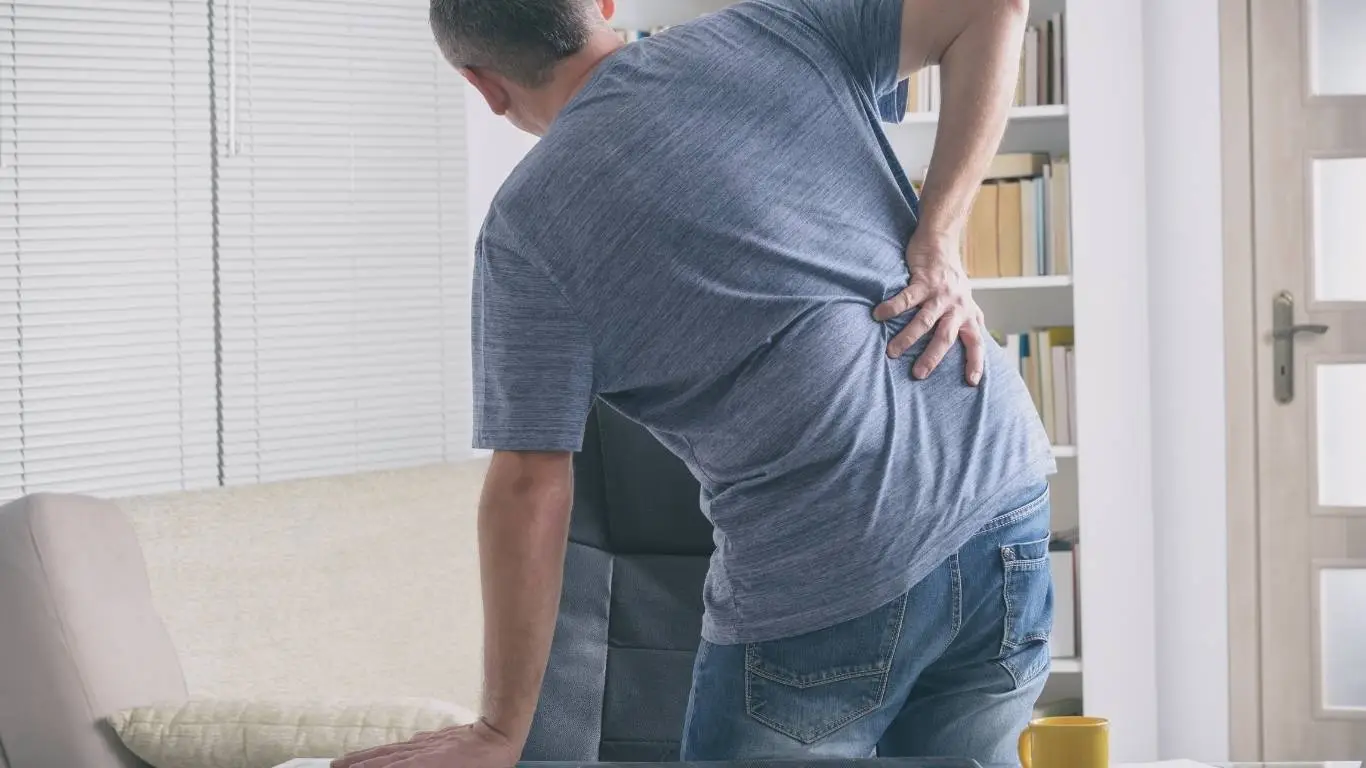
Not every bone spur causes problems. But when they form in sensitive areas like the cervical (neck), thoracic (mid-back), or lumbar (lower back) spine, they can press directly on nerves. This is where the trouble starts. I remember waking up with numb fingers and sharp zaps running down my arm—classic signs of nerve compression in the neck.
Signs You’re Dealing with Nerve Pain
- Shooting or burning pain down arms or legs
- Numbness or tingling in extremities
- Muscle weakness or frequent cramping
- Pain that worsens when standing, walking, or changing positions
Depending on where the spur is, the symptoms can mimic sciatica, carpal tunnel, or even a herniated disc. In fact, if you’re wondering how to differentiate between them, this guide on sciatica and back pain is incredibly helpful.
The Cervical Spine: Neck Spurs and Nerve Trouble

Bone spurs in the neck (cervical spine) can cause a unique set of problems. If you’ve ever had neck stiffness combined with numbness in your hands or fingers, chances are your nerves are involved. Cervical radiculopathy is the technical term, and it often flies under the radar.
Everyday Symptoms to Watch
- Stiff neck with limited range of motion
- Pain radiating into the shoulders or arms
- Loss of grip strength or coordination
This isn’t just “sleeping funny” on your neck—it’s deeper than that. Here’s an article that breaks it down: Thoracic spine pain diagnosis.
Lower Back Spurs: The Lumbar Nerve Trap

My own experience with lumbar bone spurs was far from subtle. It started with occasional backaches but eventually progressed to full-blown nerve pain radiating down my leg. Turns out, the bone spur was compressing my sciatic nerve—a classic cause of lumbar radiculopathy.
Common Nerve-Related Lumbar Symptoms
- Burning or stabbing pain in the lower back
- Radiation of pain into the buttocks or legs
- Foot drop or difficulty walking
- Increased pain when sitting or bending forward
The crazy part is, many people with these symptoms get misdiagnosed—or worse, they get no diagnosis at all for years. This is where imaging like MRI or CT scans can help. According to the experts at Mayo Clinic and Cleveland Clinic, these tools are essential to identify the real cause behind the pain.
Treatment Options That Actually Help

Once you identify bone spurs as the culprit, the focus shifts to relief. And the good news? Surgery isn’t the first line of defense.
Conservative Treatments That Work
- Physical therapy to improve alignment and mobility
- Yoga and stretching to ease nerve pressure
- Anti-inflammatory medications or steroid injections
- Massage therapy, acupuncture, and chiropractic care
- Omega-3s and anti-inflammatory diets to reduce systemic inflammation
Don’t overlook the role of ergonomics either. For me, something as simple as switching to a more ergonomic office chair made a noticeable difference.
When Surgery Becomes Necessary

Sometimes, despite your best efforts, conservative care doesn’t do the trick. When nerve pain becomes chronic or debilitating, procedures like a microdiscectomy or spinal fusion might be recommended to relieve pressure. The key is finding a spine specialist who understands the mechanics of both your bone spurs and nerve symptoms.
If you’re looking to explore the bigger picture on how spine structure impacts your health, take a deeper dive into the types and anatomy of back pain—it’s an eye-opener. And for a more comprehensive guide, don’t miss the main overview on back pain causes and treatments.
Recovery Isn’t Linear: Managing Setbacks and Progress

If there’s one thing I’ve learned, it’s that progress with bone spurs on the spine—especially when nerves are involved—isn’t a straight path. One week, I’d feel nearly normal again; the next, I’d wake up with the same shooting pain after doing something as minor as sitting too long or lifting my kid wrong.
Truth is, setbacks are common. But they don’t mean you’re broken or that your treatment plan isn’t working. They’re part of the healing process. Learning how to manage these ups and downs with patience made a massive difference for me.
What Helped Me Stay on Track
- Tracking flare-ups in a simple journal (it helped me connect triggers like weather, sleep, or stress)
- Using a TENS unit on tough days to calm the nerves
- Switching from intensity-focused workouts to controlled movement like Pilates and walking
- Accepting rest days without guilt
This article on coping strategies for chronic pain dives deeper into these tools and more.
Emotional Impact of Chronic Nerve Pain

No one really prepares you for the emotional rollercoaster of chronic pain. At first, I felt like I had to “tough it out.” But after months of sleepless nights and plans canceled because I couldn’t move without wincing, it wasn’t just my back that hurt—it was my mindset.
Turns out, there’s a real connection between persistent pain and mental health. Anxiety about when the next flare-up would hit, frustration at not being able to work or socialize normally, even depression—it’s all part of the picture. And it’s not weakness. It’s physiology.
What Helped Ease the Mental Load
- Mindfulness-based stress reduction techniques
- CBT for reframing how I relate to my pain
- Talking to others who “get it”—whether online or in small pain management support groups
- Guided breathing or meditation sessions before bed
I also found value in this guide on how back pain and depression quietly intertwine. It gave language to what I was going through.
Back to Basics: Daily Habits That Relieve Pressure

The long-term game with bone spurs and nerve pain isn’t just about treatment—it’s about changing your environment, your posture, and your habits. The tiniest adjustments added up to real gains for me.
Back-Friendly Daily Tweaks
- Switching to a standing desk at work (with an anti-fatigue mat)
- Learning to brace my core before lifting groceries or my toddler
- Sleeping with a knee pillow for spinal alignment
- Wearing supportive footwear and using lumbar cushions when driving
This breakdown on footwear and back pain opened my eyes—turns out my casual slip-ons weren’t helping my posture at all.
Nutrition and Supplements: Fueling Spine Health from Within

I was skeptical about nutrition at first. Could what I eat really change my back pain? But after reading up and experimenting a bit, I started to notice less morning stiffness and better recovery after workouts.
What Worked for Me
- Turmeric supplements (with black pepper extract for absorption)
- Omega-3s from flaxseed and fish oil
- Vitamin D to support bone and immune health
- Whole anti-inflammatory diet with greens, berries, and nuts
Now, I’m not saying supplements are magic pills. But when combined with physical care and lifestyle changes, they’ve definitely helped reduce overall inflammation. This approach is backed by institutions like Johns Hopkins Medicine who also emphasize a holistic spine health strategy.
Knowing When to Ask for Help

It took me far too long to see a spine specialist. I kept thinking, “It’s not that bad,” or “It’ll go away on its own.” If that sounds like you—please, learn from my mistake. If your nerve pain doesn’t improve within a few weeks of conservative care, or it gets worse, it’s time to talk to someone who deals with this every day.
Don’t wait until things spiral. Look for a provider who not only listens, but also explains your imaging results clearly, outlines your options (not just surgery), and customizes a treatment plan for your lifestyle.
Resources Worth Exploring

- Want to dive into anatomy and related pain types? Check out this visual guide to spinal structures.
- For the full spectrum of causes, treatments, and prevention methods, the back pain main pillar article is a must-read.

Camellia Wulansari is a dedicated Medical Assistant at a local clinic and a passionate health writer at Healthusias.com. With years of hands-on experience in patient care and a deep interest in preventive medicine, she bridges the gap between clinical knowledge and accessible health information. Camellia specializes in writing about digestive health, chronic conditions like GERD and hypertension, respiratory issues, and autoimmune diseases, aiming to empower readers with practical, easy-to-understand insights. When she’s not assisting patients or writing, you’ll find her enjoying quiet mornings with coffee and a medical journal in hand—or jamming to her favorite metal band, Lamb of God.