Strengthen Your Lower Back Fast with Bosu Ball Dynamic Control Exercises
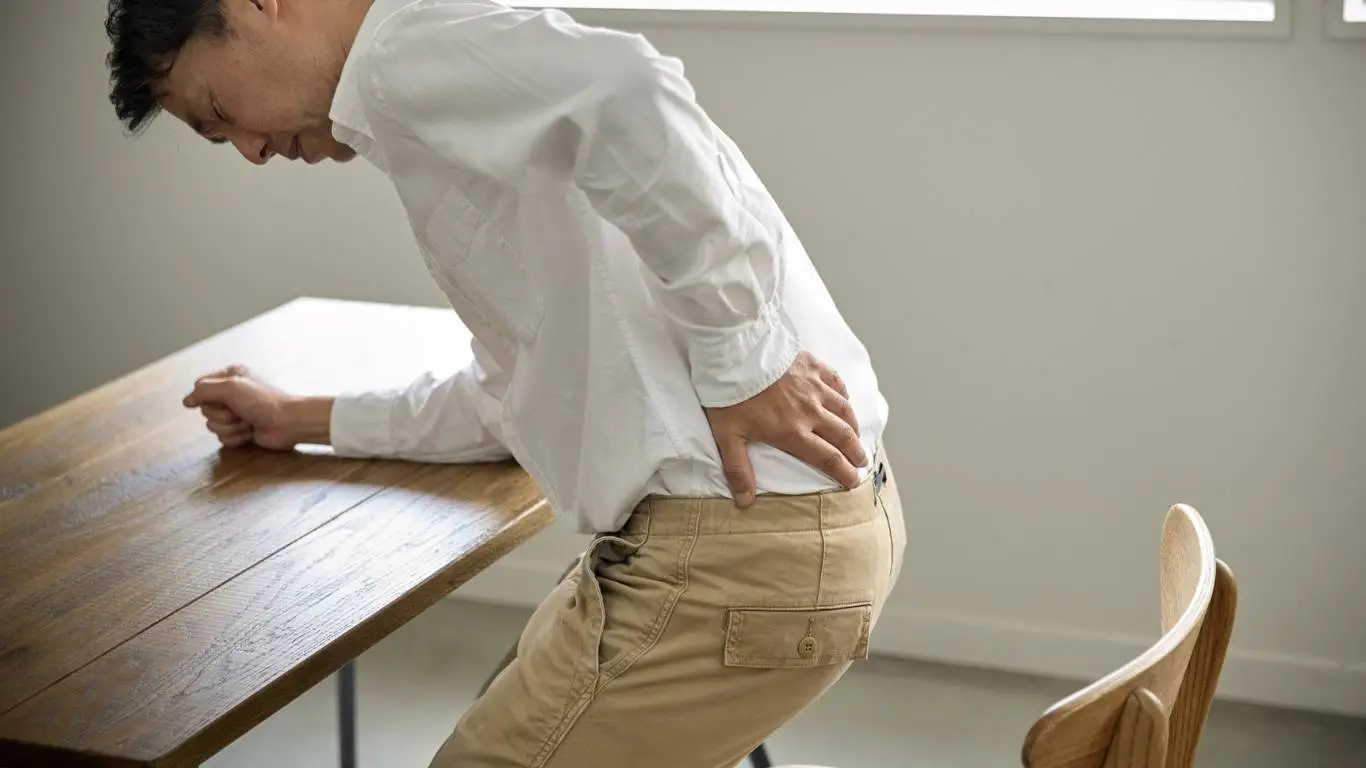
If you’re anything like me, sitting for long hours at a desk feels like a ticking time bomb for your lower back. I’ve been there, struggling with constant stiffness and an annoying ache that seems to creep in after just a few hours. After trying countless stretches and rehab programs, I discovered something that truly made a difference: Bosu ball exercises for dynamic lumbar control. And let me tell you, it’s a game changer.
What is Dynamic Lumbar Control and Why Does it Matter?

Dynamic lumbar control refers to your core’s ability to stabilize and protect the lower back during movement. Unlike static planks or isolated stretches, dynamic control engages your deep core muscles in real-life functional motions. This is exactly where the Bosu ball shines — it adds an unstable surface that forces your lumbar region to adapt, balance, and strengthen in ways a flat floor simply can’t.
According to Spine-Health, improving dynamic stability in the lumbar spine reduces the risk of chronic lower back pain and supports overall spinal health.
Why I Swear by Bosu Ball for Lower Back Rehab

I’ll be honest, I was skeptical at first. The Bosu ball looked like a glorified half-exercise ball. But the first time I tried a simple bridge on it, I realized how much my core was slacking. Every tiny shift forced my abs and glutes to work together to stabilize my lower back. After a few weeks of incorporating Bosu routines into my rehab, the persistent lower back tightness I had from sitting all day started easing up.
If you’re dealing with posture-related back pain, this tool is worth a shot. The instability challenges your core in a way that translates directly to daily activities — standing, bending, lifting, even sitting upright.
Essential Bosu Ball Exercises for Lumbar Stability

Here are a few Bosu ball exercises that I found incredibly effective for enhancing lumbar control:
1. Bosu Glute Bridges
- Lie on your back with your feet flat on the Bosu dome.
- Engage your glutes and lift your hips until your body forms a straight line.
- Hold for 3 seconds at the top, keeping your core tight.
- Do 3 sets of 12 reps.
2. Bosu Bird Dogs
- Kneel with your hands on the Bosu dome, knees on the floor.
- Extend your opposite arm and leg slowly while maintaining balance.
- Return to starting position and alternate sides.
- Aim for 2 sets of 10 reps per side.
3. Seated Core Rotations
- Sit on top of the Bosu dome with your feet off the floor.
- Hold a light weight or a medicine ball.
- Twist your torso slowly from side to side.
- Control the movement; don’t rush. Complete 3 sets of 15 twists.
These exercises not only enhance lumbar control but also build better coordination between your core, glutes, and back extensors. For a deeper dive into functional rehabilitation, the article on exercise rehabilitation & ergonomics breaks down more strategies that complement Bosu training.
How Bosu Ball Training Prevents Common Back Pain Triggers

One of the major causes of back pain flare-ups is poor core engagement during physical activity. Whether it’s lifting groceries or simply bending to tie your shoes, lack of dynamic control can strain your lower back. Bosu training reprograms your body to stabilize during these everyday tasks.
Here’s why it’s effective:
- Proprioceptive Feedback: The Bosu ball forces your body to respond to shifts, enhancing joint awareness.
- Muscle Synergy: It engages multiple muscle groups simultaneously, teaching them to work in unison.
- Spinal Alignment Reinforcement: Your core and back muscles constantly adapt to maintain a neutral spine during exercises.
By integrating these movements into my weekly routine, I noticed less strain during activities that used to irritate my back. It’s not a magic fix, but it builds a resilient foundation that protects your spine in the long run.
Pairing Bosu Workouts with Lifestyle Adjustments

Exercise alone isn’t enough if you’re sabotaging your back with poor habits. I learned this the hard way after months of progress that got derailed by long hours hunched over my laptop. Simple tweaks, like adjusting my workspace ergonomics and adding micro-breaks for standing stretches, made a noticeable difference. The guide on prolonged sitting and spine health offers practical tips that I found extremely useful.
Don’t overlook the role of recovery either. Incorporating strategies like proper hydration, using lumbar support cushions, and even mindfulness techniques can amplify the benefits of your Bosu workouts. For a holistic approach, I often refer to Healthusias’ main back pain resource hub which is packed with insights that go beyond just exercises.
Common Mistakes People Make with Bosu Ball Back Exercises

Now, I’ll admit it — when I first started using the Bosu ball, I made every rookie mistake in the book. It’s easy to get caught up in the hype and overdo things. One of the biggest errors? Trying advanced movements without mastering the basics. The Bosu ball is not about flashy Instagram workouts; it’s about control and precision.
Here are the mistakes I personally stumbled through (so you don’t have to):
- Neglecting Core Engagement: Simply balancing on the Bosu isn’t enough. You need to actively engage your deep abdominal muscles.
- Rushing Through Reps: Quality over quantity. Slow, controlled movements are what fire up those stabilizers.
- Poor Foot Positioning: Placing feet too wide or too narrow throws off alignment, stressing your lower back.
- Skipping Warm-ups: Jumping straight into Bosu workouts with cold muscles? Been there, regretted that. A dynamic warm-up is non-negotiable.
If you’re new to balance training, this guide on safe back-friendly workout techniques will help you ease into these routines without risking injury.
Progressive Bosu Ball Routines to Level Up Your Lumbar Strength

Once you nail the fundamentals, it’s time to step up the challenge. Progression is key to continuous improvement and long-term relief from nagging back issues. I gradually transitioned from static holds to dynamic, multi-planar movements that mimic real-life activities.
Advanced Moves That Elevated My Back Health:
- Single-leg Deadlifts on Bosu: Ultimate test of balance and core-lumbar coordination.
- Plank Knee Tucks: Place your hands on the Bosu dome and bring your knees toward your chest while maintaining spine neutrality.
- Rotational Medicine Ball Throws: Standing on the Bosu, rotate and toss a light medicine ball against a wall. This improves rotational control and lumbar resilience.
Keep in mind, these are not beginner-friendly. Work your way up. And if you ever feel sharp discomfort (the bad kind), pause. Consult a professional. Articles like this sciatica vs back pain comparison are excellent resources to understand warning signs during workouts.
Combining Bosu Ball Exercises with Other Core Stability Techniques

While the Bosu ball has been my go-to, I’ve found that blending it with other core strengthening methods creates the best results. Think of it like cross-training for your spine. Pilates, for instance, emphasizes controlled, low-impact movements that synergize beautifully with Bosu routines. I also started adding specific yoga poses for back tension relief, which made my recovery feel smoother.
Another gem I stumbled upon was using a balance disc for seated lumbar activation on office chairs. These micro-adjustments during sedentary tasks help reinforce the dynamic control I build during Bosu sessions.
Who Should Avoid Bosu Ball Back Exercises?

As much as I love the Bosu, I’ll be the first to admit — it’s not for everyone, at least not right away. If you’re currently dealing with acute back injuries, nerve impingements, or severe mobility restrictions, attempting unstable surface exercises could worsen your symptoms. In these cases, it’s best to stick with guided rehabilitation protocols, like those discussed in this symptoms & diagnosis resource.
Always consult with a physical therapist if you’re uncertain. Trust me, a little professional input can save you from weeks of discomfort.
Takeaway: Why Bosu Ball Training Deserves a Spot in Your Back Care Toolkit

After experimenting with countless back pain solutions, Bosu ball exercises have earned a permanent place in my weekly routine. They’re simple yet incredibly effective for training dynamic lumbar control — a foundational skill that protects your spine during daily activities.
If you’re serious about fortifying your lower back and want to break free from the stiffness that comes with sedentary life, start incorporating these Bosu routines. Combined with proper ergonomics, mobility work, and lifestyle tweaks, they can significantly improve your quality of life.
For a deeper understanding of how core stability intersects with spinal health, check out this comprehensive anatomy and types of back pain guide. It’s one of the most thorough breakdowns I’ve found on how different back structures contribute to pain patterns.
Additionally, Healthusias has an excellent main resource on back pain management strategies that ties together exercises, ergonomics, mental health, and more.

Camellia Wulansari is a dedicated Medical Assistant at a local clinic and a passionate health writer at Healthusias.com. With years of hands-on experience in patient care and a deep interest in preventive medicine, she bridges the gap between clinical knowledge and accessible health information. Camellia specializes in writing about digestive health, chronic conditions like GERD and hypertension, respiratory issues, and autoimmune diseases, aiming to empower readers with practical, easy-to-understand insights. When she’s not assisting patients or writing, you’ll find her enjoying quiet mornings with coffee and a medical journal in hand—or jamming to her favorite metal band, Lamb of God.