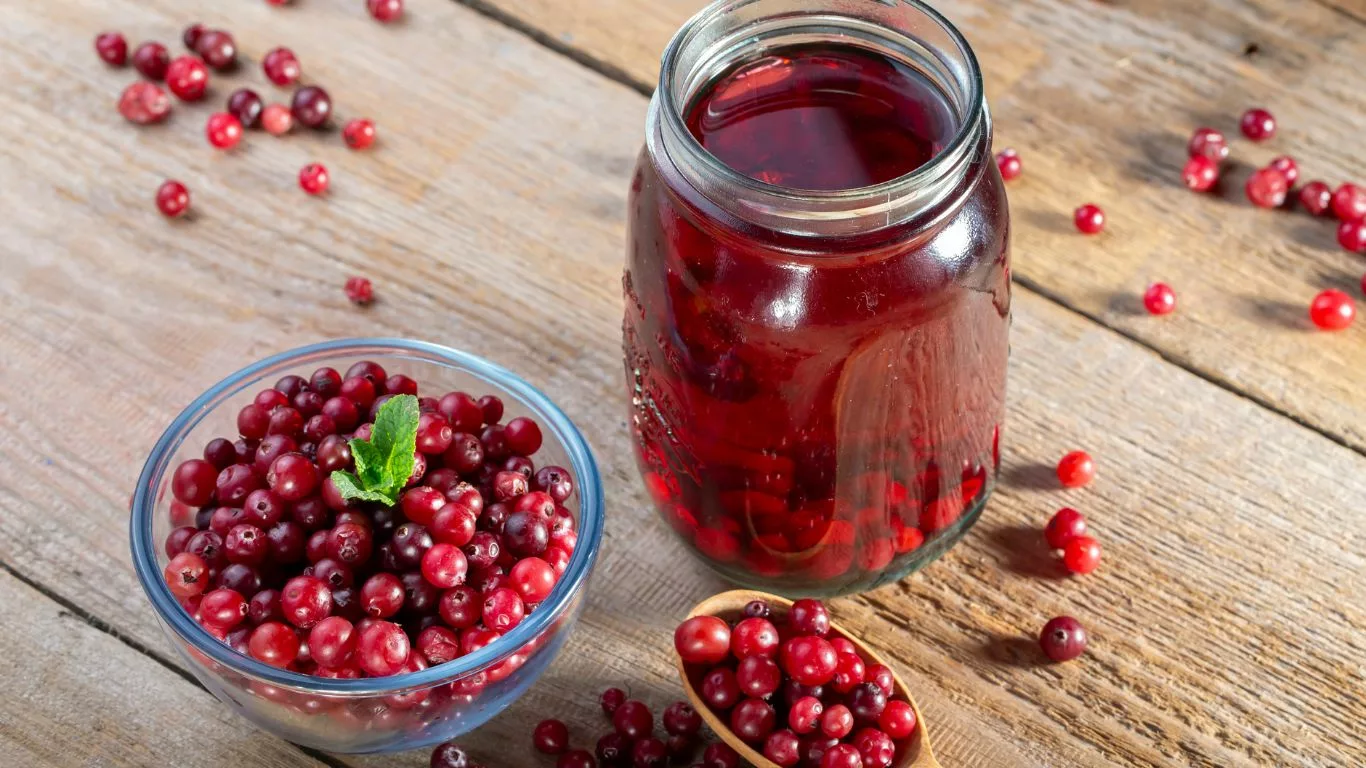
Can Cranberry Juice Help with Acid Reflux? A Look at Its Pros and Cons
Cranberry juice is one of those drinks that seems like it should be healthy across the board. It’s packed with antioxidants, supports urinary tract health, and has a sharp, refreshing flavor. But when you have acid reflux, every sip matters—and that tartness might not be as innocent as it tastes. So, can cranberry juice actually help with acid reflux—or is it more likely to trigger symptoms?
The Problem with Acidic Juices and GERD

Gastroesophageal reflux disease (GERD) is a condition where acid from the stomach travels upward into the esophagus. When that lining gets irritated repeatedly, it leads to heartburn, chest pain, regurgitation, and chronic inflammation. While many people focus on what not to eat, what you drink can be just as important.
Acidic beverages—like citrus juice, tomato-based drinks, and yes, cranberry juice—are commonly listed as triggers. But the reality is more nuanced. Not everyone reacts the same way to the same drinks, and with the right approach, even cranberry juice might have a place in a reflux-aware lifestyle.
Cranberry Juice: Tart, Powerful, and Controversial

Cranberries are naturally acidic, with a pH ranging between 2.3 and 2.5—similar to oranges or lemons. That alone makes cranberry juice a questionable choice for those with GERD. But here’s the catch: some people tolerate it better than expected, especially when it’s diluted, unsweetened, and consumed in small amounts.
Let’s look at what makes cranberry juice potentially useful, despite the risks:
- Rich in antioxidants – Cranberries contain polyphenols that may reduce inflammation and oxidative stress in the gut lining.
- Supports microbiome balance – Some studies suggest cranberry juice helps reduce harmful bacteria in the digestive tract, possibly aiding overall digestion.
- No caffeine or carbonation – Unlike soda or coffee, it doesn’t relax the lower esophageal sphincter (LES) in the same way.
However, the acidity and added sugars in many commercial cranberry juices can be problematic—so preparation and portion control matter a lot.
Tips for Drinking Cranberry Juice Without the Burn

In my own experience, I found that cranberry juice wasn’t always a trigger—but only under the right conditions. Here’s what worked:
- Choose 100% pure, unsweetened cranberry juice – Avoid juice cocktails or anything with high-fructose corn syrup or added citric acid.
- Dilute it with water or aloe vera juice – A 50/50 mix can significantly reduce the acidity and make it easier to tolerate.
- Stick to small servings – I never go beyond 2–3 ounces in one sitting.
- Drink with food – A low-acid meal can buffer the effects of the juice.
Everyone’s tolerance level is different. If you’re unsure, try starting with a teaspoon diluted in water and monitor your symptoms. And if cranberry juice just doesn’t work for your stomach, there are plenty of other soothing options in our guide to the best juices for acid reflux, including celery, aloe, and apple juice.
Who Should Be Cautious with Cranberry Juice?

For those with severe or uncontrolled GERD, cranberry juice is probably best avoided until symptoms improve. The high acidity may increase LES relaxation and promote reflux. It’s also worth skipping if:
- You’re currently experiencing a GERD flare-up.
- You have a history of interstitial cystitis or bladder sensitivity (cranberry can aggravate it).
- You’re sensitive to sour or acidic tastes, which may stimulate more saliva and gastric acid.
However, if your symptoms are mild or well-managed, you might be able to include cranberry juice as an occasional treat—especially if diluted and paired with reflux-conscious habits.
Comparing Cranberry Juice to Other GERD-Safe Options

In terms of gut-friendliness, cranberry juice falls somewhere in the middle. It’s more acidic than apple or celery juice but may be less irritating than orange or tomato juice. It also lacks the slimy soothing effect that juices like aloe vera provide.
To see how it stacks up or to find milder everyday options, explore our full comparison in the article on the best juices for acid reflux. It’ll give you a better sense of what works best depending on your symptoms and personal sensitivity.
Final Thoughts: Proceed with Caution, Not Fear

Cranberry juice is not an automatic no-go for reflux sufferers. Yes, it’s acidic, and yes, it can cause symptoms if you’re not careful. But with the right strategy, some people (like me) can enjoy it without consequence. The key is moderation, dilution, and paying attention to how your body reacts.
If cranberry doesn’t work for you, no worries—there are plenty of other juice options that actually soothe reflux instead of stirring it up. Dive into the full lineup in our guide to GERD-friendly juices and find the one that makes your gut feel at ease.

Camellia Wulansari is a dedicated Medical Assistant at a local clinic and a passionate health writer at Healthusias.com. With years of hands-on experience in patient care and a deep interest in preventive medicine, she bridges the gap between clinical knowledge and accessible health information. Camellia specializes in writing about digestive health, chronic conditions like GERD and hypertension, respiratory issues, and autoimmune diseases, aiming to empower readers with practical, easy-to-understand insights. When she’s not assisting patients or writing, you’ll find her enjoying quiet mornings with coffee and a medical journal in hand—or jamming to her favorite metal band, Lamb of God.