Dehydration Can Trigger Back Muscle Cramps If You Ignore This
Last summer, during a particularly brutal heatwave, I found myself waking up with the strangest, stabbing sensation in my lower back. I initially blamed it on a bad mattress or maybe my habit of slouching at the desk. But here’s what no one talks about enough: dehydration might just be the sneaky culprit behind back muscle cramps. As someone who spends hours researching health and wellness—and living through my fair share of mysterious back spasms—I dug deeper, and what I found was both surprising and honestly, kind of alarming.
How Dehydration Affects Your Back Muscles

Our bodies are made up of nearly 60% water. Muscles? Even more. And those spinal muscles working overtime to keep you upright? They crave hydration like your phone craves battery juice. When water is lacking, muscle cells shrink, electrolyte balance tanks, and nerve function stumbles—opening the door wide for back cramps.
Why Your Back Pays the Price First
Unlike arms or legs, your back doesn’t get to rest much. Even when you sit, lie down, or just chill, your back muscles are working. If they’re under-fueled, they rebel—in the form of sharp, immobilizing cramps. And guess what? That morning coffee? It’s a diuretic. It’s literally draining you dry while your spine screams for help.
- Low water intake = stiff, cramp-prone muscles
- Lost electrolytes = misfiring nerves triggering spasms
- Persistent dehydration = chronic tightness and muscle fatigue
Spotting the Warning Signs Early

Most people wait until pain knocks the wind out of them before reacting. But subtle clues often whisper first. Personally, I started noticing my lower back tensing up halfway through the day, despite zero physical strain. That was the flag I should’ve heeded.
- Cramping or twitching after sitting too long
- A tight, “pulled” sensation despite no injury
- Feeling unusually sore after mild exertion
If you’re ticking any of those boxes, chronic vs acute pain analysis can help break it down further. But don’t underestimate how much plain water (and lost minerals) could be at the root of all this.
Electrolyte Imbalance: The Hidden Trigger

Think hydration is only about water? Think again. Electrolytes—like potassium, calcium, magnesium, and sodium—play a massive role in muscle health. These tiny minerals conduct electricity and keep your muscles behaving. When they’re low, even well-hydrated muscles can cramp like crazy.
After a sweaty run or a night of tossing and turning, you’re not just dehydrated—you’re depleted. And that back pain you wake up to? Could be your spine’s desperate SOS.
Best Natural Electrolyte Sources
- Coconut water (my go-to post-run)
- Bananas and sweet potatoes
- Leafy greens and pumpkin seeds
Or if you need quick fixes, consider anti-inflammatory diet adjustments to keep your back muscles happy from the inside out.
The Role of Spinal Discs and Hydration

This is where it gets geeky—and crucial. Your spine isn’t just bones and nerves. Between each vertebra sits a disc—like a jelly-filled donut—absorbing shock and keeping your spine flexible. These discs are 70-90% water. Lose hydration? They shrink, compress, and put pressure on nerves. Sound familiar?
Back when I was dealing with that summer cramp saga, a PT asked me bluntly, “How much water do you actually drink?” My answer? Not nearly enough. I upped my intake, added mineral-rich foods, and the cramps? Mostly gone.
Here’s a deeper dive on disc-related lower back issues that worsen with poor hydration if you want to nerd out.
Is It Really Dehydration or Something More?

Let’s be honest. Not every back spasm is from skipping water. But if your back pain flares up after a long flight, intense heat, alcohol, or a high-salt meal, dehydration is a likely player. Still unsure? Watch for red flag symptoms that signal something more serious like nerve compression or structural damage.
Also, if dehydration becomes chronic, it may worsen issues like muscle imbalances or trigger persistent cramping post-exercise. Staying ahead of the game matters.
Simple Ways to Stay Hydrated and Spasm-Free

- Start your day with a full glass of water before coffee
- Keep a bottle at your desk or wherever you work
- Snack on hydrating foods: cucumbers, melons, oranges
- Use an electrolyte tablet on hot or workout-heavy days
- Skip the sugar-laden sports drinks—opt for cleaner options
Hydration habits seem small, but their payoff is big. If you’re dealing with unexplained tightness or sudden cramps, don’t just stretch or ice it—drink up. Addressing hydration first helped me dodge what could’ve turned into weeks of misery.
For more spinal wellness strategies and natural recovery plans, check out our Lifestyle & Natural Remedies guide and our complete back pain pillar page filled with trusted insights you can actually use.
How Dehydration and Back Pain Interact During Sleep
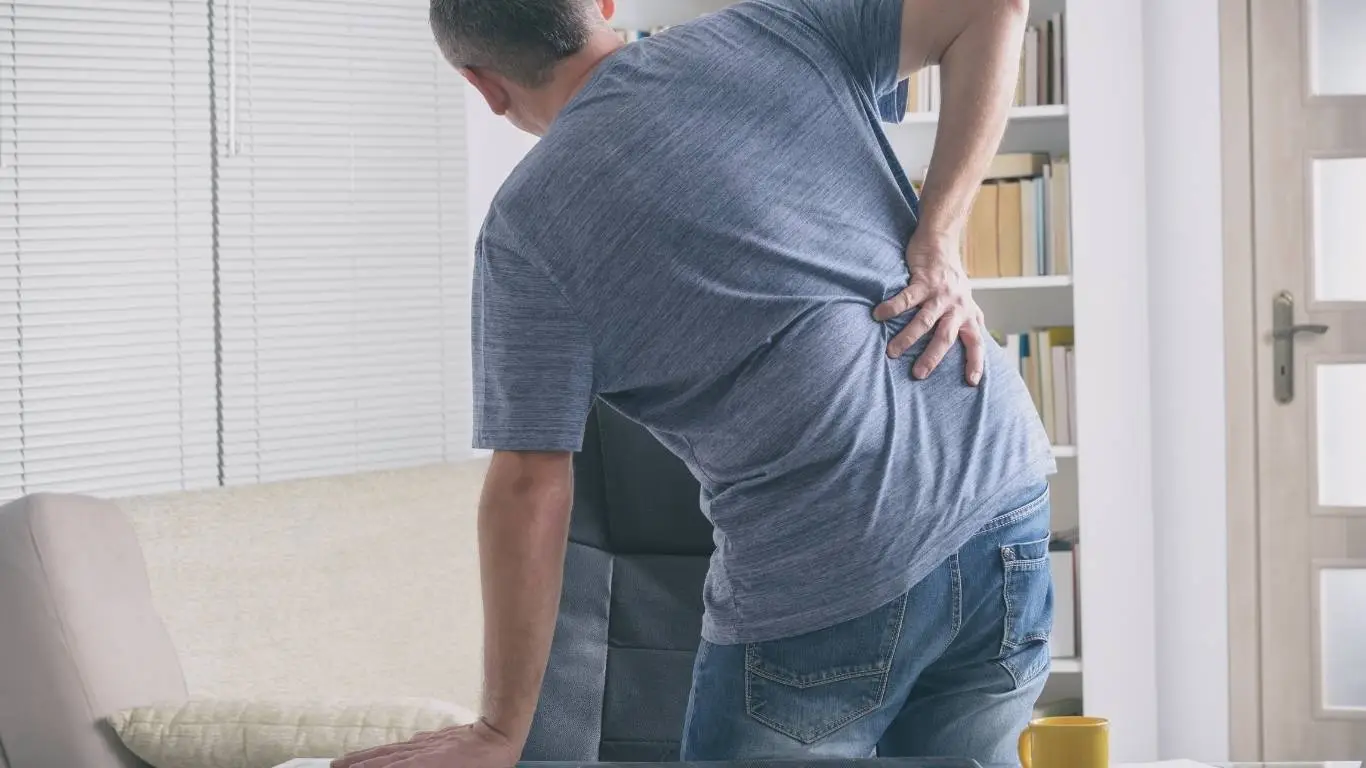
Ever wake up feeling like your lower back is stuck in concrete? Been there. It turns out, dehydration doesn’t clock out when you hit the pillow. In fact, sleep is when fluid loss continues quietly, especially if you’re not hydrating in the evening. Combine that with poor nighttime posture or a bad mattress, and your back becomes a perfect storm of tightness, inflammation, and pain.
During REM sleep, your body does a lot of repair. But without adequate hydration, spinal discs stay compressed and muscle tissue struggles to recover. I learned the hard way that skipping that last glass of water before bed was setting me up for an achy morning.
Nighttime Habits That Make It Worse
- Drinking alcohol close to bedtime (major dehydrator)
- Sleeping with poor lumbar support
- Overusing fans or AC without humidifiers
- Too much sodium or caffeine late in the day
If your pain consistently kicks in overnight or early morning, there’s likely a hydration and sleep hygiene issue going on. Address both, and you’ll notice a huge difference.
Is Your Workout Drying Out Your Spine?

Funny thing: I used to feel virtuous finishing sweaty workouts, only to be rewarded with a seizing back muscle an hour later. Sound familiar? That’s dehydration at play. Exercise burns through water reserves and electrolytes fast, especially if you’re hitting cardio or strength routines that tax your core.
Even if you stretch, foam roll, or ice after workouts, if you don’t rehydrate and replenish minerals, your back’s still vulnerable. And dehydration-related pain may show up as delayed soreness that doesn’t quite feel like DOMS.
Smart Hydration Tips for Active Days
- Pre-load with water 30–60 minutes before training
- Use low-sugar electrolyte packets post-workout
- Avoid over-consuming protein powders that pull water from muscles
- Get magnesium and potassium through food or quality supplements
If your back flares up consistently after physical activity, you’ll want to explore recovery strategies that go beyond stretching. Trust me, hydration can be the missing piece you’ve overlooked.
Other Conditions That Dehydration Can Aggravate

If you’re managing chronic conditions like facet joint syndrome or myofascial pain, hydration is even more essential. These issues are already tied to muscle tension and joint inflammation—two things that worsen dramatically with fluid loss.
Even structural concerns like scoliosis or herniated discs are affected by your body’s hydration status. Think of it like oiling a machine. Without that lubrication, even the best-aligned gears grind and resist.
Conditions Especially Sensitive to Dehydration:
- Sciatica and nerve pain flare-ups
- Inflammation-based pain (e.g., arthritis, ankylosing spondylitis)
- Muscle fatigue and spasms from poor posture or repetitive strain
If you’re treating one of these already, don’t let hydration be the weak link. Consider pairing your treatment plan with insights from our conservative back pain treatment hub for non-invasive ways to support recovery naturally.
Small Hydration Habits That Changed My Life

Let me get personal for a second. It took me far too long to realize that those occasional back cramps, the dull throbbing after long drives, or even the tension I blamed on “bad posture” had a common thread: I wasn’t drinking enough water. And it wasn’t just the quantity, it was when I drank, and how I supported mineral balance.
- I now start and end each day with a glass of water
- I add a pinch of sea salt and lemon on high-heat days
- I don’t let two hours pass without sipping something
- I carry a 24 oz bottle everywhere—it’s annoying, but it works
These simple habits did more for my back than a dozen stretches ever did. It’s easy to overlook hydration because it’s not flashy. But when it comes to back pain prevention? It’s foundational.
When to See a Professional

Now, if your back pain is persistent, shooting down your legs, or paired with numbness, don’t self-diagnose hydration as the only cause. That’s where clinical evaluation comes in. Other factors—like disc issues, inflammation, or even kidney problems—may be involved.
But if your pain is mild to moderate, tight, and creeps in during or after long periods without water or exertion, it’s worth putting hydration to the test for a few weeks. You might be surprised how quickly your back responds.
Know Your Red Flags
- Back pain that gets worse at rest
- Pain radiating into your legs or groin
- Sudden loss of strength or bladder control
If those symptoms show up, it’s time to consult your doctor and maybe explore diagnostic imaging options or specialized care.
Staying Ahead of Back Pain Starts with Water

It might sound too simple, but that’s the beauty of it. Drinking more water, balancing electrolytes, and adjusting your habits can work like preventative medicine—especially for your back. Your muscles, your discs, and your nerves all operate better when hydrated. It’s not magic. It’s biology.
As you tweak your hydration habits, don’t forget to sync them with posture adjustments and daily movement. For a more complete picture, dive into our guide on ergonomics and back health. And for trusted, science-backed fundamentals on back pain management, start with the main pillar resource here.

Camellia Wulansari is a dedicated Medical Assistant at a local clinic and a passionate health writer at Healthusias.com. With years of hands-on experience in patient care and a deep interest in preventive medicine, she bridges the gap between clinical knowledge and accessible health information. Camellia specializes in writing about digestive health, chronic conditions like GERD and hypertension, respiratory issues, and autoimmune diseases, aiming to empower readers with practical, easy-to-understand insights. When she’s not assisting patients or writing, you’ll find her enjoying quiet mornings with coffee and a medical journal in hand—or jamming to her favorite metal band, Lamb of God.