Can NSAIDs Contribute to Eye Floaters?
If you’ve ever stared up at the bright sky or looked at a blank wall only to notice strange shadowy shapes drifting across your vision—those squiggly or cobweb-like floaters—you’re not alone. I remember noticing my first floater while hiking on a sunny day in Bali. At first, I thought it was just dust in my eye, but it didn’t go away. I blinked. I rinsed. Still there. Then came the Googling frenzy, which led me down a rabbit hole of causes—aging, eye strain, and yes, even medications. That’s when I started wondering: Can the NSAIDs I occasionally pop for headaches and muscle soreness be messing with my eyes?
What Are NSAIDs and Why Do We Use Them?
NSAIDs, or nonsteroidal anti-inflammatory drugs, are a class of medications that almost everyone has used at some point. They’re the go-to for inflammation, pain, and fever—think ibuprofen, naproxen, aspirin, and even celecoxib. Athletes, office workers, busy parents… we’ve all reached for them after a long day or a painful injury. The convenience is unmatched, but they aren’t completely innocent.
These meds work by blocking enzymes (COX-1 and COX-2) that trigger inflammation. That’s great news for your sore muscles, but maybe not so much for your eyes—especially the delicate, jelly-like vitreous humor where floaters form.
How Could NSAIDs Possibly Affect the Eyes?
The idea that NSAIDs might contribute to floaters isn’t a mainstream concern—yet. But if you dig into how these drugs interact with the body, a few interesting theories start to emerge. First, NSAIDs impact fluid regulation. They can cause dehydration in tissues, including the eyes. The vitreous humor is 99% water, so even subtle changes could alter its structure.
Secondly, there’s the issue of collagen integrity. Long-term NSAID use might impact collagen synthesis and repair. Why does that matter? Because the vitreous is made of collagen fibers suspended in fluid. When those fibers clump or degrade, floaters can result.
Possible Mechanisms at Play
- Dehydration: NSAIDs may disrupt fluid retention, potentially dehydrating the vitreous gel.
- Oxidative stress: While rare, some NSAIDs may increase oxidative stress in ocular tissues over time.
- Changes in blood flow: NSAIDs affect prostaglandins, which help regulate blood flow in the retina and choroid. Altered circulation could influence ocular health.
There’s no direct clinical study that screams, “Yes, NSAIDs cause floaters!” But anecdotal reports and emerging studies hint at a connection worth watching.
What the Research Says (and Doesn’t)
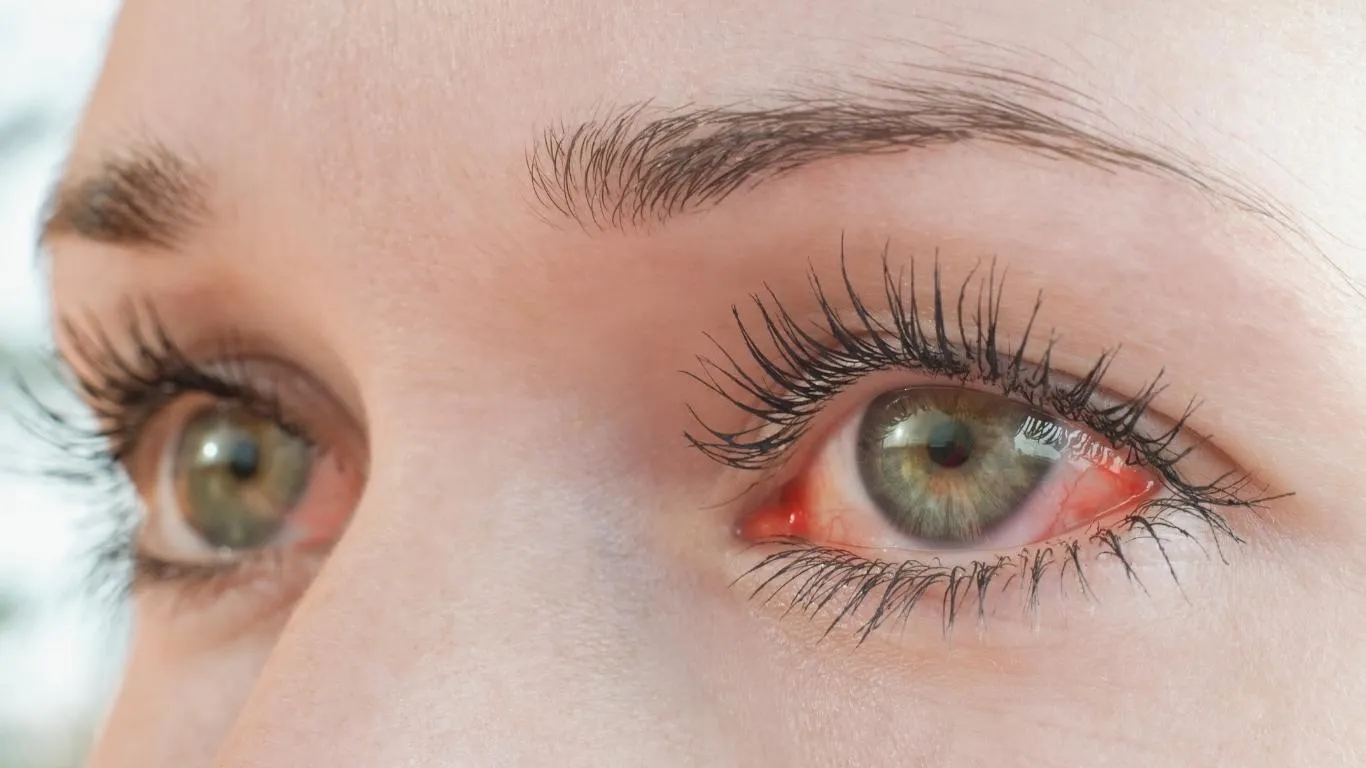
So far, scientific research hasn’t made a solid, proven link between NSAIDs and floaters. But that doesn’t mean the connection isn’t real—it might just be underexplored. A few case reports have touched on visual disturbances after NSAID use, but they often focus on more severe outcomes like optic neuropathy or retinal hemorrhage.
That said, floaters could be an early signal that something is slightly off—perhaps a minor, cumulative effect that doesn’t rise to the level of clinical concern but is still noticeable in daily life. Just like how dehydration can worsen floaters, anything that influences eye hydration or structural health could play a role.
According to the National Institutes of Health, chronic use of NSAIDs can lead to ocular side effects in certain individuals, including visual disturbances. That might be reason enough to be cautious, especially if you’re a regular user and have noticed new floaters floating into your vision.
My Own Experience with NSAIDs and Floaters
I’m no stranger to ibuprofen. I’ve used it after spraining my ankle, post-dentist visit, and during especially bad migraines. But in the last couple of years, I noticed a rise in floaters. At first, I chalked it up to aging. Then I began wondering if my pain relievers were part of the picture.
I tested this in the most unscientific way possible—by stopping NSAIDs for a few months. Did the floaters vanish? Not really. But I did notice they stopped increasing. That little shift made me reconsider how often I reach for the medicine cabinet.
Other Contributing Factors to Keep in Mind
Floaters aren’t always about NSAIDs. Let’s not ignore the more common causes:
- Aging: The natural shrinkage of the vitreous gel over time is the #1 reason for floaters. Learn more about age-related vitreous changes.
- Eye injuries: Sports impacts, minor trauma, or even rubbing your eyes too hard can cause floaters.
- Underlying health conditions: Things like diabetes, autoimmune diseases, or high blood pressure may play a role.
- Eye procedures: Had LASIK, cataract surgery, or injections recently? These can increase floater risk.
And yes, stress can be a silent culprit too. Chronic stress can affect blood pressure, hydration, and hormone balance—all of which have downstream effects on vision.
When to Talk to an Eye Specialist
If your floaters suddenly multiply, flash, or obstruct vision, don’t wait—get your eyes checked. Sudden-onset floaters can be a red flag for something more serious like retinal detachment or hemorrhage. According to the American Academy of Ophthalmology, any sudden change in floater frequency deserves immediate evaluation.
Even if they’re just a mild annoyance, an ophthalmologist can rule out more serious conditions and help you monitor changes over time. Some may recommend treatments like laser vitreolysis or even vitrectomy in extreme cases—though that’s rare.
Want to dive deeper into what causes eye floaters and how to manage them? Check out this in-depth guide as well as our main pillar article on causes.
Can You Prevent Floaters While Using NSAIDs?
Look, I’m not suggesting we all dump our ibuprofen bottles into the trash. But if you’re prone to floaters—or just cautious about your vision—it’s worth thinking about how you can minimize potential risks while still using NSAIDs responsibly.
Stay Hydrated
This might sound obvious, but dehydration is sneaky. NSAIDs can affect kidney function, which in turn can mess with how your body retains water. And when you’re dehydrated, so is your vitreous gel. That squishy part of your eye needs fluid to stay clear and stable. If you’re regularly popping NSAIDs, make sure water becomes your new best friend.
Try Limiting Usage
Instead of reaching for NSAIDs at every hint of discomfort, ask yourself if it’s really necessary. Could stretching help that sore neck? Is it something a warm compress could relieve? I started subbing out pills with turmeric tea and magnesium spray for muscle recovery—and it’s honestly helped more than I expected.
Watch for Combinations
If you’re also on medications like blood thinners, corticosteroids, or antidepressants, it’s worth noting that mixing certain drugs may amplify side effects—possibly including visual changes.
What Do the Experts Say?
Most ophthalmologists won’t outright say NSAIDs cause floaters. But many agree on one thing: medications can impact the eye in ways we’re only beginning to understand. For example, long-term use of NSAIDs has been linked to macular changes and ocular surface complications—both subtle but worth noting.
I asked my own optometrist during a checkup if my ibuprofen habit could be related to the annoying gray specks I’d been seeing. He didn’t laugh, thankfully. He nodded, then said, “Floaters? Not directly. But medications affect everything in the body—eyes included. Nothing is isolated.” That stuck with me.
Natural Alternatives Worth Exploring
There’s a growing wave of interest in natural strategies for floaters, especially from people who want to avoid surgical options. While there’s no magic cure, some options have promising anecdotal evidence.
- Omega-3s: Found in fatty fish, flaxseed oil, and supplements. Great for ocular hydration and general eye health.
- Bilberry extract: A cousin of blueberries, it’s been studied for its potential role in retinal support and circulation.
- Lutein and zeaxanthin: These carotenoids may help protect the retina from oxidative stress.
- Mindful stress management: Because chronic stress can actually intensify visual disturbances.
I’ve personally leaned into hydration, healthy fats, and stress management. Do I still see floaters? Yes. But they’re less frequent, and I feel better knowing I’m taking care of my eyes from multiple angles.
Can You Treat Floaters Caused by Medication?
If floaters from NSAIDs—or suspected from NSAIDs—are bothering you, what can be done? First off, document changes. If new floaters appear right after starting or increasing NSAID usage, let your doctor know. They might suggest switching medications or exploring non-pharma alternatives.
More persistent cases may benefit from:
- Laser vitreolysis: A non-invasive procedure that uses lasers to break apart floaters. Some find it incredibly effective; others see no change.
- Vitrectomy: Surgical removal of the vitreous gel, often replaced with a saline-like solution. It’s a big step, generally reserved for severe cases.
But here’s the kicker—most floaters fade into the background with time. The brain adapts. You’ll still see them in bright light or on white screens, but they lose their dominance. And if you’re curious about treatment options, this guide on treatments is a great place to start.
So… Should You Worry About NSAIDs Floaters?
It’s really about awareness. NSAIDs are useful, even essential, for many of us. But if you’re starting to see floaters more frequently and you’re also taking these drugs often, it may be time to reassess your routine. NSAIDs may not be the villain, but they could be part of a larger picture—especially when combined with dehydration, age, or other risk factors.
We don’t need to panic. We need to pay attention. That’s a subtle but powerful shift. And if this article gave you one new question to ask at your next eye appointment, that’s a win.
For a broader understanding of floaters and how they compare with other eye issues, don’t miss our essential guide on eye floaters vs other eye problems. You’ll learn how to distinguish between the annoying and the urgent.

Camellia Wulansari is a dedicated Medical Assistant at a local clinic and a passionate health writer at Healthusias.com. With years of hands-on experience in patient care and a deep interest in preventive medicine, she bridges the gap between clinical knowledge and accessible health information. Camellia specializes in writing about digestive health, chronic conditions like GERD and hypertension, respiratory issues, and autoimmune diseases, aiming to empower readers with practical, easy-to-understand insights. When she’s not assisting patients or writing, you’ll find her enjoying quiet mornings with coffee and a medical journal in hand—or jamming to her favorite metal band, Lamb of God.