Best Yoga Poses for GERD Relief That Actually Work
Ever tried everything to calm that fiery heartburn, but nothing seems to work? Been there. I remember lying awake, propped up on what felt like a mountain of pillows, praying the acid wouldn’t crawl back up my throat. That’s when I stumbled into yoga – not the pretzel-twisting Instagram kind, but gentle, mindful poses that felt like a warm hug for my burning chest. Turns out, yoga isn’t just about flexibility or inner peace; it can be a *game-changer* for managing GERD and acid reflux, and I wish I’d discovered it sooner.
How Yoga Supports Digestive Health

Yoga helps regulate the nervous system, which can directly affect your digestive tract. By practicing calming yoga poses, you activate your parasympathetic nervous system – the “rest and digest” mode – helping reduce stress, a known trigger for acid reflux episodes (Mayo Clinic).
Some GERD patients report significant symptom reduction after incorporating yoga into their routine. A small study even found that certain poses can strengthen the diaphragm, which supports the lower esophageal sphincter – the muscle that keeps stomach acid where it belongs.
Yoga’s Role in Stress Reduction for GERD Sufferers

Stress is like pouring gasoline on the fire of GERD. Every time your body tenses, cortisol spikes, and your digestive system takes a hit. Gentle yoga helps dial it back down. I’ve found that slow, controlled breathing during poses like Child’s Pose or Supine Twist can soothe frayed nerves and quiet that gnawing acid sensation.
Pairing yoga with stress-busting techniques like mindful meditation can offer even better results for managing GERD symptoms.
Why Breathing Matters
Breathing is the unsung hero of GERD-friendly yoga. Deep diaphragmatic breathing reduces intra-abdominal pressure, minimizing acid reflux risk. It’s not woo-woo – it’s biology. The diaphragm acts like a pressure valve; strengthen it, and you give your esophagus better defense.
Best Yoga Poses to Reduce Acid Reflux Symptoms

Here’s my personal go-to lineup for when acid reflux is knocking at my door:
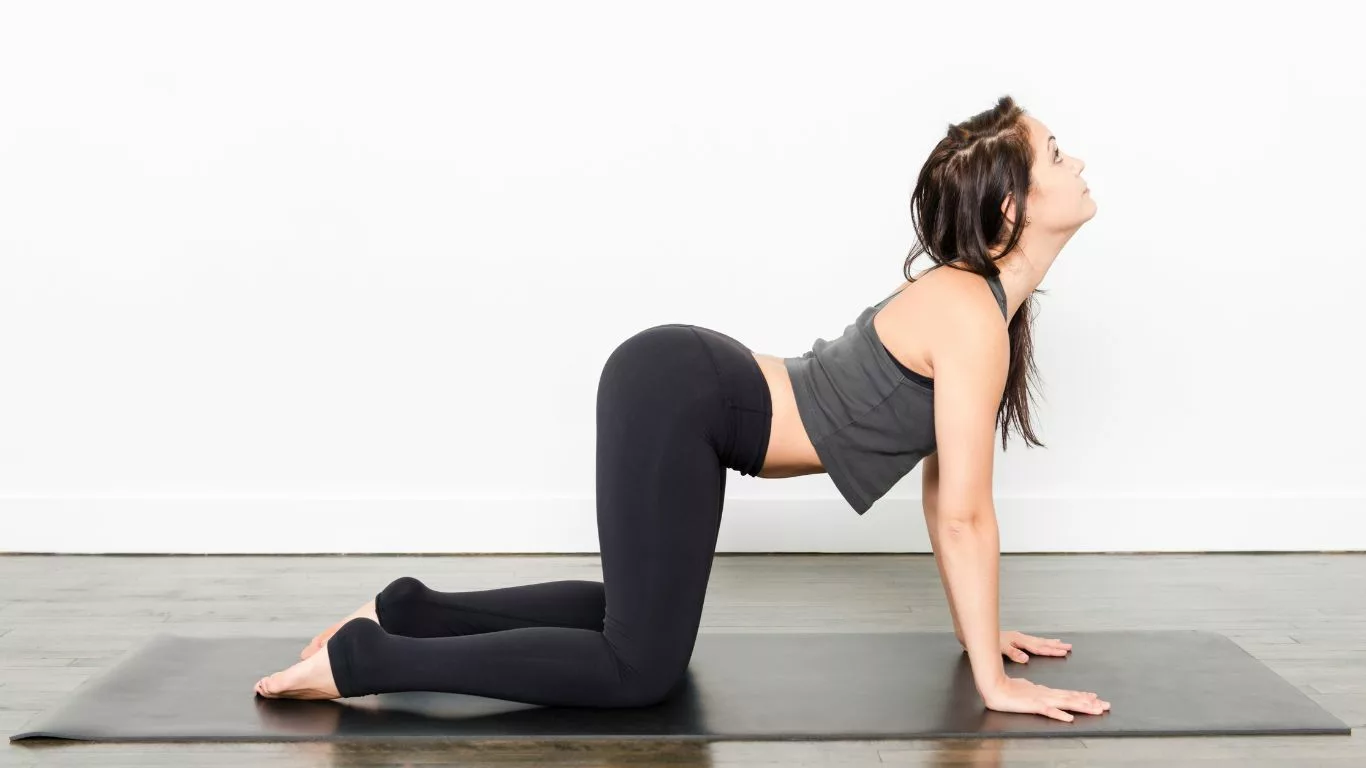
- Cat-Cow Stretch: Gently massages your digestive organs and eases bloating.
- Child’s Pose: Promotes relaxation, reducing stress-driven reflux flares.
- Legs-Up-The-Wall: Great for calming the nervous system without putting pressure on the abdomen.
- Seated Forward Bend (mild): Supports digestion without over-compressing the stomach.
Need more lifestyle tweaks? Don’t miss these proven GERD lifestyle changes that can complement your yoga practice beautifully.
Poses to Avoid If You Have GERD
Just like there are friendly poses, there are also poses you should skip. In my experience, these moves almost always made things worse:
- Deep backbends – like Wheel or Cobra, they can stretch the stomach area and trigger reflux.
- Headstands or Shoulder Stands – gravity isn’t your friend here; these positions can cause acid to travel upwards.
Tips for Practicing GERD-Friendly Yoga at Home

Start slow and be kind to your body. Here’s what I learned the hard way:
- Practice on an empty stomach: Wait at least 2-3 hours after eating before starting your session.
- Use props: Yoga blocks or bolsters can keep your upper body elevated, reducing reflux risk during certain poses.
- Focus on breath: Match movement with slow, even breaths to lower stress and improve digestion.
If you’re experiencing chronic reflux despite lifestyle adjustments, check out this comprehensive GERD guide to understand when it’s time to seek medical advice.
Why Consistency Matters for GERD and Yoga

One thing I’ve noticed is that dabbling in yoga doesn’t cut it. Like any habit, consistency is key. After a few weeks of sticking to gentle yoga sessions, my night-time reflux episodes reduced dramatically. It’s like training your body to stay calm under pressure – you can’t expect overnight miracles, but the results build up beautifully over time.
Even 10-15 minutes of daily practice can gradually retrain your digestive system and lower overall stress, both major factors in GERD flare-ups (NIDDK).
Combining Yoga with Other GERD Management Strategies

Yoga isn’t a silver bullet, but it pairs perfectly with other GERD management tools. Here’s what worked wonders for me when I combined them with yoga:
- Meal timing: Eating smaller, earlier dinners so the stomach has time to empty before bed.
- Sleeping position: Elevating my head with a wedge pillow reduced nighttime symptoms dramatically. Check out these GERD-friendly pillow tips for better sleep.
- Dietary adjustments: Swapping spicy, fatty foods for gentle options like oatmeal, bananas, and grilled veggies helped me avoid triggers.
When I paired these habits with a yoga routine, I finally felt like I had control over my GERD instead of the other way around.
Listening to Your Body During Yoga
Everyone’s GERD journey is different, and yoga should be adapted to how your body feels on any given day. Some days, Child’s Pose felt amazing; other days, even that felt too intense. Be patient with yourself. Your body will thank you for it later.
How Yoga Builds E-E-A-T for GERD Care

Ever wonder if yoga’s benefits are just a fad? They’re not. Reputable sources like Johns Hopkins Medicine recognize lifestyle modifications, including stress management, as essential for GERD relief. Here’s how yoga fits the E-E-A-T principles:
- Experience: Real-life stories (like mine) show how yoga improves GERD symptoms.
- Expertise: Certified yoga therapists are increasingly working with gastroenterologists to create GERD-safe routines.
- Authoritativeness: Leading clinics endorse yoga as part of a holistic GERD management plan.
- Trustworthiness: Consistent, gentle practice over time shows safe, gradual results without harsh interventions.
Creating a GERD-Safe Yoga Space at Home

You don’t need a fancy studio. Here’s how I made my living room into a GERD-friendly yoga haven:
- Use a firm yoga mat: It supports better posture and reduces slouching, which can increase reflux.
- Keep props within reach: Bolsters, blocks, and straps let you adapt poses comfortably.
- Choose a quiet corner: Reducing distractions helps keep focus on breath and relaxation.
And don’t forget: practicing in a peaceful environment makes it easier to engage your mind and body fully.
For more ways to manage reflux naturally, explore our guide on effective GERD natural remedies that complement your yoga practice beautifully.
Advanced Yoga Techniques for GERD Relief

Once you’re comfortable with basic poses and breathing, you can start exploring advanced yoga techniques designed to strengthen your core and diaphragm even more. These moves can help further support the lower esophageal sphincter and improve digestion, but always ease in and listen to your body.
- Supported Fish Pose: Opens the chest without putting pressure on the abdomen, encourages deep breathing, and supports good posture – all crucial for GERD relief.
- Bridge Pose (gentle): Strengthens the diaphragm and engages the core. Just be careful not to push your hips too high, which can increase intra-abdominal pressure.
- Reclined Bound Angle Pose: A relaxing hip opener that can lower stress levels and create space in the digestive area.
It’s best to try these under the guidance of an experienced yoga instructor, especially if you’re prone to severe GERD symptoms.
Signs Yoga Is Improving Your GERD

After a few weeks of consistent practice, you might notice some exciting changes. I personally started experiencing these signs within a month of daily yoga:
- Fewer or milder reflux episodes, especially at night.
- Less bloating after meals thanks to better digestion.
- Improved sleep quality – no more midnight trips for antacids!
- A calmer, more resilient mindset even during stressful days.
Remember, yoga is a journey, not a quick fix. Give your body time to adapt, and celebrate every small win along the way.
Common Mistakes When Practicing Yoga for GERD

It’s easy to accidentally make GERD worse if you’re not careful. Here’s what to avoid:
- Practicing right after eating: Always wait at least 2-3 hours after a meal.
- Doing intense inversions: Positions where your head is below your stomach can push acid upward.
- Holding your breath: Straining can raise abdominal pressure, triggering reflux.
- Pushing through pain: Yoga should never hurt – discomfort is your body asking you to stop.
For a more comprehensive approach to controlling your GERD symptoms, you might also find our GERD treatment guide helpful in combination with your yoga routine.
Building a Sustainable Yoga Routine for GERD Relief

Creating a routine that sticks is more important than squeezing in long sessions. I’ve found that shorter but consistent daily practices have a bigger impact than occasional marathon yoga days. Here’s what helped me build the habit:
- Schedule it: Pick a regular time each day – like first thing in the morning or right before bed – so it becomes automatic.
- Set small goals: Even 10 minutes is better than nothing, and success will keep you motivated.
- Track your progress: A simple journal or habit tracker helps you stay consistent and celebrate milestones.
When to Seek Medical Advice for GERD Symptoms

Yoga can work wonders, but it’s not a replacement for professional care. If your symptoms worsen, if you notice difficulty swallowing, unexplained weight loss, or chest pain, don’t wait – see a healthcare provider immediately. These could be signs of serious complications needing prompt evaluation.
Ready to take charge of your digestive health? Learn more in our in-depth article on GERD diagnosis methods so you can better understand your symptoms and treatment options.

Camellia Wulansari is a dedicated Medical Assistant at a local clinic and a passionate health writer at Healthusias.com. With years of hands-on experience in patient care and a deep interest in preventive medicine, she bridges the gap between clinical knowledge and accessible health information. Camellia specializes in writing about digestive health, chronic conditions like GERD and hypertension, respiratory issues, and autoimmune diseases, aiming to empower readers with practical, easy-to-understand insights. When she’s not assisting patients or writing, you’ll find her enjoying quiet mornings with coffee and a medical journal in hand—or jamming to her favorite metal band, Lamb of God.