Causes of Bright White Floaters That May Signal Eye Trouble
If you’ve ever looked at a white wall or bright sky and noticed tiny bright white specks floating around in your vision, you’re not alone. I still remember sitting at my desk, staring at my computer screen, when these ghostly little things drifted into my view like snowflakes that refused to melt. It freaked me out at first. Was it stress? Was something seriously wrong with my eyes? Turns out, what I was seeing were something called *eye floaters*—specifically, the bright white kind. They’re not just annoying; they can also signal deeper issues depending on what’s causing them.
Understanding Bright White Eye Floaters
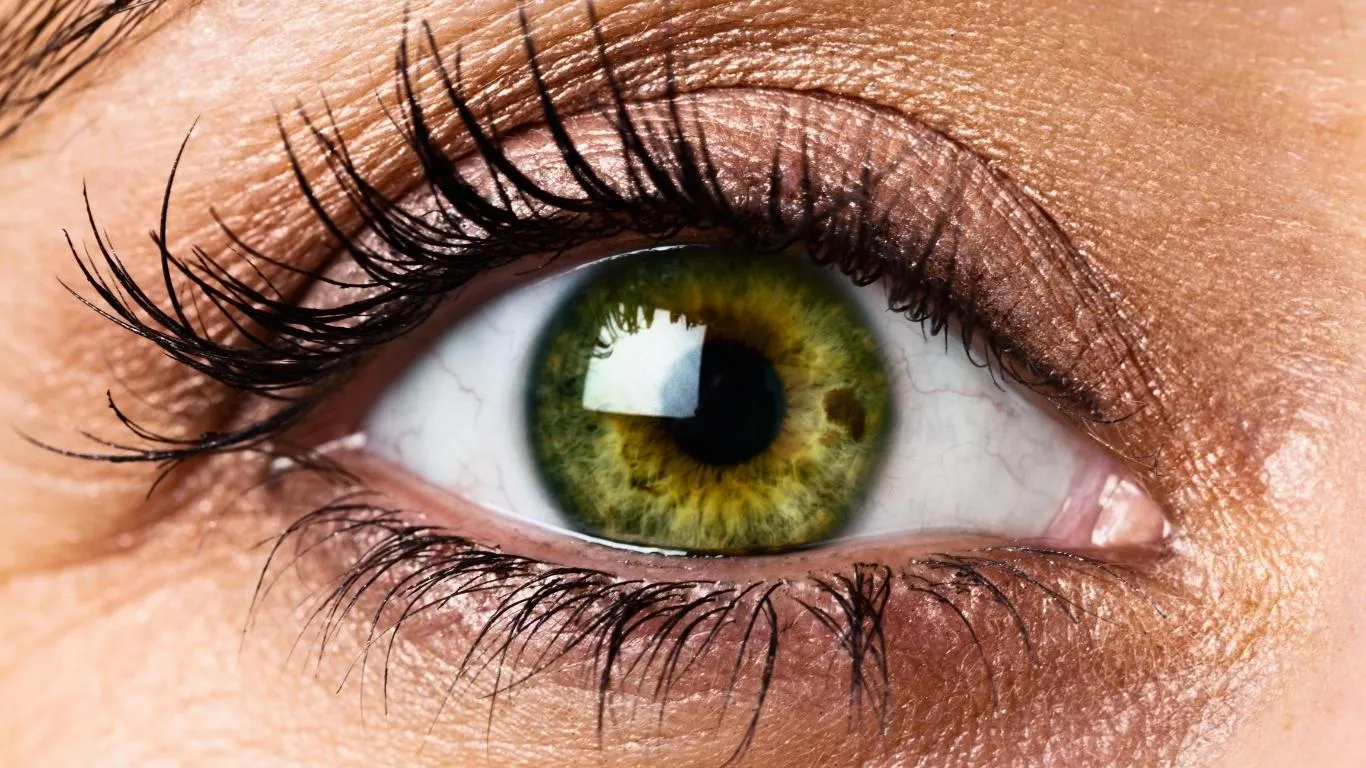
Before diving into the causes, let’s break down what these floaters actually are. Eye floaters are tiny clumps or threads in the vitreous—this gel-like substance inside your eyeball. When light hits them, they cast shadows on the retina, which you perceive as floating shapes. Bright white floaters are often more alarming because they’re especially noticeable against light backgrounds, like snow or a bright computer screen.
While most floaters are gray or dark and harmless, bright white ones can be different. Sometimes, they shimmer. Sometimes they flicker. And sometimes, they stick around longer than they should. That’s when you want to start paying attention to *what’s behind them*.
Common Causes of Bright White Floaters
1. Posterior Vitreous Detachment (PVD)
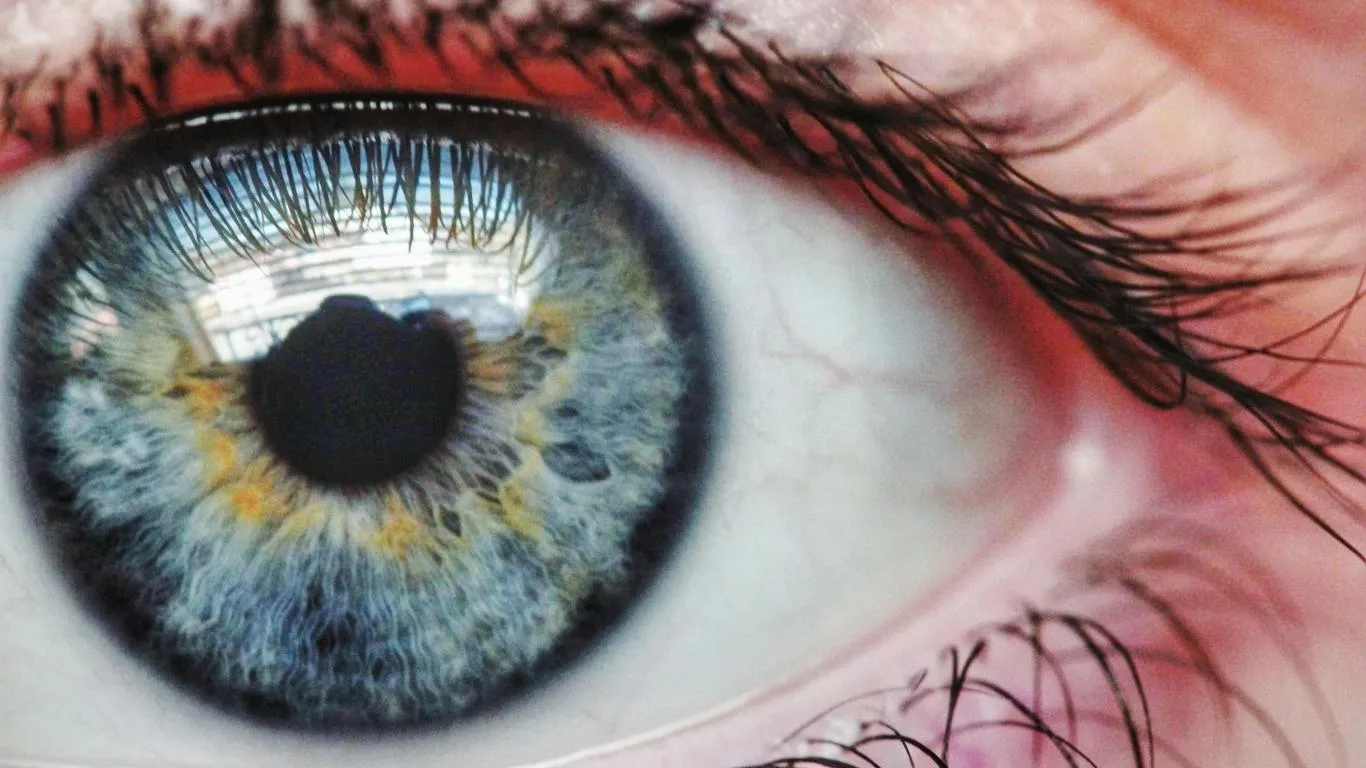
This is one of the most common culprits. As we age, the vitreous inside the eye begins to shrink and pull away from the retina. This can cause white flashes, floaters, or even what looks like shimmering dust. I first noticed mine in my 40s, and yep—turns out, it was early signs of PVD. It’s usually benign, but you should always rule out complications like retinal tears. Learn more about posterior vitreous detachment here.
2. Ocular Migraines
Ever get those funky zigzag lights or shimmering blind spots? Ocular migraines often come with bright visual disturbances, including white floaters that seem to move across your vision. They can last anywhere from a few minutes to an hour and typically resolve on their own. While they don’t always cause pain, they *do* mimic floaters in a very convincing way.
3. Dehydration or Electrolyte Imbalance
Bright white floaters can sometimes be your body’s odd way of signaling you’re not drinking enough water. Dehydration affects the vitreous consistency and can create those shimmering specks. I’ve personally had this happen during a heatwave—started seeing light-colored floaters that vanished after rehydrating. There’s a deeper dive into this on dehydration and eye floaters.
4. Inflammation: Uveitis or Vitritis
White floaters might also mean inflammation inside the eye. Uveitis, for example, causes white blood cells to float in the vitreous, creating what you see as pale or bright dots. These can come with pain, redness, or light sensitivity. If this sounds familiar, check out how uveitis triggers floaters.
5. Eye Infections or Immune Responses
Sometimes, the immune system sends white blood cells rushing to deal with infections or autoimmune triggers. Those cells can float in your vitreous, causing those white ghost-floaters you notice in your field of vision. For infections specifically, read this guide on eye infections and floaters.
Not-So-Obvious Triggers
6. Trauma or Eye Injury
Have you ever hit your head or taken a blow to the eye, only to see a snowstorm of sparkles? White floaters following trauma could indicate internal bleeding or retinal tears. This is one of those times you really shouldn’t wait—just go straight to the ophthalmologist. Learn why blunt eye trauma should never be ignored.
7. Medications or Eye Drops
Certain medications, including steroid eye drops, have been linked to changes in the vitreous that may manifest as bright floaters. Some antibiotics and antihistamines can do this too. I didn’t believe it until it happened after a round of prescription drops post-LASIK. If you’re on eye meds, here’s a solid piece about how they might trigger floaters.
8. High Blood Pressure or Circulation Issues
Elevated blood pressure can affect the delicate vessels in your retina, sometimes resulting in floaters that appear white or flashing. If you see sudden white sparkles along with dizziness, check your BP. Here’s more on why high blood pressure and floaters may be connected.
9. Nutritional Deficiencies
People often overlook this, but lack of key nutrients—especially antioxidants like lutein and vitamin C—can impact eye clarity. Deficiencies may contribute to light-colored floaters over time. There’s actually a detailed breakdown at how diet affects floaters that’s worth bookmarking.
When Bright White Floaters May Be Serious
Seeing the occasional floater isn’t always cause for panic, but bright white ones that appear suddenly, multiply quickly, or are accompanied by flashes, shadows, or loss of peripheral vision? That could indicate a retinal tear or detachment. This is a medical emergency and requires immediate treatment.
To better understand which floaters are harmless and which demand urgent attention, it’s worth reading this complete guide on when floaters are dangerous.
For a comprehensive overview of all treatment options available—from natural management to surgical solutions—check out our eye floater treatment guide and this full resource on what causes eye floaters.
Other Medical Conditions That May Trigger Bright White Floaters
10. Autoimmune Diseases
If you’re dealing with autoimmune issues, like lupus or rheumatoid arthritis, you might also be more prone to seeing floaters—especially the bright kind. Inflammation in the eye, triggered by these systemic diseases, often results in white blood cell activity within the vitreous. That’s exactly what shows up as ghostly specks in your vision. More on that here: autoimmune disease and floaters.
11. Diabetic Retinopathy
Diabetes doesn’t just mess with your blood sugar—it can affect your vision in subtle ways before bigger issues arise. White floaters may appear due to leaking retinal vessels or vitreous bleeding. If you’re diabetic and noticing new floaters, check out this breakdown on how diabetes causes floaters. It’s something you definitely shouldn’t ignore.
12. Vitreous Syneresis
This is basically when the gel-like vitreous in your eye begins to liquefy and separate with age. While this is natural, sometimes it causes reflections of light to scatter unusually, leading to white floaters or sparkly threads in your peripheral vision. You can read more about this condition at vitreous syneresis and floaters.
Lifestyle Factors That Make Them Worse
13. Exposure to Bright Light or Screen Time
Ever walk out into sunlight and suddenly notice white specs floating everywhere? That’s not a coincidence. Bright light enhances the contrast between your retina and the floaters in the vitreous. I notice this a lot after staring at my laptop for hours. If that sounds familiar, here’s why screen time may worsen floaters and how to deal with it.
14. Physical Exertion and Posture
Strenuous workouts, weight lifting, or even heavy coughing can increase intraocular pressure temporarily—possibly making floaters more noticeable. One time after an intense HIIT class, I saw a sudden burst of shimmering floaters that made me pause mid-set. Turns out, posture and movement do play a role. Learn more about how posture can impact floaters.
15. Poor Sleep and Eye Strain
Lack of sleep can mess with everything—including your visual clarity. When I’m overly tired, my floaters become more pronounced, especially the pale, flickery ones. There’s science behind this, and you can dive into the connection between lack of sleep and eye floaters.
Can Supplements or Diet Changes Really Help?
There’s no magic pill, but there are nutrients that may help support vitreous health and reduce the appearance of bright floaters over time. I’ve personally had good results with a mix of lutein, vitamin C, zinc, and hydration. It’s not overnight magic, but it made a difference. This helpful guide breaks it all down: supplements that help with floaters.
- Lutein & Zeaxanthin: Found in leafy greens. Known to protect the retina and support visual clarity.
- Vitamin C: Supports collagen in the vitreous. Antioxidant power counts here.
- Zinc: Vital for retinal enzyme function. Often paired with vitamin A.
- Hydration: Not a nutrient, but crucial. The vitreous is over 98% water.
Bonus tip: Want to get these naturally? Try dark leafy greens, citrus fruits, eggs, and omega-3-rich fish like salmon.
How to Tell If It’s Actually a Floater—or Something Else
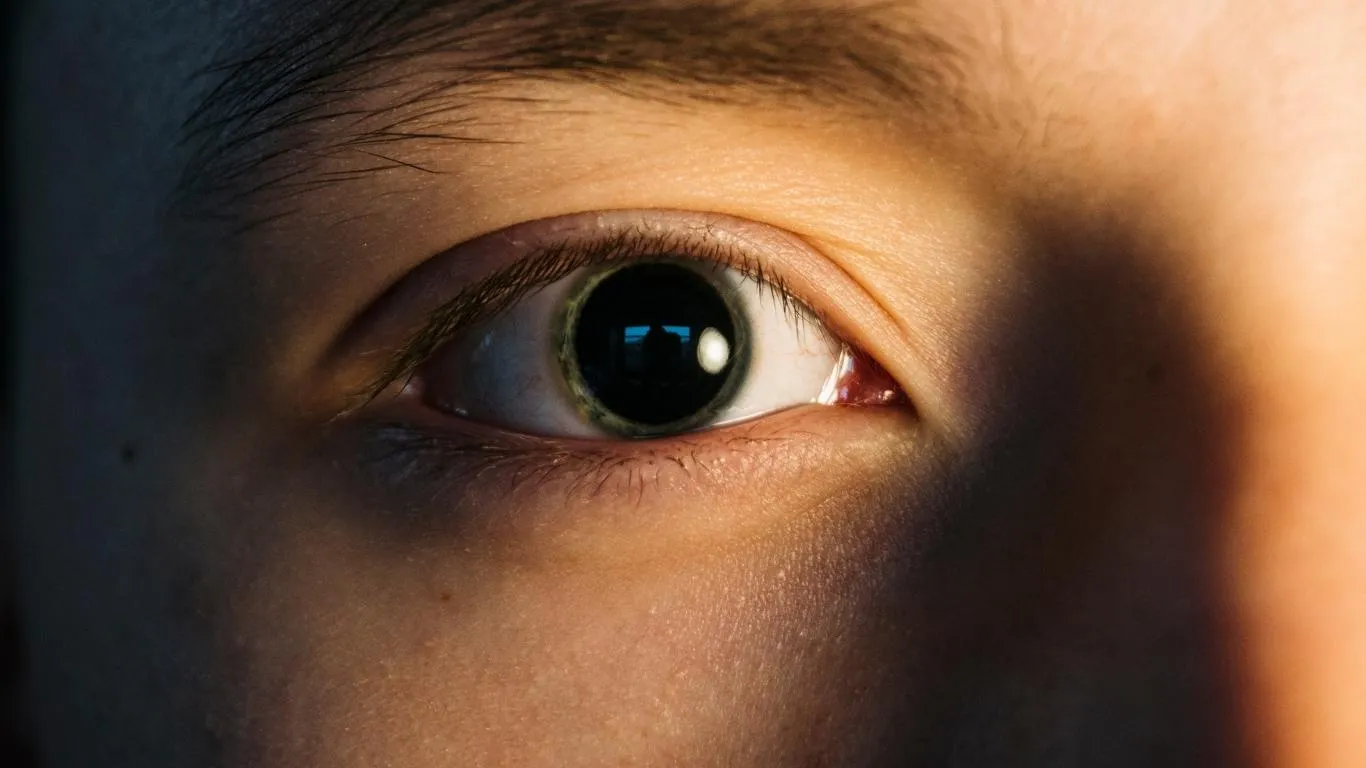
Not everything that looks like a floater *is* one. Sometimes, people confuse ocular migraines, visual auras, and even retinal damage symptoms with bright floaters. If what you’re seeing flashes or moves fast like lightning, especially in one eye, you may need a professional exam.
This breakdown can help you make sense of it: how to distinguish floaters from other visual symptoms. Another helpful reference is our overview on floaters vs. flashes.
Tracking Your Floaters: Why It Matters

One of the smartest things I did was start a visual log. I’d jot down when new floaters appeared, what they looked like, and what I was doing at the time. Over a few months, I noticed patterns—like how they flared up after heavy cardio or late nights. There’s even a growing number of apps that let you digitally track your floater activity. Learn how to track floaters over time effectively.
- Note the shape, size, and color of each floater
- Record time of appearance and any triggers (stress, light, fatigue)
- Log any associated symptoms like pain, flashes, or vision loss
- Take this log to your eye specialist during checkups
What to Do When Bright White Floaters Won’t Go Away
If you’ve been living with persistent bright white floaters that haven’t faded or have worsened over time, it might be time to explore treatment options. While some people find success with laser vitreolysis or vitrectomy, these are more invasive and not for everyone. Many cases can be managed conservatively.
The full overview of what’s available, including non-invasive management tips, can be found here: comprehensive floater treatment options. And if you’re still trying to understand whether what you’re seeing is normal, the broader context is explained here: eye floater basics and causes.

Camellia Wulansari is a dedicated Medical Assistant at a local clinic and a passionate health writer at Healthusias.com. With years of hands-on experience in patient care and a deep interest in preventive medicine, she bridges the gap between clinical knowledge and accessible health information. Camellia specializes in writing about digestive health, chronic conditions like GERD and hypertension, respiratory issues, and autoimmune diseases, aiming to empower readers with practical, easy-to-understand insights. When she’s not assisting patients or writing, you’ll find her enjoying quiet mornings with coffee and a medical journal in hand—or jamming to her favorite metal band, Lamb of God.