Clear Signs You’re Mistaking Eye Floaters for Migraine Aura
There was a time I thought I was going blind. Not kidding. One moment I was casually scrolling on my phone, and the next—bam! Weird squiggly shapes started dancing in my field of vision. I freaked out. My first thought? Retinal detachment. Turned out, they were eye floaters. But here’s the twist—I’d also get these zigzag patterns just before a migraine hit. That, I learned later, was called an aura. At first, it was confusing to tell which was which. So, let’s talk about it: what’s the real difference between floaters and aura in migraine?
What Exactly Are Eye Floaters?
Floaters are those shadowy, translucent specs or strands that drift across your line of sight—especially when you stare at a bright background like the sky or a computer screen. They’re not just a visual glitch; they’re actually tiny bits of collagen or cells that clump together in the vitreous—the gel-like substance in your eye—and cast shadows on your retina.
Why Do They Appear?
- Aging: As we age, the vitreous gel starts to liquefy and pull away from the retina, a condition known as posterior vitreous detachment.
- Eye Injuries: Trauma to the eye can disrupt the vitreous structure.
- Inflammation or infections: These can cause cellular debris in the eye.
- Health Conditions: Like diabetes or high blood pressure. Learn more here.
My Experience with Floaters
I first noticed them in my late 30s. Just subtle grayish threads floating like jellyfish whenever I glanced at a blank wall. At first, I’d try to “look at them directly,” which is funny because they move when your eyes move. It took some time to stop obsessing over them. A helpful read that eased my mind was this pillar article on common causes of floaters.
What Is an Aura in Migraine?
An aura is a sensory disturbance that usually precedes a migraine headache. For some people, it can also happen without any pain. It’s visual most of the time—think shimmering zigzags, flashes of light, or blind spots. It’s often mistaken for floaters, especially if you’ve never had an aura before.
How Aura Feels Different from Floaters
- Pattern: Aura often appears as geometric shapes, jagged lines, or a shimmering “C” shape. Floaters look more like squiggles, cobwebs, or blobs.
- Duration: Aura usually lasts 20–60 minutes and then fades. Floaters stick around for weeks, months—even permanently.
- Movement: Floaters drift slowly and follow eye movement. Aura patterns often stay fixed or expand outwards in a wave-like form.
- Headache Connection: Aura often comes before or during a migraine. Floaters aren’t associated with head pain unless there’s an underlying condition.
If you want to dig deeper into when visual disturbances are actually migraine-related, check out this reliable guide on migraine and floaters.
Why People Confuse the Two
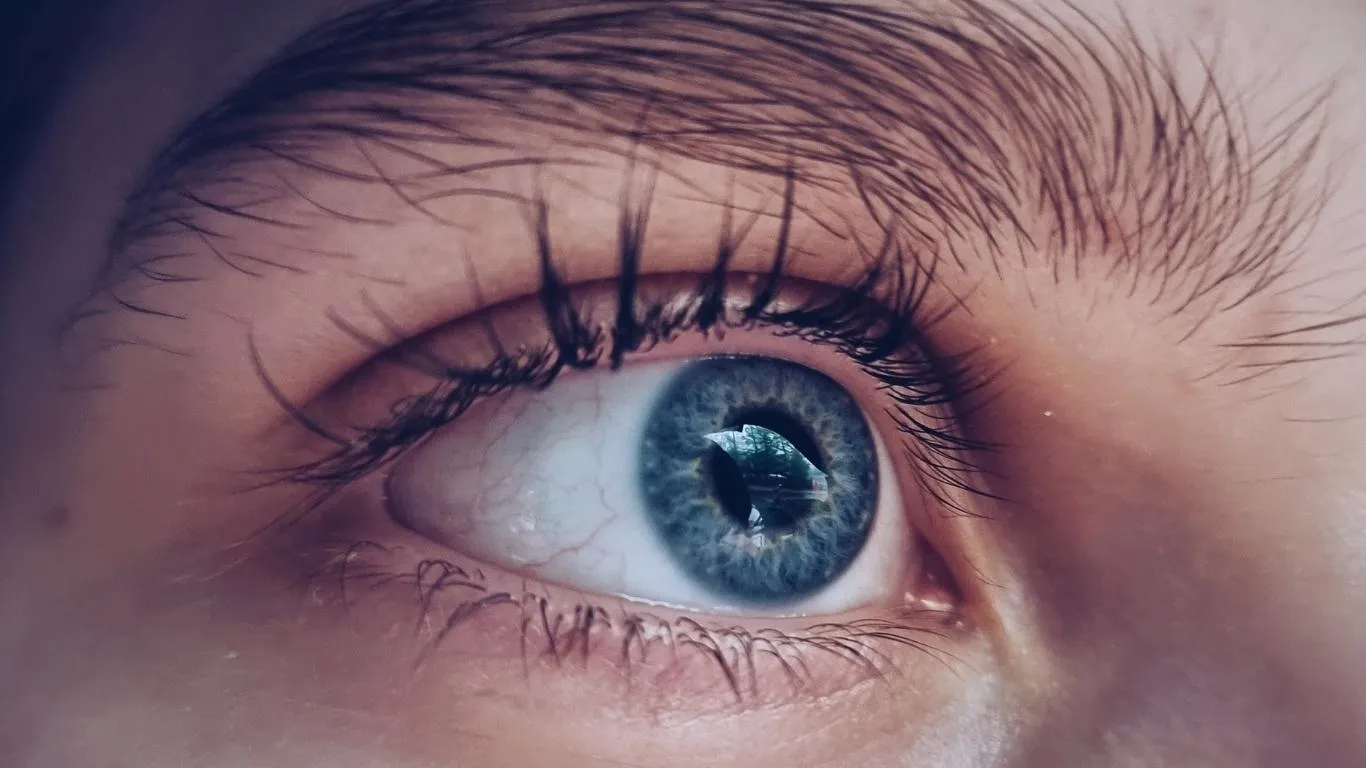
Honestly, it’s easy to see why people mix them up. Both mess with your vision. Both are weirdly hard to describe. And both can feel like a total curveball when they first show up. Especially when you’re stressed, dehydrated, or overworked—which can trigger both.
According to neurologists from Mayo Clinic, aura affects roughly one in four migraine sufferers. But many people never get a proper diagnosis because they assume it’s just floaters or even something worse, like retinal issues. And vice versa—many ignore floaters, thinking they’re a one-off migraine symptom.
When Should You Worry?
If you suddenly see a shower of floaters, flashes of light, or experience partial vision loss—don’t brush it off. It could be a warning sign of something serious like a retinal tear. I’ve personally had a scare when floaters suddenly increased after a week of sleepless nights. Turns out, dehydration was the culprit. More on that here.
Meanwhile, if your aura is changing—lasting longer, becoming more intense, or occurring without headaches—you should talk to your neurologist. Sudden shifts could mean something more than just a migraine is going on. In some rare cases, a visual aura could mimic a mini-stroke or even seizure activity.
How Experts Tell the Difference
Eye specialists use tools like a dilated eye exam and Optical Coherence Tomography (OCT) to inspect the retina and vitreous. If your symptoms are suspicious, they might also refer you to a neurologist for EEG or MRI imaging—especially if you describe a “shimmering” or “expanding” visual event without head trauma.
If you’re not sure which one you’re experiencing, I recommend this detailed overview on how to tell the difference between floaters and other eye issues. It’s a great place to start.
And for the full picture on floaters—the causes, treatments, and when to see a doctor—check out this main resource: What Are Eye Floaters?
Living with Floaters vs Living with Aura
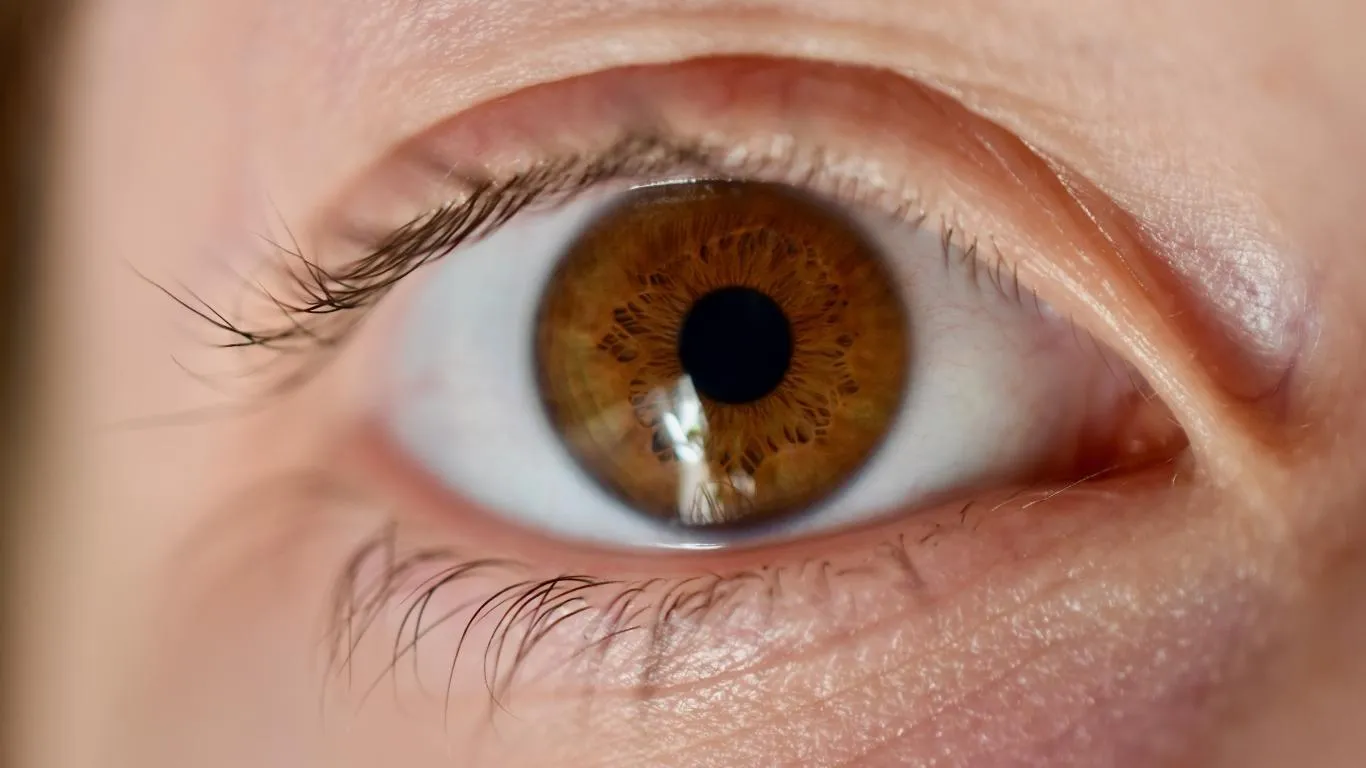
Let me be real—living with floaters is mostly just annoying. They’re not painful, they don’t cause nausea, and they don’t knock me off my feet like a migraine does. But they can absolutely mess with your focus. I work at a screen all day, and those tiny specks? They sometimes make it feel like there’s lint stuck on my lens. Except there isn’t. Ever. And the moment I forget they exist, they somehow find their way back into my view.
On the flip side, aura is a total disruption. When I get one, I know I’ve got maybe 20–30 minutes to wrap up everything before the migraine hits. It’s like a deadline from hell. And in some cases, the aura is the only thing that shows up—no headache, just a weird visual detour. That unpredictability is its own kind of stress.
Long-Term Effects and Risks
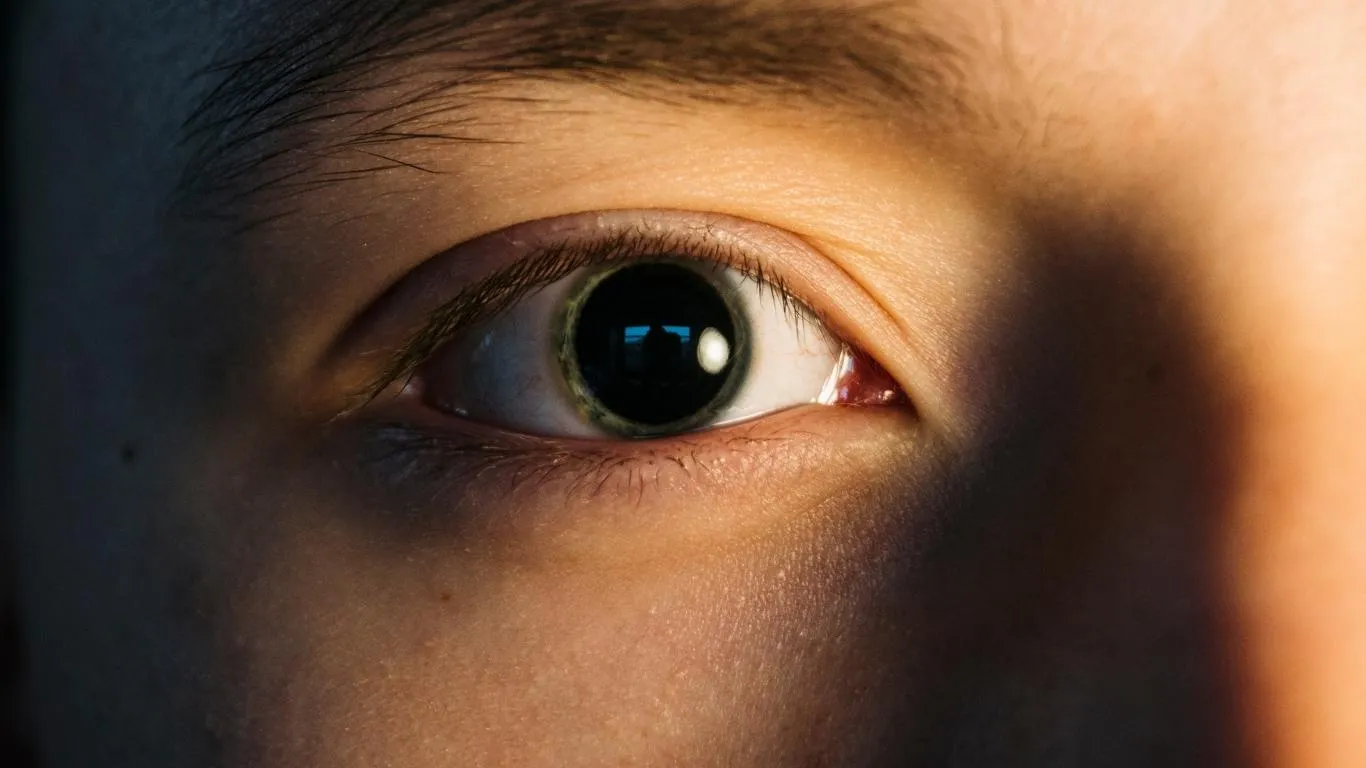
Eye floaters, while usually harmless, can be a red flag for something deeper—especially if they come with flashes of light or sudden vision loss. Conditions like retinal tears or even retinal detachment might be lurking in the background. That’s why I don’t play around anymore when floaters increase dramatically.
As for aura, the risks can run deeper neurologically. According to studies from NHS and WebMD, people who experience migraine with aura have a slightly higher risk of stroke, especially women who smoke or take hormonal birth control. It’s something I had to consider seriously when talking to my doctor about options.
Important Signs Not to Ignore
- Floaters + Light Flashes: Could mean retinal damage. Don’t delay an eye exam.
- Visual Aura + Speech Trouble: Might mimic or indicate stroke—seek help fast.
- Sudden Onset: Any new visual event that feels different from the norm deserves medical attention.
Treatments & What’s Worth Trying
Let’s be honest—there’s no magic fix for either of these. But there are definitely ways to manage them. For floaters, the usual advice is “just live with it,” unless they’re severely impairing vision. In that case, options like laser vitreolysis or vitrectomy might be on the table—but those come with risks.
For auras, especially migraine-related ones, I’ve found some relief with lifestyle changes. Regular sleep, staying hydrated, avoiding certain trigger foods, and limiting screen exposure have all made a difference. When it hits, I usually turn to prescribed triptans or magnesium supplements. You can explore more about reducing aura triggers in this helpful article on inflammation and eye symptoms.
Alternative Approaches (Tried and Tested)
- Blue-light blocking glasses for screen strain (helped both symptoms, honestly).
- Chiropractic and neck posture work—sounds odd, but worked surprisingly well during high migraine periods.
- Guided meditation & biofeedback—especially for managing migraine aura.
Triggers: Overlapping but Not the Same

Here’s where it gets messy—some triggers overlap, which makes diagnosis tricky. Stress, dehydration, hormonal changes, lack of sleep, and screen time? All potential triggers for both aura and floaters. But the mechanism behind each is different.
- Aura: Triggered by neural hyperactivity, blood flow changes in the brain, and sensory overload.
- Floaters: Linked to changes in the vitreous body of the eye, especially from aging, trauma, or inflammation.
It’s worth noting that things like lack of sleep or chronic stress may not just worsen floaters but also make you more sensitive to migraines. A double whammy if you ask me.
Who’s at Risk (And What You Can Do)
Floaters tend to be more common as you get older. Especially after age 40, when the vitreous starts breaking down naturally. But they’re not exclusive to seniors—I started seeing mine in my mid-30s. Migraine aura, meanwhile, often starts earlier in life, and for some, disappears with age (though not always!).
Genetics plays a role, too. If your family has a history of genetic vitreous issues or hereditary floaters, you might notice them earlier than most. The same goes for migraine—with or without aura. It runs in my family, and sadly, I got the deluxe package: migraines, aura, and floaters all in one.
Prevention: What Actually Works?
No matter how annoying either condition is, you’re not totally helpless. While you can’t always prevent them, you can reduce their frequency and severity. Here’s what’s helped me (and what doctors actually recommend):
- Stay hydrated: Dehydration is a known migraine trigger and can worsen floaters.
- Get regular eye checkups: Especially if you’ve noticed sudden changes.
- Track your symptoms: Keeping a journal helped me see patterns I didn’t notice before.
- Reduce screen strain: Even 5-minute breaks every hour make a difference.
- Address inflammation: Talk to your doctor about supplements or anti-inflammatory diets. You can also check this guide on natural floater remedies.
If you’re still unsure about what’s causing your symptoms—or just want more details on treatment routes and professional advice—definitely refer to this pillar resource on symptoms. And don’t forget the complete overview of floaters right here if you’re new to it all.

Camellia Wulansari is a dedicated Medical Assistant at a local clinic and a passionate health writer at Healthusias.com. With years of hands-on experience in patient care and a deep interest in preventive medicine, she bridges the gap between clinical knowledge and accessible health information. Camellia specializes in writing about digestive health, chronic conditions like GERD and hypertension, respiratory issues, and autoimmune diseases, aiming to empower readers with practical, easy-to-understand insights. When she’s not assisting patients or writing, you’ll find her enjoying quiet mornings with coffee and a medical journal in hand—or jamming to her favorite metal band, Lamb of God.