Coping With Anxiety In Blended Families Is Harder Than You Think
Blending families can be one of the most beautiful—and chaotic—experiences life throws at us. I remember when I first moved in with my now-husband and our combined five kids; it felt like a sitcom script in motion. One day, we were managing chore charts and grocery budgets; the next, I was crying in the laundry room overwhelmed with a kind of anxiety I hadn’t met before. Coping with anxiety in blended families isn’t talked about enough—but it should be. It sneaks into your mornings, lingers in your evenings, and if left unchecked, quietly affects everyone under one roof.
The Invisible Strain of Blending Lives
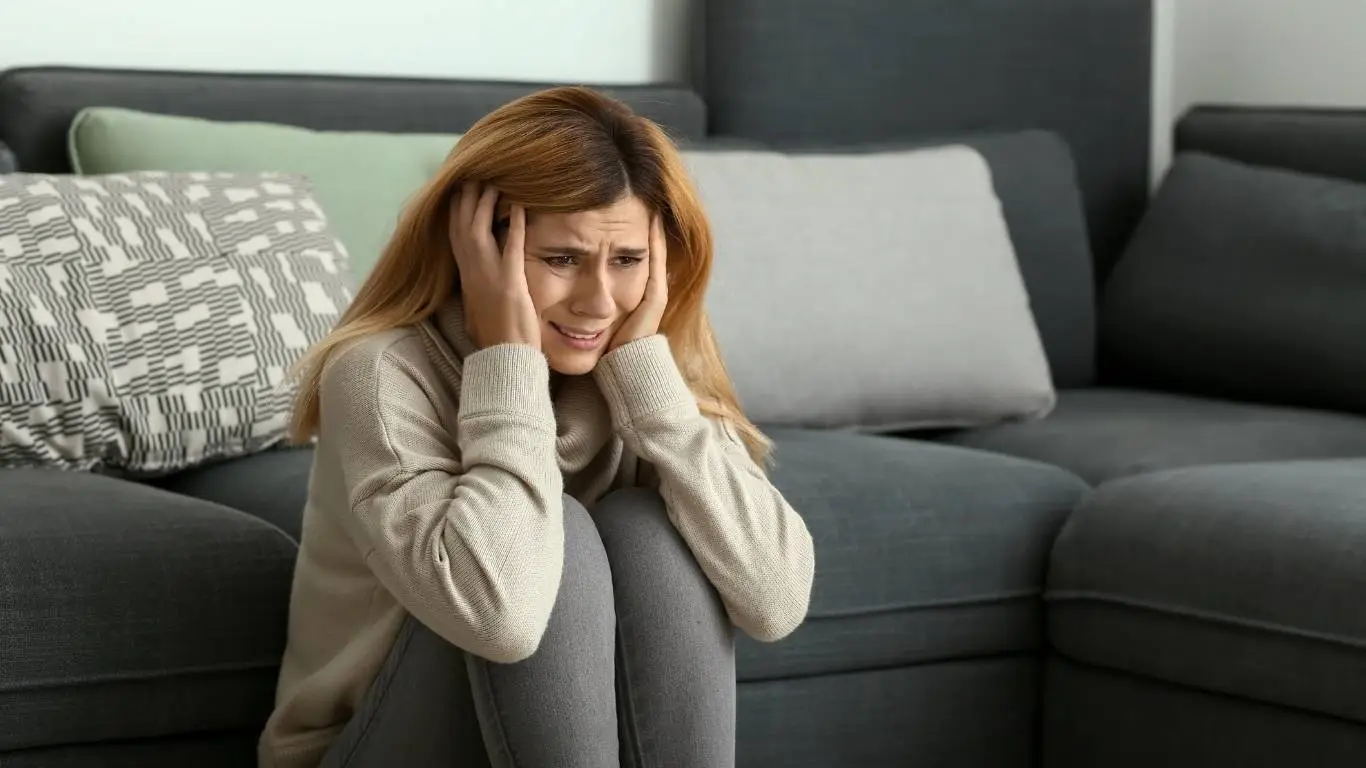
It’s not just about different parenting styles or sibling rivalries. The psychological impact of bringing together people with different emotional histories, routines, and expectations is often underestimated. Anxiety starts to build when you’re constantly juggling unresolved emotional baggage, loyalty conflicts, and new relational dynamics.
The “Peacekeeper” Pressure
I used to try and make everything run smoothly for everyone: my stepkids, my biological children, and my partner. It felt noble—until it became suffocating. When you start internalizing everyone’s moods and disappointments, anxiety creeps in disguised as responsibility.
Unspoken Grief and Guilt
Children in blended families often carry silent grief—grief for the family they once had, even if it was flawed. Adults carry guilt too, especially when things don’t go as smoothly as social media suggests. That emotional turbulence contributes directly to the underlying anxiety many people feel but can’t name.
- Feeling like an outsider in your own home
- Worrying about being “fair” to all kids
- Second-guessing every parental decision
According to American Psychological Association, chronic anxiety can lead to behavioral shifts that negatively affect family communication—exactly what a blended household needs more of.
Recognizing the Signs of Anxiety Before It Explodes

Many step-parents and biological parents alike brush off their symptoms thinking it’s “just stress.” But anxiety has a different rhythm. It’s persistent, it tightens your chest during dinner conversations, and it keeps you awake overthinking that one interaction you had with your stepchild.
Common Red Flags
- Prolonged irritability and tension
- Hyper-awareness of other people’s moods
- Physical symptoms: headaches, fatigue, nausea
- Withdrawing from family moments to ‘calm down’
Don’t ignore these cues. It might be time to assess your emotional well-being. Tools like the GAD-7 questionnaire can offer a structured way to begin identifying what’s really going on inside.
Why Communication Isn’t Just About Talking

We’re always told communication is key—but in a blended family, how you communicate often matters more than what you say. Anxiety alters the way we perceive tone, facial expressions, even silence. I once spent two days worrying I’d offended my stepdaughter with a single sentence, only to find out she hadn’t even heard me.
Techniques That Actually Help
- Mindful Listening: Give space for your partner or children to fully express without jumping in with a fix.
- Non-Verbal Check-ins: Use signals or cards for younger children to express emotions without talking.
- Weekly Family Forums: A casual sit-down with no pressure, just presence. Everyone gets a turn to talk, or not.
Better communication reduces misinterpretations—a major trigger for anxiety. For more structured help, Cognitive Behavioral Therapy strategies can be adapted at home to shift negative patterns.
Self-Care Isn’t a Luxury—It’s a Tool for Survival

I used to think carving out “me-time” was selfish, especially in a blended setup where time was always tight. But here’s what I learned: if you don’t pause for breath, you’ll suffocate silently.
What Actually Works in Real Life
- Journaling: Letting out your daily frustrations before bed prevents them from building up internally.
- Daily movement: Whether it’s yoga or just walking the dog, it’s less about fitness and more about breathing again.
- Digital boundaries: Turn off parenting forums and blended family blogs at 9 PM. Protect your peace.
More calming strategies like progressive muscle relaxation can also be easily integrated into a busy day without the need for expensive resources.
Reframing Roles Without Losing Yourself

Blended families come with an identity shift that’s often unspoken. Are you a stepmom? A co-parent? Just the adult who cooks dinner and organizes carpools? The anxiety of undefined roles can lead to chronic emotional burnout. I found peace not in the title, but in the value I added to our new family story.
Redefining your role doesn’t require approval from anyone. The validation has to come from within. And sometimes that clarity only emerges after peeling back the layers of mental tension you’ve unknowingly accumulated. One resource that truly helped me was this breakdown of lifestyle-focused anxiety management, grounded in practical everyday tools rather than theoretical advice.
Also, this eye-opening read on why anxiety disorders secretly control your daily life hit way too close to home—and helped me begin rebuilding mine with more intention.
When the Kids Have Anxiety Too

If you think you’re the only one carrying emotional weight in a blended family, think again. I didn’t realize until much later that my stepdaughter had been experiencing anxiety from the moment she moved in. It wasn’t loud. It wasn’t dramatic. It was quiet, like not wanting to eat dinner with everyone or hiding in her room after school.
Kids—especially those caught between households—feel that pressure more than we think. Split loyalties, constant change, trying to please everyone… sound familiar? That’s anxiety with a child’s voice. And often, it goes unnoticed until it shows up in ways like:
- Nightmares or trouble sleeping
- Sudden stomachaches or headaches
- Refusing to engage in blended-family activities
- Acting out or withdrawing from one parent
Articles like how childhood trauma quietly shapes adult behavior helped me recognize those early signs and respond with patience rather than punishment. It changed everything about how I show up for my stepkids.
Co-Parenting and the Anxiety That Comes with It

It’s not just what happens inside your home that causes anxiety. It’s the text messages. The awkward drop-offs. The unsolicited opinions from exes. Co-parenting can feel like walking a tightrope with no net.
And when you’re trying to parent from two households with very different rules and emotional climates, you begin to question everything. Why is my stepchild withdrawn after weekends away? Should I say something? Should I not?
This is where emotional boundaries become non-negotiable. Not every problem is yours to fix. That was a hard lesson for me. But the moment I stopped trying to control how the other household ran, my anxiety started to loosen its grip.
For anyone caught in this space, this piece on how anxiety shows up in performance and behavior made me reflect deeply—because those parenting decisions impact more than just emotions. They affect energy, focus, even your job.
When the Relationship Starts to Feel Heavy

I’ll be honest: there were nights I didn’t want to talk to my partner—not because I didn’t love him, but because I was exhausted. Not physically. Emotionally. And he was too. We were both trying so hard to keep everything from falling apart, we stopped checking in on each other.
Blended families often prioritize kids first (understandably), but that leaves the relationship running on fumes. When anxiety builds and partners stop connecting, resentment quietly takes root.
Reconnecting Without Adding Pressure
- Low-effort rituals: Like five-minute morning check-ins with coffee or a no-phones evening walk
- Humor breaks: Watching something silly together just to lighten the emotional air
- Silent support: Sitting side-by-side doing nothing but knowing you’re in it together
When we realized we needed support ourselves, we explored counseling for anxiety disorders—not because our love was weak, but because the weight was heavy. Therapy helped us build tools that fit our real, messy, beautiful life.
Daily Routines That Anchor an Anxious Household

One thing that changed the game for us? Structure. I used to believe that spontaneous, go-with-the-flow energy was best for kids. But with blended families—and anxiety—predictability creates safety.
We didn’t create a military schedule, but small shifts made a huge difference:
- Set dinner times where we all show up—even if it’s just 20 minutes
- Weekly planning boards with who’s going where and when
- “Reset rituals” like lighting a candle or playing music to shift the emotional energy after stressful moments
And yes, some of these ideas came from digging into this lifestyle and self-help anxiety guide that made sense without sounding preachy. It reminded me that structure doesn’t equal control—it equals care.
Fueling the Brain to Calm the Storm

I never made the connection between my sugar binges after tense family discussions and my spike in anxiety—until I did. Nutrition is often the silent contributor to emotional stability in blended families.
Now, we do our best to stock the kitchen with foods that actually help manage anxiety. I’m not saying we gave up pizza nights—but there’s also room for:
- Magnesium-rich snacks like almonds and bananas
- Omega-3-packed meals (hello, salmon Sundays!)
- Caffeine swaps like herbal teas that don’t jack up cortisol levels
There’s a great breakdown on how food and anxiety link in this diet and nutrition-focused anxiety resource that gave me practical tips we still use today.
It’s Okay to Ask for Help—No, Really

One of the hardest things about anxiety in blended families is that you feel like you’re supposed to hold it together—for everyone. But no one benefits from you burning out. Asking for help isn’t weakness—it’s strategy.
Whether it’s talking to a therapist, joining a support group, or leaning on a trusted friend, outside perspective can quiet that inner chaos. One read that shifted my thinking completely was this perspective on anxiety’s silent grip. It wasn’t about fixing everything—it was about not being alone in it anymore.
And if you’re still navigating what kind of support fits you best, this overview of types of anxiety disorders might help clarify what you’ve been feeling all along.

Camellia Wulansari is a dedicated Medical Assistant at a local clinic and a passionate health writer at Healthusias.com. With years of hands-on experience in patient care and a deep interest in preventive medicine, she bridges the gap between clinical knowledge and accessible health information. Camellia specializes in writing about digestive health, chronic conditions like GERD and hypertension, respiratory issues, and autoimmune diseases, aiming to empower readers with practical, easy-to-understand insights. When she’s not assisting patients or writing, you’ll find her enjoying quiet mornings with coffee and a medical journal in hand—or jamming to her favorite metal band, Lamb of God.