Daily Habits That Ease Chronic Anxiety and Boost Inner Calm
Chronic anxiety doesn’t always come crashing in like a thunderstorm. For me, it used to creep in quietly during the mundane — brushing my teeth, sitting in traffic, or scrolling endlessly on my phone. It felt like background noise that never turned off. Over the years, I learned that managing chronic anxiety isn’t about a grand solution but a series of simple, daily habits that gradually ease the pressure. Let me walk you through what truly helped me breathe easier.
Start Your Morning with Intention, Not Your Phone

It sounds simple, but resisting the urge to check notifications first thing changed my mornings. I used to wake up to a barrage of emails, social media, and, frankly, unnecessary stress. Instead, I shifted to a short morning routine that sets a calm tone for the day:
- 5 minutes of deep breathing (yes, just five—consistency matters more than duration)
- A warm glass of lemon water (hydrates and feels oddly therapeutic)
- Looking out the window and just… being present
This small act curbs the mental clutter. Research from Healthline supports that a mindful morning can significantly lower cortisol spikes that fuel anxiety throughout the day. Pair this with time management techniques that reduce anxiety, and you’ll notice a difference within days.
Move, Even if You Don’t Feel Like It

We often hear about exercise being a “cure-all” for anxiety, but let’s be real — on rough days, the idea of hitting the gym feels overwhelming. That’s why I ditched the pressure of structured workouts and embraced casual movement throughout the day:
- Walk around the block while listening to calming music
- Do light stretching between work tasks
- Opt for the stairs, but without obsessing over step counts
These micro-movements release pent-up tension and are surprisingly effective at grounding anxious thoughts. For those who struggle with intrusive anxiety thoughts, gentle physical movement acts like a mental reset button.
Keep Your Caffeine Intake in Check (It’s Sneakier Than You Think)

I used to think my three cups of coffee were harmless until I realized how jittery and on-edge they made me. Caffeine-induced anxiety feels identical to chronic anxiety, making it hard to tell them apart. Swapping coffee with calming herbal teas (peppermint or chamomile are my go-tos) has been a game changer.
Check out this breakdown on how caffeine worsens anxiety. Trust me, you don’t need to quit cold turkey. Just scaling back makes a noticeable difference. For those curious, diet tweaks specifically designed for anxiety can amplify these small adjustments.
Structured Downtime — Because Rest Needs Boundaries Too

Scrolling TikTok for an hour isn’t the same as actual relaxation (I learned that the hard way). Intentional rest needs structure, or else it becomes passive overstimulation. Here’s what helped me reclaim rest as a tool against anxiety:
- Journaling for 10 minutes post-dinner (just dump whatever’s on your mind)
- Setting a 20-minute tech-free reading window before bed
- Using soft background sounds instead of Netflix for “winding down”
The goal is to calm your nervous system, not numb it. If you’re curious about more effective ways to self-soothe, this guide on breathing exercises that genuinely ease anxiety is worth bookmarking.
Don’t Skip Meals (Blood Sugar Swings Mimic Anxiety Attacks)

This was a surprising discovery. On days I skipped breakfast or delayed meals, my heart would race, and my hands would shake — classic anxiety symptoms, right? Turns out, erratic blood sugar can trigger or worsen anxiety episodes.
Maintaining a regular eating schedule with balanced meals (complex carbs, healthy fats, and protein) helps regulate your body’s stress response. This principle is also emphasized in anxiety lifestyle self-help strategies.
Learn to Say “No” — Guilt-Free
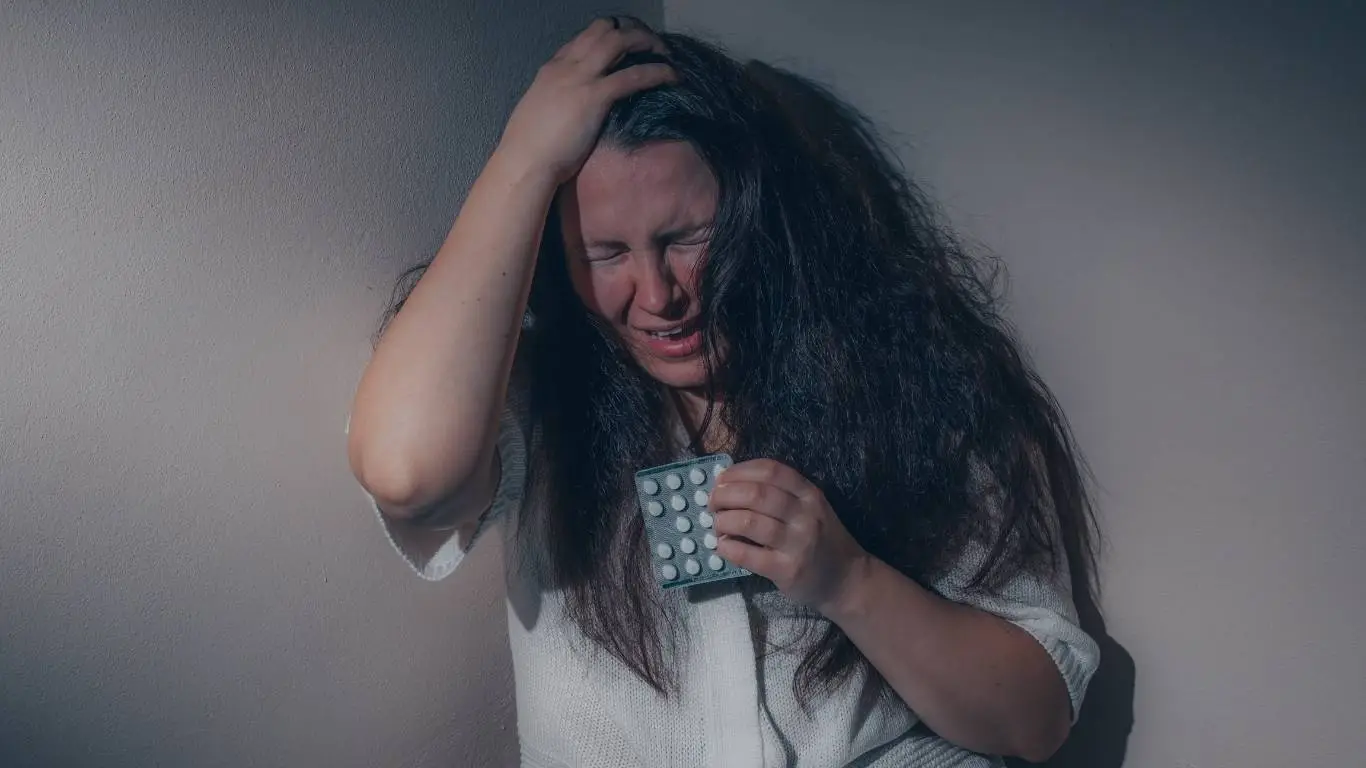
This habit didn’t come easy. Saying “no” felt like I was disappointing everyone, but in reality, constantly overcommitting left me burnt out and triggered daily anxiety flare-ups. Practicing gentle, yet firm boundary setting is one of the most effective anxiety management tools that no one talks about enough.
I started small: declining invites to events I knew would drain me and avoiding extra work tasks when my plate was already full. It’s a skill, and like any skill, it improves with practice. For a deeper dive, this resource on building resilience to combat anxiety triggers is incredibly insightful.
Recognize How Anxiety Sneaks into Your Daily Routine

One of the most overlooked aspects of chronic anxiety is how silently it embeds itself into daily life. From hyper-focusing on minor inconveniences to avoiding difficult conversations, anxiety is sneaky. That’s why understanding how anxiety disrupts routines is crucial. Once you spot these patterns, you can start addressing them head-on.
For a more comprehensive breakdown of anxiety causes and how to regain control, this main guide on how anxiety quietly controls daily life is a must-read.
Prioritize Sleep Hygiene — It’s Not Just About Hours

I used to think getting eight hours of sleep was the magic bullet for my anxiety. Turns out, it’s not just about duration — it’s the *quality* of sleep that matters. Small changes to my bedtime habits made a profound difference:
- Consistent sleep and wake times, even on weekends
- No screens 30 minutes before bed (blue light is sneaky)
- Investing in blackout curtains — total game-changer
If you’ve ever found yourself lying awake with your mind racing, implementing a solid sleep hygiene routine could be the key to quieter nights and calmer days. Plus, if you’re battling sleep deprivation cycles that worsen anxiety, this habit is non-negotiable.
Limit Information Overload — Protect Your Mental Bandwidth

In the age of constant notifications, I found myself mentally exhausted by noon. News headlines, endless scrolling, and information overload subtly fuel chronic anxiety. That’s why I implemented “digital quiet hours.”
Every afternoon from 2 PM to 4 PM, I silence notifications and avoid social media. It’s my brain’s “recharge time.” You’d be amazed how just a couple of unplugged hours sharpen focus and soothe underlying anxiety. This is especially effective if you’re dealing with anxiety triggered by social media.
Practice “Name It to Tame It” — Emotional Labeling in Action

One surprisingly effective daily habit I adopted is simply naming what I’m feeling. When anxiety strikes, I pause and mentally label it: “This is frustration,” “This is fear of failure,” or “This is overwhelm.” It sounds trivial, but it gives my brain a sense of control.
This practice, often referred to as “Name It to Tame It,” is backed by neuroscience. The amygdala (the brain’s fear center) quiets down when we consciously identify emotions. If you’re curious, Acceptance and Commitment Therapy (ACT) dives deeper into this approach and how it transforms anxiety coping mechanisms.
Optimize Your Nutrition to Support Mental Calm

We often underestimate how much our diet influences anxiety levels. It’s not about restrictive diets but ensuring your meals are nourishing your brain. I started incorporating more Omega-3-rich foods like salmon and walnuts, magnesium-loaded greens, and reducing processed sugars.
This isn’t a “quick fix,” but after a few weeks, I noticed my anxiety didn’t flare up as intensely in stressful situations. For more specific insights, check this in-depth guide on nutrition strategies for easing anxiety. You can also explore how Omega-3 fatty acids impact anxiety naturally.
Daily Micro-Meditations — 60 Seconds Is Enough

Meditation used to intimidate me — the idea of sitting still for 20 minutes felt impossible. Then, I discovered “micro-meditations.” Just 60 seconds of intentional breathing between tasks or while waiting in line can dramatically reset your mind.
I often pair this with grounding techniques like noticing five things I can see, four I can touch, and so on. It’s subtle but incredibly effective. A deeper dive into why mindfulness meditation genuinely works for anxiety can give you practical ways to get started, even if you’re a skeptic.
Stay Hydrated — Dehydration Mimics Anxiety Symptoms
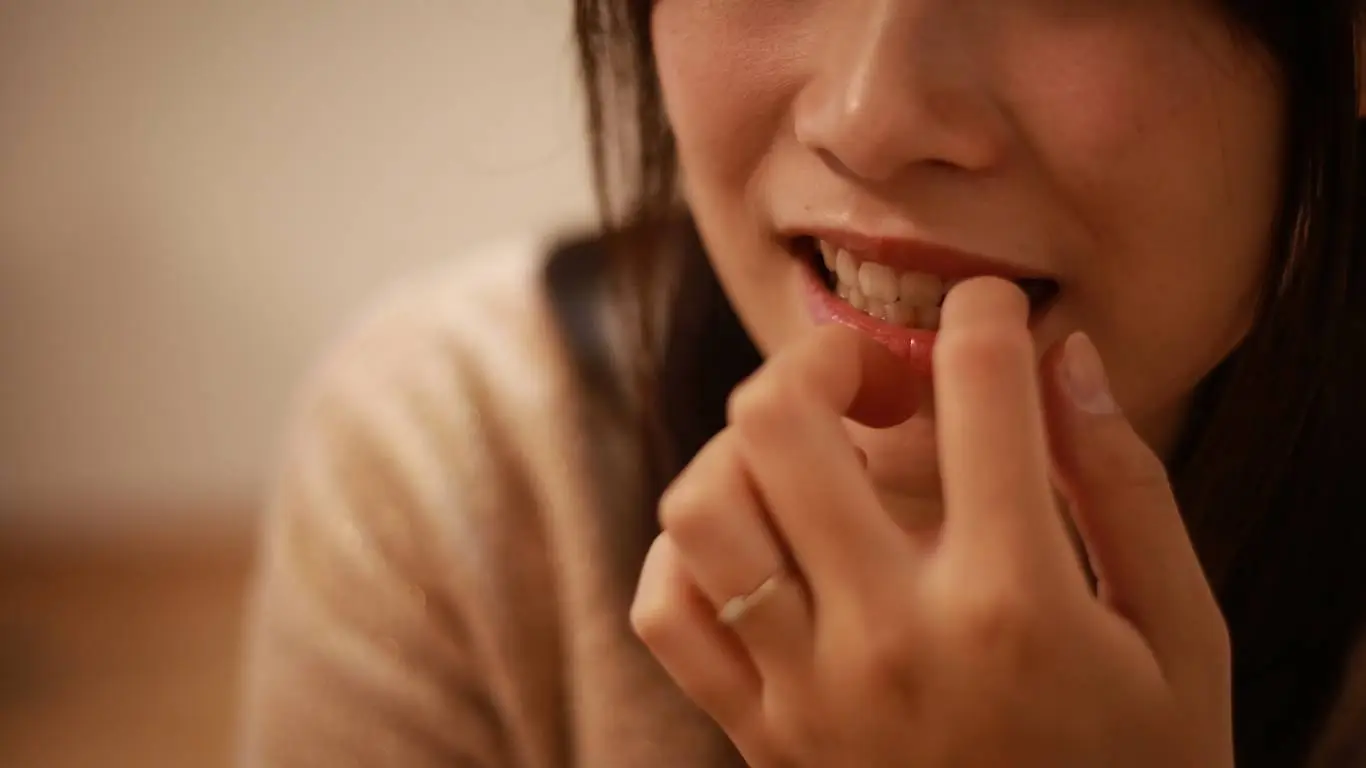
This one caught me off guard. On days I felt more irritable and anxious, I realized I wasn’t drinking enough water. Dehydration can cause heart palpitations, dizziness, and fatigue — all symptoms that mimic or exacerbate anxiety attacks.
Now, I keep a water bottle with me at all times. Adding a pinch of sea salt or electrolyte drops helps maintain balance, especially after workouts. You’d be surprised how many chronic anxiety flares can be eased by simple hydration awareness. Here’s a detailed breakdown on how hydration affects anxiety levels.
Reframe Negative Thought Patterns Daily

One daily ritual I swear by is “thought reframing.” Every morning, I jot down any anxious or negative thought that’s been looping in my head and actively rewrite it. For example, “I’m going to mess up this presentation” becomes “I’ve prepared well, and I can handle unexpected challenges.”
This isn’t toxic positivity; it’s about shifting perspectives to reduce cognitive distortions. If you often catch yourself spiraling with “what if” scenarios, this resource on how cognitive distortions fuel anxiety is eye-opening.
Use Sensory Anchors to Stay Present
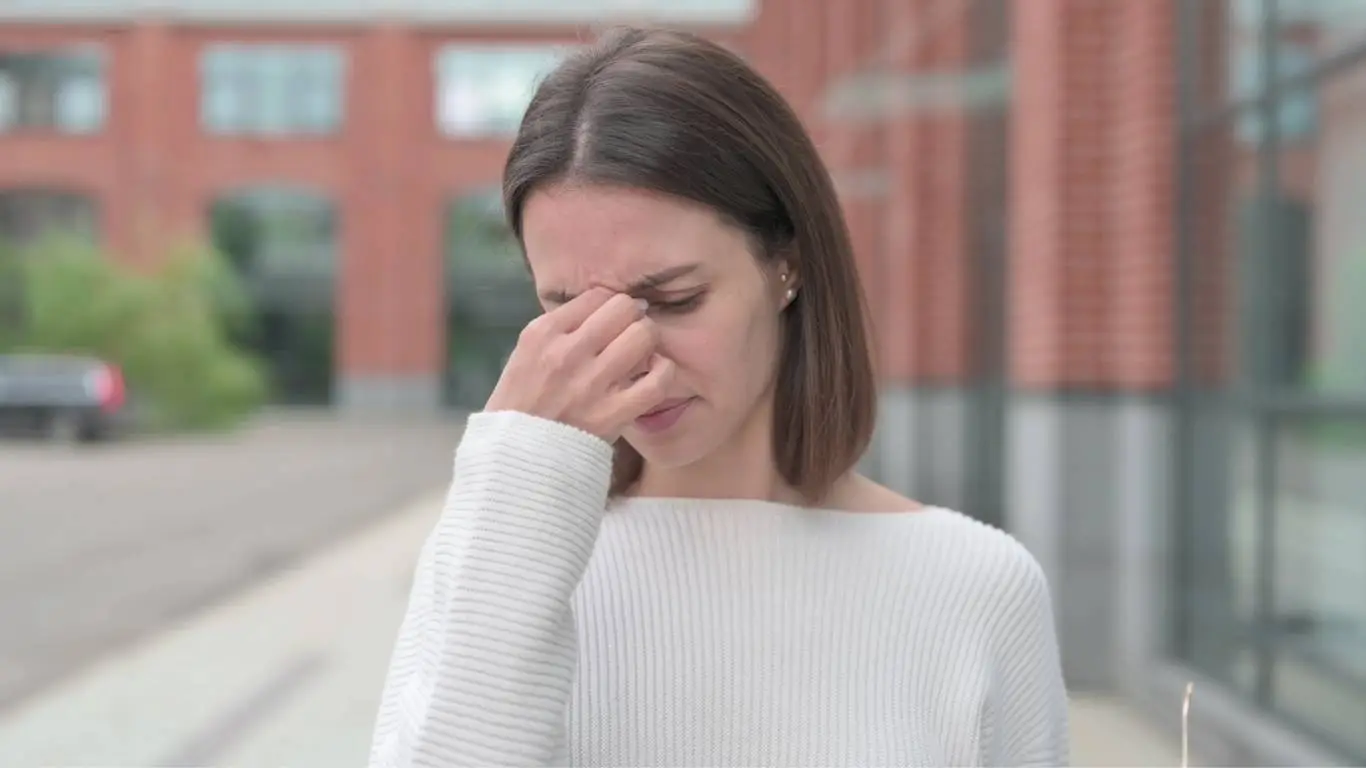
One of the simplest, yet most underrated habits for daily anxiety is using a “sensory anchor.” For me, it’s a small textured stone I carry in my pocket. Whenever I feel anxious, I run my thumb over its surface, which helps ground me instantly.
Others might prefer essential oils, a fidget ring, or even a calming playlist. The goal is to anchor your awareness to something tangible. This technique is especially helpful for managing sensory overload anxiety that sneaks up in busy environments.
If you’re looking for a broader strategy on how anxiety embeds itself into everyday routines, this comprehensive guide on hidden causes of anxiety disorders is incredibly helpful.

Camellia Wulansari is a dedicated Medical Assistant at a local clinic and a passionate health writer at Healthusias.com. With years of hands-on experience in patient care and a deep interest in preventive medicine, she bridges the gap between clinical knowledge and accessible health information. Camellia specializes in writing about digestive health, chronic conditions like GERD and hypertension, respiratory issues, and autoimmune diseases, aiming to empower readers with practical, easy-to-understand insights. When she’s not assisting patients or writing, you’ll find her enjoying quiet mornings with coffee and a medical journal in hand—or jamming to her favorite metal band, Lamb of God.