Best Decompression Devices For Back Relief That Actually Work
Let’s be real—when your back is killing you, you’ll try almost anything to feel normal again. I remember the first time I felt that deep, nagging ache after a long road trip—it was like someone jammed a crowbar into my lower spine. Fast-forward a few years, and I’ve become the kind of person who researches every back pain gadget known to mankind. One tool that actually caught my attention and helped? Decompression devices. They’re not some miracle fix, but when used properly, these things can genuinely give your spine the break it deserves. Let’s unpack how these devices work, what to look for, and whether they’re worth adding to your back-pain-fighting arsenal.
What Are Decompression Devices and Why Are People Raving About Them?

Back decompression devices are designed to relieve pressure on spinal discs—basically, the cushiony pads between your vertebrae that can get compressed over time due to posture, injury, or just plain aging. The goal? To gently stretch the spine and allow discs to reposition, blood flow to improve, and pain to decrease.
There are different types of decompression tools:
- Inversion tables – You hang upside down or at an angle to let gravity decompress your spine.
- Back stretchers – These are curved boards that support and stretch the lumbar area.
- Over-the-door cervical traction – For neck relief, these help pull your head upwards, relieving tension.
- Portable lumbar traction belts – Inflate to push against your torso, lifting and lengthening the spine.
These aren’t gimmicks. When used regularly and correctly, some users (me included) report a noticeable drop in pain levels—especially for conditions like herniated discs, sciatica, or even chronic muscle tightness. It’s not a cure-all, but it’s a strong support tool.
How Decompression Helps Relieve Chronic Lower Back Pain
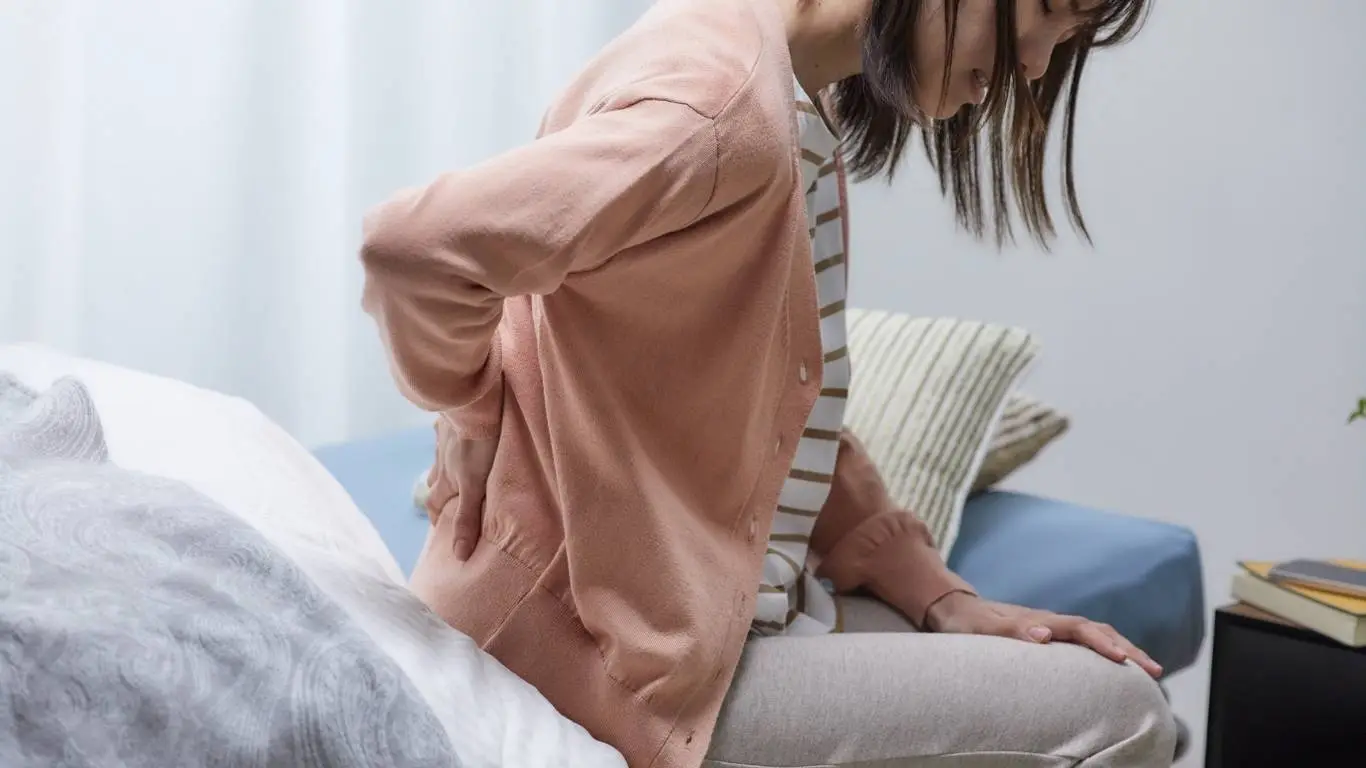
Lower back pain doesn’t always come from one source—it could be a slipped disc, tight muscles, poor posture, or just too much sitting (hello, office chairs). But the common factor is usually pressure. When the spine compresses, nerves can get pinched, and blood flow slows down.
This is where decompression devices shine:
- Restores space between vertebrae: Reduces pinched nerve sensations and radiating pain.
- Improves circulation: Fresh oxygen and nutrients reach areas that were otherwise starved.
- Encourages spinal fluid flow: Aids in healing and reduces inflammation naturally.
There’s a solid amount of research backing this too. According to PubMed and studies published by Spine-health, non-surgical decompression therapy has shown promise for disc-related pain without invasive treatments.
Want to dive deeper into disc-related issues? Check out this guide on bulging disc management—it explains why discs cause so much trouble and how decompression plays a role in managing them.
Who Should (and Shouldn’t) Use These Devices
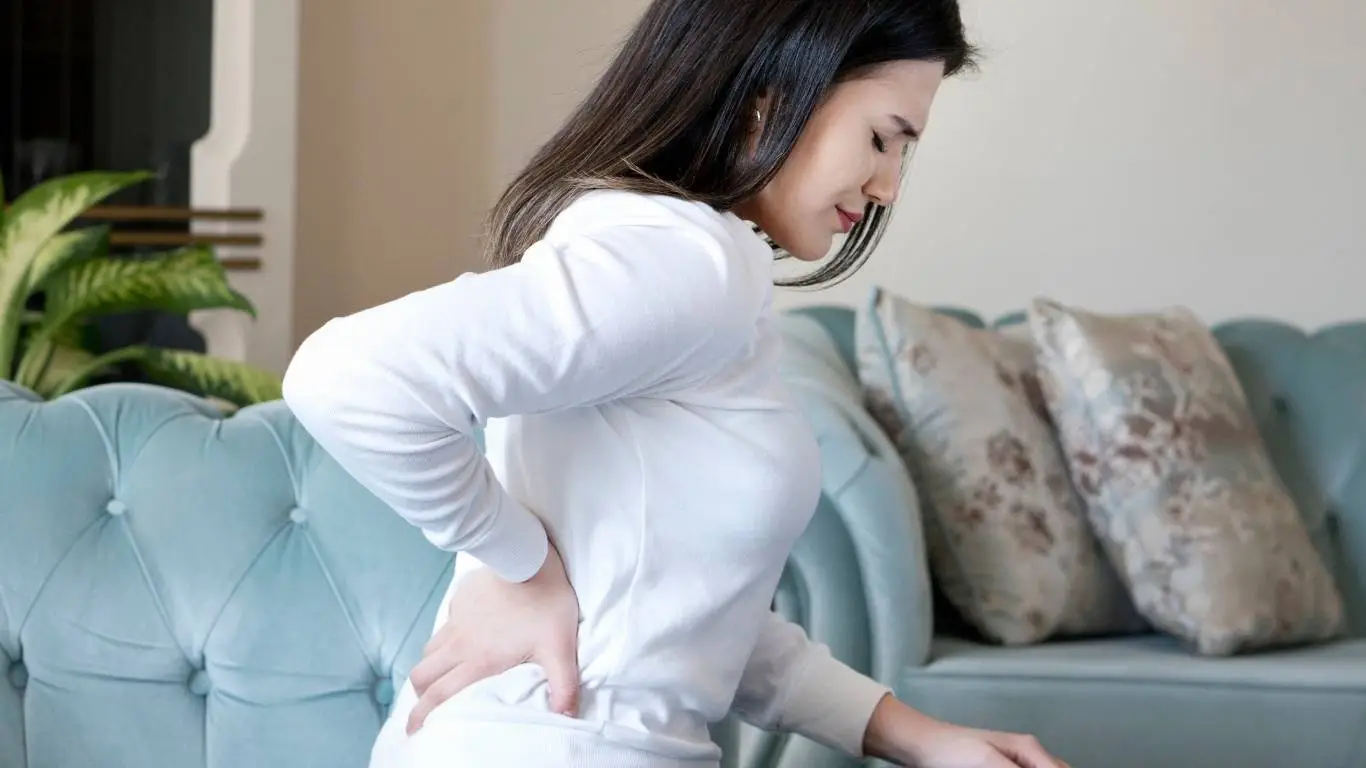
If your pain is coming from issues like muscle strain, poor posture, or mild herniations, decompression may work wonders. I personally started using a lumbar back stretcher after dealing with post-workout soreness that just wouldn’t quit. It wasn’t instant relief, but after a week of daily use? Total game-changer.
Here’s a rough guide to who might benefit:
- People with mild-to-moderate disc issues
- Anyone dealing with tight lower back muscles
- Desk workers or drivers with poor lumbar posture
- Those with sciatic pain that worsens when sitting
That said, not everyone’s a candidate. If you’ve got severe osteoporosis, fractures, spinal tumors, or fresh injuries, these tools can actually make things worse. Always check with a medical professional—especially if you’re new to spinal issues. This article on back pain red flags outlines warning signs that mean it’s time to skip the DIY route and get help fast.
How to Choose the Right Decompression Device for Your Needs

The number of options out there can be overwhelming—I’ve been through at least five before finding the one that fit both my body and budget. Here are a few things to consider when shopping for a decompression device:
- Your specific condition: Is your pain cervical, thoracic, or lumbar?
- Space and storage: Inversion tables take up room, while belts and stretchers are compact.
- Comfort level: Some people get dizzy on inversion tables or find inflatable devices too firm.
- Ease of use: If you’re not into complicated setups, go for something like a foam arch stretcher.
If you’re new to this world, these beginner yoga poses are a great companion to decompression tools. They complement the stretch and help retrain your posture over time.
Daily Use Tips for Maximum Relief

I won’t lie—your first few sessions might feel weird. The stretch can be intense, especially if you’ve been tight for years. But don’t give up too early. Here’s how I eased into it:
- Start slow – Just 3–5 minutes a day for the first week.
- Stay consistent – Daily use is key. Skipping a few days makes a difference.
- Pair with heat – A warm shower or heating pad beforehand helps loosen you up.
- Don’t overdo it – Pain isn’t progress. If something feels off, stop.
If you’re looking for an all-encompassing guide on non-invasive approaches, this pillar article on conservative treatments from Healthusias is full of expert-backed suggestions.
And of course, don’t miss the main guide on understanding back pain—it covers everything from anatomy to emotional connections to pain.
Best Practices for Safe, Effective Use of Decompression Devices
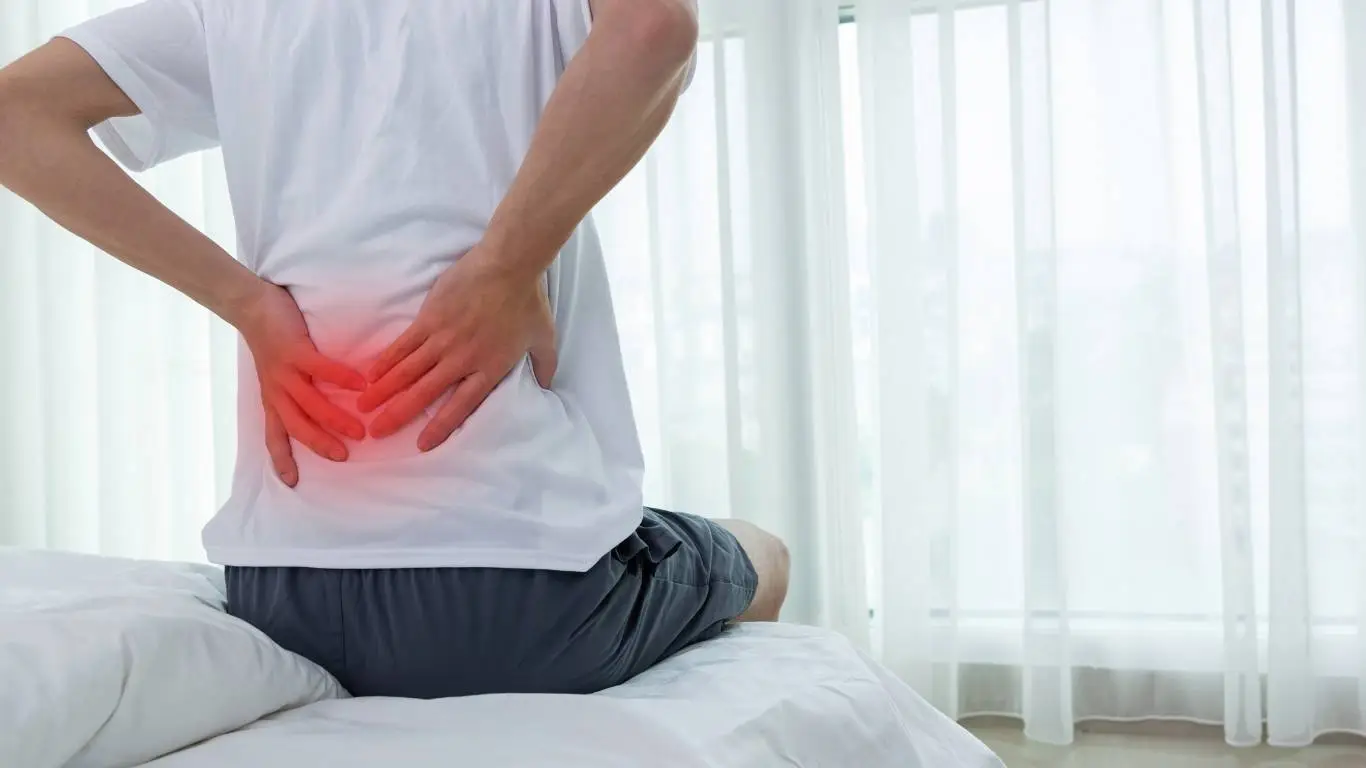
Using decompression tools might seem straightforward, but there’s a bit of an art to getting it right. I learned this the hard way after overdoing it on an inversion table—hello, two-day headache. These tools are powerful, but only if you treat them with respect.
Here’s what helped me (and a few friends who tried them after seeing my results):
- Stick to a routine: Decompression works best when done consistently. I penciled in 10 minutes before bed—it helped me wind down and stretch out after long workdays.
- Use a yoga mat or padded surface: Back stretchers and traction belts work better on a surface with grip. Slippery floors? Not a vibe.
- Monitor your posture during use: Even slight misalignments can make things worse. Use a mirror or ask someone to check your form.
- Combine with core strengthening: A strong core supports your spine. Try adding planks or pelvic tilts a few days a week.
If you’re wondering whether posture might be the culprit behind your back pain, this article on posture-related back pain breaks it down perfectly.
Can Decompression Devices Replace Physical Therapy?

Short answer? Not exactly. While these devices are super helpful, they’re best used alongside professional care—not as a replacement. My physical therapist actually recommended a decompression tool to use between sessions, and that combo worked wonders. If I’d tried to DIY everything, I probably would’ve ended up worse.
Here’s a smart way to look at it:
- Physical therapy = customized recovery, hands-on evaluation, muscle re-training.
- Decompression devices = self-maintenance, daily relief, spine-friendly support.
One complements the other. You don’t have to choose between them. If you’re doing PT and want to maximize your results, ask your provider which tool fits your situation. You can also explore virtual therapy options that pair well with at-home decompression tools.
Decompression for Specific Back Conditions

Not all back pain is the same. That’s what makes decompression devices tricky—some people find relief instantly, while others feel nothing or even worse. It really depends on what’s going on inside your spine.
Herniated or Bulging Discs
This is where decompression often shines. Creating more space between the vertebrae reduces disc pressure and can relieve nerve pain. If you’ve got shooting pain down your leg, it’s worth checking out this guide to sciatica vs general back pain—it helps you figure out which type you’re dealing with.
Degenerative Disc Disease
While you can’t reverse this condition, you can manage symptoms. I’ve had friends in their late 40s swear by lumbar traction belts—they use them before bed and wake up feeling less stiff. For a deep dive into this, read this article on DDD and daily life impact.
Muscle Tightness and Imbalances
Sometimes it’s not even the spine, it’s the muscles around it. A decompression session post-exercise or after long hours at a desk can give muscles a chance to elongate and release. This is especially helpful for runners or lifters. I alternate it with a foam roller to tackle both ends.
Postural Stress
Slouched all day over a laptop? Been there. Devices like back stretchers are especially helpful here—they retrain your body to relax into a more neutral alignment. Combine that with a lumbar cushion and you’re golden. You’ll also want to review this breakdown on standing desks to understand how your workspace might be holding you back.
Helpful Tools That Pair Well With Decompression

One thing I didn’t realize until months in: decompression works even better when paired with the right support gear. These are now staples in my routine:
- Lumbar cushions for work chairs – seriously underrated.
- Heating pads – help muscles relax before stretching.
- Massage guns – great after decompression to boost circulation.
- Yoga straps or rollers – help maintain flexibility and correct imbalances.
And if you’re into tech, these back pain apps are worth downloading. They track progress, remind you to decompress, and guide you through quick mobility routines.
Realistic Expectations: What Results Feel Like

Let’s set the record straight. Decompression devices aren’t magic wands. You won’t wake up tomorrow with a brand-new spine. But with realistic expectations, they can become a powerful part of your recovery toolkit.
In my case, it took about 10 days to feel real improvement—less stiffness in the morning, fewer shooting pains during long drives. Over time, I noticed I wasn’t reaching for painkillers as often. That, to me, is a huge win. Other folks I’ve talked to said it helped them avoid surgery or wean off meds, especially when paired with lifestyle changes and regular stretching.
For those dealing with more stubborn or nerve-based pain, this neuropathic pain guide is worth bookmarking—it breaks down options when decompression alone isn’t enough.
Want a bigger-picture understanding of how to combine decompression with other strategies? Explore the Lifestyle, Diet & Natural Remedies Pillar—it’s packed with complementary approaches that actually support healing long-term.
Also, don’t forget to browse the core Back Pain Hub—where it all starts if you’re feeling lost in the spine maze.

Camellia Wulansari is a dedicated Medical Assistant at a local clinic and a passionate health writer at Healthusias.com. With years of hands-on experience in patient care and a deep interest in preventive medicine, she bridges the gap between clinical knowledge and accessible health information. Camellia specializes in writing about digestive health, chronic conditions like GERD and hypertension, respiratory issues, and autoimmune diseases, aiming to empower readers with practical, easy-to-understand insights. When she’s not assisting patients or writing, you’ll find her enjoying quiet mornings with coffee and a medical journal in hand—or jamming to her favorite metal band, Lamb of God.