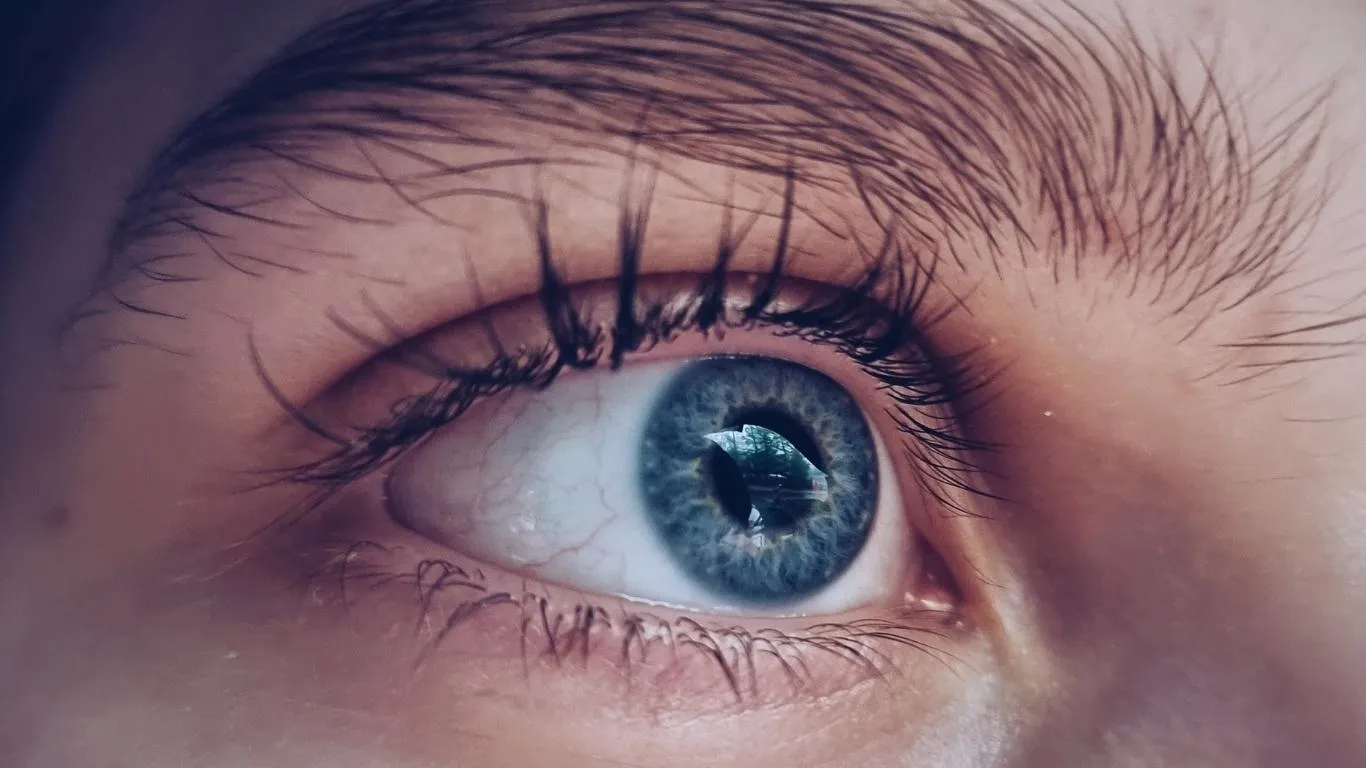
Does Melatonin Improve Floaters at Night or Make Them Worse
If you’re anything like me, night vision has never been your strong suit. Toss in some pesky floaters, and it feels like trying to navigate a dark room with a cracked flashlight. You squint, blink, even wave your hand thinking it’s dust—but no, those ghostly threads are still dancing across your view. For me, the worst part was lying in bed at night, trying to relax, only to find myself focused on the floaters more than my thoughts. That’s when I stumbled into something unexpected: melatonin. You know, the “sleep hormone” supplement? Turns out, some people swear by its calming effect on nighttime eye floaters. But does melatonin actually help? Let’s take a look.
Why Do Eye Floaters Seem Worse at Night?
There’s a reason your floaters feel more annoying at night—and it’s not just your imagination. The simple truth is: contrast makes them more visible. In low light or when staring at a lit screen in the dark, the vitreous floaters cast shadows on the retina, making them pop out more. No ambient light to “soften” the view means your eyes detect floaters much more clearly. That’s especially true if your eyes are already fatigued.
Also, as we age or experience changes in the vitreous gel (which fills your eyeball), floaters can become more frequent. And if you’re prone to nighttime anxiety or insomnia? Yeah, those floaters might feel magnified.
What Is Melatonin, Really?
Melatonin isn’t just some trendy sleep aid. It’s a hormone your pineal gland naturally releases in response to darkness. It helps regulate circadian rhythms—your body’s internal clock—and signals your body when it’s time to hit the sack. But here’s where it gets interesting: melatonin does more than just help you fall asleep. It has antioxidant properties, and studies suggest it might play a role in ocular health.
In fact, according to ncbi.nlm.nih.gov, melatonin receptors are found in multiple eye structures, including the retina. That could mean melatonin influences how we process visual signals—and potentially how floaters appear in low light.
Can Melatonin Actually Reduce Floaters at Night?
Let me be real: I was skeptical at first. But after a few weeks of taking low-dose melatonin (around 0.3 to 1 mg) before bed, I noticed something subtle—the floaters felt less distracting. I wasn’t seeing fewer of them per se, but they seemed dimmer, less defined. Other folks have echoed the same observation on forums and in reviews. The science behind it is still growing, but here’s what might be happening:
- Reduced pupil dilation: Melatonin causes a slight constriction of the pupil, which might reduce floater visibility by limiting incoming light that exaggerates contrast.
- Anti-inflammatory effects: Some research suggests melatonin can ease retinal stress and oxidative damage, potentially calming any inflammation that could be worsening floater symptoms.
- Improved sleep quality: This one’s obvious. Better rest leads to less eye strain, and that can make nighttime floaters feel more manageable.
However, it’s not a magic bullet. For some, the effect is psychological—better sleep equals less annoyance. For others, melatonin genuinely reduces visual noise at night. But again, it’s not curing floaters, just making them less obtrusive.
Is There Scientific Evidence Behind It?
While there’s no mountain of clinical trials that scream “Melatonin cures floaters!”, early studies do support its anti-inflammatory and antioxidant role in eye tissues. A few ophthalmology journals have floated (pun intended) theories on melatonin’s neuroprotective role in retinal cells. There’s even emerging discussion about melatonin’s ability to modulate intraocular pressure and oxidative stress in the eye—two factors that could be linked to worsening floater visibility at night.
One notable sciencedirect.com review even explored how melatonin eye drops might reduce oxidative burden on the retina. That’s promising—but again, it’s early days in research.
What Dosage of Melatonin Should You Try?

More isn’t always better. I started with 3 mg—bad idea. I was groggy the next day and didn’t sleep any deeper. Eventually, I dialed it back to 0.5 mg and that seemed to do the trick. Experts often recommend starting as low as 0.3 mg and adjusting from there.
Always take melatonin 30-60 minutes before bed, and keep the room dark. Light exposure after taking it can blunt its effect. And definitely check with your doctor if you’re taking other medications or have underlying conditions. Melatonin might interact with things like blood pressure meds or antidepressants.
Helpful Tips to Maximize Its Impact:
- Use blackout curtains or a sleep mask to reduce ambient light.
- Limit screen use 1 hour before bed to help natural melatonin production.
- Hydrate—but not excessively. Dehydration may make floaters worse (here’s why).
Oh, and if you’ve been wondering whether floaters are ever a sign of something more serious, it’s worth reviewing this guide on when to call your eye doc. Floaters can be harmless—or they can hint at something urgent.
Want the Bigger Picture?
Melatonin might help. Or it might just take the edge off. Either way, understanding the root cause of your floaters—and what makes them more intense at night—is key. For a deep dive into other causes like injuries, aging, or underlying eye conditions, this detailed breakdown is a great place to start.
And if you’re just getting started on this journey, the complete overview of floaters—from symptoms to treatments—is covered well in this main guide. It’s worth bookmarking.
How Melatonin Might Interact with Other Eye Conditions
If you’ve got more going on than just floaters—say, dry eyes, high myopia, or even early signs of cataracts—melatonin’s role becomes a little more nuanced. For instance, I deal with dry eyes from screen time and noticed that melatonin didn’t help that issue much. In fact, on a few nights, it felt like it made my eyes drier. It turns out melatonin can lower tear production slightly in some people, especially if you’re already borderline dry. Something worth watching.
On the flip side, folks dealing with floaters in their 40s or those with high blood pressure might benefit indirectly. Melatonin may help regulate nighttime blood pressure and stress, both of which affect eye pressure and circulation. Better circulation = potentially less stress on the retina and vitreous. Again, not a cure, but part of a bigger wellness picture.
Could Melatonin Make Floaters Worse?
So here’s the weird part. A small number of people report the opposite effect. Instead of relief, they say melatonin made their floaters more vivid. I had a night like that myself—took 3 mg (yeah, again), and the floaters felt like they had their own light show going. That’s probably because melatonin slightly alters visual processing and contrast sensitivity, which can either dull or exaggerate floaters depending on your eye’s baseline condition.
One theory? Melatonin may influence how retinal photoreceptors process signals in low-light conditions. So if your eyes are already sensitive to contrast shifts (like mine), you might notice floaters more, not less. I’d recommend tracking your symptoms over 1–2 weeks. If it consistently gets worse, ease off the dose or take a break entirely.
Other Natural Remedies to Try Alongside Melatonin
Melatonin isn’t the only tool in the shed. If you’re looking for a more rounded approach, here are a few things that helped me manage night floaters more consistently:
- Lutein & Zeaxanthin: These are powerful antioxidants that protect the retina. I added a supplement with both and noticed slightly better contrast control at night.
- Eye exercises: I know, sounds gimmicky. But doing simple eye tracking routines before bed helped reduce strain. Here’s a breakdown of eye exercises that might help.
- Diet tweaks: More leafy greens, fewer processed foods. Omega-3s are your friend—wild salmon, flaxseed oil, or a clean supplement. Check out these simple diet changes.
- Stay hydrated: Dehydration tends to worsen my floaters instantly. I now keep a water bottle by the bed just in case. Bonus: better skin too.
If you want a deeper dive into alternative and natural options, this guide explores what’s legit and what’s just noise.
Best Practices for Using Melatonin for Eye Floaters
If you’re going to experiment with melatonin, here are some ground rules based on what actually worked for me (and a few trial-and-error mistakes):
- Start low: Begin with 0.3 mg or 0.5 mg. Higher doses don’t mean better results and can disrupt REM sleep or leave you groggy.
- Consistency is key: Take it at the same time every night, ideally 30–45 minutes before lights out.
- Track symptoms: Use a sleep/floater journal for two weeks. Note floater intensity, sleep quality, eye dryness, and mental focus.
- Combine it with screen hygiene: Avoid blue light exposure before bed. I use amber glasses starting around 9 p.m. Total game changer.
Also, keep in mind that floaters can sometimes be a warning sign. If you suddenly notice a burst of new ones, flashing lights, or any shadow creeping into your peripheral vision, check out this guide on floaters before a retinal tear. It could save your sight.
So, Does Melatonin Improve Floaters at Night?
Here’s my honest take: melatonin won’t make floaters disappear, but for some of us, it can take the edge off. Especially if your floaters are more of a nighttime annoyance than a full-blown issue. It seems to reduce contrast, smooth out the distractions, and promote deeper sleep—something most of us don’t get enough of anyway.
But it’s not one-size-fits-all. Some people might not feel any improvement, and others might even feel worse. You’ll need to experiment a little and stay mindful of how your eyes react. But if you’re looking for a low-risk, high-upside solution to take control of floaters after dark, melatonin is worth a trial run.
To understand whether your symptoms match typical patterns, this guide on floater symptoms is a solid reference.
And if you’re new to the whole eye floater universe, I can’t recommend this main overview article enough. It walks through the basics and beyond with none of the fluff.

Camellia Wulansari is a dedicated Medical Assistant at a local clinic and a passionate health writer at Healthusias.com. With years of hands-on experience in patient care and a deep interest in preventive medicine, she bridges the gap between clinical knowledge and accessible health information. Camellia specializes in writing about digestive health, chronic conditions like GERD and hypertension, respiratory issues, and autoimmune diseases, aiming to empower readers with practical, easy-to-understand insights. When she’s not assisting patients or writing, you’ll find her enjoying quiet mornings with coffee and a medical journal in hand—or jamming to her favorite metal band, Lamb of God.