Does Screen Glare Worsen Eye Migraine or Make It More Manageable?
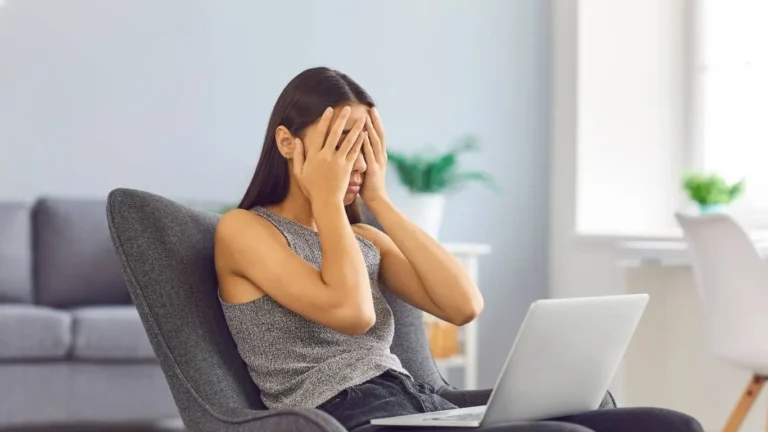
If you’ve ever stared at a bright computer screen for hours and ended up with that stabbing pain behind one eye, you’re not alone. I remember once pulling a long night editing photos, and by morning, it felt like a pulsing thunderstorm had settled right behind my eyeball. That was my first taste of an eye migraine—and screen glare was the not-so-silent culprit. But does screen glare actually worsen eye migraines, or is it just another scapegoat in our overly digital lives?
Understanding the Connection Between Screen Glare and Eye Migraines

Let’s get this out of the way—screen glare isn’t just annoying. It’s a visual assault, especially if you’re prone to migraine with aura. The harsh contrast and intense brightness can overstimulate the brain’s visual cortex, which is already hypersensitive in people who experience migraines.
According to American Academy of Ophthalmology, prolonged exposure to high-luminance digital displays can lead to photophobia and visual fatigue, both of which are migraine triggers. For those of us susceptible to light sensitivity during migraine episodes, screen glare isn’t just uncomfortable—it’s a potential time bomb.
What Exactly Is Screen Glare?
Screen glare happens when light—whether from sunlight or overhead bulbs—reflects off your screen, creating a blinding effect that makes it hard to see details clearly. It forces your eyes to strain and your brain to work overtime. Not surprisingly, this can contribute to migraine onset, particularly the “eye-centric” variety many refer to as ocular or eye migraines.
How Screen Time Habits Can Trigger Migraines

I didn’t even notice how often I squinted at my phone in bed until I started logging my migraine patterns. Every single flare-up followed a binge of emails or doomscrolling late into the night. Turns out, the blue light and glare combo from digital screens is a major player in migraine onset.
Common screen-related triggers include:
- Bright, high-contrast backgrounds
- Extended exposure without blinking
- Improper screen angle causing extra reflection
- Low screen refresh rate or flickering
These factors aren’t just bad for your eyes—they stimulate neural pathways in ways that can spiral into a full-blown migraine.
The Role of Eye Strain
Digital eye strain, sometimes called computer vision syndrome, includes symptoms like dry eyes, blurred vision, and headaches. According to the National Institutes of Health, repetitive eye strain can act as a precursor or amplifier for migraine episodes. If you’ve ever had a migraine build slowly after a long Zoom call, you’ve likely experienced this in real time.
Why Eye Migraines Are Especially Sensitive to Glare
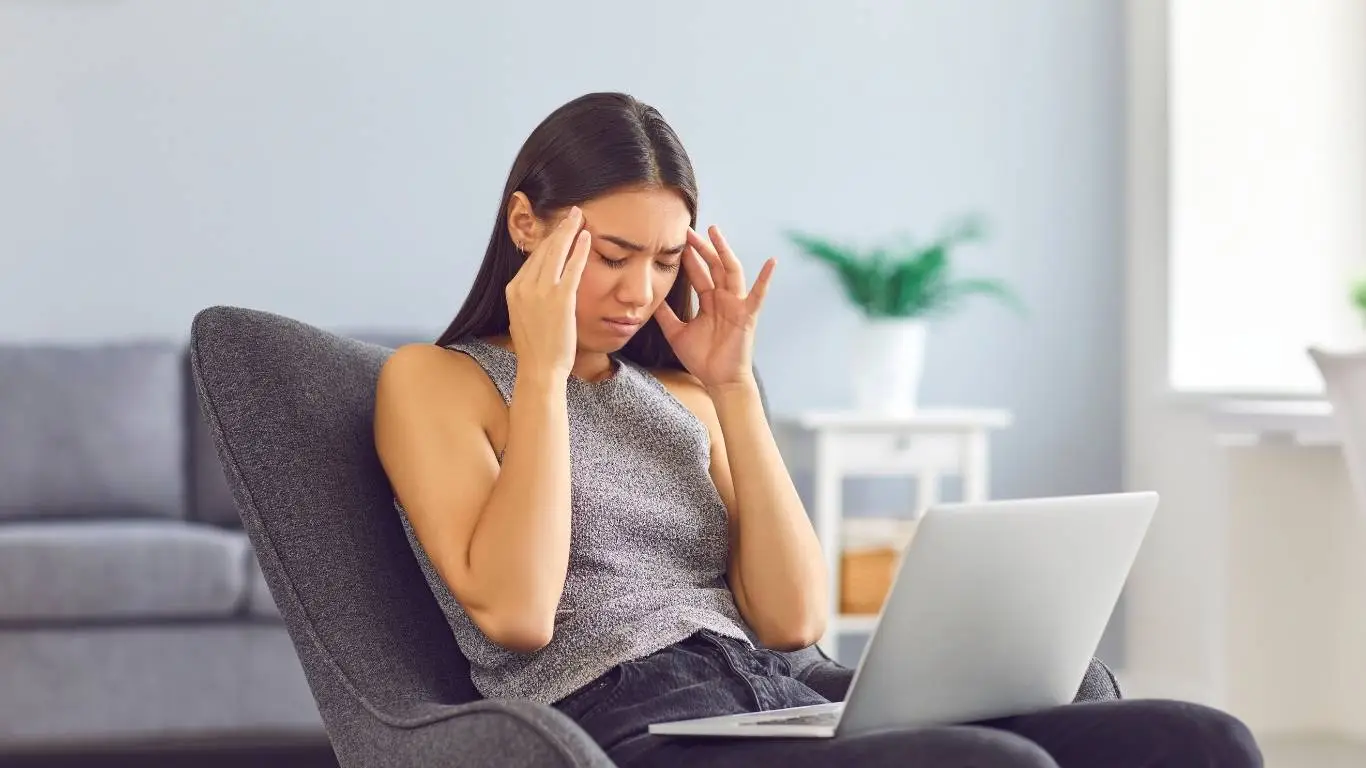
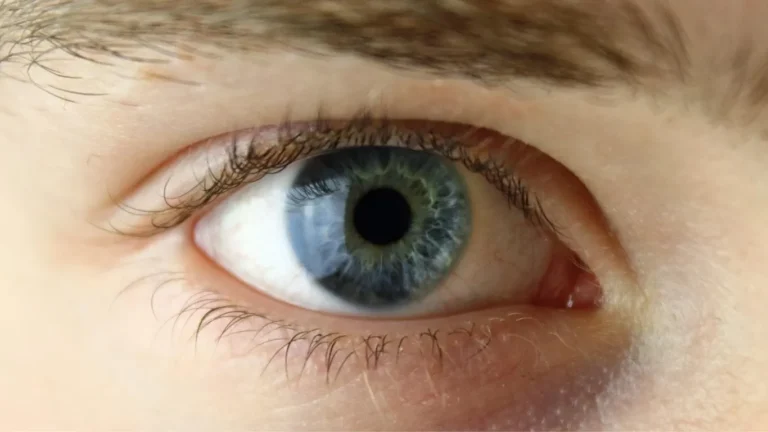
Eye migraines aren’t just about pain—they mess with your vision. Auras, flashing lights, zigzag lines… all that fun stuff. Now, throw in glare that reflects off your screen and confuses your visual field even more. Your brain’s like, “I’ve had enough,” and triggers a migraine as a defense response.
Some researchers suggest that visual overstimulation in the form of high contrast patterns and glares causes cortical spreading depression—basically, a wave of disrupted brain activity that leads to migraine with aura. If you’ve ever wondered why your migraines start with visual oddities, this might explain a lot.
Case in Point: Migraine from Screen Use vs. Light Sensitivity
Not everyone with migraines is sensitive to light, but for many, the symptom is unavoidable. For instance, I once spent a day editing a video with bright transitions and flashing overlays. By the time I finished, my vision had started fragmenting—classic aura. That kind of exposure can blur the line between screen-triggered migraines and standard light sensitivity. Either way, glare only makes it worse.
How to Minimize Screen Glare to Prevent Migraines

Let’s talk about prevention—because trust me, dealing with a migraine after the fact is a losing battle. Here are some things I’ve tested and swear by:
- Use an anti-glare screen protector: This was a game-changer for my laptop. No more weird reflections from the ceiling light.
- Adjust brightness manually: Auto-brightness doesn’t cut it. I keep mine just low enough to read comfortably.
- Blue light filters: Apps like f.lux or built-in night modes work wonders for reducing harsh light tones.
- Change your background: Dark mode isn’t just trendy—it’s eye-saving, especially late at night.
- 20-20-20 Rule: Every 20 minutes, look at something 20 feet away for 20 seconds. I thought it was silly at first, but it seriously helps.
Need more strategies? I found some excellent ideas in this migraine tools and devices guide that dives deeper into screen-related solutions.
When to Seek Help
If glare-induced migraines are frequent, it’s more than a nuisance—it might be a symptom of a deeper neurological pattern. It might be time to check in with a specialist. Seeing a neurologist for migraine management changed everything for me. There’s a difference between managing symptoms and treating root causes, and a pro can help figure that out.
For a comprehensive breakdown of common triggers and how to manage them, this pillar article on migraine triggers is a solid resource. I also recommend starting with the main migraine guide here to understand how all these pieces fit together.
Screen Settings That Actually Help (I’ve Tested These)

If there’s one thing that made a surprising difference for me, it was diving deep into screen display settings. Most people don’t even realize how customizable their devices are—and I get it. We just accept the default settings. But trust me, a few small tweaks go a long way in managing glare and preventing those sharp eye migraines.
- Reduce contrast and saturation: Bold, punchy visuals are great for editing, terrible for sensitive eyes. Dialing them down can ease the strain.
- Choose softer color themes: Themes like sepia or warm beige reduce visual tension dramatically.
- Enable “reading mode” or grayscale: Especially useful for nighttime reading or document review.
- Avoid ultra HD resolution: High-def can sound appealing, but sharper images sometimes exaggerate contrast and reflections.
And yes, for those wondering—these apply to phones, tablets, and even smart TVs. I’ve personally adjusted all my devices, and it’s reduced the frequency of my screen-related migraines more than any supplement I’ve tried.
Posture and Environment: The Glare You Didn’t See Coming

One mistake I made early on was assuming it was all about the screen. Turns out, the setup around you matters just as much. My old workstation had a window directly behind me. Every time the sun came out, it hit my monitor like a spotlight. I’d adjust the blinds, but somehow, that sneaky glare still made its way in.
Here’s what really helped me:
- Positioning the screen perpendicular to windows—not in front or behind
- Using matte desk surfaces (glossy desks can reflect light into your face)
- Installing dimmable ambient lighting to avoid harsh contrast
- Wearing blue light glasses with anti-glare coating (I keep a pair by every screen now)
Also, I realized that posture affects eye angle. When you’re hunched over, you’re more likely to tilt your head and eyes upward, catching more screen glare. A good chair and screen riser fixed that instantly.
External Monitors vs. Laptop Screens
One thing that surprised me? I had fewer migraines using my external monitor than my laptop screen. Why? Turns out, monitor screens tend to be more glare-resistant and easier to adjust ergonomically. If you’re working remotely and experiencing frequent screen-induced migraines, this switch alone might make a massive difference.
Are Anti-Glare Devices Worth It?

I used to think anti-glare accessories were just another money grab. But when I finally gave in and tried a few, it was like night and day. I started with a simple clip-on filter and ended up investing in a full glare-reduction setup, including a light-diffusing desk lamp and tinted lenses designed for migraine management.
Recommended tools worth checking out:
- CEFALY Device – FDA-approved and ideal for frequent sufferers
- Top migraine relief devices – A solid list of tools that helped me test what worked best
- Earplugs and tinted lenses – Reduce visual and auditory noise simultaneously
It’s not about one magic device. It’s about stacking small improvements to reduce overall stimulation—visual, sensory, and environmental.
When Screen Glare Isn’t the Only Culprit

Now, while screen glare is a big deal, it’s rarely the only factor. Migraines—especially the eye kind—tend to have layered causes. When I looked closer, I realized that my worst episodes usually happened when screen glare *combined* with other triggers.
Watch out for these combos:
- Glare + dehydration
- Glare + skipped meals (huge for me!)
- Glare + hormonal fluctuations (yes, hormones are sneaky)
- Glare + poor sleep or sleeping at odd angles (check this guide on sleep posture)
If you’re tackling migraines but only addressing screen glare, you might still get ambushed by one of these hidden culprits.
What Worked for Me Long-Term

Over time, I found it wasn’t about eliminating all glare (because that’s impossible) but managing exposure smarter. I set strict screen breaks, upgraded my workspace, tracked triggers in a migraine diary, and learned to listen to my eyes—literally. When they started feeling tight or overly dry, I stopped and walked away.
I also leaned on the broader migraine management tools from this prevention guide—a great way to build a proactive plan instead of waiting for the next migraine to ruin your day.
And if you want to dig deeper into what migraines are and how they work, this foundational article is worth bookmarking. It ties everything together—from symptoms to causes to long-term strategies.

Bianca Nala is a compassionate Nurse Practitioner with a strong background in primary and respiratory care. As a health writer for Healthusias.com, she combines her clinical expertise with a talent for clear, relatable storytelling to help readers better understand their health. Bianca focuses on topics like asthma, COPD, chronic cough, and overall lung health, aiming to simplify complex medical topics without losing accuracy. Whether she’s treating patients or writing articles, Bianca is driven by a single goal: making quality healthcare knowledge accessible to everyone.