Early Detection of Kidney Disease: 7 Signs and Tests You Should Know
Many people don’t think about their kidney health until something feels off or a routine test brings up an unexpected result. The challenge is that early changes in kidney function often develop quietly. That’s why understanding the basics of early detection of kidney disease can make a meaningful difference in how people respond and stay informed about their health.
This article walks through common early signs, how testing works, and why screening matters—especially for those who may not notice obvious symptoms at first.
Why Early Detection of Kidney Disease Matters
Your kidneys play a steady, behind-the-scenes role in filtering waste, balancing fluids, and supporting overall body function. When something begins to change, the body may adjust in subtle ways that are easy to overlook.
Early detection is important because it helps people become aware of changes before they progress further. Instead of reacting to more serious symptoms later, individuals can better understand what’s happening earlier on.
In many cases, early-stage kidney concerns are identified through routine lab tests rather than physical discomfort. That’s why awareness and regular checkups often go hand in hand.
7 Early Signs People Sometimes Notice
Not everyone experiences noticeable symptoms in the early stages. However, some people report small changes that prompt them to look deeper.
1. Changes in Energy Levels
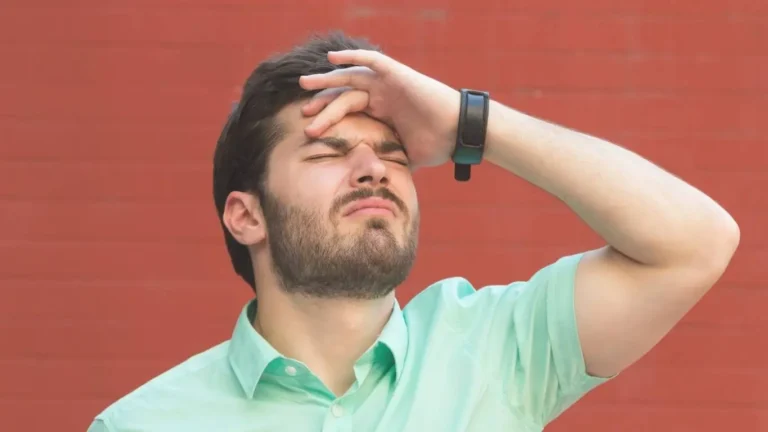
Feeling more tired than usual without a clear reason can sometimes be one of the first things people notice. It may feel like low energy throughout the day or difficulty staying focused.
2. Swelling in Hands, Feet, or Ankles
Fluid balance changes can lead to mild swelling. This might show up as tight shoes, puffy fingers, or slight puffiness around the ankles.
3. Changes in Urination Patterns
Some people notice differences in how often they go, the color of urine, or whether they wake up more at night to use the bathroom.
4. Foamy or Bubbly Urine
This can sometimes appear as persistent foam in the toilet after urinating. While occasional bubbles are normal, repeated patterns may lead people to ask questions.
5. Trouble Concentrating
Some individuals describe feeling mentally foggy or less sharp than usual. This can overlap with fatigue and general low energy.
6. Dry or Itchy Skin
Skin may feel drier than usual or become itchy without a clear cause. This can sometimes reflect internal balance changes.
7. Mild Appetite Changes
A reduced interest in food or subtle changes in taste can also be reported, though these signs tend to be less specific.
It’s important to remember that these signs can be linked to many everyday factors. They don’t confirm a specific condition but can encourage people to learn more or seek routine testing.
Ad
A Simpler Way to Understand Kidney-Friendly Habits
Some people find it easier to follow kidney health advice when it’s organized in one place instead of scattered across different sources.
Explore how this guide breaks things down into clear, everyday steps
What Causes Early Kidney Changes?
Kidney function can be influenced by a range of factors. Often, it’s not one single cause but a combination of long-term patterns.
Common Influences Include:
- Long-term high blood sugar levels
- High blood pressure over time
- Family history of kidney-related concerns
- Aging and natural changes in body systems
- Certain lifestyle habits, such as diet and hydration patterns
These factors don’t always lead to noticeable symptoms right away. That’s why people who fall into higher-risk groups often hear about the importance of routine screening.
How Early Detection Tests Work
Since early signs can be subtle or absent, testing plays a central role in identifying changes.
Urine Testing
A urine test can check for substances that don’t typically appear in large amounts. For example, protein levels in urine may give clues about how well the kidneys are filtering.
Learn more about how this works in urine testing for kidney health.
Blood Testing
Blood tests look at waste levels that the kidneys normally filter out. When these levels rise, it can suggest changes in how efficiently the kidneys are working.
One commonly discussed measure is explained in eGFR testing and kidney function.
Routine Monitoring
In many cases, it’s not just a single test result but patterns over time that provide useful insight. Regular checkups help track whether things are stable or gradually changing.
Who Might Benefit Most from Early Screening?
While anyone can benefit from general health awareness, some groups are more likely to be encouraged to monitor kidney function regularly.
- Adults over a certain age
- People with long-term blood pressure concerns
- Those managing blood sugar levels
- Individuals with a family history of kidney issues
Even for people outside these groups, routine health checkups can still provide helpful information.
How Early Detection Connects to Daily Life
One of the reasons early detection matters is that it gives people time to better understand their habits and overall health patterns.
This doesn’t mean making sudden or extreme changes. Instead, it often involves becoming more aware of:
- Daily hydration habits
- Food choices and balance
- Physical activity levels
- General wellness routines
Some individuals prefer to explore structured approaches when thinking about these areas. Resources like natural kidney support guidance can offer a more organized way to understand everyday habits without feeling overwhelmed.
When People Start Looking Deeper
For many, the journey into understanding kidney health begins with something small—like a routine lab result or a subtle physical change.
At that point, people often start asking questions such as:
- What do these results actually mean?
- Are these changes temporary or ongoing?
- What patterns should I be paying attention to?
This stage is less about finding immediate answers and more about building awareness. Some people read more about broader topics in kidney disease diagnosis basics or explore general guidance through a complete kidney health guide.
Frequently Asked Questions
Can kidney disease really develop without symptoms?
Yes, especially in the early stages. Many people don’t notice any clear symptoms at first, which is why routine testing plays such an important role in early detection.
How often should someone get tested?
This can vary depending on personal health factors and general risk levels. Some people include kidney-related tests as part of regular annual checkups.
Are early signs always easy to recognize?
Not always. Early signs are often subtle and can overlap with everyday issues like fatigue or minor swelling, which is why they may not immediately stand out.
What’s the difference between urine and blood tests?
Urine tests typically look for substances that shouldn’t be present in large amounts, while blood tests measure how well the kidneys are filtering waste. Both offer different pieces of information.
Where do people usually start if they want to learn more?
Many begin with general educational resources or structured guides. In some cases, readers explore approaches like ways to support kidney function naturally to better understand lifestyle-related factors.
Closing Thoughts on Early Detection of Kidney Disease
Early detection of kidney disease is less about reacting to obvious symptoms and more about staying informed before problems become more noticeable. Since early changes often happen quietly, awareness and routine testing can play a key role in understanding what’s happening inside the body.
For many people, this process starts with simple curiosity—paying attention to small changes, reviewing test results, and gradually learning more about how the body works. Over time, that awareness can make it easier to navigate health decisions with clarity and confidence.
Some readers find it helpful to explore structured information that connects these pieces together in a practical way, especially when trying to make sense of everyday habits and long-term health patterns.

Robin Abbott is a wellness and lifestyle writer at Healthusias, focusing on everyday health awareness, habits, and life optimization through clear, non-medical explanations.