Effective Relief From Compression Fractures Back Pain
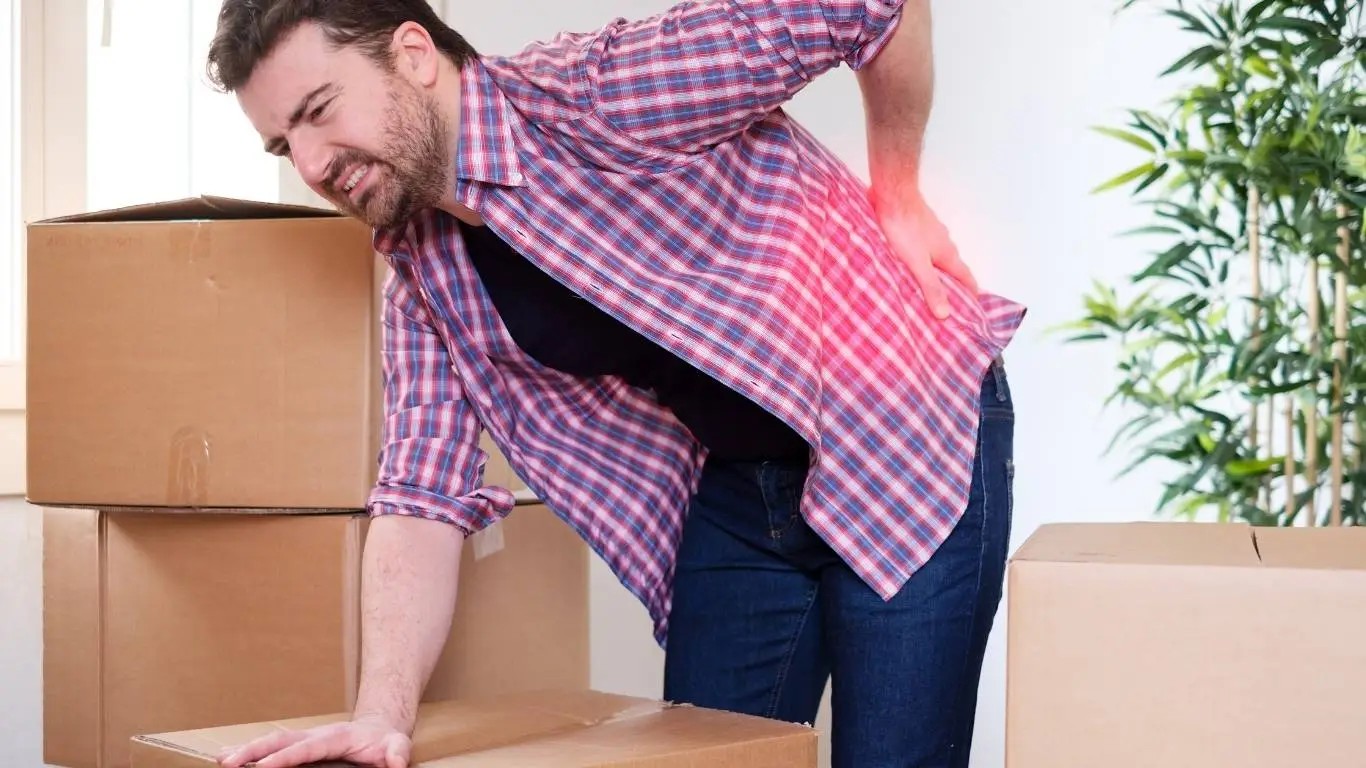
It all started with a sharp, stabbing ache in my mid-back after I bent down to pick up a grocery bag. At first, I chalked it up to a pulled muscle — maybe I’d slept wrong or twisted awkwardly. But the pain lingered, deep and unrelenting. Weeks later, I found out it was a compression fracture. And let me tell you, back pain from a compression fracture isn’t your typical “sore after a workout” kind of thing — it’s intense, persistent, and affects your life in a hundred small ways you don’t even think about until it hurts to do them.
What Exactly Is a Compression Fracture?

Compression fractures usually occur in the vertebrae, those stackable bones in your spine that support your whole upper body. It’s like one of those bones gets crushed down, typically due to osteoporosis, a condition that weakens bones. But injuries, accidents, or even certain cancers can also trigger these fractures. I had no idea my bone density was even an issue until my scan showed otherwise.
The thing about compression fractures is, they sneak up on you. You might not realize something’s seriously wrong until the pain doesn’t go away — or until you lose an inch or two of height seemingly overnight. Yep, that’s real.
How Compression Fractures Trigger Back Pain
When one or more vertebrae collapse, they affect not only the stability of your spine but also surrounding muscles and nerves. The resulting pain can range from dull and achy to downright debilitating. I remember some mornings where even shifting in bed felt like an impossible task.
The collapsed bone pushes on nearby nerves, triggering shooting or radiating pain. This can worsen with movement, coughing, or even just standing for long periods. Over time, your posture might shift to compensate for the pain, causing further strain.
Common Symptoms You Shouldn’t Ignore
- Sudden onset of back pain without a known injury
- Pain that worsens with movement but improves with rest
- Loss of height
- Rounded or hunched posture (kyphosis)
- Limited spinal flexibility
If you’re nodding along to a few of these, it’s worth getting checked out. These symptoms often overlap with other spinal conditions, so proper diagnosis is key.
Who’s Most at Risk?

Although anyone can get a compression fracture, certain groups are more vulnerable. Women over 50, especially post-menopausal, are at higher risk due to bone density loss. That was a surprise to me — I always thought I was healthy and active enough to dodge that bullet. Turns out, bone health isn’t always visible.
Other risk factors include:
- Chronic use of corticosteroids
- Smoking and poor diet
- Lack of weight-bearing exercise
- History of cancer, especially metastatic cancers that spread to bone
If you fall into any of these categories, a bone scan or DEXA test can be a smart preventative move.
How Is It Diagnosed?
Diagnosing a compression fracture often involves a combination of physical examination and imaging — X-rays, MRI, or a CT scan. If your doctor suspects osteoporosis, they’ll likely follow up with bone density tests. In my case, the X-ray was telling, but the MRI confirmed the extent of the damage.
More info on how back conditions are diagnosed can be found in this comprehensive guide on symptoms and diagnosis.
Conservative Treatments That Actually Work

The good news? Not every compression fracture needs surgery. In fact, most cases — mine included — are managed with a mix of rest, medication, and physical therapy. I spent about three months in a rigid back brace, which helped stabilize the spine so it could heal. Pain meds helped take the edge off, but I relied more on targeted exercises once I was cleared by my doc.
Top Non-Surgical Options:
- Bracing: Prevents further collapse and supports healing
- Pain management: NSAIDs, acetaminophen, or short-term opioids
- Physical therapy: Core strengthening, posture correction
- Activity modification: Avoiding heavy lifting or bending
Check out the conservative treatment approaches for more real-world strategies that doctors recommend.
And let’s not ignore the emotional toll. Chronic pain is exhausting, and compression fractures can sideline your daily life. Many people benefit from integrating mental health support as part of their recovery.
Want the bigger picture on back pain and why this matters? The main back pain resource on Healthusias offers a full breakdown across causes, types, and treatments worth browsing.
For those focusing specifically on structural causes and anatomy, this pillar article dives into how your spine’s form affects its function — and how damage like compression fractures disrupt that balance.
For more in-depth background and stats on this condition, reputable sources like ncbi.nlm.nih.gov, cdc.gov, and mayoclinic.org can add to your understanding.
Minimally Invasive Surgical Options (When You Really Need Them)

Now, I was lucky — conservative treatment worked for me. But that’s not always the case. Some compression fractures don’t heal properly or cause chronic, disabling pain. That’s when minimally invasive procedures like vertebroplasty or kyphoplasty come into play.
Both involve injecting bone cement into the fractured vertebra to stabilize it. In kyphoplasty, a balloon is first inserted to restore lost height before cement fills the space. It sounds intense — and I’ll admit, I was nervous — but a friend of mine swears kyphoplasty gave her her life back. She went from needing help to sit up, to walking without pain in less than two weeks.
If you’re interested in what these treatments involve, here’s a deeper dive into minimally invasive options worth checking out.
What Recovery Actually Looks Like

Let’s talk real recovery. It’s not just about pain going away — it’s about regaining confidence in your body again. After a compression fracture, you don’t move the same. You hesitate. You brace. You second-guess simple motions like reaching overhead or tying your shoes.
My recovery involved more than just physical therapy. It took re-learning posture, building back core strength, and honestly, being patient with my body. Healing wasn’t linear either — I had good weeks, setbacks, and plenty of frustration. But over time, I noticed I could walk further, sleep more comfortably, and eventually go a full day without thinking about the pain.
Helpful Recovery Tools
- Supportive chair cushions and lumbar rolls
- Gentle yoga (approved by your PT)
- Heat/ice therapy rotation
- Daily stretching routines to avoid stiffness
Recovery might also mean learning about posture science and how ergonomics can make or break your day. If you spend hours at a desk like I do, I highly recommend exploring this ergonomics and rehab guide.
Lifestyle Habits That Support Long-Term Spine Health

Once I was out of the brace, I knew I needed to be proactive — not just reactive. That’s where lifestyle comes in. And no, I’m not talking about overhauling your life overnight. I’m talking about small, consistent habits that protect your spine every single day.
Build a Stronger Back with Smart Habits
- Eat for your bones: Add more calcium-rich foods like leafy greens, almonds, and fortified plant milks. Don’t forget Vitamin D.
- Weight-bearing exercise: Even walking daily helps maintain bone mass. Resistance bands are your friend.
- Quit smoking (seriously): Smoking reduces bone density and slows healing.
- Cut back on alcohol: Excess drinking interferes with calcium absorption and balance — both are crucial here.
If you want natural, holistic strategies, this resource on lifestyle and diet changes offers a well-rounded perspective.
The Mental Toll of Living with Spine Pain
Let’s be real — compression fractures don’t just hurt your back. They hurt your confidence, your independence, and sometimes your relationships. I remember snapping at my partner one night just because I was too tired to fake being okay. The emotional strain is a lot, especially if the healing process drags on.
That’s why addressing the mental and emotional aspects of back pain is just as important as the physical. From stress-related flare-ups to anxiety around movement, you’re not imagining it — pain affects your whole life. It’s okay to ask for support.
Can You Prevent Future Compression Fractures?

While you can’t undo a fracture, you can absolutely lower your risk of future ones. That’s been my focus ever since. I get yearly bone scans now, take my prescribed calcium supplements, and keep up with strength training. But even more important, I’m tuned into my posture, movement patterns, and stress levels — things I used to completely ignore.
Smart Prevention Tips
- Regular bone density testing (especially for women over 50)
- Fall-proofing your home — add grab bars, remove rugs, improve lighting
- Safe weight training under supervision
- Using proper lifting techniques — no twisting and lifting!
For a broader perspective on how occupation and lifestyle can influence your spine health, the section on back pain and daily activity is an insightful read.
And don’t forget — maintaining a healthy spine is a lifelong process. It starts with awareness, then action. For an in-depth look at how spinal structure plays a role in back health, especially regarding fractures, I highly suggest this read on types and anatomy of back pain.
For a full overview and resource hub covering all angles of spinal care, this main pillar article on back pain is an excellent place to stay informed and empowered.
External references that helped me along the way include niams.nih.gov, bones.nih.gov, and cdc.gov — all solid sources if you want to dig deeper into the science behind bone health and fracture recovery.

Camellia Wulansari is a dedicated Medical Assistant at a local clinic and a passionate health writer at Healthusias.com. With years of hands-on experience in patient care and a deep interest in preventive medicine, she bridges the gap between clinical knowledge and accessible health information. Camellia specializes in writing about digestive health, chronic conditions like GERD and hypertension, respiratory issues, and autoimmune diseases, aiming to empower readers with practical, easy-to-understand insights. When she’s not assisting patients or writing, you’ll find her enjoying quiet mornings with coffee and a medical journal in hand—or jamming to her favorite metal band, Lamb of God.