Effective Ways To Find Stress-Induced Eye Floaters Relief Fast
If you’ve ever been working late, under pressure, or dealing with some intense emotional turmoil, and suddenly noticed tiny squiggly things floating across your vision—yeah, same here. I remember during a particularly stressful month juggling work and personal issues, I noticed these little drifting spots. I blinked, rubbed my eyes, and they were still there. That was my first run-in with what I later learned were *eye floaters*. At the time, I had no clue that stress could actually make them worse—or even be a trigger in the first place.
Understanding Stress-Induced Eye Floaters
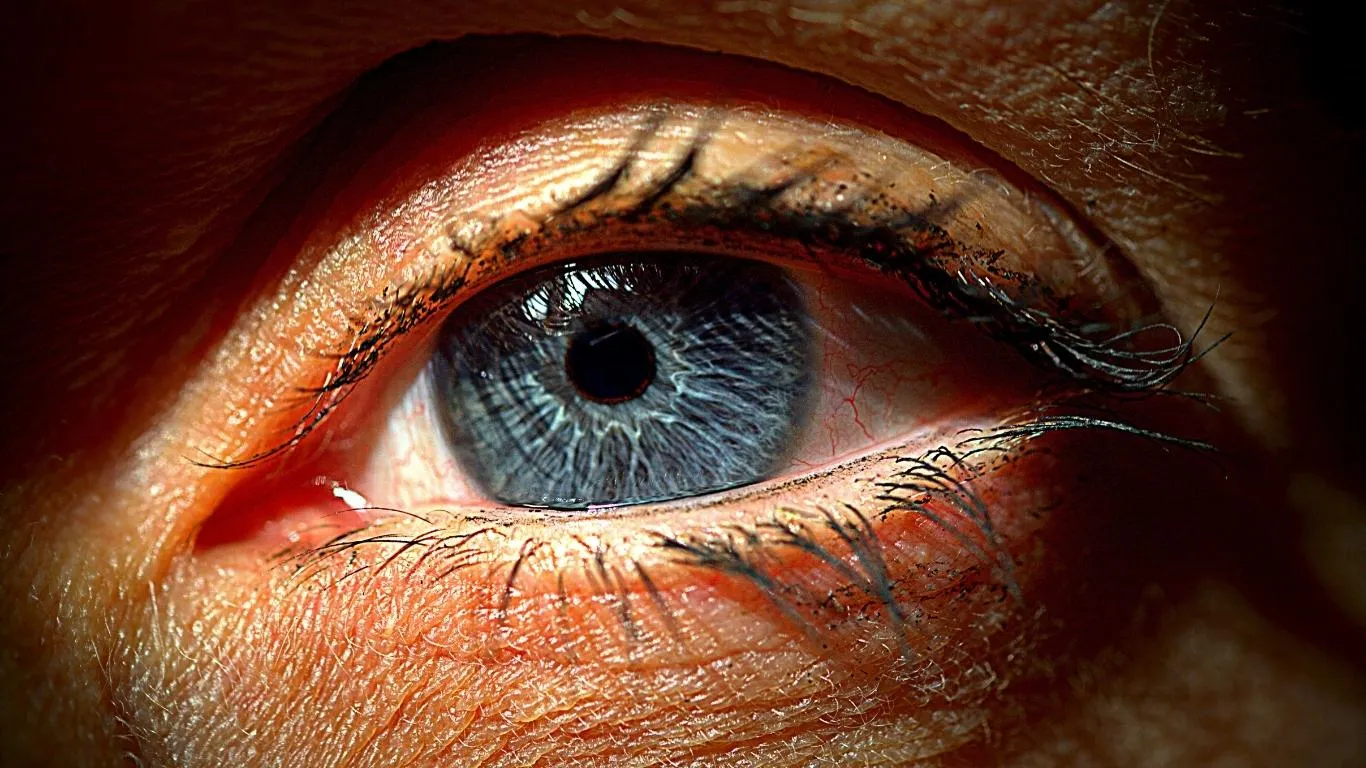
Eye floaters themselves aren’t new or rare. They’re usually tiny clumps of collagen or protein floating in the vitreous—the gel-like substance inside our eyes. What is new (at least to many of us) is how stress, something most of us just accept as part of modern life, can play a role in their frequency, visibility, or even their onset.
What Are Eye Floaters, Really?
They often look like translucent strings, specks, cobwebs, or even small circles. Most of the time, they’re harmless, and they drift out of your vision as your eyes move. But when you’re under stress, you might notice them more—and sometimes they even appear more frequently. I definitely did. It’s not just in your head; there’s science behind this.
So, Can Stress Actually Cause Eye Floaters?
Short answer: It might not create them from scratch, but it can definitely make them worse—or more noticeable. Chronic stress affects circulation, increases inflammation, and alters hormone levels like cortisol, which in turn can affect eye health. This can aggravate the vitreous body and lead to changes that either bring floaters to your attention or possibly even speed up the degeneration process.
- Increased cortisol can compromise collagen integrity.
- Elevated blood pressure might impact the microcirculation in the retina.
- Eye strain from stress-induced screen overuse can make floaters more visible.
One article that goes deeper into this relationship between stress and eye floaters really hit home for me. It explained why I was seeing more floaters when my anxiety was through the roof. Eye health professionals increasingly acknowledge this link, even if it’s still not mainstream advice.
Signs Your Floaters Might Be Stress-Related
Here’s how I began to suspect mine were tied to stress:
- I noticed them after back-to-back days of high pressure and little sleep.
- They faded on calmer days—literally seemed less noticeable.
- Screen time and late-night scrolling made them worse.
You’re not imagining things if you experience something similar. While floaters can have many causes—like aging, diabetes, or eye trauma—stress appears to amplify symptoms. It’s worth noting that floaters may also signal underlying conditions. For instance, persistent floaters could be tied to autoimmune responses that flare during chronic stress.
What Makes Stress-Related Floaters Unique?
These floaters might not be fundamentally different in structure, but how and when they appear often follows emotional triggers, fatigue, or heightened nervous tension. If your body’s in fight-or-flight mode too often, you’re putting your entire visual system on edge.
Relief Tactics That Actually Help
I’m not into gimmicks or quick-fix pills, but over time, I found a few things that genuinely made a difference:
1. Blink and Breathe (Yes, It Works)
Simple, but weirdly effective. Just taking a moment to do focused blinking exercises while doing breathing techniques helped me notice fewer floaters. Your eyes stay better hydrated, your muscles relax, and it kind of breaks the vicious loop.
2. Magnesium Supplements and Omega-3s
After reading more into the connection between nutrition and eye health, I added magnesium glycinate and high-quality fish oil into my daily routine. A study I came across on ncbi.nlm.nih.gov backed the benefit of magnesium in managing stress-related inflammation, which may indirectly support vitreous health.
3. Sleep Like It’s Your Job
No matter how many eye drops I tried, nothing helped until I got serious about sleep. I had to build better habits—dark, quiet room, no screens before bed, melatonin on rough nights. Not only did the floaters fade in presence, but my overall eye comfort improved massively.
4. Reduce Screen Glare and Blue Light
Extended digital use under stress worsens floaters for a lot of people. If you’re in your 40s or close, this can sneak up on you. Check this read on screen-time-related floaters. I started using blue-light filters and followed the 20-20-20 rule. Surprisingly helpful.
When You Should Be Concerned
Of course, not all floaters are benign. Stress might be amplifying their visibility, but sudden bursts of floaters, especially when accompanied by flashes of light or loss of peripheral vision, could be a red flag. It might point to a retinal issue—something you do not want to mess with. This resource on retinal tears breaks it down well.
In these cases, don’t wait. See an eye specialist immediately.
Dig Deeper Into the Bigger Picture
Whether yours are stress-induced or not, understanding the root cause is key to proper management. I found the detailed guide on common causes of eye floaters incredibly helpful in sorting out what’s normal and what’s not. For a bigger picture, definitely check out the main article on eye floaters causes, symptoms, and treatment options—it’s packed with reliable insight.
Addressing the Root: Managing Stress for Long-Term Relief
Let’s be honest—telling someone to “just stress less” is about as useful as telling them not to think of a pink elephant. If you’re like me, stress is just part of life: deadlines, bills, relationships, family stuff—it piles up. But when I finally accepted that my stress levels were not only draining my energy but messing with my vision, I knew I had to shift something deeper. Not just reactively, but proactively.
So how do you take control of something as intangible as stress—and protect your vision while you’re at it?
Mindfulness Practices That Actually Stick
I used to roll my eyes at the idea of meditation. But after trying out some mindfulness apps and eventually settling into a 10-minute breathing routine each morning, I noticed a difference—not just in mood but also in how much less I noticed those floaters hovering in my vision.
- Box Breathing: Inhale for 4 seconds, hold for 4, exhale for 4, hold again for 4. Simple, portable, and oddly effective.
- Body Scan Meditation: Helps relax eye muscles that tense up when you’re anxious.
- Gratitude Journaling: I know, sounds cheesy, but putting attention on what’s going right shifts the nervous system out of fight-or-flight mode.
Regular Eye-Friendly Movement
When I started doing yoga more regularly—not even fancy stuff, just simple home flows—I realized how much tension I was holding in my face and neck. That tension pulls on the muscles around your eyes, which makes floaters feel worse. Even just walking outdoors (with sunglasses, of course) gives your eyes a break and calms your whole system down.
If your floaters are paired with blood pressure issues, you might want to read this breakdown on how hypertension and floaters connect. The more holistic your approach to stress, the more your vision can benefit.
Nutrition That Supports Both Eye and Mental Health
Let’s not sugarcoat it: what you eat plays a huge role in both how your body processes stress and how your eyes respond to internal inflammation. I cleaned up my diet (mostly), and here’s what seemed to help most with my floaters:
- Leafy greens: Kale, spinach, arugula—high in lutein and zeaxanthin.
- Fatty fish: Omega-3s are critical for retinal health. Salmon is my go-to.
- Magnesium-rich foods: Like almonds, black beans, and even dark chocolate (bonus!).
I also started limiting added sugars and processed foods—both of which spike inflammation and make stress responses worse. There’s growing research (check webmd.com) linking poor diets to increased ocular issues, including floaters.
Are Supplements Worth It?
For me, yes—but only after reading up and talking to my doctor. I now rotate through:
- L-Theanine: Natural anxiety reducer.
- Vitamin C and E: For antioxidant support.
- Astaxanthin: A powerhouse carotenoid shown to support eye health.
Before diving into any supplement routine, it’s smart to consult your physician—especially if you have existing conditions. You can also browse this resource on the best supplements for floaters for more options.
Creating a Visual Hygiene Routine
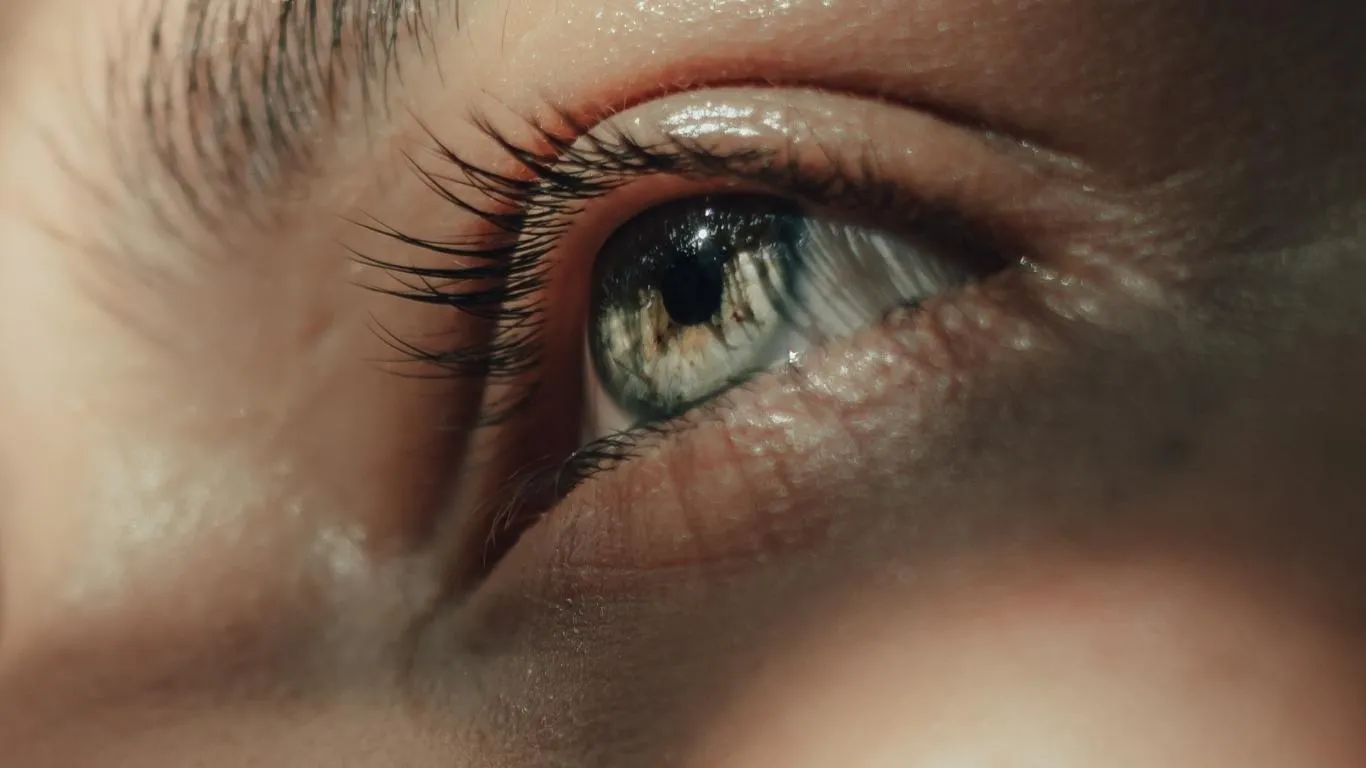
Just like dental hygiene, eye care needs a routine. Especially if you’re staring at screens all day, feeling stressed, and trying to keep floaters at bay. Here’s mine:
- 20-20-20 Rule: Every 20 minutes, look 20 feet away for 20 seconds.
- Warm compress: End-of-day eye relaxer. Great for tension and fatigue.
- Proper hydration: Not sexy advice, but seriously underrated.
Many of these practices helped me get ahead of the problem rather than just react when my vision felt weird. If you’re also juggling hormonal shifts (hello, 40s), this insight on hormone-driven floaters might be worth a read too.
What If Floaters Don’t Go Away?
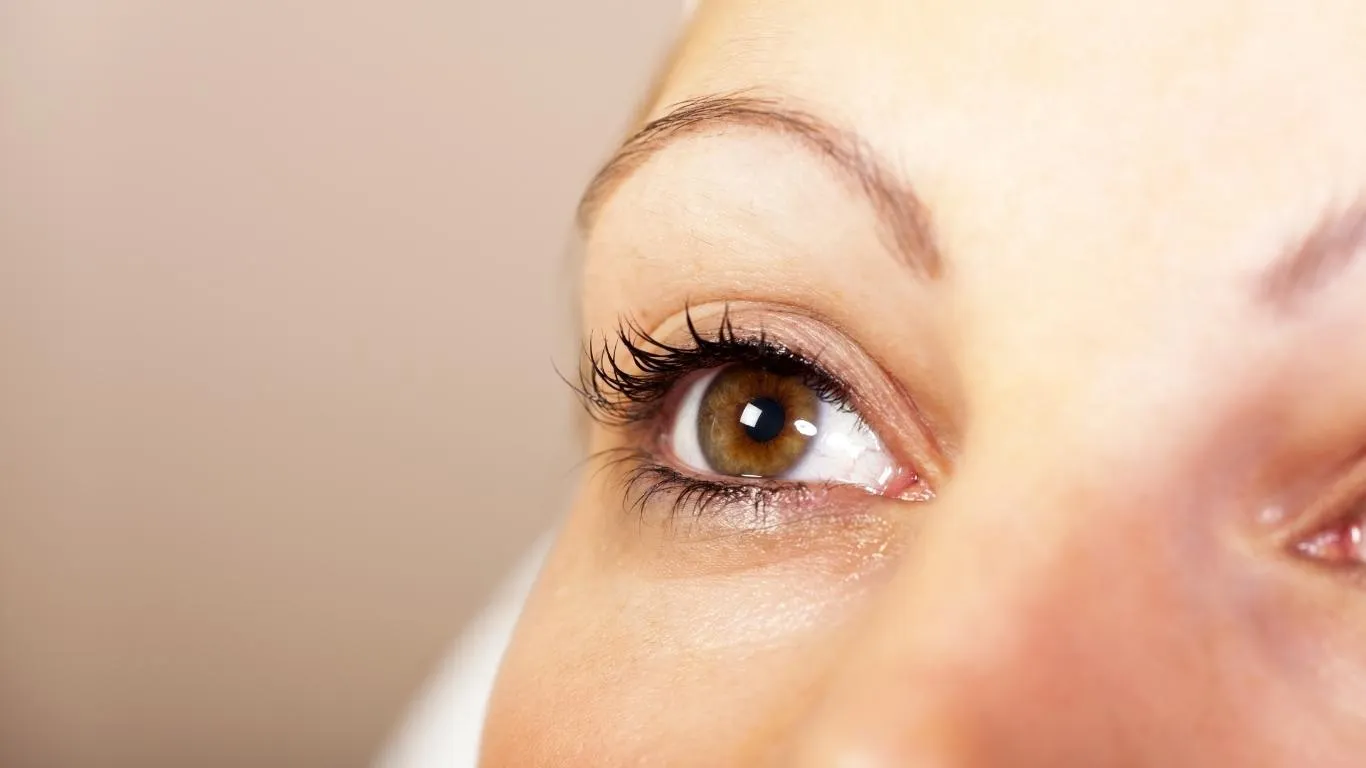
Sometimes, floaters are persistent. That doesn’t mean you’re doing anything wrong. In certain cases, professional treatments might be worth considering. These could include:
- YAG Laser Vitreolysis: A non-invasive laser treatment that breaks floaters apart.
- Vitrectomy: A more invasive surgery that removes the vitreous gel entirely.
But—and this is a big one—these treatments come with risks. Most ophthalmologists recommend a watch-and-wait approach unless floaters are seriously affecting your vision. If you’re feeling unsure, this detailed look at eye floater treatment options can help you weigh the pros and cons.
In my case, once I got a handle on my stress and shifted a few habits, I didn’t need anything clinical. But it’s empowering to know what’s out there if things don’t settle on their own.
What’s Next?
My journey with stress-induced eye floaters was weirdly humbling. It made me take my health more seriously—from my vision to my sleep to my stress triggers. If you’re navigating the same thing, you’re definitely not alone. Just know that relief is possible—sometimes it just takes a bit of patience, curiosity, and consistency.
To dive deeper into causes that may overlap with stress-related vision issues, check out this essential guide on eye floater symptoms you shouldn’t ignore and, for a more comprehensive breakdown, don’t miss this complete overview of eye floaters.

Camellia Wulansari is a dedicated Medical Assistant at a local clinic and a passionate health writer at Healthusias.com. With years of hands-on experience in patient care and a deep interest in preventive medicine, she bridges the gap between clinical knowledge and accessible health information. Camellia specializes in writing about digestive health, chronic conditions like GERD and hypertension, respiratory issues, and autoimmune diseases, aiming to empower readers with practical, easy-to-understand insights. When she’s not assisting patients or writing, you’ll find her enjoying quiet mornings with coffee and a medical journal in hand—or jamming to her favorite metal band, Lamb of God.