Eye Floater Treatments: From Observation to Surgery
It started for me one sunny afternoon while reading in the garden—little dark specks dancing across the page, darting away every time I tried to focus on them. I blinked. Rubbed my eyes. They were still there. If you’ve ever seen a shadowy dot, squiggle, or thread drift across your vision, welcome to the floaters club. You’re not alone. Millions experience them, and the question naturally follows: what can we actually do about eye floaters? Fortunately, modern eye floater treatments have come a long way—from simple monitoring to sophisticated surgery.
Understanding the Range of Eye Floater Treatments
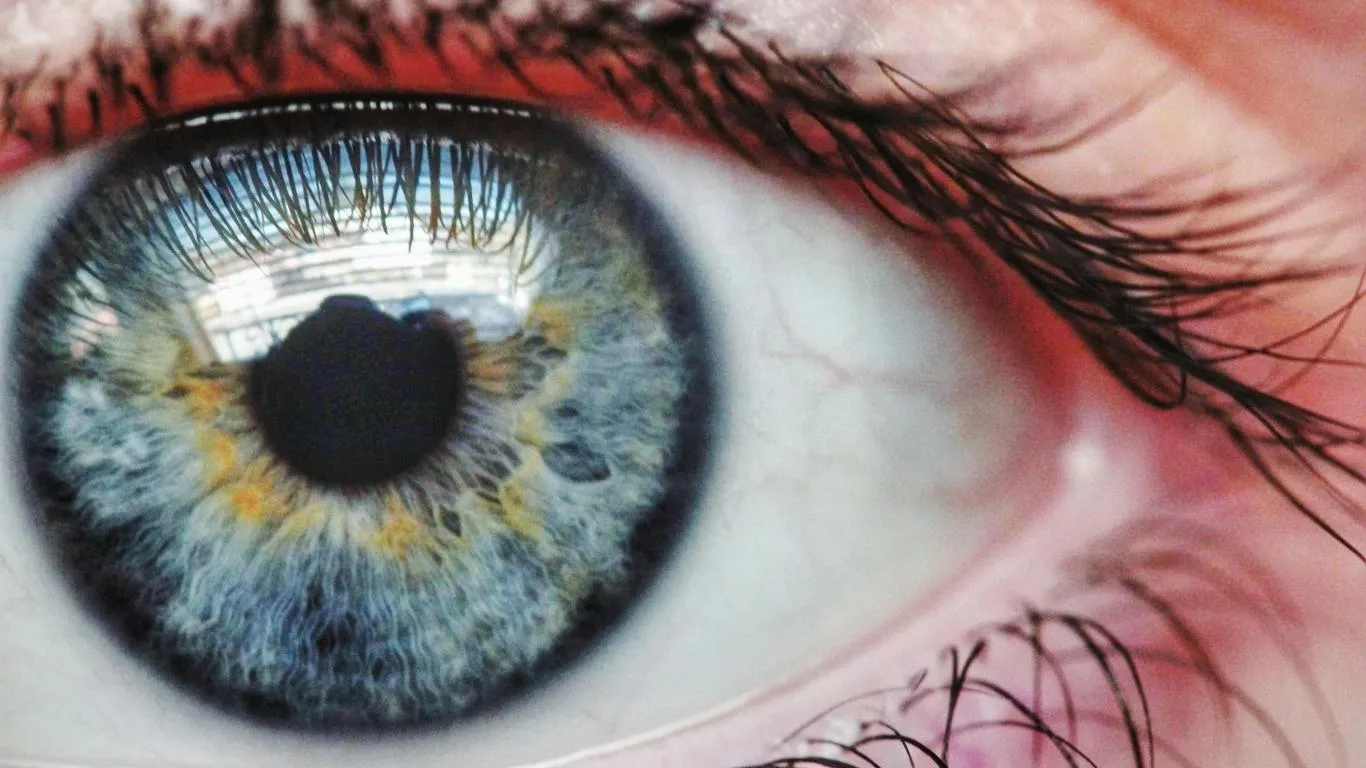
Before diving into treatment options, it helps to know what we’re dealing with. Eye floaters are tiny clumps of collagen or cells within the vitreous—the gel-like substance inside your eyeball. They cast shadows on your retina, which you perceive as floaters. For most people, they’re more annoying than dangerous. But in some cases, they might be a warning sign of a more serious issue like retinal detachment.
When to Treat and When to Observe
Here’s something ophthalmologists will often say: “If you can live with them, don’t touch them.” And they’re not wrong. The majority of floaters fade over time or become less noticeable as your brain adjusts. I ignored mine for months—until they started affecting my driving.
- Benign floaters: Often require no treatment at all. Your eye gradually adapts to their presence.
- Persistent or worsening floaters: Might justify medical attention, especially if accompanied by light flashes or vision loss.
According to the American Academy of Ophthalmology, sudden onset floaters should always be checked promptly—just in case it’s something serious like a tear in your retina.
Laser Vitreolysis – Zapping the Floaters Away
This procedure honestly sounds like sci-fi. A specialized laser targets and vaporizes the floaters inside your vitreous. It’s non-invasive, takes about 20 minutes, and is done in the doctor’s office.
What to Expect
During the procedure, you’ll sit in front of a machine similar to one used for eye exams. The ophthalmologist uses a YAG laser to deliver small pulses of energy that break up the floaters.
But here’s the catch—it doesn’t work for everyone. The floaters need to be well-positioned and not too close to the retina or lens. That was my issue. Mine were too mobile and diffuse, so I wasn’t a good candidate.
Benefits and Limitations
- Pros: Quick, no incisions, no downtime
- Cons: Not always effective, risks include temporary pressure increase or retinal damage
Clinics with expertise in this area often perform an ultrasound scan to assess floater location before proceeding. It’s not a first-line option but can be a relief for the right person.
Vitrectomy – The Surgical Route
If laser treatment feels like light science fiction, vitrectomy is full-on Star Wars. This is an actual surgery where the vitreous gel is removed entirely and replaced with a saline solution. Sounds intense, right? Because it is. And it’s not for the faint-hearted—or for those with only mild symptoms.
Why Choose Vitrectomy?
In rare but stubborn cases, especially where floaters severely impair daily life, this may be the only effective treatment. According to Mayo Clinic, vitrectomy carries higher risks, including retinal detachment and infection, but it often delivers dramatic improvement.
- Anesthesia is administered—either local or general, depending on the case.
- Small incisions are made in the sclera (white part of the eye).
- The vitreous is removed and replaced with a sterile fluid.
Who It’s For
This option is usually reserved for patients with dense floaters who’ve tried everything else. I met a fellow patient at the clinic who described it as “life-changing” after struggling for years with floaters from a previous eye injury. But the surgeon was clear: this is a last resort.
Are There Any Natural Remedies?
Let’s be real—there’s no magic herbal tea that makes floaters vanish. But healthy eyes start with a healthy body. Antioxidant-rich foods, proper hydration, and managing conditions like diabetes and high blood pressure can all support long-term eye health. While not treatments per se, these strategies may prevent floaters from worsening.
- Eat more leafy greens, carrots, and citrus fruits
- Limit screen time to reduce eye strain
- Wear sunglasses to protect your eyes from UV damage
And of course, regular checkups with your eye doctor are key. A thorough dilated exam can catch changes before you notice symptoms.
To learn more about what causes floaters and how to spot red flags early, check out this detailed eye floater guide here.
How Lifestyle and Eye Health Influence Floaters
Back when I first noticed floaters, I assumed it was just fatigue from staring at screens. While there’s some truth to that, lifestyle factors can play a much bigger role than most of us realize. Our eyes, like the rest of our body, are deeply influenced by what we eat, how we move, and even how we sleep.
Nutrition and Eye Floaters
You might not be able to eat your floaters away, but certain nutrients can help maintain the health of your vitreous body and protect the retina. I made it a point to clean up my diet, and while the floaters didn’t vanish, I did notice fewer new ones popping up over time.
- Vitamin C: Found in citrus, bell peppers, and strawberries, helps prevent oxidative damage.
- Lutein and Zeaxanthin: Abundant in kale, spinach, and corn—these are powerful eye-protecting antioxidants.
- Omega-3 fatty acids: Essential for overall eye health, especially from sources like salmon and chia seeds.
According to research published by the National Institutes of Health, oxidative stress is thought to contribute to vitreous degeneration. So yes, what’s on your plate might help keep your floaters in check.
Hydration and Collagen Support
The vitreous body is about 98% water. Staying well-hydrated is essential for keeping it clear and gel-like rather than stringy or clumped. I used to skip water far too often, relying on coffee until late afternoon. Changing that habit actually made my eyes feel less dry and strained.
Some ophthalmologists also recommend collagen-supporting nutrients like Vitamin C and hyaluronic acid—though evidence for their direct effect on floaters is still limited.
Eye Strain and Screen Time – The Silent Culprits
In our screen-heavy world, eye strain has become almost universal. Although staring at your laptop won’t cause floaters directly, it can certainly make you more aware of them. I noticed my floaters were far more distracting after long hours on Zoom or editing documents under bright lights.
Tips to Reduce Visual Discomfort
- Follow the 20-20-20 rule: Every 20 minutes, look at something 20 feet away for 20 seconds.
- Use blue light filters or apps to reduce strain.
- Adjust your lighting to avoid glare and harsh reflections on screens.
These little changes made a big difference in how often I noticed the floaters. Less eye fatigue meant less hyperfocus on those little floaty guys.
Protecting Eyes from Injury and Degeneration
Floaters aren’t always the result of aging or internal changes—sometimes they come from trauma. A single bump or sports injury can cause bleeding inside the eye, which leads to dark floaters that may take months to resolve.
If you work in an environment with potential eye hazards or play high-impact sports, don’t skip the safety goggles. I once had a close call while gardening—a flying twig nearly scratched my eye. Ever since, I don’t touch a hedge without protective eyewear.
Preventative Eye Health Strategies
- Wear UV-protective sunglasses outdoors—sun damage adds up.
- Get regular dilated eye exams—even if your vision seems fine.
- Control chronic conditions like diabetes or high blood pressure, both of which increase risk for retinal complications.
Floaters tied to trauma or vascular issues might not resolve on their own and could signal more urgent concerns like vitreous hemorrhage. That’s where early intervention matters most.
Floaters and Aging – What to Expect Over Time

There’s no sugar-coating this: age is one of the biggest factors behind floaters. As we grow older, the vitreous begins to liquefy and pull away from the retina—a process called posterior vitreous detachment (PVD). While PVD is common and usually harmless, it often comes with a sudden increase in floaters.
My ophthalmologist likened it to a snow globe—the gel shakes loose, and the particles float around aimlessly. In most cases, your brain adapts and learns to ignore them, but sometimes they persist or multiply. That’s when treatment becomes a real conversation.
Signs It’s Time to See an Eye Doctor
- A sudden burst of new floaters
- Flashing lights in your vision
- Dark curtain or shadow moving across your field of view
Any of these signs could indicate a retinal tear or detachment—a medical emergency. Don’t wait. Call your eye doctor or go to the ER immediately.
For an in-depth understanding of what causes floaters and how to monitor them properly, you can refer to our main resource on the topic: Eye Floaters – Causes, Symptoms, and Treatment Options.
Dealing with the Psychological Impact of Floaters

No one really warns you about the mental toll floaters can take. I’ll admit it—when mine first appeared, they messed with my head more than I expected. I kept obsessing over them, scanning my vision all day. It was exhausting. And honestly, a bit isolating. Floaters are invisible to others, but they can dominate your field of vision like tiny ghosts.
What helped me most was talking about it. Once I realized how many others were quietly dealing with the same thing, it felt less overwhelming. Floaters may not physically hurt, but their psychological weight is very real, especially when they interfere with tasks like reading or driving.
Coping Strategies That Actually Help
- Mindfulness meditation: Training your mind not to fixate on the floaters can genuinely help reduce their distraction.
- Support groups: Online communities and forums offer shared experiences, treatment reviews, and emotional support.
- Vision therapy techniques: Guided eye movement exercises might help some people “look past” floaters during daily activities.
It’s not just about vision—it’s about control. Learning to feel less helpless is a big part of managing floaters, especially when medical treatment isn’t yet an option or isn’t recommended.
Emerging Treatments and What’s on the Horizon
Let’s be honest—most current eye floater treatments are either conservative or invasive. But researchers are working on middle-ground solutions. In fact, the idea of dissolving floaters with eye drops or drugs is actively being explored in labs around the world.
Pharmacologic Vitreolysis
This is a fancy term for using medication to dissolve the floaters or liquefy the vitreous. Enzymes like ocriplasmin have been tested to break down the collagen fibers that form floaters. While not yet FDA-approved for general use, early results are promising.
One NIH study found that enzyme injections reduced floater density in selected patients. Still, the procedure isn’t widely available yet and carries some risks—especially if misused.
Nanotechnology and Safer Lasers
- Researchers are exploring nanoparticle-based delivery systems to target and dissolve floaters precisely.
- Improved laser guidance systems aim to make vitreolysis safer and more effective with fewer complications.
We’re not quite there yet, but things are moving. Within a few years, we may have less invasive, more accessible options that don’t require surgery or risky procedures.
How to Talk to Your Doctor About Floaters
Too many people feel rushed or dismissed when they bring up floaters to their eye doctor. I’ve been there—booked an appointment, only to hear “that’s normal with age.” And sometimes it is. But that doesn’t mean your concern isn’t valid. Knowing how to advocate for yourself can make all the difference.
Key Questions to Ask
- Are my floaters typical, or are they signs of something more serious?
- Am I a candidate for laser vitreolysis or vitrectomy?
- What are the risks and potential benefits of treatment in my case?
- Are there lifestyle changes that might help prevent worsening?
Don’t be afraid to request a second opinion if your symptoms are affecting your quality of life. Especially if the floaters are new, worsening, or paired with flashing lights or a curtain-like shadow—those may require immediate attention.
When to Act and When to Wait
Here’s the hard truth: floaters often don’t go away completely. But whether you treat them aggressively or choose to monitor them depends on a combination of factors—your symptoms, your lifestyle, your risk tolerance, and your personal preferences.
For me, I chose to wait and monitor. I’m not ruling out future treatment, but right now, lifestyle changes and awareness are keeping things manageable. For others, especially those who rely heavily on sharp vision (like photographers, pilots, or surgeons), earlier intervention may be worth it.
Guidelines to Help You Decide
- Wait and watch: Mild floaters with no vision loss or flashing lights.
- Seek treatment: Floaters that interfere with daily life or suddenly worsen.
- Urgent care: Accompanied by flashes, new floaters, or peripheral shadows.
Floaters aren’t always harmless, but they also aren’t always harmful. The key is staying informed, aware of changes, and proactive about eye care. With medical science advancing and public awareness growing, better options are already unfolding on the horizon.
If you’re just beginning to understand floaters or suspect something deeper might be going on, our main guide dives deeper into symptoms, causes, and long-term management strategies. Visit: Eye Floaters – Causes, Symptoms, and Treatment Options.

Camellia Wulansari is a dedicated Medical Assistant at a local clinic and a passionate health writer at Healthusias.com. With years of hands-on experience in patient care and a deep interest in preventive medicine, she bridges the gap between clinical knowledge and accessible health information. Camellia specializes in writing about digestive health, chronic conditions like GERD and hypertension, respiratory issues, and autoimmune diseases, aiming to empower readers with practical, easy-to-understand insights. When she’s not assisting patients or writing, you’ll find her enjoying quiet mornings with coffee and a medical journal in hand—or jamming to her favorite metal band, Lamb of God.