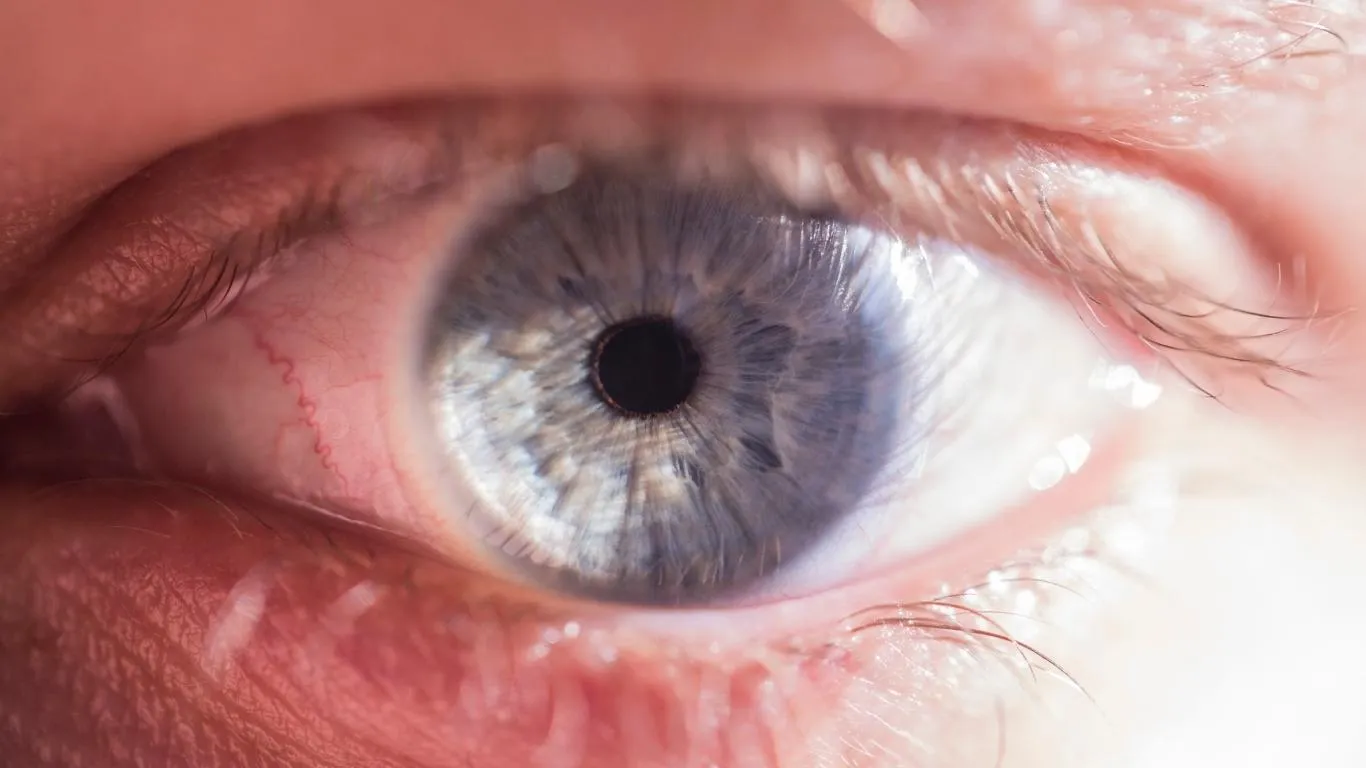
Eye Floaters From Medication Side Effects Can Disrupt Your Vision
Not long ago, I started seeing these weird floating specks in my vision—like translucent threads drifting around whenever I looked at a bright background. At first, I chalked it up to just being tired or maybe staring at screens too long. But when it didn’t go away, I started digging. To my surprise, I found that the new medication I had started just weeks earlier might be the actual culprit. Turns out, eye floaters caused by medication side effects is a real and frustrating issue for many people.
Understanding Eye Floaters Linked to Medications
Eye floaters can feel like you’re seeing cobwebs, spots, or strings that dart out of sight when you try to look directly at them. They’re actually tiny clumps within the vitreous gel inside your eye, casting shadows on the retina. Now, while age and eye conditions like posterior vitreous detachment are the usual suspects, certain medications can also trigger or worsen floaters.
How Medications Disrupt Vitreous Health
The eye’s vitreous humor is a clear, jelly-like substance. Some medications are known to affect its consistency or lead to inflammatory reactions, both of which can result in floaters. It’s not just about vision—it’s about systemic effects showing up in your eyes, which is honestly kind of alarming.
- Steroid-based eye drops – These are notorious for altering intraocular pressure and contributing to vitreous changes. See more at this resource.
- Antibiotics and antivirals – While rare, some cause subtle damage or irritation that manifests in the form of floaters.
- Antidepressants – SSRIs and similar meds have been loosely linked to eye disturbances in sensitive individuals. Here’s a solid article on that from Healthusias: eye floaters and antidepressants.
- NSAIDs – Common painkillers like ibuprofen have been flagged by some patients as floaters culprits. More on that here.
Is There Scientific Proof?
While there’s no mountain of peer-reviewed data linking specific meds to floaters, several observational studies and ophthalmologist case reports suggest a correlation. For instance, the National Library of Medicine contains several case studies highlighting this connection, especially with corticosteroids.
Also, in practice, many eye specialists acknowledge that medication-induced floaters are underreported simply because people don’t link the two. That was me. I blamed everything else before even thinking of my prescriptions.
Inflammatory vs. Degenerative Floaters
It’s worth mentioning that floaters caused by medications are often inflammatory in nature. The medication might irritate internal eye tissues or trigger immune responses, leading to particles suspended in the vitreous. These tend to be more sudden and cloud-like.
Meanwhile, degenerative floaters—like those caused by age or vitreous syneresis—develop gradually and often appear as sharp, stringy structures. For more on how age plays a role, check out this in-depth article.
Medications That Raise Red Flags
Not every prescription causes floaters, but the ones that do tend to share similar properties—either affecting fluid dynamics in the eye or triggering inflammation. Here’s a quick rundown of what to keep an eye on (pun intended):
- Corticosteroids (oral or topical) – From asthma inhalers to post-surgery drops.
- Fluoroquinolone antibiotics – These can sometimes cause retinal or vitreous complications.
- Ocular injections – Particularly those used in treating macular degeneration or diabetic eye issues. Reference: eye floaters after injections.
- Allergy medications and antihistamines – These may dry out the eyes or cause fluctuations in vitreous consistency. Related article: do allergy meds worsen floaters?
If you’re experiencing new floaters and you’ve recently started any new meds, it’s 100% worth checking with both your prescribing doctor and an eye care specialist. Don’t assume it’s just a coincidence.
When to Actually Worry About Floaters
Some floaters are benign. Annoying, but harmless. However, sudden increases—especially when accompanied by flashes of light, loss of peripheral vision, or eye pain—can signal something much more serious like retinal detachment. This isn’t fear-mongering—it’s real. For a more thorough breakdown of symptoms to watch for, read this guide.
Self-Assessment Tips
You don’t need a full eye exam every time you see a speck. But a few signs can help you gauge when to act:
- New floaters within hours or days of starting a medication
- Floaters shaped like clouds or smoke rather than strings
- Floaters combined with headaches, dizziness, or pressure
- Changes in vision clarity or color perception
These could indicate something beyond typical vitreous changes—potentially even allergic or adverse reactions to meds.
Take Control: What You Can Do
The first step is always awareness. I wish I had made the connection sooner. If you think your floaters might be med-related:
- Document everything – When they started, how intense they are, and what medications you were taking.
- Talk to your ophthalmologist – They may recommend imaging to rule out serious issues.
- Don’t stop your meds cold turkey – That’s a conversation for your primary care physician.
In many cases, floaters caused by meds will reduce once your body adjusts or after changing the treatment plan. It’s a fine balance between treating one health issue and not triggering another.
For more details on what exactly causes floaters, including aging and eye diseases, visit this comprehensive main pillar guide. Also, if you’re interested in other potential causes such as infections or trauma, check this curated article: Common Causes of Eye Floaters.
Can Floaters from Medications Be Reversed?
One of the biggest questions I had when this all started was: “Are these floaters permanent?” The answer, thankfully, isn’t always yes. While some floaters—especially age-related ones—can hang around for life, floaters caused by medication side effects sometimes fade once the offending drug is stopped or adjusted.
It depends heavily on whether the floaters are a result of inflammation, fluid imbalance, or structural damage. Inflammatory floaters, in particular, tend to resolve faster with the right treatment. There’s a helpful article about reducing floaters after inflammation that I found useful during my own journey.
Natural Dissolution vs. Persistent Floaters
Your body can naturally absorb some types of floaters over time, especially the small, cloudy ones. The brain also helps by learning to ignore them—a process called neural adaptation. But don’t be too quick to assume all floaters will fade. If they’re dense or caused by a deeper issue, they may require medical attention.
Ways to Manage Floaters Without Dropping Your Meds
Let’s say your medication is essential—like blood thinners, antidepressants, or hormone therapy. You can’t just quit them. So, how do you manage floaters without sacrificing your primary health concern?
- Stay hydrated – Dehydration can worsen vitreous issues. Here’s more on how dehydration impacts floaters.
- Eat for eye health – Antioxidants like lutein and vitamin C help maintain clear vitreous. You might want to look into evidence-backed supplements.
- Use blue light filters – Screens can exacerbate visual discomfort. Blue light glasses might help reduce distraction.
- Track your floaters – I started keeping a log using my phone. If there’s a pattern, your doctor will be able to work with you better.
Floaters can be loud, visually speaking. But taking back some control over your environment makes a huge difference.
Treatments Worth Exploring When Floaters Won’t Go Away

If you’ve given it time and they’re still blocking your view—especially if your job depends on visual clarity—there are medical options available. I looked into them when mine got unbearable.
1. YAG Laser Vitreolysis
This non-invasive procedure uses laser pulses to break floaters into smaller, less noticeable fragments. It’s quick and has a good track record in the right hands. But it’s not for everyone—especially if your floaters are near the retina or too mobile.
2. Pars Plana Vitrectomy (PPV)
This is more invasive and typically reserved for extreme cases. It involves surgically removing the vitreous gel. Yes, it gets rid of floaters—but there are risks like retinal detachment and cataracts, so doctors don’t recommend it lightly. This article gives a clear breakdown of post-surgery expectations.
Before choosing any treatment, get a second opinion. Or third. I did.
What Doctors Actually Think About Med-Linked Floaters
I asked two different ophthalmologists if my prescription was causing my floaters. One shrugged it off. The other said, “Yes, I’ve seen this before.” That’s the frustrating part—there’s no one-size-fits-all answer. But increasingly, eye care professionals are recognizing patterns.
According to data published by American Academy of Ophthalmology, certain medications can indeed alter ocular structures or cause side effects that show up in the vitreous. The challenge is proving causation on a case-by-case basis. Many floaters aren’t visible on basic eye exams, either, which adds to the diagnostic gray zone.
Should You Switch Medications?

Only under medical supervision. If you suspect your meds are responsible and floaters are impacting your life, bring it up during your next appointment. Provide notes, symptoms, and timeline details. I ended up switching from one brand of allergy meds to another with fewer visual side effects—and the floaters gradually lessened.
There’s also growing evidence that medication changes may be necessary if floaters come with other symptoms like dizziness or visual distortion. It’s not dramatic. It’s being proactive.
Back to Clear Vision—My Personal Outcome

After switching meds, hydrating more, and adding a few supplements, my floaters started to fade. They’re not completely gone, but they’re barely noticeable now. I didn’t need surgery. I didn’t need to panic. I just needed to ask the right questions—and find the right professionals to listen.
If you’re experiencing new floaters and recently started new medication, start by checking this comprehensive resource from Healthusias: Eye Floaters Causes & Treatment Options. You’ll also want to read the focused article on eye floater treatments—super helpful for understanding when to act and what your real options are.
Don’t wait for them to get worse before taking control. Your eyes are way too important.

Camellia Wulansari is a dedicated Medical Assistant at a local clinic and a passionate health writer at Healthusias.com. With years of hands-on experience in patient care and a deep interest in preventive medicine, she bridges the gap between clinical knowledge and accessible health information. Camellia specializes in writing about digestive health, chronic conditions like GERD and hypertension, respiratory issues, and autoimmune diseases, aiming to empower readers with practical, easy-to-understand insights. When she’s not assisting patients or writing, you’ll find her enjoying quiet mornings with coffee and a medical journal in hand—or jamming to her favorite metal band, Lamb of God.