Why Eye Floaters Triggered By Fatigue Get Worse With Stress
I used to think the little specks and squiggly threads that drifted across my vision after a long, exhausting day were just… normal. Like, maybe I stared too long at my screen or didn’t get enough sleep the night before. But when those “floaters” started showing up more frequently—and especially after stressful deadlines or sleepless nights—I knew I had to dig deeper. Turns out, there’s more going on than just being tired. Let’s talk about how fatigue can actually trigger eye floaters and what that means for your eyes (and sanity).
Why Eye Floaters Get Worse When You’re Fatigued
Fatigue doesn’t just drain your energy; it can also mess with your eye health in sneaky ways. When you’re overtired, your body’s ability to keep everything running smoothly—including your eyes—takes a hit. And that’s when floaters become more noticeable.
The Science Behind Fatigue-Induced Floaters
Eye floaters are small clumps or strands in the vitreous humor—the jelly-like substance inside your eye. When you’re well-rested, your body maintains that vitreous fluid better. But under fatigue, dehydration, inflammation, and oxidative stress can all influence the consistency of the vitreous, causing more visible floaters to appear.
- Dehydration: Fatigue often comes with poor hydration. When you’re tired, you forget to drink water—and that affects the viscosity of your vitreous fluid.
- Oxidative Stress: Sleeplessness or chronic tiredness increases free radicals in your body, which can impact your eye tissues over time.
- Eye Strain: Hours of screen time without breaks leads to eye strain, dryness, and enhanced floater visibility.
If you’ve ever noticed floaters dancing around after pulling an all-nighter, you’re definitely not alone. In fact, researchers have begun to explore how lack of sleep contributes to sudden floater flare-ups.
How I Noticed the Pattern—and What You Might Be Overlooking
For me, the connection hit hard during a brutal month full of deadlines and early meetings. I was constantly running on caffeine, averaging 4–5 hours of sleep per night. That’s when the floaters became practically unavoidable. At first, I thought it was aging or screen time, but even on days when I wasn’t glued to a monitor, the floaters would float in—especially when I was drained.
Turns out, many people mistake fatigue-triggered floaters for more serious eye conditions. And while it’s good to stay alert, it’s also important to recognize how everyday habits contribute to what you’re seeing—or not seeing—clearly.
Common Signs You’re Experiencing Fatigue-Triggered Floaters
- Floaters appear after a poor night’s sleep
- They worsen toward the end of the day
- You notice them more under bright light or white screens
- Your eyes feel dry, itchy, or heavy
One interesting insight I found is how eye floaters can feel more intense when you’re just plain tired. It’s not always about aging or damage—it’s sometimes just your body’s way of saying, “Hey, slow down.”
What Fatigue Actually Does to Your Eyes
Sleep deprivation and fatigue impact nearly every system in the body, but your eyes are one of the first to show visible signs. The reduced circulation and oxygenation can cause stress on the retina and surrounding fluids. If you have underlying issues—like mild vitreous syneresis (breakdown of the vitreous gel)—it’ll only be more apparent.
Factors That Amplify the Fatigue-Floater Effect
- Extended Screen Exposure: Screens aren’t inherently evil, but constant focus without breaks strains your eye muscles and dries your cornea.
- Caffeine Overuse: Ironically, the thing keeping us awake might worsen floaters. Caffeine increases floaters for some individuals.
- Poor Posture: Sitting for long periods in one position can reduce blood flow to the head and eyes, making floaters appear more vivid.
What shocked me was that the medical community is beginning to link sleep habits with floater visibility. According to the American Academy of Ophthalmology, fatigue can make preexisting floaters more noticeable—even if their quantity hasn’t changed.
How to Minimize Floaters When You’re Fatigued
After months of trial and error, I’ve pieced together a few things that actually help. These aren’t overnight solutions, but they’ll ease the visibility of those annoying dots and threads when your body’s running on empty.
1. Prioritize Sleep—Seriously
Try not to treat sleep as optional. When I started getting consistent rest—at least 7 hours per night—I noticed a measurable difference in how often I saw floaters, especially in the mornings.
2. Use Lubricating Eye Drops
Dry eyes exaggerate floaters. Lubricating drops (check with your ophthalmologist) can restore moisture and clarity, especially after long screen hours.
3. Blink More, Breathe Better
Yes, this sounds basic, but trust me—when you’re locked into a screen or stressed out, you forget to blink. This contributes to eye dryness and more visible floaters. Deep breathing also improves blood flow to the optic nerves.
For more on treatments that work, I found this resource really helpful.
Is It Time to Worry About Floaters?
Here’s the thing: not all floaters are harmless. If they suddenly increase in number, come with flashes of light, or disrupt your vision significantly, it could point to something more serious like a retinal tear. You should always get your eyes checked if anything feels off.
And if you’re wondering how fatigue fits into the bigger picture of eye floater causes, check out the full breakdown here for more context. It’s also smart to refer to the main guide on causes and treatment options if this is a recurring issue.
How Diet and Lifestyle Changes Can Calm Down Fatigue-Triggered Eye Floaters
Now, I’m not here to tell you to give up caffeine or suddenly become a zen master—but tweaking your habits can really make a difference. I didn’t even realize how much my food choices, water intake, and even stress levels were influencing what I was seeing in my line of sight every single day.
Start With Hydration
This was the most underrated trick for me. Fatigue goes hand in hand with dehydration, and when your eyes lack fluid balance, floaters tend to stand out more—especially against bright backgrounds. Keeping a water bottle nearby isn’t just for fitness buffs—it’s for your eye clarity too.
Eat for Your Eyes
I made simple swaps in my diet that helped more than I expected. Foods rich in antioxidants and hydration-friendly ingredients started to become my norm.
- Leafy greens (think spinach, kale) for lutein
- Carrots and sweet potatoes for beta-carotene
- Blueberries and citrus fruits for vitamin C
- Fatty fish like salmon for omega-3s
I even came across this food list for boosting eye health which made planning meals easier.
Supplements That Helped Me
After doing some research (and chatting with my eye doc), I cautiously added a few supplements to my routine. It’s not a magic cure, but it definitely reduced the frequency of floaters after intense, fatigue-heavy weeks.
Here’s what helped:
- Lutein & Zeaxanthin
- Magnesium (especially for sleep and nerve function)
- Vitamin C and Omega-3s
You can dive deeper into effective options in this supplement guide for eye floaters.
Reducing Screen Time Impact—Without Quitting Your Job
I’m on screens all day—writing, editing, researching—and going offline completely just isn’t realistic. But here’s what I changed to make floaters less visible even when fatigue kicks in:
1. Use Blue Light Filters
My eyes felt less “burnt out” at the end of the day when I started using computer glasses. Some people say it’s hype, but for me, the difference was real. There’s also research showing how blue light exposure can interfere with melatonin production, indirectly contributing to fatigue and eye strain.
2. Adjust Brightness and Contrast
Having a screen that’s too bright in a dim room made floaters pop out more. Matching screen brightness with room lighting helped a ton. Also, changing text to a sepia tone (instead of bright white) made reading easier on my eyes.
3. Follow the 20-20-20 Rule
This is gold: Every 20 minutes, look at something 20 feet away for 20 seconds. I thought it was gimmicky—until it actually worked. My eyes felt less fatigued, and floaters didn’t bother me nearly as much by the afternoon slump.
And if you’re wondering how long this fatigue-floater cycle might last, this read on floater longevity gave me a clearer perspective.
What If It’s Not Just Fatigue?
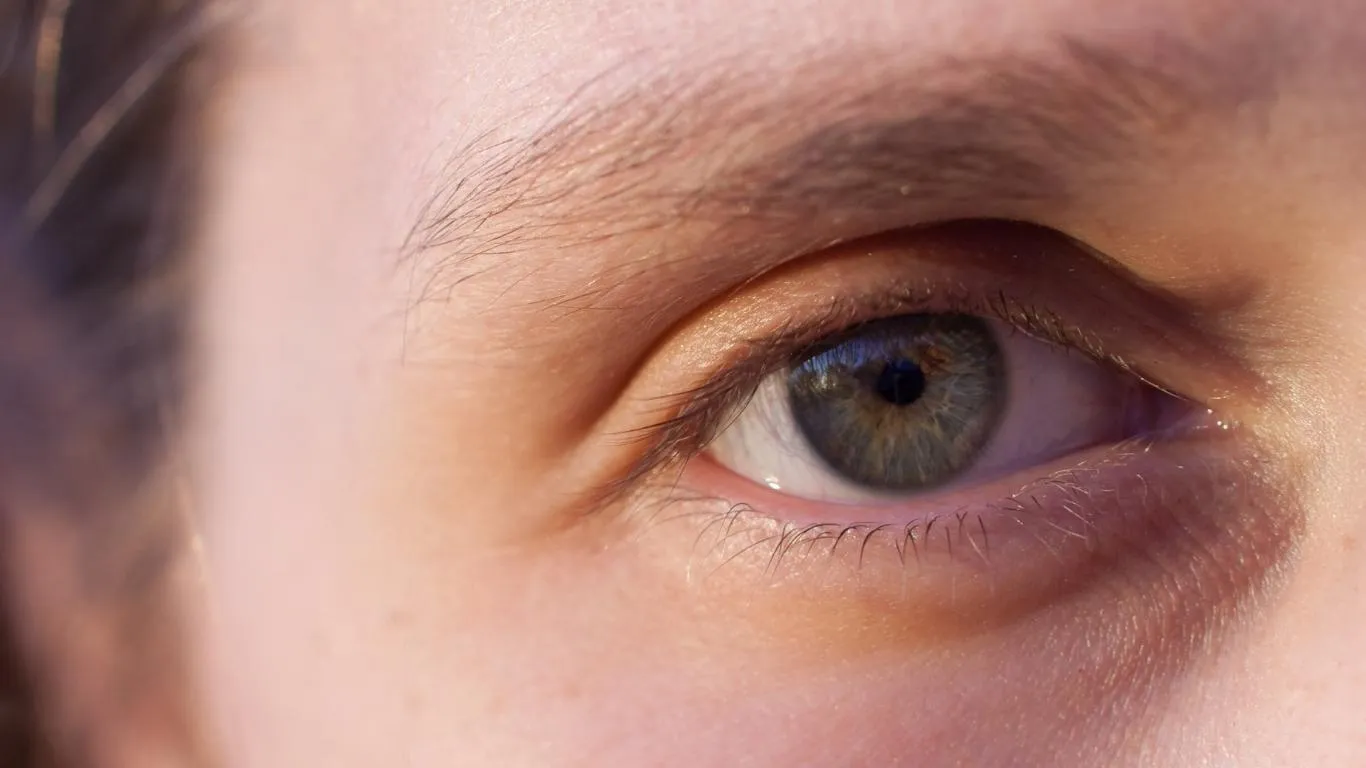
Here’s where it gets tricky—because floaters caused by fatigue often get mixed up with floaters from underlying medical conditions. I nearly ignored mine until I read that persistent floaters—especially in one eye—could be signs of something more serious.
Conditions That Can Be Mistaken for Fatigue-Related Floaters
If your floaters are accompanied by eye pain, flashes of light, or sudden vision loss, please don’t brush it off. I didn’t go through that, but a close friend of mine did—and it ended up being posterior vitreous detachment. Not to scare you, but it’s better to check than guess.
One comprehensive resource I often refer to is the full guide on differentiating floaters from other eye issues.
Stress, Hormones, and Sleep: The Invisible Triggers
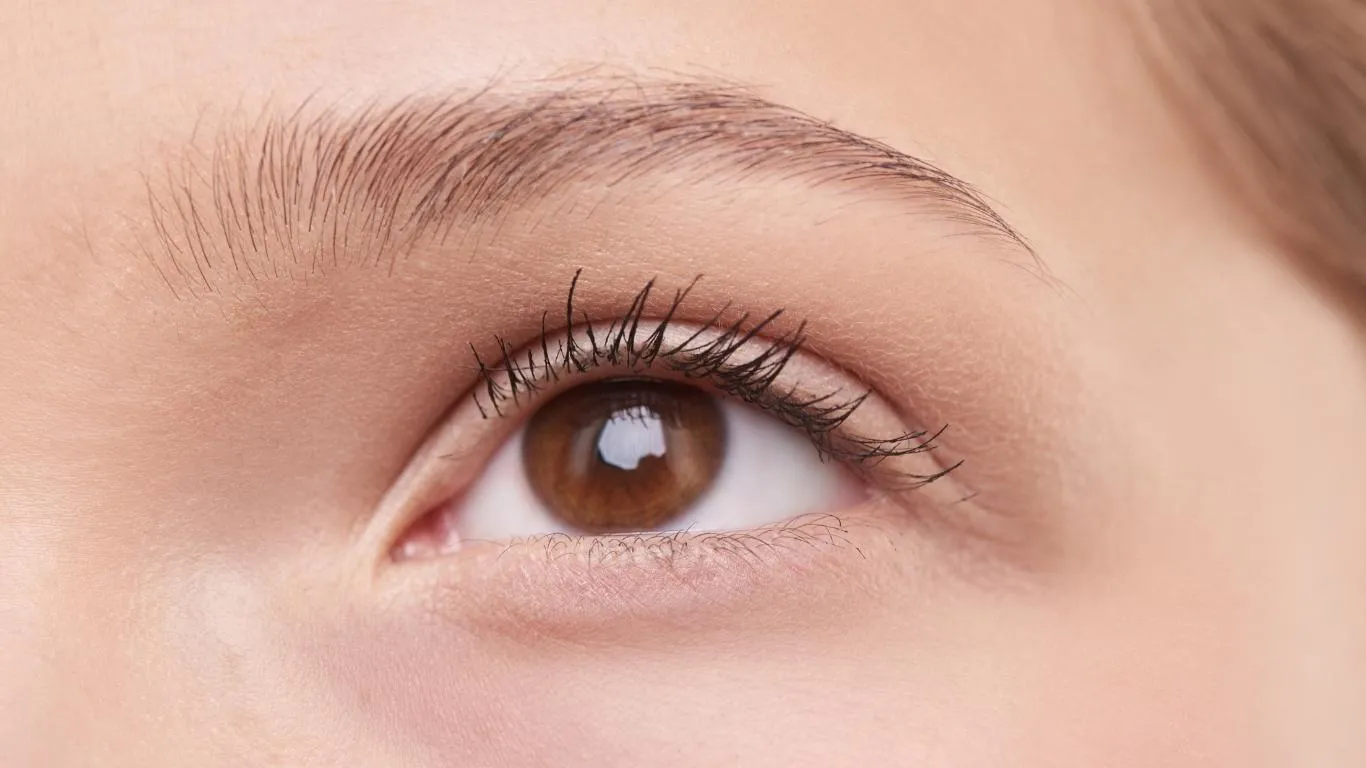
Fatigue doesn’t exist in isolation. I learned this the hard way when I noticed my floaters spiked during periods of stress—even when I thought I was getting enough sleep. Turns out, hormonal fluctuations and anxiety have just as much to do with it.
There are helpful insights in this article about how hormonal changes impact floater visibility, especially if you’re navigating perimenopause, thyroid issues, or other endocrine shifts.
And Don’t Forget Mental Health
One of the more surprising things I found? Stress-induced floaters and mental fatigue often go hand in hand. Constant anxiety keeps your nervous system on high alert, which can influence eye pressure and fatigue perception. If you’re dealing with that, this article helped me find relief techniques that weren’t overwhelming or too woo-woo.
For a deeper understanding of how all of this ties into the root causes, you can check out this broader breakdown of dangerous floater signs.
And finally, if you want the full context on how floaters work, appear, and evolve—especially when tied to daily triggers like fatigue—start with the main guide here: What Are Eye Floaters: Causes, Symptoms, and Treatment Options.

Camellia Wulansari is a dedicated Medical Assistant at a local clinic and a passionate health writer at Healthusias.com. With years of hands-on experience in patient care and a deep interest in preventive medicine, she bridges the gap between clinical knowledge and accessible health information. Camellia specializes in writing about digestive health, chronic conditions like GERD and hypertension, respiratory issues, and autoimmune diseases, aiming to empower readers with practical, easy-to-understand insights. When she’s not assisting patients or writing, you’ll find her enjoying quiet mornings with coffee and a medical journal in hand—or jamming to her favorite metal band, Lamb of God.