Flat Shoes vs Arch Support: Why Your Back Might Be Paying the Price
For years, I thought my go-to pair of sleek, flat shoes were doing my back a favor. I mean, they were comfy, easy to slip on, and felt way better than any heels. But after a few months of nagging lower back pain that I couldn’t shake, my chiropractor gave me a reality check: “Your shoes might be part of the problem.” That moment started my deep dive into how the stuff we wear on our feet can quietly wreak havoc on our spine.
Why Your Shoe Choice Isn’t Just About Style

It might sound dramatic, but the truth is, your feet are the foundation of everything. If they’re not properly supported, everything above them — knees, hips, spine — has to compensate. This leads to postural misalignments and muscle imbalances. Over time, those cute ballet flats or trendy loafers that lack arch support can be the reason your back starts acting up.
The Hidden Problem with Flat Shoes
Flat shoes might feel natural and “minimal,” but here’s the catch — they usually offer zero arch support. That means your foot isn’t absorbing impact properly with every step. Instead, your lower back, hips, and spine pick up the slack. That’s a one-way ticket to stiffness, pain, and long-term wear and tear.
- Most flat shoes have thin soles with no cushioning
- They don’t support the natural curve of your arch
- Wearing them for extended periods causes strain on the lumbar spine
Don’t just take it from me — I noticed I was arching my back more, and even standing still started to feel uncomfortable after long walks or standing at work.
Understanding the Role of Arch Support
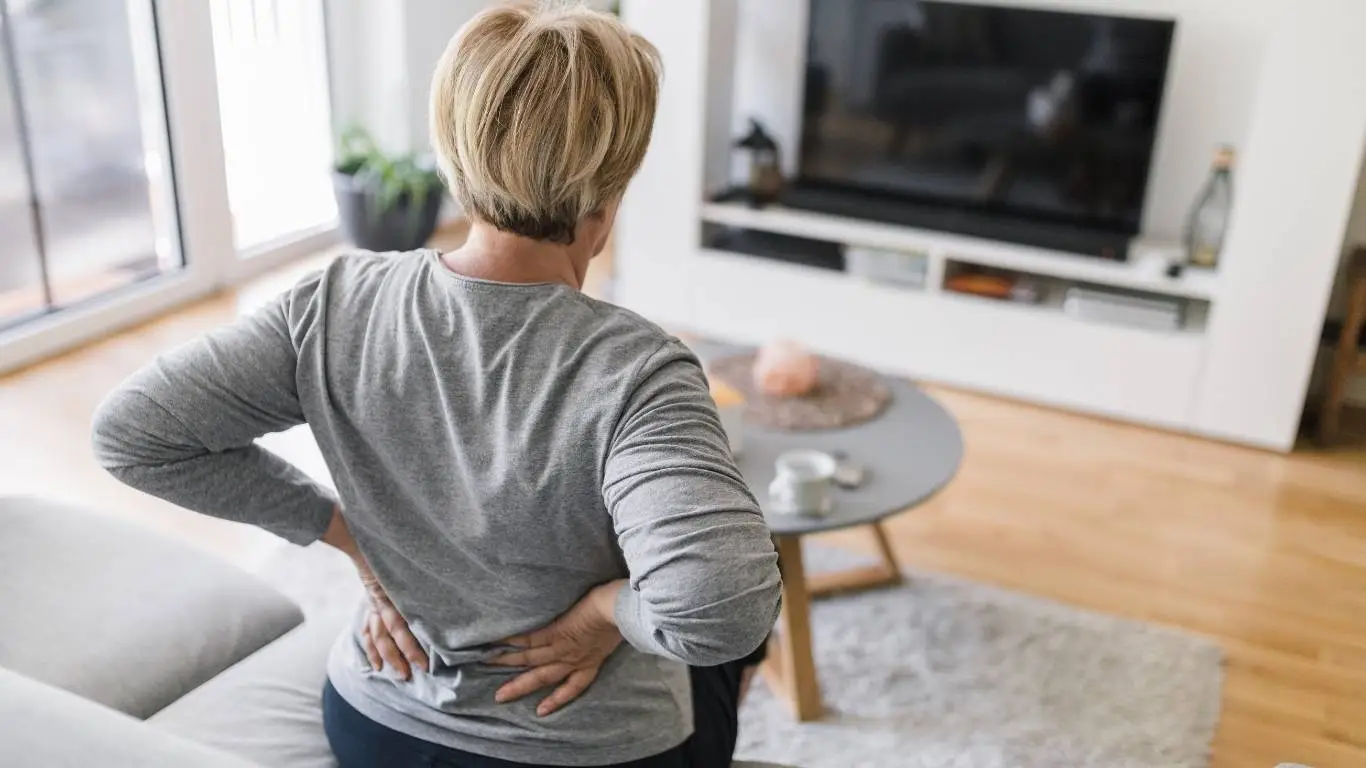
Arch support isn’t just some fancy buzzword from shoe companies. It’s a biomechanical necessity. When your foot arch is properly supported, your weight distributes evenly, shock is absorbed efficiently, and your spine maintains a more neutral alignment. Think of it like the suspension system in a car. Without it, every bump in the road feels brutal.
Types of Arch Support
- Neutral Support: Best for normal arches
- Stability Shoes: Ideal for mild overpronation
- Motion Control: Built for severe overpronators who need maximum support
Switching to shoes with built-in arch support made a huge difference for me. My gait felt smoother, and my lower back didn’t feel as tight at the end of the day. This simple change helped ease the poor posture that had become my norm.
How Lack of Support Leads to Back Pain
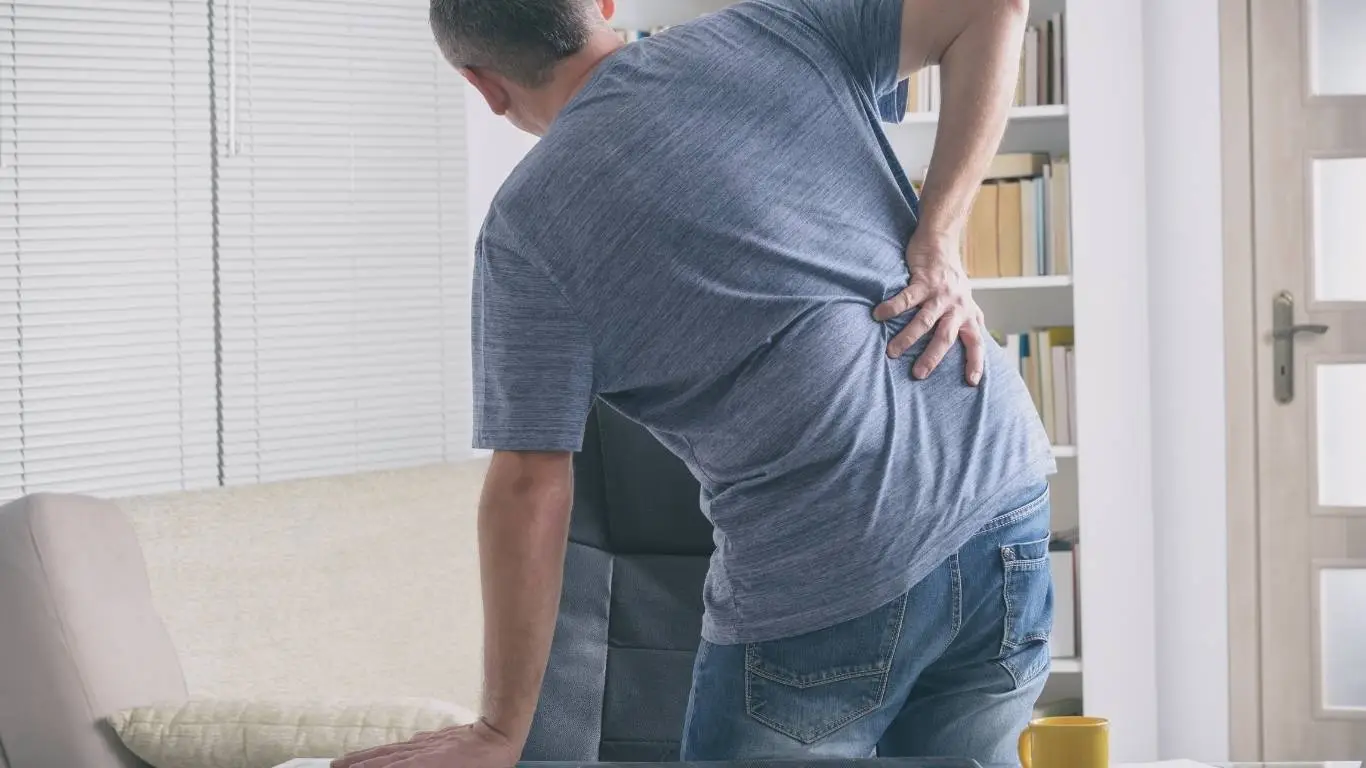
It’s all connected — literally. When your feet aren’t aligned properly, your knees shift inward, your pelvis tilts, and your spine compensates. That leads to increased pressure in the lumbar region, one of the most common areas where back pain shows up.
In fact, studies from ncbi.nlm.nih.gov and mayoclinic.org confirm that improper foot mechanics and poor shoe support contribute significantly to chronic low back pain. It’s not just about what hurts — it’s about where it starts.
If you’ve ever wondered why back pain flares up after a day of errands in flat sneakers or loafers, the answer might be under your soles. Smart prevention tips usually start from the ground up.
Flat Feet & Flat Shoes: A Double Whammy
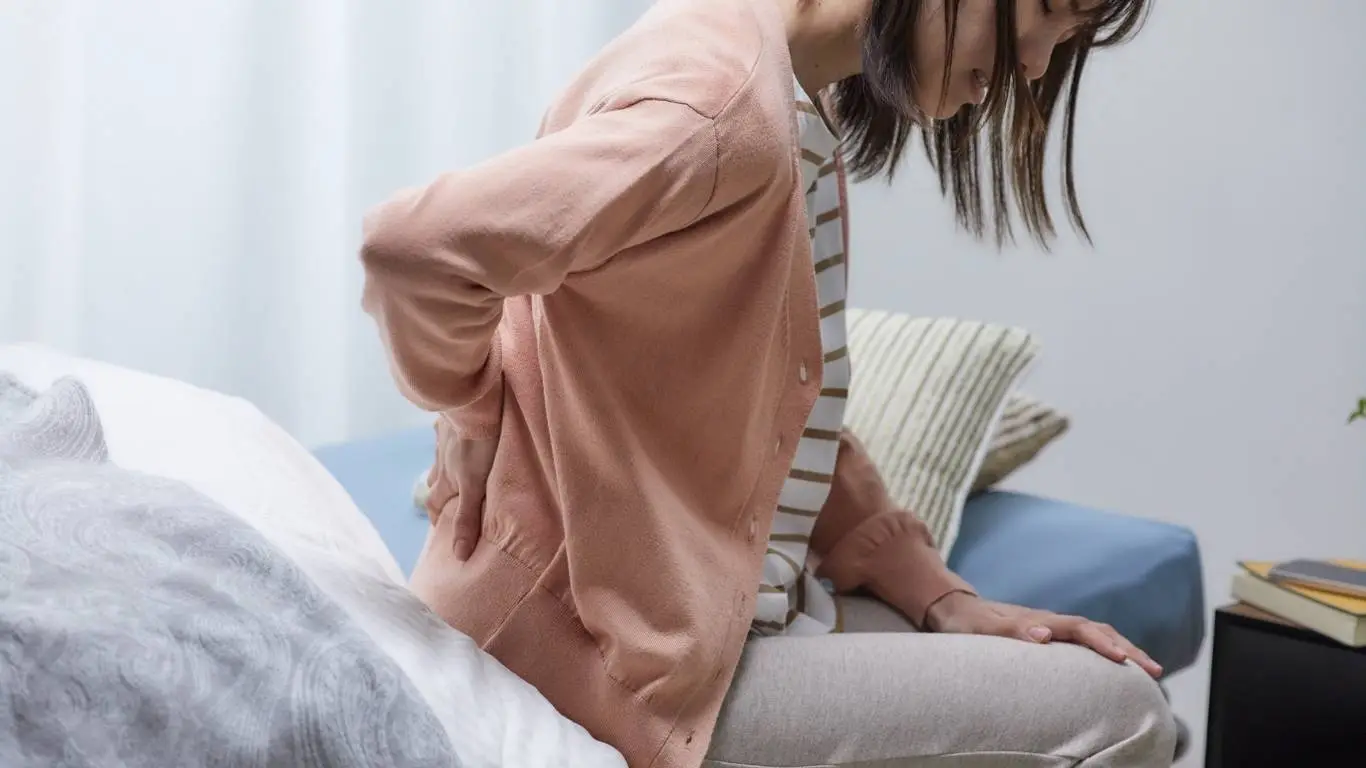
If you have flat feet, flat shoes are even worse. Without arch structure to begin with, your foot collapses inward every step. This causes overpronation, affecting your knees and pelvis. Over time, this distortion can become a chronic source of discomfort or even pain in your lower and mid-back areas.
There’s a reason why flat feet and lower back pain are so commonly linked. You’re essentially removing any shock absorption from your natural stride. Every impact reverberates through your spine like a vibration with no buffer.
Signs Your Flat Shoes May Be Causing Back Pain
- Stiffness after walking or standing
- Pain around your lumbar spine (lower back)
- Frequent soreness in your heels or calves
- Uneven wear on your shoe soles
One thing that helped me? Trying a pair of custom orthotic insoles. Total game changer.
Making the Switch Without Sacrificing Style
Let’s be real: nobody wants to wear orthopedic shoes that look like they were stolen from a nursing home closet. Luckily, brands today are getting smart. You can find sleek sneakers, casual shoes, even boots that actually support your arches without looking clunky.
If you’re like me and still want your feet to look good, aim for shoes with the following features:
- Removable footbeds (so you can swap in custom orthotics)
- Firm arch support built into the midsole
- Heel drop of 8-12mm to ease pressure on lower back
And yes — they do make cute ones. I now rotate between two pairs that look sharp and support my back better than anything I used to wear.
For more guidance on choosing the right gear for your spine, check out this helpful piece on ergonomic chairs that complement good foot mechanics.
If you want a broader perspective on lifestyle strategies, the Lifestyle & Natural Remedies pillar article is a solid starting point. You can also explore the full overview of back pain causes and treatment strategies in the main back pain guide.
What Happened When I Finally Ditch Flat Shoes
After I switched from flimsy flats to supportive shoes with decent arch structure, I noticed something pretty surprising. Within about two weeks, my lingering lower back ache had calmed down by at least 70%. I didn’t even change my workouts or sitting habits that much. That’s how powerful foot alignment can be.
Walking felt smoother, my steps had a bounce again, and most importantly — standing didn’t feel like punishment. If I had known earlier that those $30 flat shoes were slowly messing with my spine, I would’ve made the change years ago.
The Ripple Effect of Proper Support
What shocked me even more? It wasn’t just my back that improved. My knees stopped cracking as much, and my hips felt looser. That’s the ripple effect of support: when your feet are stable, your whole kinetic chain benefits. You don’t even have to go full orthopedic mode — just make better choices consistently.
- Shoes with firm midsoles provide better ground feedback
- Good arch support stabilizes your pelvis during gait
- Heel cushioning reduces jarring pressure on your spine
If you’re someone who stands all day for work — like teachers or nurses — the improvement might feel even more drastic. I hear this a lot from readers and friends who made the switch too.
Orthotics vs Built-In Arch Support: What’s Better?
Honestly, it depends. Built-in arch support works fine for many people — especially if the shoe is well-designed. But if your feet are flat, overpronated, or if one leg’s longer than the other (yep, that’s a thing), you may need something more customized.
I tried over-the-counter orthotics first and saw improvement. But getting custom-made orthotics from a podiatrist took it to another level. They corrected the specific pressure points that were throwing my gait off and, as a result, reduced the lower back strain caused by muscle imbalances.
How to Tell If You Need Orthotics
- Persistent back pain despite wearing “good” shoes
- Foot fatigue after short walks
- Heel pain or plantar fasciitis
- Uneven shoe wear (check the soles!)
If you’re ticking off more than one of these signs, it’s worth visiting a specialist — or at least testing semi-custom insoles like Superfeet or Powerstep. They’ve helped a lot of people avoid flare-ups caused by muscle imbalances down the kinetic chain.
Wearing Flat Shoes the Smart Way (If You Must)
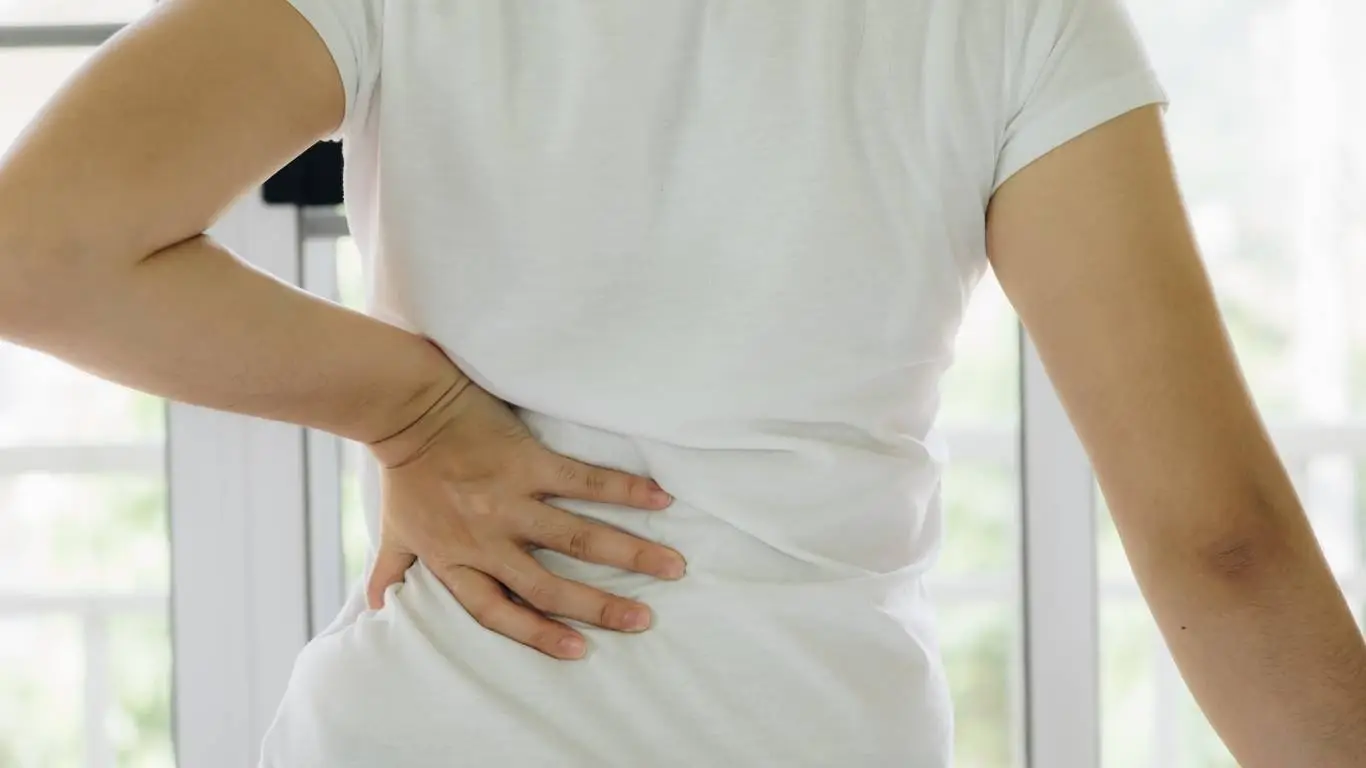
Now, I get it — you’re not going to wear hiking boots to brunch. Sometimes, you want to wear flats. That’s fine. Just be smart about how you do it.
My Tips for Surviving Flats Without Sacrificing Your Back
- Limit wear time: Use them when walking is minimal
- Use inserts: Slim arch-support insoles can work wonders
- Alternate your shoes: Don’t wear the same flats daily
- Stretch regularly: Especially your calves and hamstrings
Adding in a few daily moves from these back pain stretches really kept me balanced when I had to go flat again for a wedding or quick errands. It’s not about perfection — just protecting your alignment where you can.
Wider Lifestyle Adjustments That Help

Footwear isn’t the only factor, of course. Even with perfect shoes, if you’re slouching at your desk all day or hauling around a heavy bag, your back won’t thank you. A few shifts that helped me (alongside ditching flats):
- Switched to a standing desk setup at home
- Started using a lumbar cushion while driving
- Trained my glutes and core to improve stability
- Paid attention to my footwear choices for different tasks
The difference? Night and day. It’s wild how much your back depends on the stuff you’d never even think to question.
Where to Go from Here
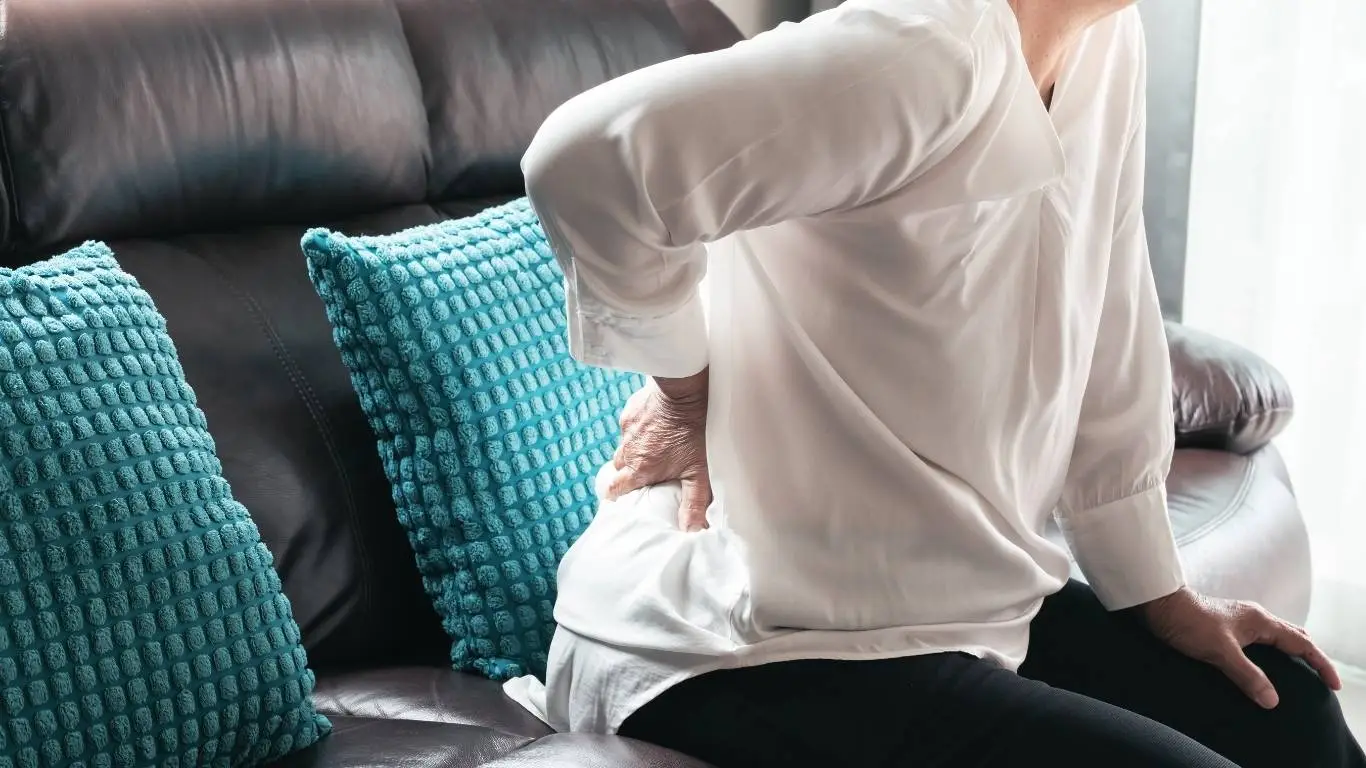
If you’ve been battling unexplained back tightness and you haven’t looked at your shoes — start there. Seriously. It’s one of the most overlooked (and fixable) parts of the puzzle. Whether it’s better daily footwear or just throwing a decent insert into your favorite pair, the relief can be fast and long-lasting.
For a deeper dive into how your everyday habits — like sitting posture, standing time, or even what you eat — impact your spine, head over to the Lifestyle & Natural Remedies pillar article. If you haven’t yet explored the full anatomy and root causes behind back discomfort, the main back pain guide is worth bookmarking.

Camellia Wulansari is a dedicated Medical Assistant at a local clinic and a passionate health writer at Healthusias.com. With years of hands-on experience in patient care and a deep interest in preventive medicine, she bridges the gap between clinical knowledge and accessible health information. Camellia specializes in writing about digestive health, chronic conditions like GERD and hypertension, respiratory issues, and autoimmune diseases, aiming to empower readers with practical, easy-to-understand insights. When she’s not assisting patients or writing, you’ll find her enjoying quiet mornings with coffee and a medical journal in hand—or jamming to her favorite metal band, Lamb of God.