Why Floaters After a Long Hike in Sunlight Shouldn’t Be Ignored
So there I was, standing at the edge of the summit, catching my breath after hours of hiking under a blazing sun — feeling proud, a bit sunburned, and slightly dizzy. That’s when I noticed them again. Those annoying little squiggly lines drifting across my vision like shadowy cobwebs. They weren’t new, but they sure got worse that day. If you’ve ever experienced floaters after a long hike in sunlight, you’re definitely not alone — and trust me, there’s more to this story than just fatigue or dehydration.
Why Do Floaters Appear After Sunlight Exposure?
It’s easy to chalk it up to eye strain, but let’s dig a bit deeper. When you’re out in direct sunlight, especially for extended periods like during a hike, your eyes are working overtime. They’re adjusting to brightness, processing intense visual input, and sometimes getting dried out — all of which can amplify the visibility of existing floaters.
Sunlight doesn’t exactly “create” floaters, but it makes them far more noticeable. The bright background provides a perfect canvas for these little vitreous imperfections to stand out.
But Why After a Hike?
Great question — and it’s not just about the sunlight. Hiking triggers several physical factors:
- Dehydration: Losing fluids through sweat can thicken the vitreous, making floaters more prominent.
- Eye strain: Constantly scanning the terrain stresses your ocular muscles.
- Fatigue: General body fatigue impacts how your brain processes visual distractions like floaters.
And let’s not ignore the role of inflammation. Long hikes — especially in heat — can promote subtle inflammation that might influence the sudden onset or worsening of floaters.
How Sunlight Affects the Vitreous Humor
Here’s the nerdy part I wish someone told me sooner: The middle of your eye — called the vitreous humor — is a gel-like substance that can degrade over time or due to trauma, poor hydration, or oxidative stress. UV exposure from intense sunlight doesn’t directly damage it in a day, but long-term exposure without protection might play a role in early degeneration.
That’s why floaters might seem worse when you’re in bright light — and even more so after physical exertion in the sun. The clearer the sky and brighter the environment, the more your floaters “dance” across your field of vision.
My Experience with UV Damage and Hikes
After a couple years of hiking in high-altitude areas with minimal eye protection, I started noticing a pattern. Floaters would flare up not just during the hike but also the next day, especially when looking at a white wall or clear sky. It led me to research more about how UV and blue light exposure magnify floater perception.
When Should You Worry About Post-Hike Floaters?
Most of the time, floaters after a long hike are benign and temporary. But if they show up suddenly, increase rapidly, or are accompanied by flashes of light, loss of side vision, or what looks like a dark curtain across your eye — see an ophthalmologist immediately.
These can be signs of retinal issues that require urgent care, such as a potential retinal tear or detachment.
Key Warning Signs Include:
- Floaters that appear as large, dark blobs (not just translucent strands)
- Sudden increase in number — like dozens at once
- Flashes of light in your peripheral vision
- Blurred or distorted central vision
If you’re seeing any of the above — especially right after intense physical activity like hiking — don’t wait.
Tips to Prevent Floater Flares During Hikes
Over the years, I’ve built a bit of a floater-friendly hiking strategy. These habits helped reduce my post-hike floaters significantly:
- Stay hydrated: Bring electrolyte-rich fluids, not just water.
- Wear UV-blocking sunglasses: Especially those that wrap around your face.
- Rest your eyes: Take off your glasses during shaded breaks and blink often.
- Mind your nutrition: Foods rich in antioxidants like lutein and zeaxanthin help.
- Use brimmed hats: Extra protection from overhead sun.
Here’s a useful guide that dives deeper into how external stressors can worsen floaters, especially post-exertion.
Could It Be Something Else?
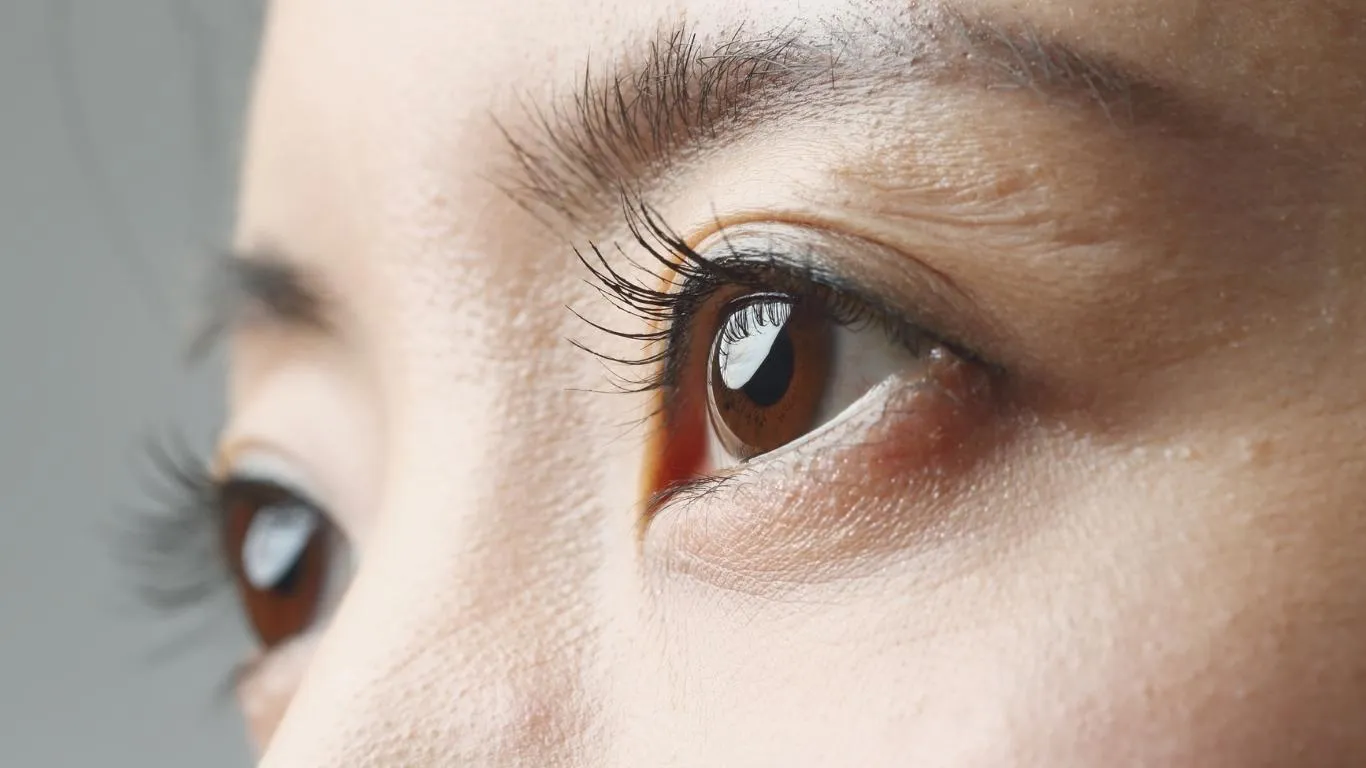
Sometimes what feels like a floater might actually be something else — especially when it only happens after physical exertion. Migraines without pain (ocular migraines), visual aura, or even dry eye effects can all mimic floaters.
There’s a solid breakdown on the difference over at this article about migraine aura vs floaters, which helped me figure out what was what early on.
And if you’ve just recovered from an eye procedure or have preexisting conditions, this read on sports-induced floaters and eye risk is worth your time too.
For a deeper dive into common triggers like aging, trauma, and lifestyle habits, check out this well-rounded guide on eye floater causes.
And for everything you need to know — from symptoms to treatments — bookmark the main article on eye floaters explained here.
Long-Term Vision Health for Outdoor Enthusiasts
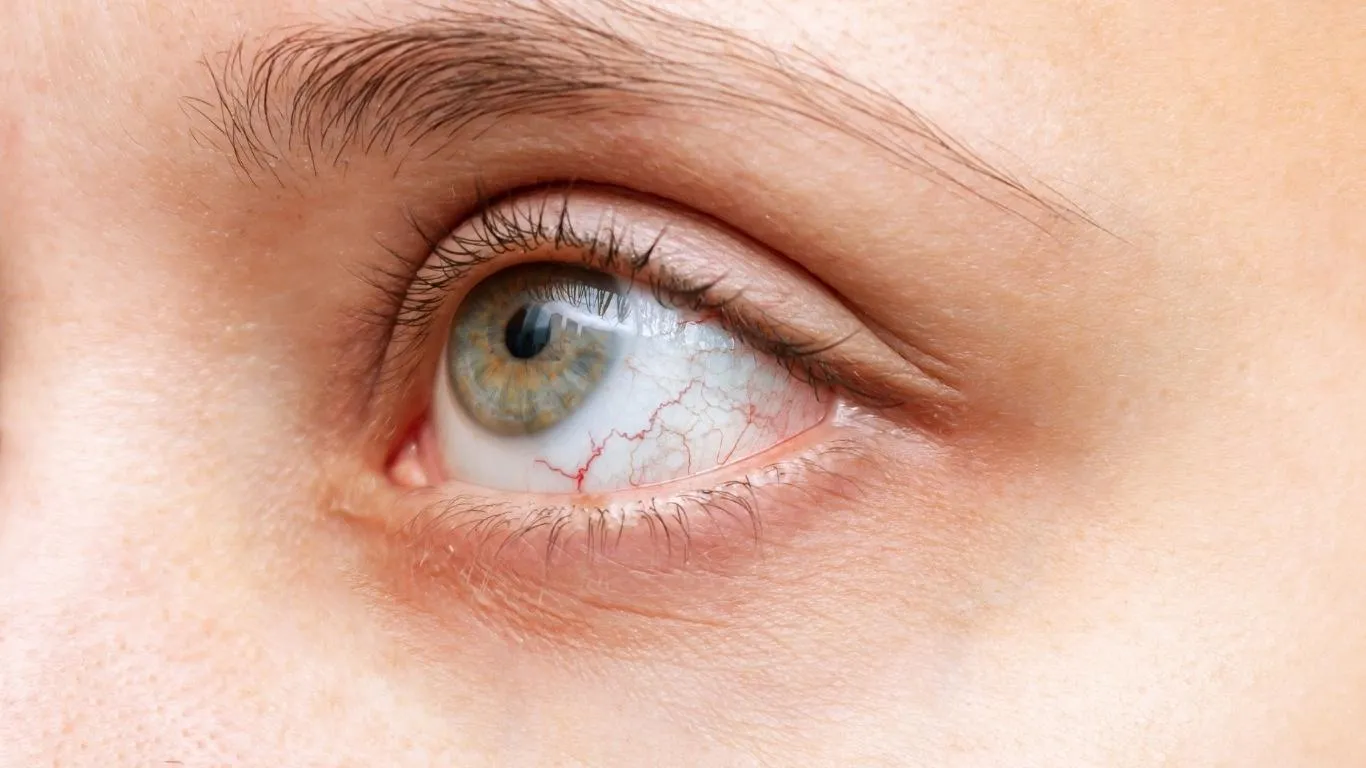
Once floaters start showing up consistently after your hikes, it’s not something to just “tough out.” I ignored mine for months until they became impossible to unsee. That’s when I realized — this wasn’t just a visibility issue, it was a lifestyle adjustment I had to make if I wanted to keep hiking without my eyes feeling like they were under siege.
Maintaining your eye health doesn’t mean giving up outdoor adventures. But it does mean paying attention to your body’s cues, including your vision. Floaters are rarely dangerous, but they can be early signs that your eyes are reacting to environmental stress or internal shifts.
Ongoing Strategies That Actually Help
Let’s ditch the vague advice and talk about what genuinely helped me reduce those post-hike floater flare-ups. I’ve tested a lot — some things worked, some didn’t. Here’s what made the cut:
- Hydration before and after the hike: I add magnesium-rich electrolyte powder to my water bottle now. It’s not just hype — it really keeps things balanced.
- Sunglasses with real UV400 protection: Not all sunglasses are created equal. I switched to wrap-around lenses with verified protection — game changer.
- Supplementing smartly: After some trial and error, I found that specific eye-focused supplements (especially those with lutein, zeaxanthin, and astaxanthin) actually made a difference.
- Cooling eye compress after exposure: A cold compress post-hike helped reduce irritation and dryness — which surprisingly seemed to reduce floater intensity too.
- Limit direct overhead exposure: I time hikes earlier or later in the day, and always wear a brimmed hat now.
Want more practical floaters management tools? You’ll want to dive into this resource on natural eye floater relief methods — I’ve tested half of them, some do work.
When Floaters Are Just the Beginning
There’s something unsettling about noticing a new floater that just won’t go away. Or worse, seeing something that looks like a small spider in your eye every time you glance at the sky. Been there. It’s not always something you can brush off.
In some cases, floaters after physical stress — like a long, high-elevation hike in bright light — can reveal underlying issues. Conditions like vitreous degeneration due to hormonal changes, or the early signs of retinal complications, might be playing a role.
What Your Eye Doctor May Look For
If you book an appointment (which you should if floaters are becoming a pattern), expect your doctor to look for:
- Posterior Vitreous Detachment (PVD): Common after age 40 or intense activity.
- Signs of retinal thinning or stress: Especially common among those with nearsightedness or a history of eye strain.
- Dehydrated vitreous gel: Which can clump and cast shadows, aka floaters.
There’s a great explainer here about PVD and how it relates to floaters if you want to understand the process better.
Should You Hike Less? Not Necessarily
Let’s be honest — I’m not giving up hiking. And you probably aren’t either. But I now treat it like any other high-impact activity that requires prep and recovery. That includes protecting my eyes, not just my knees and back.
Floaters shouldn’t dictate how much you enjoy your life outdoors. But they should motivate you to be smarter about vision care as part of your active lifestyle.
Small Things That Make a Huge Difference
- Rest your eyes in shaded spots every hour or so
- Look down at your feet or gear occasionally to break up sky-staring
- Keep artificial tears or eye mist in your hiking pack
- Avoid caffeine-heavy energy drinks before hikes (they can increase floater visibility — here’s why)
If your floaters are starting to interfere with daily vision even outside of hiking, there’s a comprehensive guide on available treatment options that’s worth bookmarking for future reference.
Should You Ever Consider Treatment?
Here’s the real talk. Most floaters don’t require treatment. But if they’re causing functional problems — like obscuring your vision while driving, reading, or yes, hiking — then it’s time to consider the options.
You’re not locked into laser or surgery immediately. There are observational approaches and lifestyle-based methods that can help you adapt. Some patients even report improvements from specific diet modifications.
If floaters are worsening or you’ve got an underlying condition that could complicate them — like diabetes or high blood pressure — it’s crucial to get personalized advice. Here’s a good breakdown on how floaters might be warning signs for systemic issues.
For the full picture, the most valuable reference I’ve found is the central resource on what causes eye floaters and how to treat them. It pulls together symptoms, root causes, and all the major treatment pathways in one place.

Camellia Wulansari is a dedicated Medical Assistant at a local clinic and a passionate health writer at Healthusias.com. With years of hands-on experience in patient care and a deep interest in preventive medicine, she bridges the gap between clinical knowledge and accessible health information. Camellia specializes in writing about digestive health, chronic conditions like GERD and hypertension, respiratory issues, and autoimmune diseases, aiming to empower readers with practical, easy-to-understand insights. When she’s not assisting patients or writing, you’ll find her enjoying quiet mornings with coffee and a medical journal in hand—or jamming to her favorite metal band, Lamb of God.