Why Floaters After Applying Facial Cream Near Eyes Can Be Concerning
Ever had that annoying moment when you just finished your skincare routine, feeling all refreshed and moisturized, and then—bam—there’s a squiggly little floater drifting across your vision? I remember the first time it happened to me. I thought it was just some leftover residue or a smudge on my contact lens. But nope—it was an actual eye floater. It all started after I applied a new eye cream that promised to “erase dark circles overnight.” Spoiler: it didn’t. But it did leave me wondering—can floaters actually be triggered by something as innocent as facial cream near the eyes?
Can Eye Creams Really Cause Floaters?
This sounds like something a dermatologist might shrug off—but for those of us who’ve experienced it, it’s legit concerning. While there’s no direct clinical evidence showing that applying facial cream causes floaters, it’s not entirely out of the realm of possibility either. What’s more likely is that certain ingredients or the pressure from application might be contributing to symptoms that were already lurking under the surface.
Some floaters develop suddenly after subtle trauma, like rubbing your eyes a little too hard, or applying pressure while spreading cream near the delicate under-eye area. You may unknowingly be triggering eye floaters from rubbing or tapping during skincare routines.
Common Offenders in Skincare Products
Skincare near the eyes should be gentle—but let’s be real, many of us don’t read the ingredient labels carefully. Some common culprits that could worsen floaters include:
- Retinol: A potent anti-aging ingredient that may irritate delicate eye tissues when applied too close to the lash line.
- Fragrance: Often a hidden irritant. You’d be surprised how many “natural” products still have it.
- Alcohol-based formulas: These can dry out not only your skin but also affect eye comfort, especially in sensitive individuals.
And if you’re using creams that promise instant firming or tightening, beware—those sometimes contain vasoconstrictors that can mess with circulation around the eye, which may lead to visual disturbances.
Floaters or Something Else?
Let’s clarify something: not all visual disturbances are floaters. Sometimes what we mistake for floaters could be light sensitivity, shadows from eye strain, or signs of dryness. I once confused post-eye-cream halos with floaters, only to find out it was oily residue reflecting off my lens.
Still, floaters are real—and for many people, they’re triggered by subtle lifestyle or health changes. Skincare might just be the straw that breaks the camel’s back. You can read more about this nuance in the context of eye surgery and floaters, where seemingly unrelated factors can influence vision health.
What Do the Experts Say?
Ophthalmologists are cautious when linking floaters to skincare, but they don’t rule it out completely. They note that inflammation, eye rubbing, or allergic reactions can increase floaters in those already at risk. According to data from aao.org, posterior vitreous detachment—a common cause of floaters—is often triggered by sudden changes in the eye environment.
How to Apply Eye Cream Without Risking Floaters
- Use your ring finger: It applies the least pressure and is perfect for dabbing, not dragging.
- Stay below the orbital bone: Don’t apply cream too close to the lash line where it can migrate into your eye.
- Wait before sleeping: Let the product absorb for at least 10-15 minutes before lying down to avoid product seepage.
- Go fragrance-free and alcohol-free: Especially if you’ve had floater episodes before.
And always—always—stop using a product that makes your eyes feel gritty, dry, or blurry.
Is It Time to See an Eye Doctor?
Here’s the rule I go by: If a floater appears suddenly, and it’s big, black, or accompanied by flashes of light or peripheral vision loss—get to an eye doctor immediately. No serum or cream is worth risking your retina. You might be dealing with more than just a minor issue. Floaters can occasionally be warning signs of retinal detachment, especially when new and dramatic. A deeper look at floaters as a retinal warning can be eye-opening (pun intended).
For a more comprehensive overview of what truly causes floaters—from aging to trauma—check out this guide on floaters causes. It’s a great companion read if you’re piecing together how your eye cream routine might be part of a bigger puzzle.
Also, if you’re new to the whole floater phenomenon, don’t miss the full breakdown of causes, symptoms, and treatments in the main guide to eye floaters by Healthusias.
What If the Floaters Don’t Go Away?
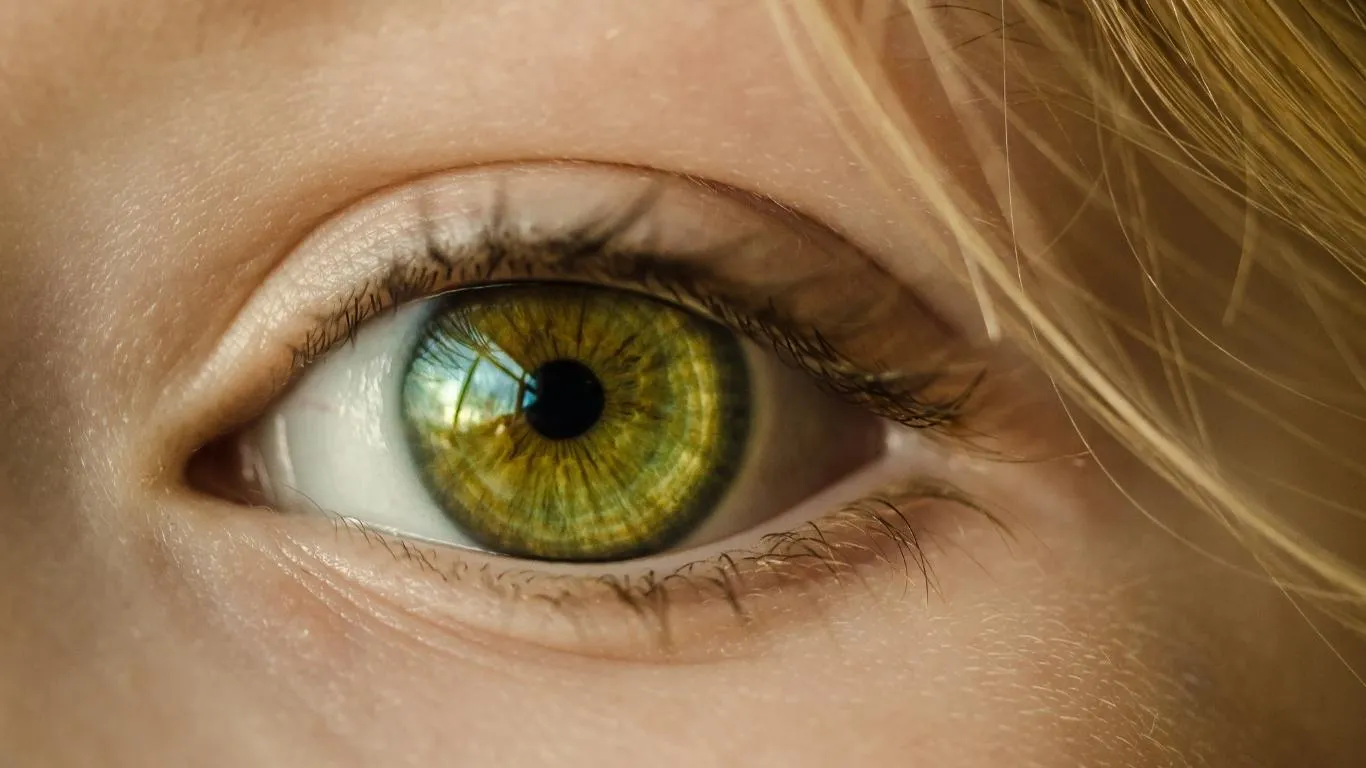
I remember staring at the ceiling one morning, blinking repeatedly because a little dot just wouldn’t leave my field of vision. Days passed. It wasn’t going anywhere. If you’ve been in this spot, wondering whether the floaters are permanent after applying eye cream, you’re not alone. Many people assume they’ll fade in a few hours—but that’s not always the case.
Floaters that appear and stick around could be a sign of something deeper. The vitreous gel in our eyes changes consistency over time, and even the slightest nudge—like pressure from skincare application—can accelerate that shift in certain people. This is especially common if you already have hypertension, high eye pressure, or even dry eye syndrome, which tends to worsen floater visibility.
Why Some People Are More Prone to Cream-Triggered Floaters
If you’re like me—prone to allergies, sinus pressure, or dry environments—your eyes are already on edge. Add a new cream, a seasonal weather shift, or even just a night of poor sleep, and your eyes may react with increased floaters.
- High myopia (nearsightedness) increases the risk of floaters after minor irritants.
- Thin retinal tissue can react negatively to pressure or rapid eye movements.
- Post-inflammatory eye conditions (like conjunctivitis or allergies) leave eyes more vulnerable to floaters.
So while that new $80 eye cream promises smoother skin, it might also be poking the wrong bear—your eyeballs.
When It’s Not the Cream

Here’s the twist: It’s not always the cream. Sometimes, floaters appear after applying skincare, but the real trigger is an underlying issue that’s been brewing silently. For example, those dealing with hormonal fluctuations may notice floaters worsening after routine face care. There’s an interesting dive into that in this breakdown on hormonal floater triggers.
Likewise, eye floaters have been reported by people who recently changed their diet, had a stressful week, or were recovering from illness. A good read to consider is how floaters link to pressure and altitude shifts—you’d be surprised how sensitive the eye’s internal systems can be.
Ingredients to Avoid Going Forward
So if you’re like me and not ready to give up skincare, here are a few rules I now live by:
- No retinol near the eye—I love retinoids, but I save them for the cheeks and forehead.
- No strong essential oils—even “natural” brands sneak in lavender or peppermint, which can irritate the eyes.
- No thick balm-style creams at night—they migrate more as you sleep and can sneak into the tear duct.
More importantly, I stick to lightweight, ophthalmologist-tested formulas. Some brands even have eye serums designed for contact lens wearers, which are a safer bet for people prone to floaters.
Can Eye Cream Floaters Be Prevented?
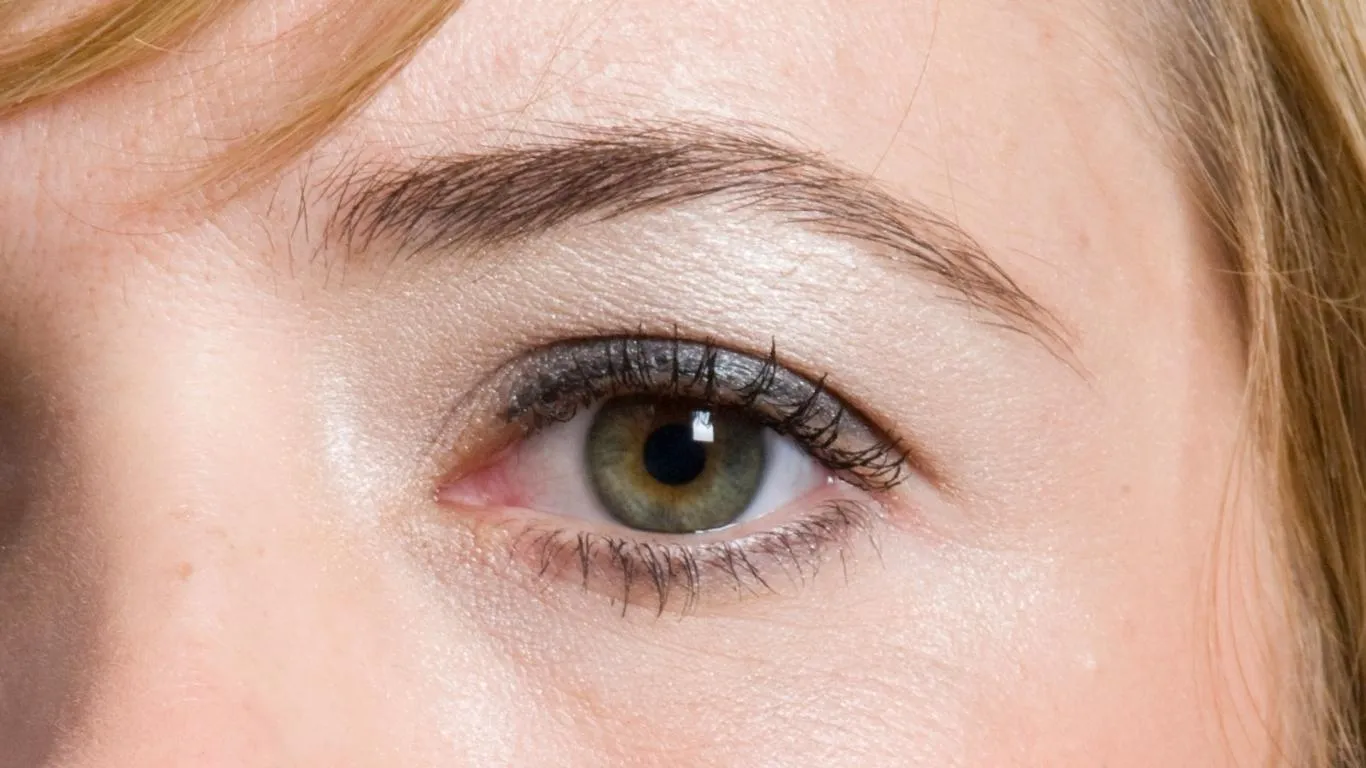
Short answer? Sometimes. Not always. But it helps to be cautious. Once I adjusted my routine and stopped overworking my under-eye area, the floaters didn’t vanish overnight—but they did stop getting worse.
Here’s what’s worked for me and many others:
- Warm compresses before applying skincare help improve circulation and reduce eye strain.
- Follow the 20-20-20 rule if you’re on screens a lot: every 20 minutes, look at something 20 feet away for 20 seconds.
- Hydrate like crazy—dehydration thickens the vitreous and makes floaters more obvious.
And when in doubt, I consult with an optometrist—because skincare is replaceable, but your retina is not.
Should You Be Worried About Floaters After Skincare?
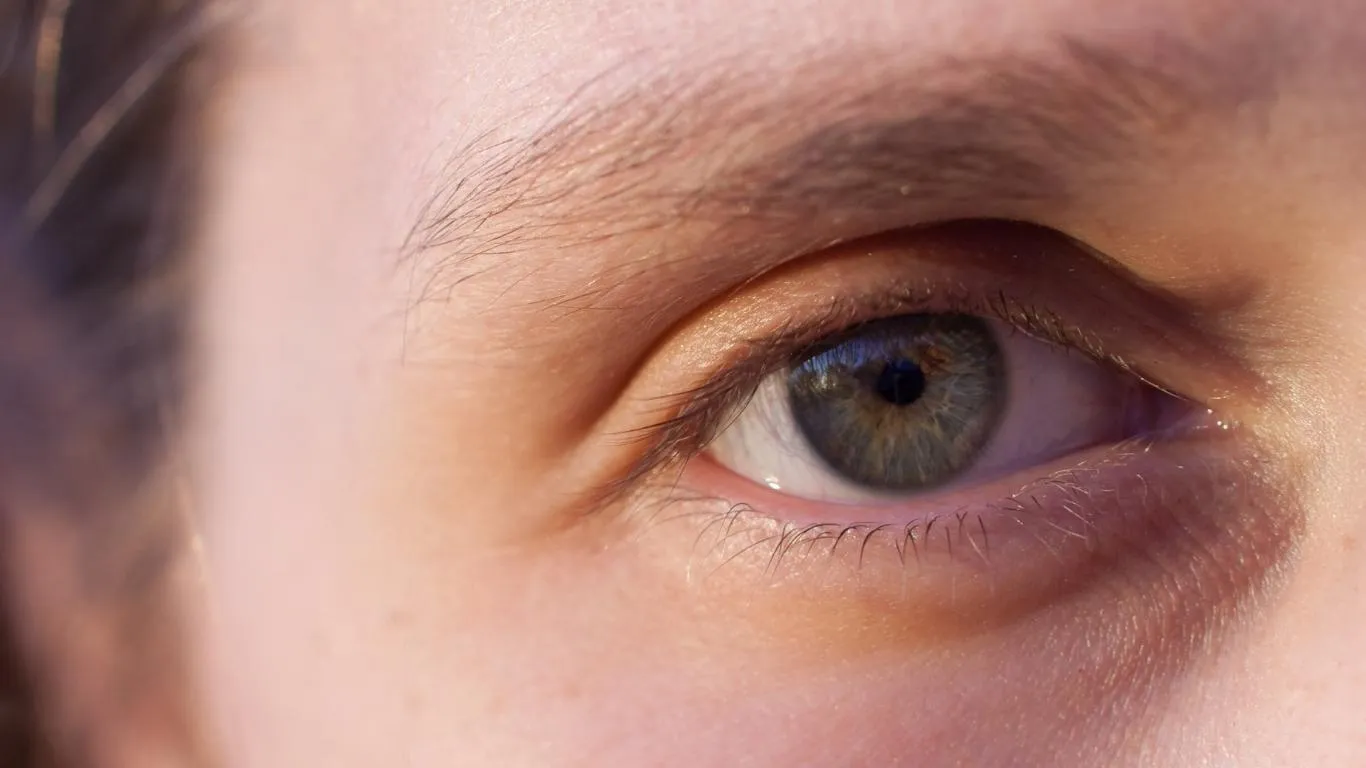
Not necessarily. For most people, these floaters are harmless, temporary, and more about coincidence than causation. But if you notice them becoming more frequent, darker, or accompanied by discomfort or vision changes, it’s worth digging deeper.
For a natural take on managing floaters, including lifestyle tweaks and herbal options (yes, those exist), check out this guide on natural floater management. It covers everything from diet to eye exercises.
At the end of the day, knowing your body—and your eyes—is key. Our skin might tolerate a little experimentation, but our vision? Not so much. I now test every product patch near my temple before going anywhere near the eye area. It’s a small price to pay for keeping both my skincare glow and my vision intact.

Camellia Wulansari is a dedicated Medical Assistant at a local clinic and a passionate health writer at Healthusias.com. With years of hands-on experience in patient care and a deep interest in preventive medicine, she bridges the gap between clinical knowledge and accessible health information. Camellia specializes in writing about digestive health, chronic conditions like GERD and hypertension, respiratory issues, and autoimmune diseases, aiming to empower readers with practical, easy-to-understand insights. When she’s not assisting patients or writing, you’ll find her enjoying quiet mornings with coffee and a medical journal in hand—or jamming to her favorite metal band, Lamb of God.