Why Floaters After Burning Incense Near Eyes Could Harm Your Vision
Ever noticed tiny specs or cobweb-like strands drifting across your vision after lighting incense near your eyes? You’re not alone. I remember once during a meditation session, the room was filled with calming sandalwood incense. Moments later, I noticed odd floating shadows that weren’t there before. At first, I dismissed it as imagination, but those floaters lingered. Turns out, there’s more to it than meets the eye (pun intended!). Let’s unpack why burning incense can trigger these pesky floaters and what it could mean for your eye health.
Why Does Incense Smoke Affect Your Eyes?
Incense releases microscopic particles when burned, which can irritate your eyes—especially in enclosed spaces. When these tiny particles get into your eyes, they don’t just cause watering or redness; they may disturb the vitreous gel inside your eye, leading to the appearance of floaters.
Incense Smoke & Vitreous Disturbances
The vitreous is a gel-like substance that fills the inside of your eyeball. Over time, or when irritated by external factors like smoke, this gel can liquefy or shrink slightly, creating floaters. If you’ve ever wondered, “Why do floaters seem to dance when I move my eyes after burning incense?” — it’s because those particles have unsettled your eye’s internal balance.
Sensitivity Varies from Person to Person
Some people, like me, are more sensitive to airborne irritants. A simple ritual of lighting incense for ambiance could unknowingly cause visual disturbances. If you’re prone to allergies or dry eye syndrome, the likelihood of experiencing floaters after incense exposure increases significantly.
Is This a Sign of a Bigger Problem?

In most cases, floaters after incense exposure are temporary. However, persistent or sudden bursts of floaters might hint at underlying conditions like retinal tears or vitreous detachment. These are not to be taken lightly. If your floaters come with flashes of light or peripheral vision loss, it’s time to consult a specialist.
When to Be Concerned
- Floaters increase drastically after incense exposure
- Flashes of light accompany the floaters
- Blurred or shadowed vision develops post-incense ritual
If these symptoms sound familiar, you might want to read this guide on when eye floaters are dangerous.
Tips to Minimize Floaters Triggered by Incense

- Ensure proper ventilation: Open windows or use fans to disperse the smoke.
- Avoid direct exposure: Place incense sticks away from eye level to prevent smoke from rising directly into your face.
- Hydrate your eyes: Using lubricating eye drops can help clear irritants from the ocular surface.
- Choose natural incense: Synthetic fragrances tend to release more harmful particulates compared to organic incense.
Are You Mistaking Eye Floaters for Dust or Smoke?
It’s surprisingly common to confuse floaters with actual smoke particles or even dust floating in the air. If you’re uncertain whether you’re seeing real particles or floaters inside your eye, a simple blink or a glance at a plain white wall can reveal the truth. Real dust will move independently, while floaters move with your eye movements and seem to drift slowly out of your line of sight.
This confusion is so widespread that we’ve covered it in detail in this piece on eye floaters vs. dust.
Eye Conditions That Make You More Susceptible
While occasional floaters after incense exposure are common, certain eye conditions can amplify the problem:
- Dry Eye Syndrome: Lack of moisture makes the eyes more sensitive to smoke particles.
- Posterior Vitreous Detachment (PVD): A natural aging process where the vitreous pulls away from the retina, often worsened by irritants.
- High Myopia: Nearsighted individuals are more prone to vitreous changes that can result in floaters.
If you fit into any of these categories, it’s essential to be proactive. You can learn more about how conditions like Posterior Vitreous Detachment could be the main culprit.
Understanding the Link Between Airborne Irritants and Floaters
Many don’t realize that exposure to airborne pollutants like incense smoke doesn’t just affect the surface of the eye. These fine particles can accelerate vitreous degeneration over time, especially in poorly ventilated environments. Experts at American Academy of Ophthalmology warn that environmental irritants are an underestimated risk factor in vitreous health decline.
Moreover, scientific studies, such as those from NIH, confirm that prolonged exposure to air pollution, including incense smoke, can influence ocular microcirculation, indirectly contributing to floater development.
Do Incense-Related Floaters Go Away on Their Own?

In most cases, yes. Floaters caused by minor irritation from incense are temporary and fade as your eyes recover. But if you find them persisting or worsening with time, it could be a signal to explore treatment options. For those seeking a natural approach, here’s an insightful article on natural ways to manage eye floaters.
If you’re experiencing a noticeable uptick in floaters lately, I highly recommend checking out this comprehensive guide on eye floater causes, symptoms, and treatments to better understand what’s going on with your vision.
When Floaters After Incense Exposure Shouldn’t Be Ignored
I’ll be honest, I brushed off my floaters after incense exposure for weeks, thinking they’d vanish. But one day, after a long incense-burning session, I noticed a sudden shower of floaters in one eye—it was alarming. That experience taught me a hard lesson: sometimes, floaters are a red flag. If you notice a sudden onset of numerous floaters, especially after activities like burning incense, it could point to something more serious, like a retinal tear or vitreous hemorrhage.
Articles like this in-depth guide explain how floaters can be early indicators of retinal complications. Ignoring them might risk vision loss.
Key Symptoms That Require Immediate Attention
- Flashes of light in your peripheral vision
- A gray curtain-like shadow moving across your vision
- Floaters accompanied by eye pain or severe discomfort
If you notice any of these symptoms, especially after incense exposure, it’s critical to see an eye specialist immediately. Don’t wait for them to “go away on their own.”
Practical Ways to Protect Your Eyes When Burning Incense
While it’s easy to swear off incense altogether, many of us (myself included) appreciate the tranquility it brings. The solution isn’t to avoid it entirely but to practice safer habits:
- Position the incense wisely: Keep it at a lower level, away from your direct breathing and eye line.
- Use air purifiers: They can significantly reduce airborne particles in enclosed spaces.
- Limit exposure time: Instead of hours of continuous burning, keep sessions short and mindful.
- Opt for high-quality, organic incense: Avoid chemical-laden products that release harsher irritants.
By making these small adjustments, I’ve personally noticed fewer incidents of floaters after my incense rituals. The air feels cleaner, and my eyes don’t rebel as much.
How Eye Health Professionals View Environmental Floaters
Many ophthalmologists stress that while floaters from external irritants like incense are common, they can sometimes be an early sign of more chronic vitreous degeneration. Experts recommend regular eye exams, especially for individuals frequently exposed to airborne irritants.
One specialist once told me, “It’s not the occasional incense stick that’s the problem; it’s the cumulative exposure over time that can accelerate vitreous changes.” This perspective is echoed in Mayo Clinic resources, emphasizing environmental factors as significant contributors to floater frequency and severity.
Are Natural Remedies Effective for Incense-Related Floaters?

There’s a lot of talk about natural remedies claiming to dissolve floaters. I’ve personally experimented with a few, from bilberry extracts to specific eye exercises. While these approaches didn’t make my floaters vanish, they certainly improved my overall eye comfort and reduced irritation after incense sessions.
Some Helpful Natural Approaches Include:
- Staying hydrated — It’s simple but often overlooked.
- Increasing intake of antioxidants — Foods rich in lutein and zeaxanthin can support eye health.
- Practicing the “20-20-20” eye relaxation rule — Every 20 minutes, look 20 feet away for 20 seconds.
However, it’s essential to understand that these remedies won’t “cure” floaters caused by vitreous changes but can alleviate discomfort and prevent further irritation. For a breakdown of what works and what doesn’t, check out this detailed article on natural floater management.
Could Burning Incense Be Accelerating Age-Related Floaters?
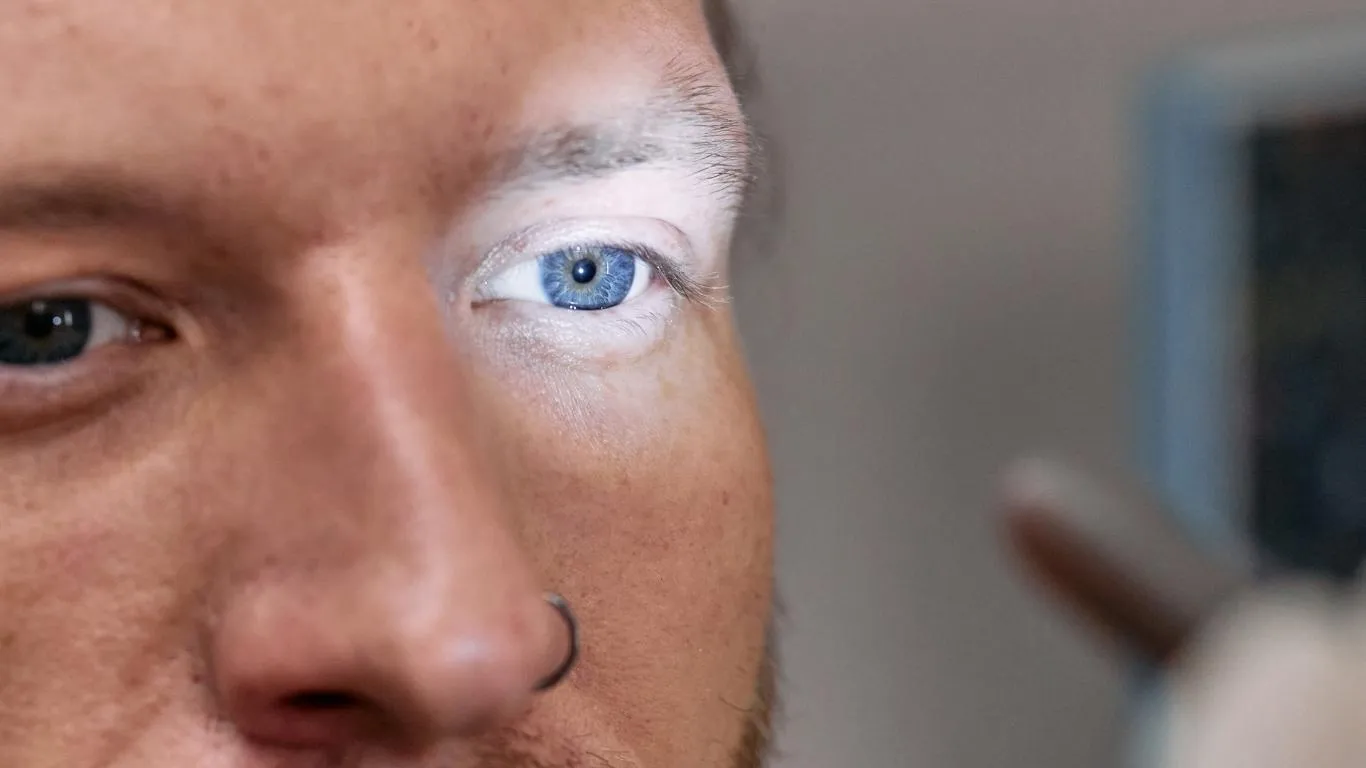
As we age, the vitreous gel inside our eyes naturally shrinks, leading to an increase in floaters. Burning incense, especially in poorly ventilated areas, might expedite this process. I stumbled upon a study on NIH that highlighted how indoor air pollution could influence ocular aging.
If you’re in your 40s or beyond, and suddenly noticing floaters after incense sessions, it might be worth reading about what’s normal and when to be concerned.
When Lifestyle Adjustments Aren’t Enough
For some, lifestyle tweaks and home remedies won’t suffice. If your floaters persist or become disruptive, medical interventions like YAG laser vitreolysis or vitrectomy might be necessary. These procedures come with their risks and should be considered only after professional consultation.
For a comprehensive view of available treatment options, this treatment guide is a must-read.
Staying Mindful of Your Eye Health
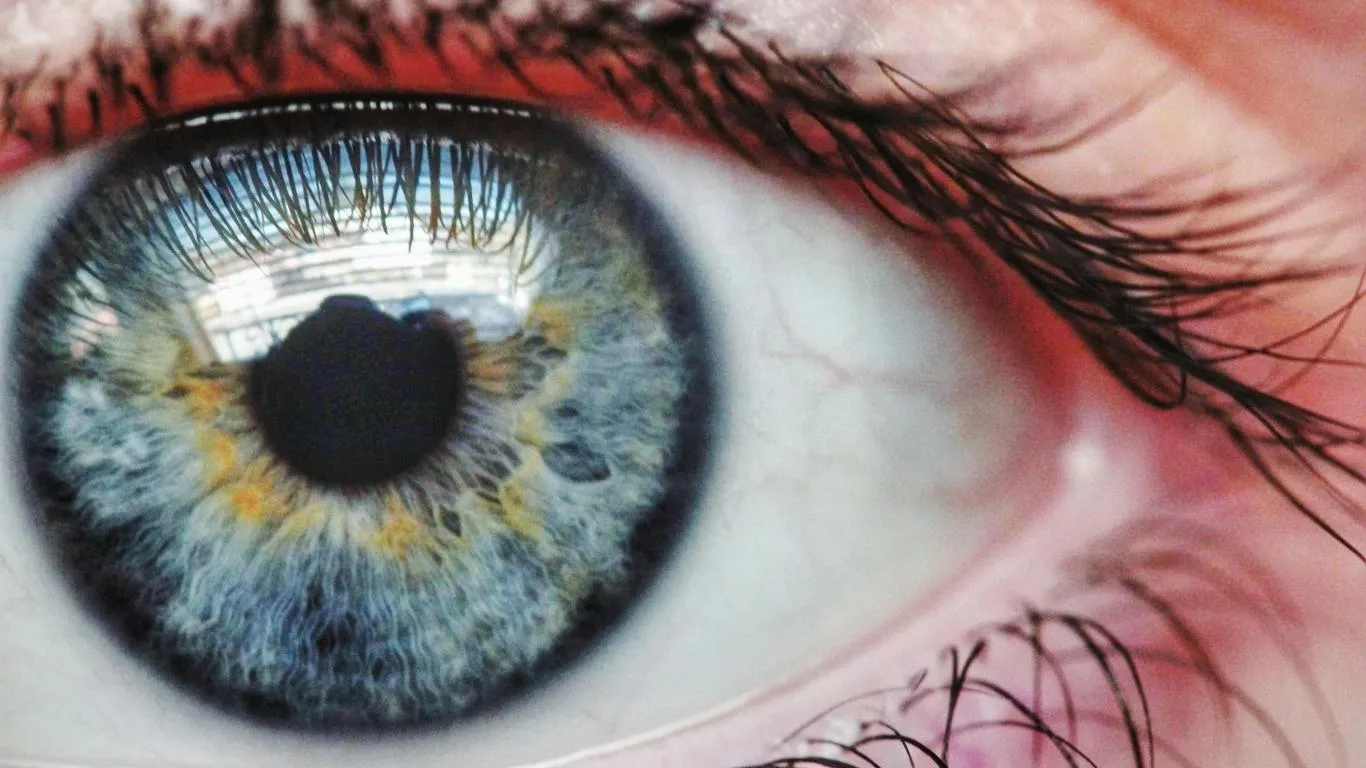
As much as incense can elevate your ambiance, it’s crucial to listen to your eyes. I now approach my incense rituals with more mindfulness—ensuring proper airflow, keeping sessions short, and regularly monitoring my vision health. Small adjustments have made a noticeable difference.
To fully grasp how various factors contribute to eye floaters and how to maintain optimal eye health, don’t miss this essential read on eye floater causes, symptoms, and treatments.

Camellia Wulansari is a dedicated Medical Assistant at a local clinic and a passionate health writer at Healthusias.com. With years of hands-on experience in patient care and a deep interest in preventive medicine, she bridges the gap between clinical knowledge and accessible health information. Camellia specializes in writing about digestive health, chronic conditions like GERD and hypertension, respiratory issues, and autoimmune diseases, aiming to empower readers with practical, easy-to-understand insights. When she’s not assisting patients or writing, you’ll find her enjoying quiet mornings with coffee and a medical journal in hand—or jamming to her favorite metal band, Lamb of God.