Why Floaters After Calming Self-Talk Sessions Feel More Annoying
I remember the first time I noticed those little squiggly shapes floating across my vision after a particularly calming self-talk session. At first, I brushed it off as nothing—maybe it was the sunlight filtering through my window. But as it kept happening, I started to wonder: can something as simple as calming myself down really trigger these floaters? Turns out, I wasn’t imagining things. Let’s dive into why floaters after calming self-talk sessions might be more common than you think, and what’s actually going on inside your eyes.
What Exactly Are Eye Floaters?
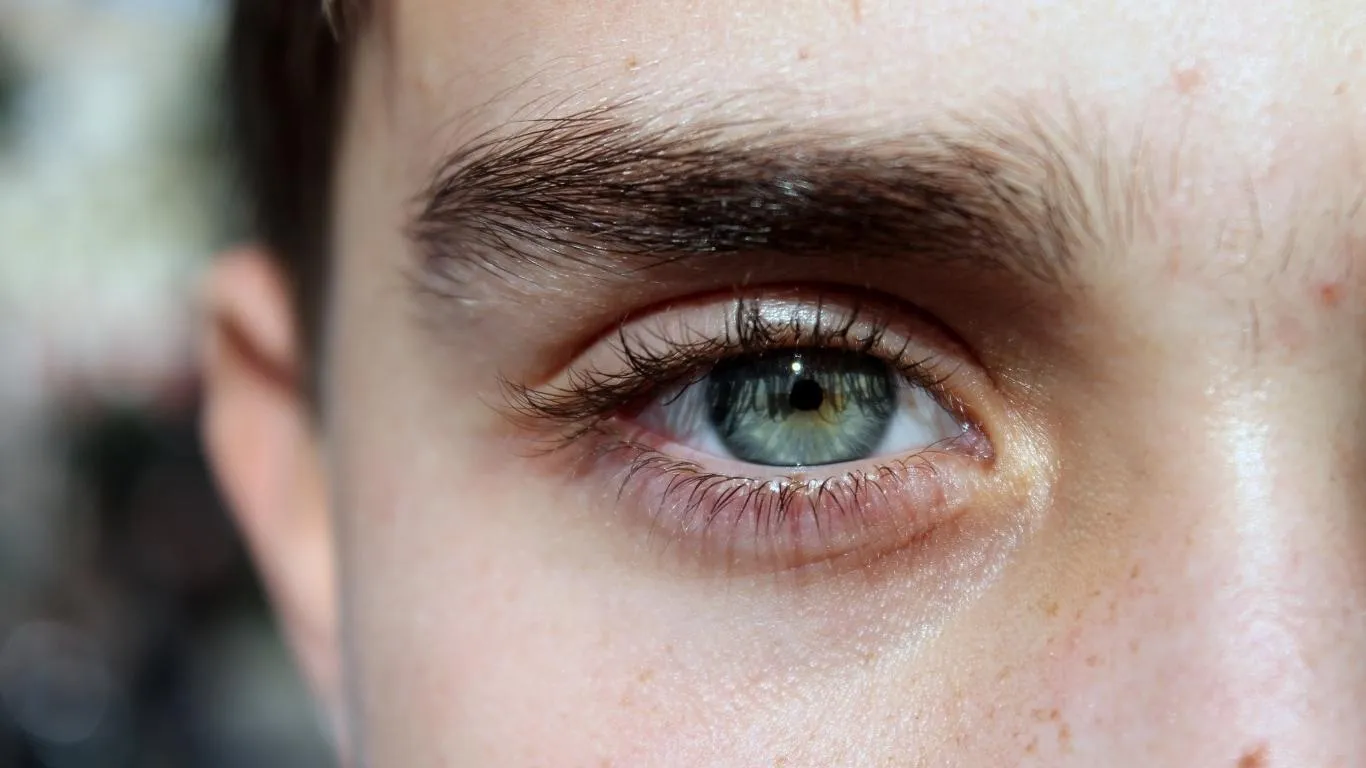
Floaters are those tiny specks, cobwebs, or thread-like strands that seem to drift aimlessly in your field of vision. They’re most noticeable when you’re staring at a bright, blank surface like a white wall or the clear sky. Scientifically speaking, they’re tiny bits of collagen clumps that cast shadows on the retina as they float in the vitreous humor of your eye.
But here’s something interesting—while they’re often linked with aging or eye injuries, the connection between floaters and specific activities like calming self-talk sessions isn’t talked about much. Yet, if you’ve experienced it, you’re not alone.
Why Floaters Might Appear After Self-Talk Sessions
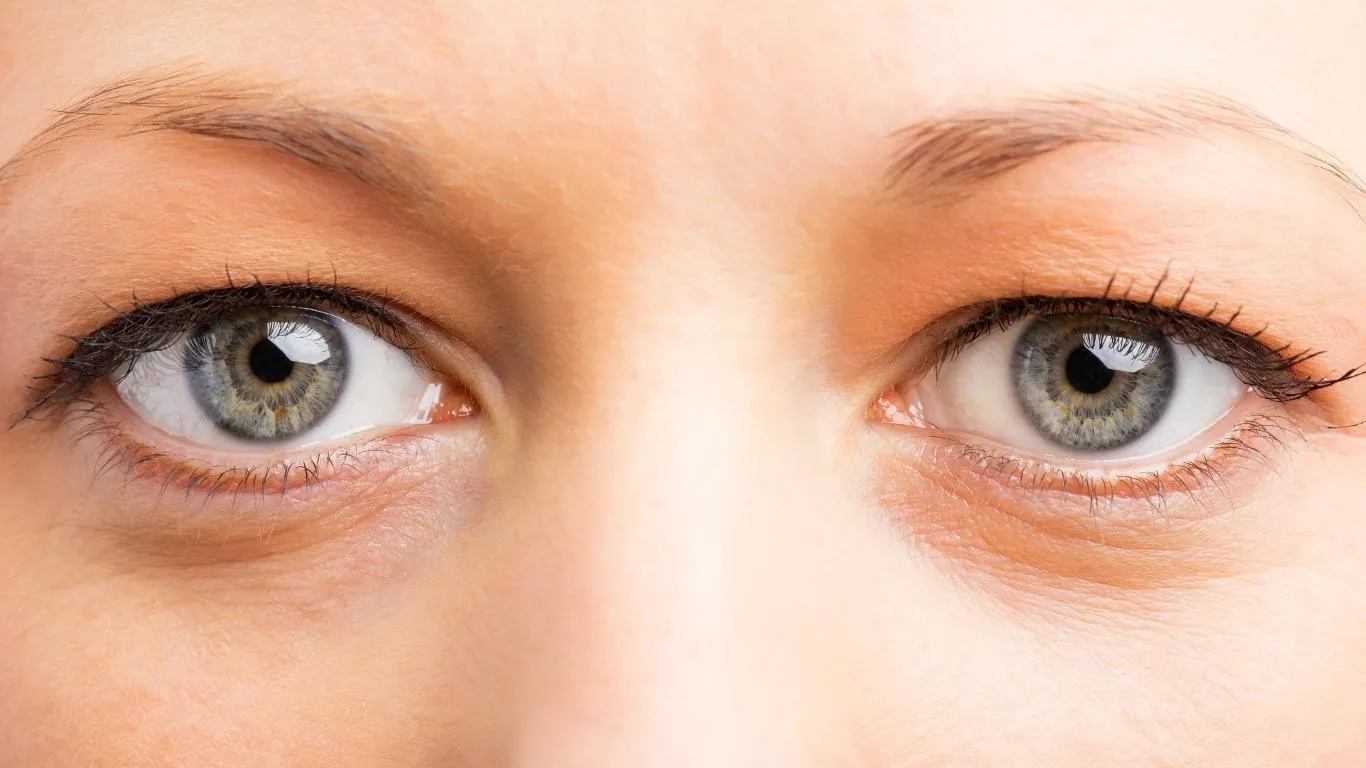
Self-talk, especially calming or meditative forms, tends to relax not just your mind but also your body. You might not realize it, but during those few minutes of quiet reflection, a lot is happening physiologically that could make floaters more noticeable:
- Reduced Eye Movement: When you’re sitting still, eyes unfocused, floaters can drift into your line of sight more prominently.
- Change in Pupil Size: Calming activities often trigger a parasympathetic response (rest-and-digest mode), slightly constricting pupils and changing how light enters the eye, which can accentuate floaters.
- Heightened Visual Awareness: When you’re deeply relaxed, you become more aware of subtle visual phenomena that you’d typically ignore.
In fact, there’s a growing conversation about how activities like meditation, mindfulness, and self-reflection sessions make people more attuned to their internal sensory world, including visual floaters. A detailed breakdown of these triggers is discussed in this comprehensive guide.
The Link Between Calm States and Vitreous Dynamics
When you engage in calming self-talk, your heart rate slows, blood pressure stabilizes, and even the micro-movements within the eye can decrease. This subtle stillness gives floaters a stage to perform, so to speak. Since they move with the vitreous fluid, when that fluid isn’t being jostled by rapid eye or head movements, floaters become more stable and visible.
Some researchers even suggest that the lack of dynamic movement in the ocular muscles during intense focus or relaxation can cause floaters to “linger” in the visual field longer than usual. This phenomenon is very similar to what happens during extended screen use, as explained in this article on floaters from concentration fatigue.
Why It Feels Worse in Quiet Moments
Ever noticed how floaters rarely distract you when you’re busy, but the moment you sit down for a self-calming session, they seem overwhelming? It’s not that they’re suddenly appearing; it’s your brain shifting focus. Visual filters that normally ignore these “background specks” are less active during introspective moments, making floaters feel more intrusive.
Is It a Sign of Something Serious?
For most people, floaters after calming self-talk sessions are harmless. However, a sudden burst of new floaters, especially if accompanied by flashes of light or a curtain-like shadow in your peripheral vision, could indicate a more serious issue like a retinal tear or detachment.
To understand when floaters become a red flag, I always recommend reading this expert-backed guide on warning signs to never ignore.
On the other hand, for those of us who’ve had persistent floaters for years, calming practices might just make them a bit more noticeable without signaling any new eye health threat. Still, it’s always a good idea to keep tabs on any changes, and perhaps even discuss it with your ophthalmologist during routine check-ups.
Managing Floaters Naturally During Self-Calming Routines
While floaters can’t just be wished away, certain strategies have helped me minimize their presence during my self-reflection sessions:
- Mindful Eye Movement: Slowly rolling your eyes in a circular motion can shift floaters out of your direct line of sight.
- Lighting Adjustments: Softer, diffused lighting reduces contrast and makes floaters less noticeable.
- Hydration and Nutrition: Keeping your vitreous healthy is key; foods rich in lutein and omega-3s are beneficial. More on this can be found in this nutrition guide.
There’s a lot of noise online about “miracle cures” for floaters, but from my experience and expert consultations, realistic management is about consistency and patience, not overnight fixes. For those exploring deeper treatments, here’s an excellent resource on treatment options that actually work.
Further Understanding Eye Floaters Holistically
Floaters after calming self-talk sessions are a fascinating intersection of vision science and mindfulness. They highlight how our internal state directly affects sensory perception. If you’re curious about differentiating floaters from other eye issues, don’t miss this well-researched piece on spotting the difference between floaters and serious conditions.
For a comprehensive dive into what causes floaters and how they evolve over time, I recommend reading the main article on Eye Floaters: Causes, Symptoms, and Treatment which covers everything from A to Z with insights straight from leading ophthalmologists.
Can Calming Self-Talk Make Floaters Worse Over Time?
This was a personal question I couldn’t shake off. After months of consistent self-reflection routines, I began to notice floaters more frequently. Was I making things worse? The short answer—probably not. Floaters are generally a result of age-related vitreous degeneration, not mindfulness practices. However, as we engage in calm, inward-focused activities, we naturally tune into subtle body sensations, including these tiny floaters drifting across our vision.
It’s less about floaters worsening and more about your brain becoming more observant. Similar effects have been reported in individuals practicing meditation or yoga, where internal bodily sensations become amplified. A helpful piece that dives into this sensory-awareness phenomenon can be found here.
Psychological Impact: When Floaters Disrupt Your Peace

One unexpected hurdle I faced was how floaters started to challenge my ability to stay calm during self-talk sessions. There’s an ironic twist to trying to calm your mind while tiny floating specs stubbornly invade your focus. Over time, this can create a frustrating loop—where the very practice meant to ease stress becomes a new source of it.
In cases where floaters lead to anxiety, frustration, or distraction, it’s crucial to address the mental health component. I found that shifting focus techniques and gently re-directing my attention away from visual distractions helped. The mental toll of persistent floaters is an under-discussed topic, but you can learn more about how to cope in this article on the psychological effects of floaters.
Floaters & Emotional State: Is There a Connection?
One thing that often gets overlooked is how our emotional state can influence the perception of floaters. When you’re anxious, stressed, or hyper-focused (which often occurs in self-calming practices), your sensory gates open wider. This makes floaters stand out more. Interestingly, emotional shifts—even positive ones—can heighten this awareness.
I came across a fascinating read about how emotional episodes can trigger visual floaters more noticeably. For anyone interested in exploring this mind-body connection, here’s an in-depth look at floaters triggered by emotional stress.
Are There Long-Term Solutions for Floaters?
Let’s be honest, while calming self-talk sessions won’t cause floaters to appear permanently, they can certainly bring existing ones to your attention. For those who find floaters too distracting, even outside of mindfulness routines, there are both clinical and natural approaches to consider.
- Vitrectomy: A surgical option where the vitreous gel is removed and replaced. Effective but comes with risks.
- Laser Vitreolysis: Uses laser pulses to break down floaters. Minimally invasive but not suitable for all cases.
- Lifestyle Adjustments: Diet, hydration, and proper lighting can help minimize floaters’ visibility during relaxation practices.
For a comprehensive breakdown of all available treatments, both invasive and conservative, I’d recommend reading the trusted guide on eye floater treatment methods.
Practical Tips to Minimize Floater Distractions During Self-Talk
Over the past year, I’ve experimented with several strategies to make my calming sessions more “floater-friendly.” Here are a few practical tweaks that worked wonders:
- Adjust Your Gaze: Instead of staring blankly ahead, try shifting your gaze slightly downward or sideways. This often moves floaters out of direct vision.
- Pick the Right Time of Day: Morning sessions tend to be worse for me when floaters are more noticeable against bright light. Evening or low-light settings are usually better.
- Background Textures Help: Practicing in a room with soft-colored or patterned walls can help camouflage floaters, making them less distracting.
There’s also a niche topic about how lighting conditions and room environments affect floater perception during meditative activities. A fantastic read on that is available at this resource.
How I’ve Learned to Accept Floaters as Part of My Mindfulness Practice
At the end of the day, floaters are part of my reality. Fighting their presence during calming sessions only made them more frustrating. But once I shifted my mindset—seeing them as just another passing cloud in my inner sky—something changed. They became less of an enemy and more of a visual quirk.
Many mindfulness practitioners actually use floaters as a focus point, observing their movement as a form of meditative visualization. While it’s not for everyone, it’s a technique worth trying if you’re struggling with acceptance. If you want a detailed comparison on how floaters differ from other visual disturbances, I highly suggest reading this article on differentiating floaters.
Staying Informed About Eye Health Beyond Floaters
While floaters are generally harmless, they’re often the first signal that nudges us to pay closer attention to eye health. In my journey, I’ve realized that floaters are not an isolated issue but part of a bigger picture involving lifestyle, visual habits, and overall ocular care.
If you’re keen on understanding the broader causes of floaters, from aging to injuries, I strongly recommend this deep-dive article on the most common causes of eye floaters.
Additionally, for anyone new to floaters or concerned about their progression, the main pillar content on Eye Floaters: Causes, Symptoms, and Treatment Options is an essential starting point to stay well-informed and proactive.

Camellia Wulansari is a dedicated Medical Assistant at a local clinic and a passionate health writer at Healthusias.com. With years of hands-on experience in patient care and a deep interest in preventive medicine, she bridges the gap between clinical knowledge and accessible health information. Camellia specializes in writing about digestive health, chronic conditions like GERD and hypertension, respiratory issues, and autoimmune diseases, aiming to empower readers with practical, easy-to-understand insights. When she’s not assisting patients or writing, you’ll find her enjoying quiet mornings with coffee and a medical journal in hand—or jamming to her favorite metal band, Lamb of God.