Why Floaters After Emotional Burnout Feel Worse Than Usual
It started for me during a particularly rough patch in life. Deadlines piling up, zero sleep, and emotionally stretched so thin I could almost feel it. Then came these annoying little specks floating across my vision. At first, I thought I was just tired. Maybe I hadn’t slept enough. But they didn’t go away. In fact, every time I felt mentally exhausted—especially after a day of feeling emotionally drained—they showed up stronger. That’s when I started wondering: could emotional burnout really trigger eye floaters? Turns out, the answer is more complex than you’d think.
Can Emotional Burnout Really Affect Your Vision?
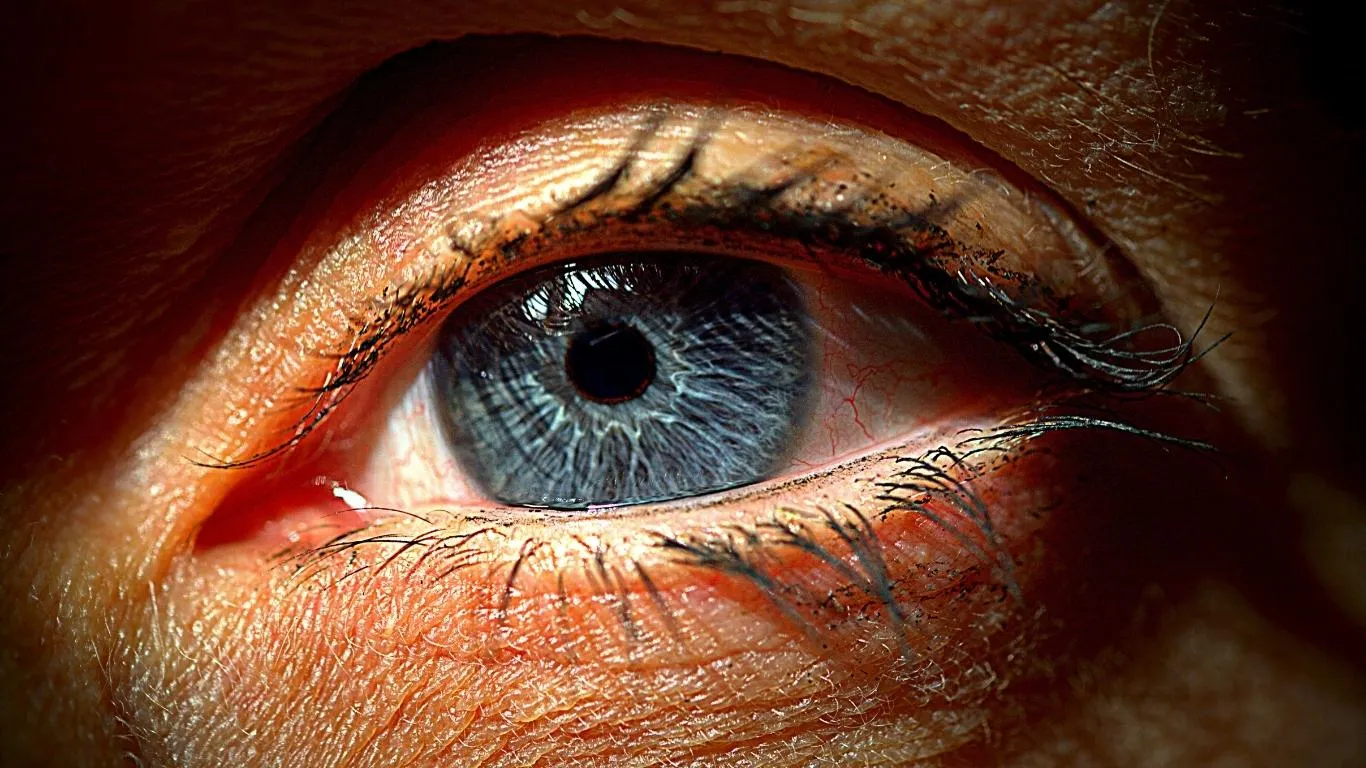
When people talk about burnout, they usually refer to things like exhaustion, irritability, brain fog. But rarely do you hear anyone say, “Yeah, and my eyes started acting weird too.” Yet, an increasing number of people—especially those under chronic stress—report symptoms like blurry vision, eye strain, and floaters after periods of intense emotional exhaustion.
Floaters are typically linked to age-related changes in the vitreous gel inside your eyes. But recent anecdotal reports and emerging studies suggest that emotional burnout may not just affect your mood—it might mess with your eyes too.
The Connection Between Emotional Exhaustion and Floaters
One potential explanation is the role stress hormones play in your body. When you’re emotionally burned out, your cortisol levels remain elevated for longer periods. This can affect blood pressure, hydration, and even eye circulation.
Increased stress also promotes eye muscle tension, which may not directly cause floaters but could make them more noticeable—especially in high-contrast settings like staring at a white wall or a computer screen all day.
It’s not just theoretical. I noticed mine most after marathon anxiety sessions and intense crying spells. According to this detailed breakdown on post-trauma floaters, episodes of high emotional intensity can trigger sudden floaters due to shifts in blood flow or intraocular pressure.
What Do These Floaters Look Like?
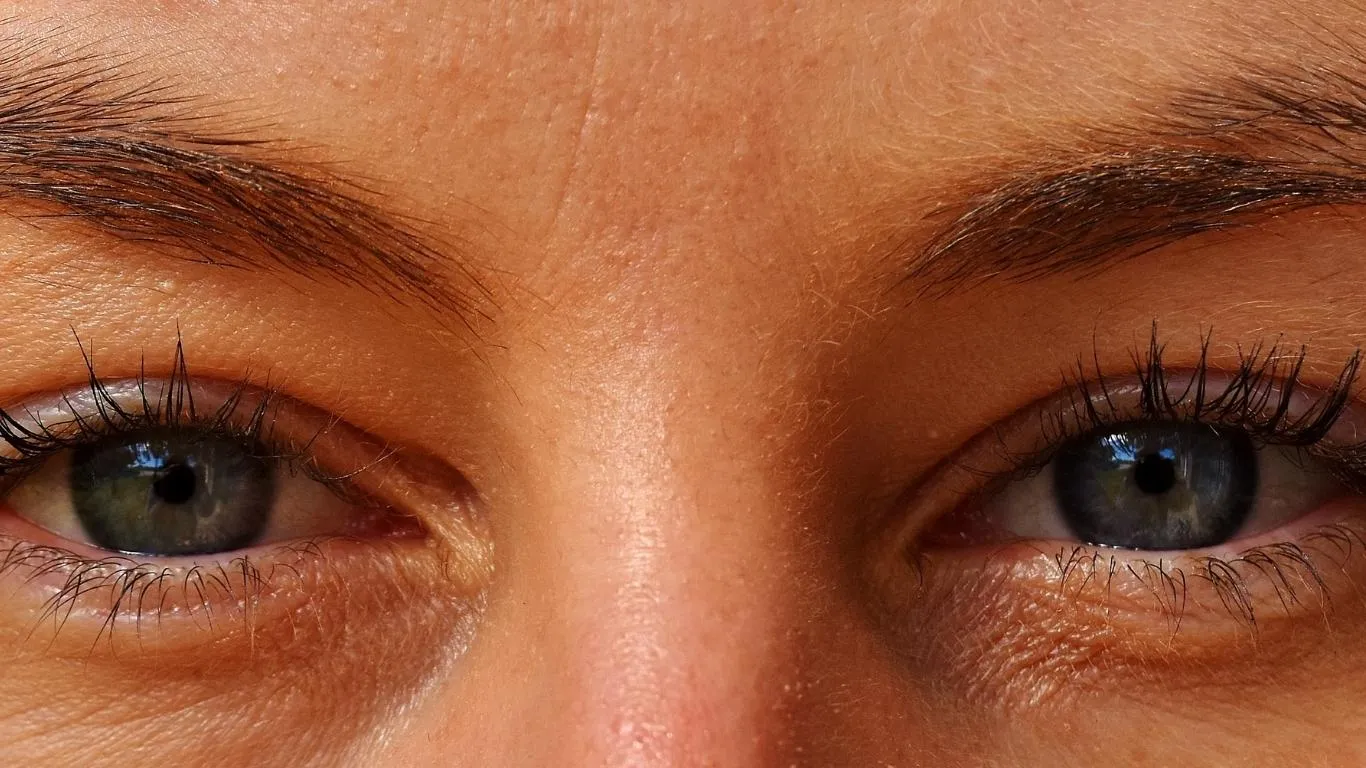
Not all floaters are created equal. Some people describe them as cobwebs, others see transparent bubbles, while I mostly noticed dark thread-like specks darting around when I moved my eyes quickly.
- Black or grey specks: Often the most common, especially after sleepless nights.
- Stringy strands: Some report seeing floaters that resemble hair or threads floating in their field of vision.
- Dots that move with eye motion: Usually more visible when looking at bright backgrounds.
If this sounds familiar, you’re not alone. According to the American Academy of Ophthalmology, floaters are common and usually harmless. But when tied to stress or burnout, they can feel more invasive—probably because your brain is already overwhelmed.
Why Burnout-Related Floaters Feel Worse Than Usual
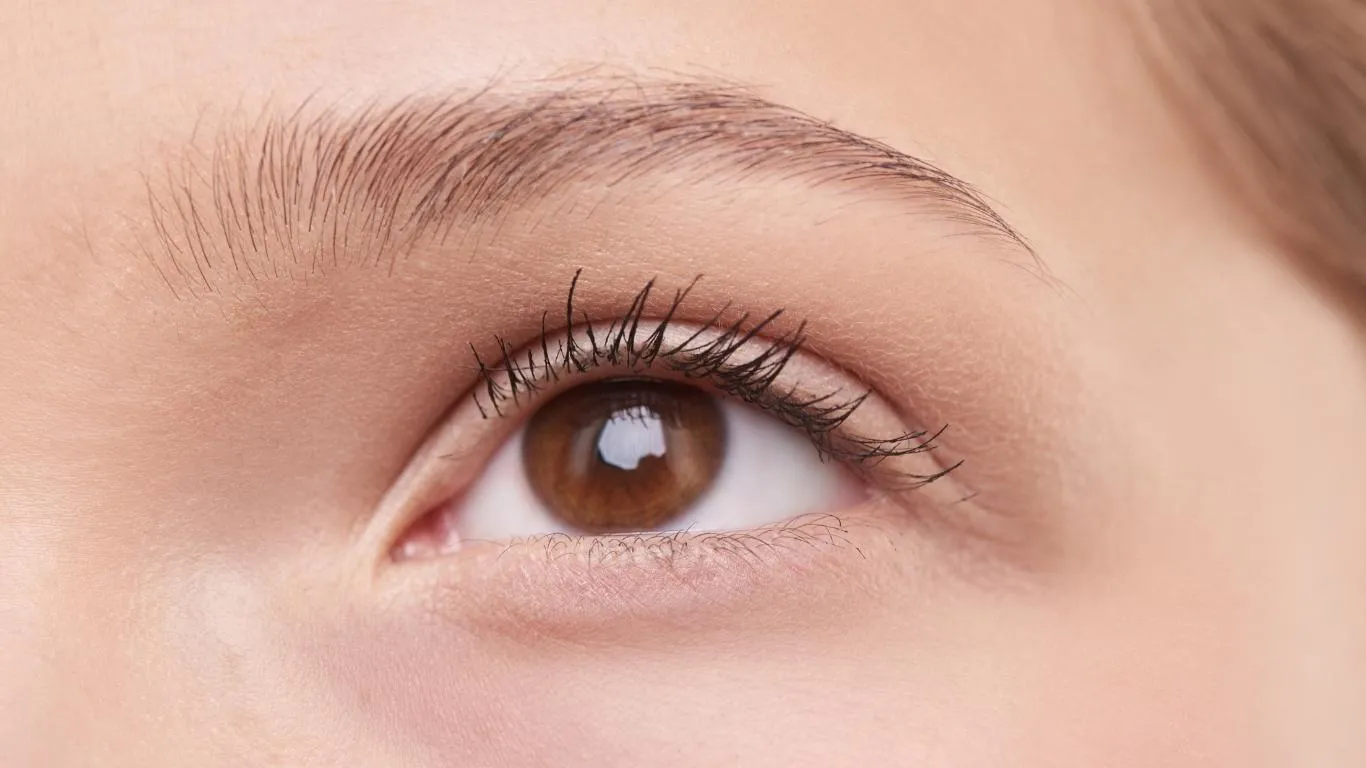
During burnout, your senses go into overdrive. You notice everything. Every light is too bright, every noise too loud, and yes—every floater feels like it’s dancing center-stage on your retina.
- Increased visual sensitivity: Burnout makes your nervous system hyperreactive.
- Eye fatigue: Staring at screens or crying for hours dehydrates the eye, making floaters more prominent.
- Reduced blink rate: When you’re anxious or intensely focused, you blink less. This dries your eyes and highlights imperfections in your vitreous fluid.
There’s even some research suggesting that stress-induced dehydration can make floaters appear more frequently. Learn more in this article: how dehydration worsens floaters.
Is There Any Real Science Behind This?
While more formal studies are needed, there are some indications that ncbi.nlm.nih.gov and mayoclinic.org mention correlations between stress and somatic symptoms, including visual disturbances. Floaters, although not always addressed specifically, fall within this scope.
Eye specialists have also begun acknowledging the indirect impact of psychological health on vision quality. While they won’t tell you stress directly causes floaters, they won’t deny that it exacerbates how you perceive them. Especially if you’re dealing with something like sudden emotional stress.
So no, emotional burnout won’t make your vitreous spontaneously collapse. But it may make existing floaters harder to ignore—or even bring new ones to your attention simply because your visual focus becomes hyper-vigilant.
Who’s Most at Risk of Floaters After Emotional Burnout?
If you’re in your 30s or 40s, work in a high-stress environment, or have a history of emotional breakdowns, you’re statistically more likely to notice floaters. Especially if your job demands long screen hours, high focus, and little downtime.
Other contributing factors include:
- History of anxiety or depression
- Extended exposure to artificial light
- Poor hydration and diet
- Lack of sleep and irregular circadian rhythm
In many of these cases, what makes floaters worse isn’t necessarily the physical eye problem—it’s the emotional state the person is in when they notice them.
If you’ve ever caught yourself staring blankly into a white wall during a burnout episode and spotting tiny squiggles, trust me—you’re not crazy. You’re just burnt out, and your body’s showing it through your eyes.
For a more clinical view of when floaters need professional attention, check out this comprehensive breakdown on dangerous floaters and when to worry.
And for a foundational understanding of how eye floaters form and what they mean, here’s the main guide: what are eye floaters.
How Long Do Floaters From Emotional Burnout Stick Around?
Okay, here’s the question I desperately wanted answered: “How long is this going to last?” The truth? It varies. For me, it was weeks. For others, it’s months—or they fade in and out depending on stress levels. One minute they’re like little ghosts flickering across your sight, and the next they’ve disappeared… until your next breakdown or all-nighter.
From personal chats with my eye doctor and countless hours in forums (yes, I went deep), the consensus is that floaters caused—or highlighted—by burnout tend to stick around as long as the root cause isn’t addressed. So, if you’re living in a pressure cooker of deadlines, emotional exhaustion, and barely sleeping, they’re not going anywhere soon.
Some eye floaters do fade over time, especially if they’re small or caused by temporary disruptions in the vitreous. But if burnout is recurring, expect those specks to reappear like clockwork. According to this guide on tracking floater changes, monitoring them during recovery can help you understand their patterns better.
How to Make Them Less Noticeable Without Losing Your Mind
If you’re like me, you probably tried blinking like crazy, rubbing your eyes, even doing those weird eye-roll exercises people swear by. Newsflash: most don’t work. But there are some changes I made that actually helped:
- Take breaks from screens — Every 30–45 minutes. Even if it’s just to stare at a plant.
- Drink more water — Sounds simple, but dehydration really amplifies floaters.
- Manage your mental load — Journaling, therapy, walks with no phone.
- Use darker themes on devices — White screens are a floater’s playground.
- Sleep — Not “collapse from exhaustion” sleep. Actual rest.
There’s no magic pill. But stacking these small habits helped me regain some control. If you’re looking for supportive options, you might want to check out this article on relieving stress-induced floaters fast. A few techniques there were actually useful.
When to Actually Worry
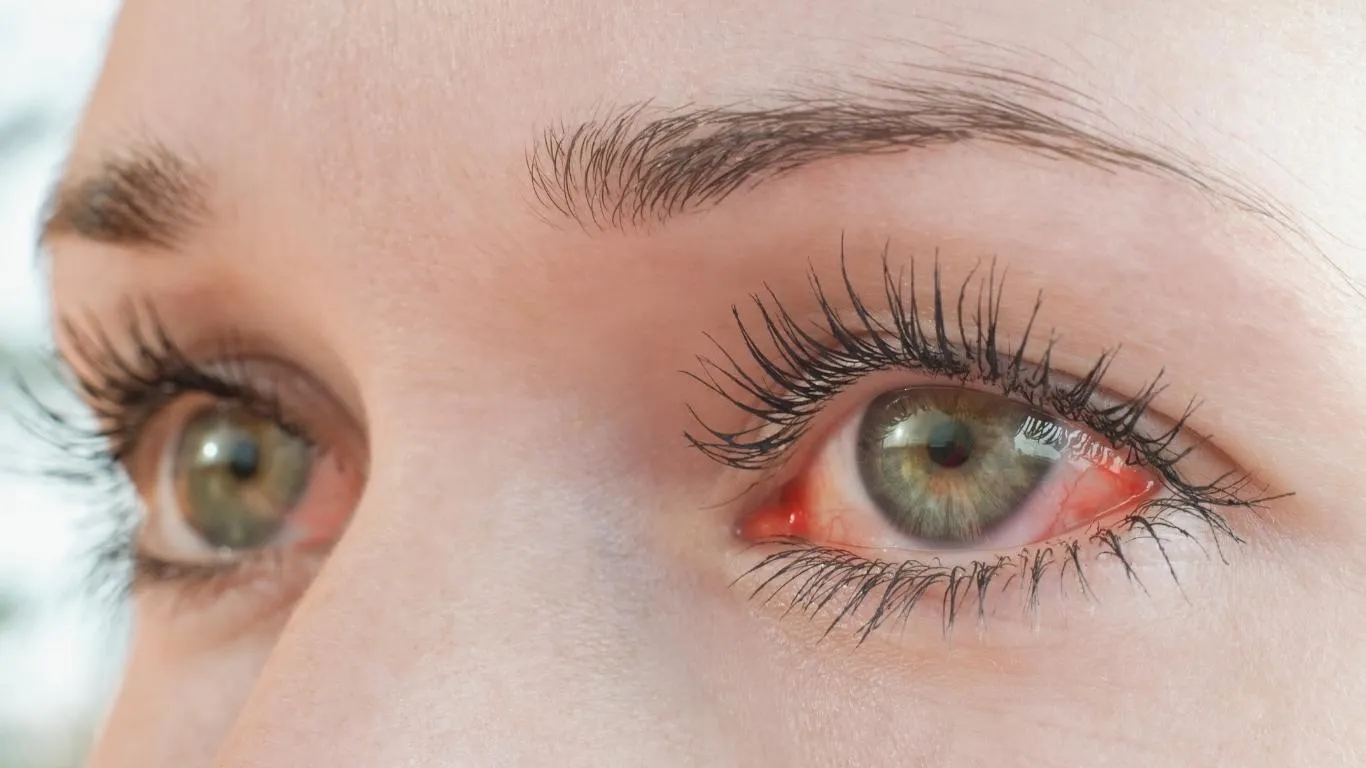
Let’s be real—most floaters are harmless. Annoying? Yes. Vision-destroying? Usually not. But if you start seeing flashes of light, shadows creeping into your side vision, or a sudden increase in floaters, stop reading this and call your doctor.
Emotional burnout can make everything feel more dramatic, but don’t let that be an excuse to ignore actual symptoms. Check this in-depth guide on retinal tear warning signs for a professional breakdown of when things turn serious.
Are There Treatments for Floaters Caused by Stress or Burnout?
If your floaters are minor and clearly linked to stress or emotional fatigue, most eye specialists will just advise you to wait it out. That was my experience. I was told, “Come back if they change or get worse.” Honestly, not comforting at the time—but true.
Some people explore options like:
- YAG laser vitreolysis – a laser treatment to break up larger floaters
- Vitrectomy – a surgical option, but usually not recommended unless floaters are life-disrupting
But these are rarely suggested for stress-related floaters. If you’re just overwhelmed and overworked, your best bet is recovery, lifestyle change, and patience. Here’s a deeper dive into floater treatment options worth knowing about before committing to anything.
Does Fixing Burnout Help Floaters?
Yes. No question. I can say this firsthand. When I finally unplugged, fixed my sleep, cut the stress triggers, and made room to breathe, my floaters started fading. They’re not completely gone, but they don’t dominate my vision anymore.
There’s a link between what we feel and what we see—more than we realize. Our eyes might just be one of the first places our body sends warning signals when the stress dial hits red. If your burnout is visual, that’s not something to dismiss.
If you’ve dealt with floaters after burnout or are still in it, it might be worth looking into how your entire nervous system is holding up. Articles like this one on hormonal imbalances and floaters helped me understand the bigger picture I was missing.
So… What Actually Helped Me?
I’m not an expert. Just someone who’s been there. But if you want what helped me in plain terms:
- I reduced caffeine and late-night screen time.
- Started meditating (just 10 minutes a day, nothing fancy).
- Drank more water than I thought I needed.
- Switched my phone and laptop to dark mode permanently.
- And weirdly enough—staring at trees. Sounds silly, but it works.
Eventually, I started feeling better emotionally. My vision followed.
For more about causes that often go unnoticed, especially when you’re overwhelmed, here’s a guide I found super useful: common causes of eye floaters.
And if you’re looking for a complete understanding of this whole phenomenon—from what causes it to what might help—don’t miss the main resource here: What Are Eye Floaters?

Camellia Wulansari is a dedicated Medical Assistant at a local clinic and a passionate health writer at Healthusias.com. With years of hands-on experience in patient care and a deep interest in preventive medicine, she bridges the gap between clinical knowledge and accessible health information. Camellia specializes in writing about digestive health, chronic conditions like GERD and hypertension, respiratory issues, and autoimmune diseases, aiming to empower readers with practical, easy-to-understand insights. When she’s not assisting patients or writing, you’ll find her enjoying quiet mornings with coffee and a medical journal in hand—or jamming to her favorite metal band, Lamb of God.