Why Floaters After Extreme Heat Exposure Might Be Dangerous
It caught me off guard, honestly. I was hiking in blistering summer heat, sweating buckets, sunglasses fogged, barely holding onto my water bottle. Later that evening, as I lay in bed trying to cool off, I noticed these tiny gray wisps drifting across my vision. At first, I thought it was just fatigue or glare. But they didn’t go away. Over the next few days, I kept spotting them — like cobwebs in my sight, floating with every eye movement. I didn’t know it at the time, but I had just joined a surprisingly large group of people who experience eye floaters after extreme heat exposure.
Why Heat Can Trigger Eye Floaters
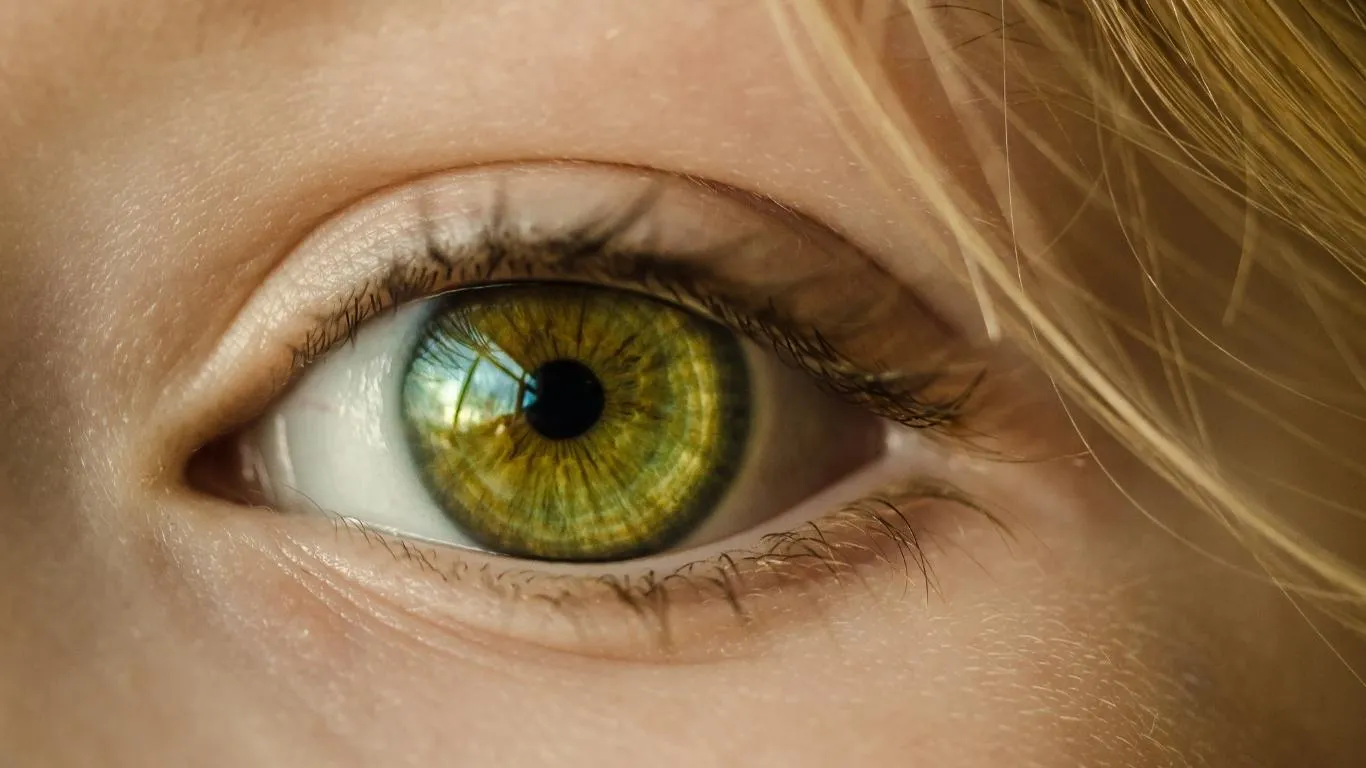
Floaters are often associated with aging, but intense heat? That’s a connection most don’t expect. Let’s break it down. High temperatures can have a chain reaction effect inside your body — and yes, that includes your eyes. When you’re out in the heat for extended periods, especially during activities like hiking, running, or working outdoors, your body becomes prone to dehydration. And when you’re dehydrated, your eyes can suffer in silence.
The vitreous — the gel-like substance that fills your eyeball — is highly sensitive to fluid imbalances. When you’re overheated and not properly hydrated, the vitreous may begin to shrink or become less dense, causing microscopic fibers to clump together. And voila — floaters.
What the Science Says
There isn’t a ton of flashy research directly tying extreme heat to floaters, but what we do know is rooted in how the eye’s physiology responds to environmental stress. According to the American Academy of Ophthalmology, changes in the vitreous body are a natural part of aging, but environmental triggers like trauma, inflammation, or sudden shifts in temperature can speed things up.
And trust me, your eyes feel the heat more than you think.
Common Scenarios That Raise Floater Risk in High Heat
Whether you’re on the job, pushing through a summer marathon, or just grilling in the backyard, extreme heat can sneakily nudge your vision into uncomfortable territory. Here are a few scenarios where people often notice new floaters:
- Outdoor Sports: Prolonged sun exposure with minimal hydration.
- Hot Yoga or Saunas: Repetitive heat stress without adequate eye recovery.
- Work Environments: Construction workers, landscapers, or anyone in unshaded, high-heat environments.
- Post-Heat Fatigue: Lying down after being out in the sun can make floaters suddenly visible against a light ceiling or bright sky.
Several readers from this detailed case have reported floaters becoming more noticeable after long exposure to sun followed by minimal rehydration. If you’ve ever stepped inside after yard work and felt dizzy with hazy vision, you’re not alone.
Dehydration Is the Silent Floater Enabler
Here’s where I learned a big lesson: your eyes need hydration just like your skin, muscles, and organs. The vitreous humor inside your eye is composed of about 98% water. When your body loses water through sweating and you don’t replenish it, the vitreous can become unstable — which often manifests as floaters.
Worse yet, dehydration can also cause your eyes to feel gritty or dry, leading you to rub them — a habit that can further increase floater visibility.
How to Rehydrate Properly Post-Heat
- Drink fluids steadily over several hours — not all at once.
- Include electrolytes (sodium, potassium, magnesium) if you’ve sweated a lot.
- Use lubricating eye drops if your eyes feel dry, but consult an eye care professional first.
If your floaters are accompanied by flashes of light, eye pain, or a sudden “curtain” effect in your vision, please stop reading and call an eye doctor immediately. These may indicate retinal detachment — a serious condition that needs urgent care.
Could Heat Actually Accelerate Vitreous Aging?
While aging is still the most common cause of floaters, chronic environmental stressors like heat might not just trigger floaters — they could accelerate the breakdown of the vitreous gel. This is especially true if you’re repeatedly exposed to high temperatures without adequate protection and recovery.
According to an article on age-related vitreous degeneration, changes in collagen structure inside the eye can begin earlier due to environmental factors. Combine that with oxidative stress from UV exposure, and your vitreous may be aging faster than your birth certificate suggests.
My Personal Takeaway
Since that first summer heatwave incident, I’ve become hyper-aware of my eyes when temperatures rise. Sunglasses? Always. Hydration? Religiously. I’ve also started watching for dry environment triggers, especially when traveling. Heat is sneaky, but with a bit of prep, you can keep your vision from going blurry on you.
When to Take Action — And Why You Shouldn’t Ignore It
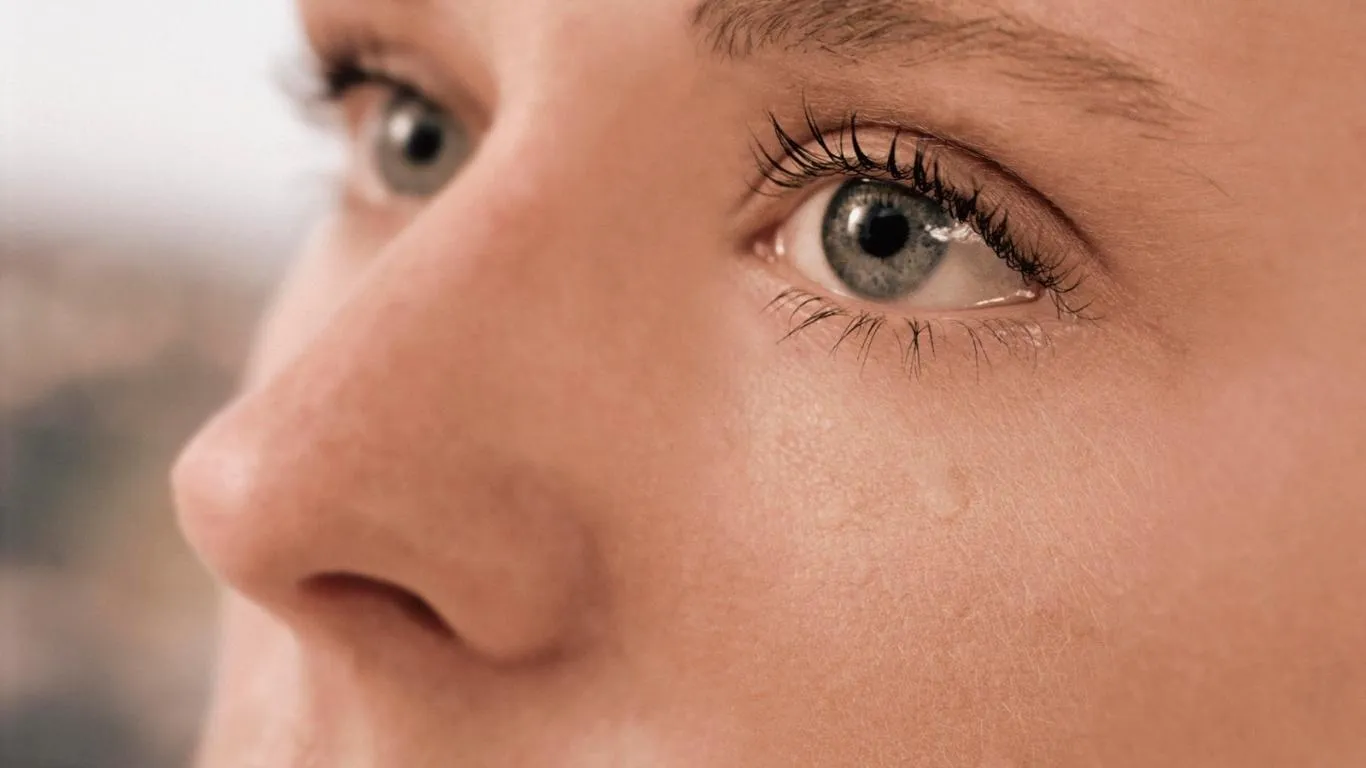
Floaters after heat exposure are usually harmless — but they’re not always. Persistent or suddenly worsening floaters, especially after intense sun exposure, deserve attention. Heat and light sensitivity, combined with dehydration, can sometimes mask more serious underlying eye issues.
If you’re wondering whether your heat-triggered floaters are normal or a red flag, check out this comprehensive guide on warning signs. It dives into how to spot floaters that could signal retinal detachment or uveitis.
For a broader view of treatment options if your floaters persist or worsen, this resource on eye floater treatments can help you understand what’s next — from simple monitoring to surgery, if needed.
And if you’re new to the whole floater phenomenon, I highly recommend starting here: What Are Eye Floaters: Causes, Symptoms, and Treatment Options.
Why Some Floaters Stick Around After the Heat Fades
If you’re like me, you probably expected the floaters to vanish once the heatwave passed. Unfortunately, it doesn’t always work that way. For some of us, they become part of the visual landscape — drifting in and out of focus, especially against bright backgrounds. This isn’t just a nuisance. It can be distracting, frustrating, even anxiety-inducing.
The reason? Floaters, once formed, don’t dissolve quickly. Those collagen fibers in the vitreous that clump together don’t just un-clump because you cooled down. In some cases, they might move out of your central vision. But in others, especially after prolonged exposure and repeated dehydration cycles, they can stick around for months or longer.
Floaters Can Impact Daily Life More Than You’d Expect
Try reading a white page or looking at a clear sky with a dark squiggle floating across your view. Or driving at dusk when your eyes are tired, and the contrast highlights every tiny shape drifting around. It’s not just an eye issue — it becomes a quality of life thing. One real concern is how persistent floaters may even contribute to mental fatigue and mild visual stress over time.
What You Can Do Right Now to Reduce Floater Impact
First — don’t panic. Most floaters are benign. But I get it, they’re annoying. Over the years, I’ve picked up a few legit ways to make living with floaters a little easier — and no, none of these involve miracle cures or sketchy eyedrops from some random website.
- Stay hydrated: Especially during heatwaves or outdoor work. You’d be amazed how keeping your body hydrated can reduce vitreous strain.
- Use warm compresses: They can help relieve general eye strain and boost circulation around the eyes.
- Try slow eye tracking: Gently moving your eyes left to right or in slow circles may help move floaters out of your central vision.
- Protect your eyes: Sunglasses with UV protection aren’t just for style — they shield your eyes from radiation that may accelerate vitreous changes.
I’ve also had luck with the approaches outlined in this guide on relieving stress-induced floaters, especially when mine flared up after intense heat plus work stress.
Be Cautious of “Quick Fix” Myths
There’s a lot of misinformation floating (pun intended) online. Claims like “dissolve floaters in 3 days” or “miracle eye detox smoothies” often overpromise. According to experts at ncbi.nlm.nih.gov, the most effective non-surgical solution is observation, especially if symptoms aren’t getting worse.
If you’re exploring more natural options, this article on supplements that support eye health might help filter out the fluff from the factual.
When to Call a Doctor — Heat-Triggered or Not
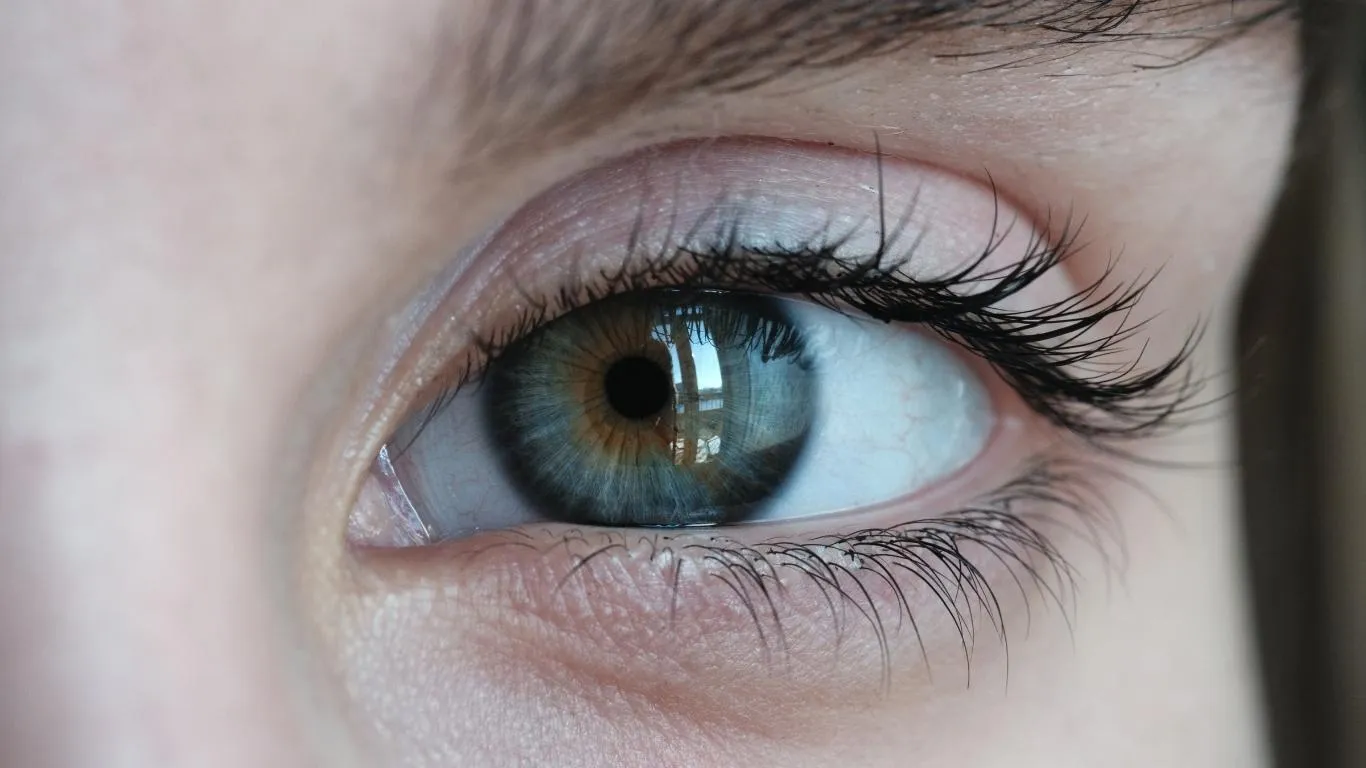
As much as we’d like to brush floaters off, there are cases where they signal something more serious. Here are a few situations that warrant immediate attention:
- You suddenly see a large burst of new floaters, especially after being in the heat.
- There are flashes of light or a shadow moving across your field of vision.
- You notice floaters paired with sharp eye pain or a drop in visual clarity.
These could point to retinal issues, such as detachment — and that’s an emergency. If you’re unsure, check this article on warning signs before a retinal tear to help you assess next steps.
What the Eye Doctor Might Do
If you walk in complaining about floaters after a heatwave, expect a detailed retinal scan. They’ll check for vitreous detachment, retinal thinning, or tear risk. Don’t worry — in most cases, no treatment is needed. You’ll be monitored over time unless symptoms escalate.
In more persistent or vision-blocking cases, options like vitrectomy or laser floater removal may be explored, though these are usually last-resort decisions.
How to Prevent Heat-Related Floaters Going Forward
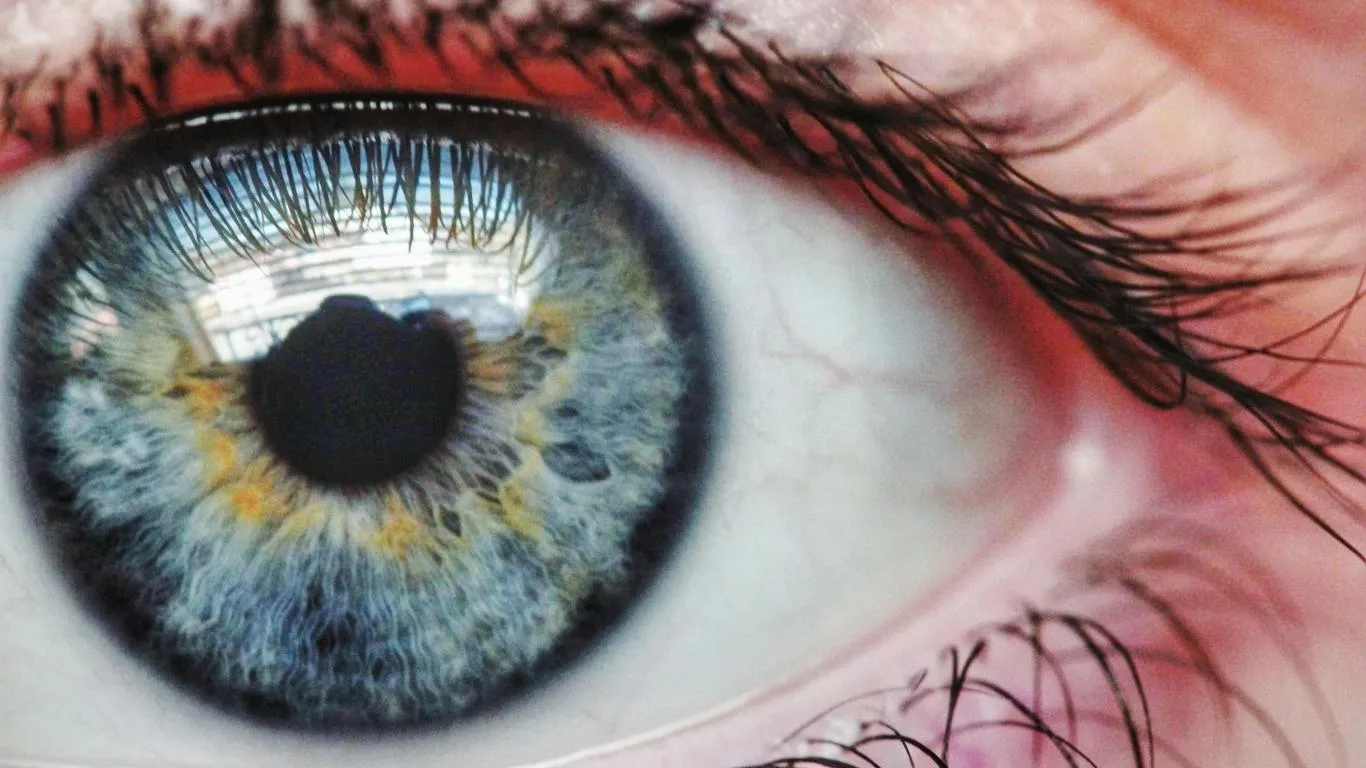
Now that I know how heat impacts my eyes, I’m way more proactive. And you should be too. Simple changes can go a long way toward preventing future floater flare-ups:
- Hydrate like it’s your job — before, during, and after sun exposure.
- Always wear high-quality polarized sunglasses when outside.
- Take breaks in the shade, especially during peak UV hours (10AM–4PM).
- Keep your diet rich in antioxidants and omega-3s — it supports eye tissue integrity.
For long-term vision protection, I’ve personally found this guide on dietary changes to reduce floaters both helpful and sustainable. It focuses on whole food sources that actually benefit eye health without gimmicks.
Listen to Your Eyes
Your eyes are like sensors — and they’re quick to tell you when something’s off. If you’re noticing visual changes after exposure to heat, take it seriously. What starts as a little gray blob could be your body’s way of saying, “Hey, I need more care.”
If you’re curious how floaters differ from other visual disturbances like dry eye or light sensitivity, check this breakdown on eye floaters vs. other problems.
Don’t Brush Off Summer Vision Changes
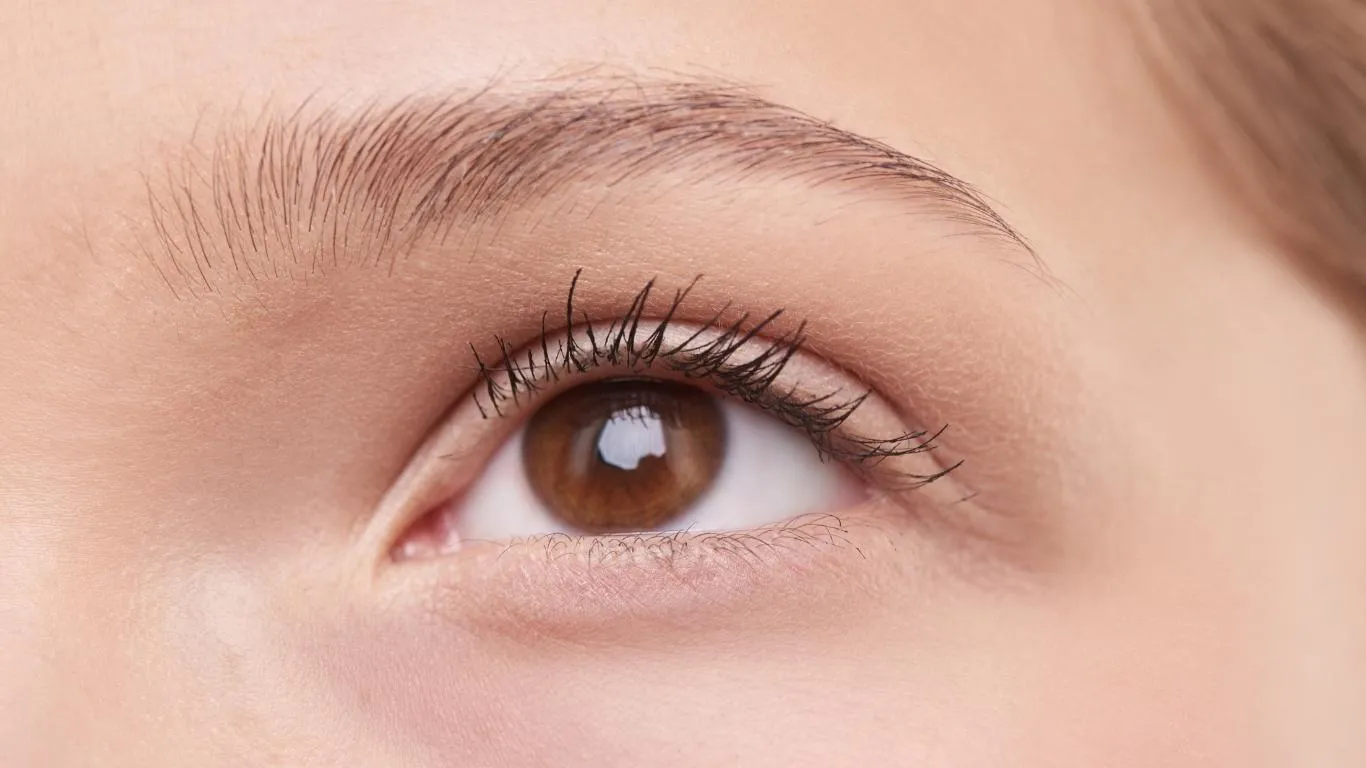
Floaters after extreme heat exposure might seem minor — but they’re not imaginary. If you’ve been noticing changes to your vision after spending time in high temperatures, even indoors without proper cooling, it’s worth a second thought.
For the full picture on floater origins, symptoms, and long-term options, dive into the main guide here: Eye Floaters: Causes, Symptoms, and Treatments. It’ll give you the base knowledge to understand what your eyes are going through.

Camellia Wulansari is a dedicated Medical Assistant at a local clinic and a passionate health writer at Healthusias.com. With years of hands-on experience in patient care and a deep interest in preventive medicine, she bridges the gap between clinical knowledge and accessible health information. Camellia specializes in writing about digestive health, chronic conditions like GERD and hypertension, respiratory issues, and autoimmune diseases, aiming to empower readers with practical, easy-to-understand insights. When she’s not assisting patients or writing, you’ll find her enjoying quiet mornings with coffee and a medical journal in hand—or jamming to her favorite metal band, Lamb of God.