Why Floaters After Extreme Noise Exposure Shouldn’t Be Ignored
I’ll never forget the time I left a concert with my ears ringing—and something even more unexpected: strange little shapes floating in my vision. At first, I thought it was just the lights or maybe my eyes adjusting, but over the next few hours, the floaters didn’t disappear. If anything, they became more noticeable. Turns out, extreme noise exposure doesn’t just affect your hearing—it might also mess with your eyes more than you’d expect.
Can Loud Noises Really Trigger Eye Floaters?
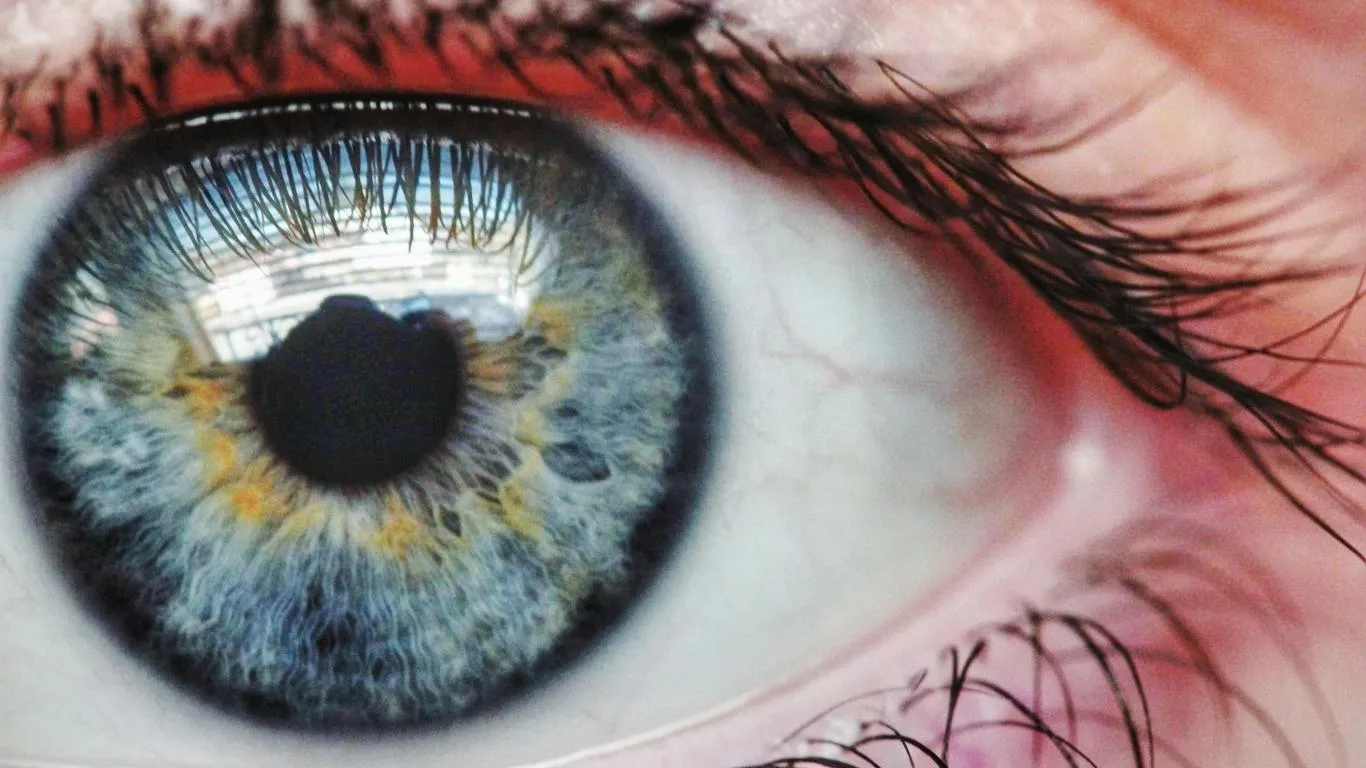
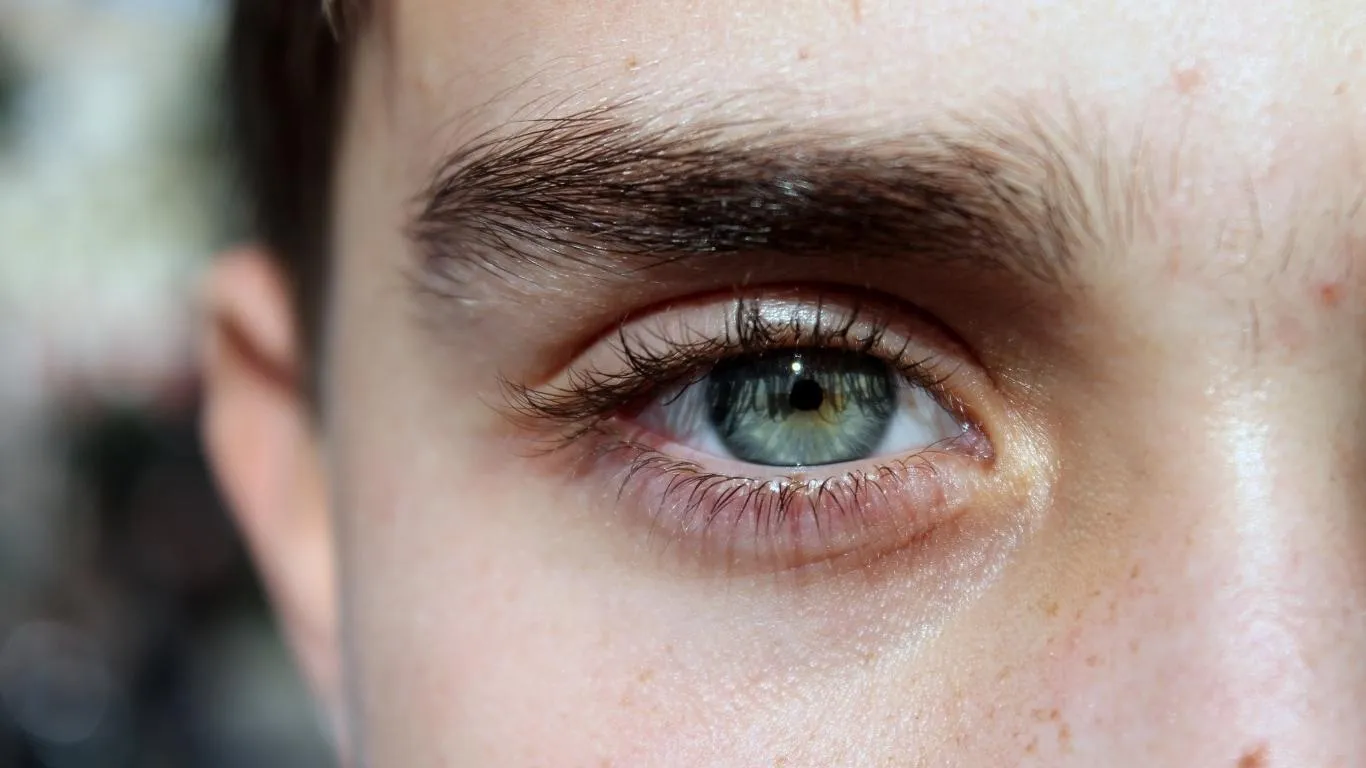
It sounds odd at first—how does something you hear affect something you see? But there’s actually a deeper connection between our auditory and visual systems than most people realize. Eye floaters—those shadowy specks, squiggles, or cobweb-like shapes drifting in your field of vision—can sometimes become more apparent after exposure to high-decibel environments like concerts, fireworks displays, or even industrial machinery.
What’s happening here? A sudden burst of pressure or tension in the head, often caused by noise trauma, can increase intraocular stress. For some people, this may cause existing floaters to become more visible—or even lead to the formation of new ones.
Physiological Chain Reaction
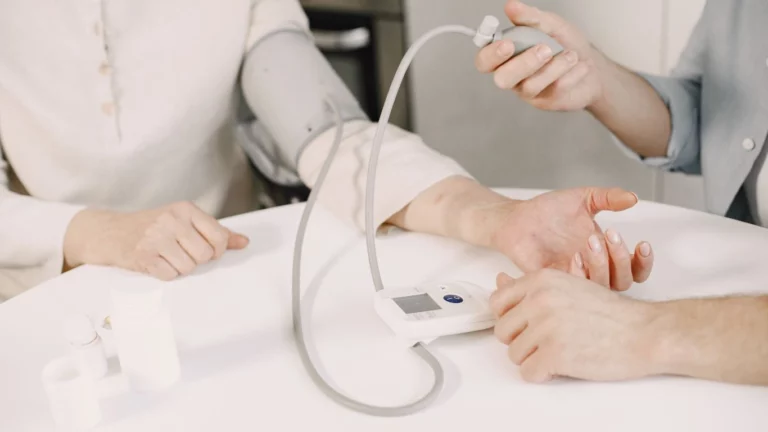
Here’s where it gets interesting. Noise-induced stress doesn’t just hammer your ears—it can lead to a spike in cortisol, increase blood pressure, and potentially alter fluid dynamics in your body, including in the eyes. The vitreous humor—the gel-like substance filling your eyeball—can begin to shrink or pull away from the retina, forming floaters in the process.
- Sound-induced eye strain: Yes, it’s a thing—especially in high-pressure environments.
- Spike in blood pressure: Sudden changes can impact retinal vessels and visual clarity.
- Hormonal response: The adrenal system can kick into high gear after a shocking noise.
So if you’ve ever felt tension headaches, tight neck muscles, and floaters after loud sound exposure, you’re not imagining things. There’s a physiological thread connecting all of it.
My Personal Wake-Up Call with Floaters After Fireworks
It was a Fourth of July celebration when it hit me. I was enjoying the fireworks—until one particularly loud blast went off too close. A sharp jolt ran through my head. My ears rang, but it was what happened to my vision afterward that worried me. A cluster of floaters showed up and hung around for days.
After some reading, I found out I wasn’t alone. According to AAO and NCBI, sudden spikes in physical or sensory stress, like noise trauma, can exacerbate or unmask existing eye conditions. I even stumbled across a case where floaters after loud noises became a consistent post-event symptom for certain patients.
Floaters vs. Flashers—Know the Difference
Sometimes, floaters get mistaken for flashes of light—which could signal something more serious. Flashers, unlike floaters, often indicate a retinal tear or detachment. If you notice a sudden increase in floaters after extreme sound exposure accompanied by flashes or light streaks, it’s best to contact an eye specialist immediately. You can learn more about the distinction in this useful guide: Floaters vs Flashes.
How to Know When It’s Serious
In most cases, floaters are just annoying. But in some, they can be a warning sign. Especially if they appear suddenly and after a clear trigger—like loud sound exposure. You should definitely see a doctor if you experience any of the following:
- Sudden explosion of floaters in your vision
- Dark shadows or curtain-like vision loss
- Flashes of light that accompany floaters
- Blurred or distorted central vision
If you’re seeing floaters after loud events and your vision seems off, don’t brush it off. Floaters could be a precursor to more serious issues like retinal detachment. Check out this more in-depth piece: Retinal tear signs from trauma.
Practical Steps That Helped Me Cope
After my own experience with floaters post-noise exposure, I made a few changes that genuinely helped. They didn’t make floaters disappear completely, but they made them way less noticeable—and they improved my overall eye comfort.
- Wearing ear protection: Seems obvious, but I used to skip it. Now I don’t.
- Blue light filters: Especially during screen time post-event when my eyes feel extra sensitive.
- Hydration & supplements: I added lutein and omega-3s to my routine (see best supplements for floaters).
- Stress management: Yoga and short walks helped reduce overall pressure—eye-wise and otherwise.
There’s even a fascinating connection between sound-induced floaters and adrenal responses. You can read more in the article on floaters after emotional trauma.
For a More Complete Understanding
If you’re trying to get a clearer picture of floaters and their many possible causes—from trauma to age—check out this highly informative piece: Common causes of eye floaters. It’s part of a comprehensive deep dive on floaters available at Healthusias. You can also refer to the main hub article here: Eye Floaters: Causes, Symptoms, and Treatments.
What Science Says About Floaters After Loud Noise
There’s a surprising amount of clinical curiosity around the relationship between sound and vision. While research is still evolving, some findings suggest that auditory overstimulation—especially from sudden, sharp sounds—can create a ripple effect throughout the nervous system. This includes triggering spasms or pressure imbalances in the delicate structures of the eye.
According to data from NCBI, extreme noise can induce a state of acute sympathetic response—heart rate rises, blood vessels constrict, and pressure within body compartments (including ocular ones) may increase. All of these factors, when combined, might contribute to visual disturbances like floaters.
Are Some People More at Risk?
Absolutely. If you already have high myopia, dry eyes, or vitreous degeneration, you’re more likely to notice a sudden increase in floaters after being exposed to loud environments. Same goes if you have underlying vascular issues or a history of head trauma.
- High myopia patients: Already prone to vitreous complications.
- People with chronic stress: Often have heightened cortisol and ocular pressure.
- Those with eye surgery history: May experience greater vitreous sensitivity.
And if you’re like me—someone with a pretty loud lifestyle—you’ll want to pay extra attention. For example, athletes with repeated head trauma often report post-exertional floaters and vision shifts.
Are These Floaters Temporary or Long-Term?
Here’s where it gets tricky: sometimes floaters fade. Other times, they linger for years. The key factor seems to be whether the floaters are caused by a momentary pressure spike or if they indicate structural changes in the vitreous. Mine took about 6 months to stop being annoying—and even now, on high-stress or loud days, I notice them creeping back.
There’s also the possibility of floaters worsening if the exposure to loud noise continues. This is especially true if there’s pre-existing vitreous detachment or inflammation in the eye. Learn more about what makes some floaters stick around in floaters after conjunctivitis and inflammation-related cases.
When Floaters Disappear—Or Don’t
Some floaters dissolve naturally when the vitreous gel settles or clears. But if the floater is caused by protein clumps or pigment cells, they tend to hang out longer. In certain cases, surgery or laser therapy may be considered—but only if floaters seriously impair daily life.
One interesting case shared on AAO involved patients who had persistent floaters for over a year following a loud explosion. While their retinal scans showed no detachment, the internal shock seemed to alter vitreous consistency permanently.
What You Can Do Right Now
I’m not a doctor, but here’s what worked for me—and what many eye specialists recommend to help reduce floater impact, especially after loud noise events:
- Limit your exposure to loud environments: Obvious, but not always easy. Earplugs help a ton.
- Anti-inflammatory support: Omega-3 fatty acids, hydration, and antioxidant-rich foods can calm irritated tissue.
- Improve lighting ergonomics: Floaters are more visible on white screens. Use soft backgrounds and reduce glare.
- Monitor blood pressure: Keep it stable—spikes often make floaters more prominent.
- Eye movement exercises: Gentle up-down and side-to-side tracking can help redistribute floaters away from the central field of vision.
For more natural approaches, I’ve personally found some insight in this guide: Reducing floaters post-eye trauma.
Don’t Dismiss the Role of Stress and Hormones
You’d be surprised how many floaters are triggered or worsened not by physical impact, but by the body’s response to it. Hormonal changes following acute stress or trauma—like sudden loud sounds—can influence how fluid shifts in the eye. Think of it like your body’s internal chemistry throwing off the balance for a moment.
In my case, I noticed floaters were far worse on weeks where I was both stressed and exposed to noise. There’s even a link between emotional trauma and floater persistence. Pair that with adrenaline spikes, eye rubbing, or dehydration, and you’ve got the perfect storm.
Eyes and Ears: A Surprising Partnership
We often treat our sensory systems as separate, but they’re far more intertwined than most realize. The same cranial and vascular systems serve both, and overstimulation in one can easily affect the other. Eye floaters after extreme sound may be a fringe case—but they’re not fiction.
If you’re looking to dig even deeper, this comparison guide helps distinguish between floaters and other common eye issues that share overlapping symptoms.
When It Might Be Time for Medical Help
Here’s the reality: most floaters after loud events aren’t emergencies. But if you’re experiencing:
- Sudden increase in number or size of floaters
- Visual flashes or arcs of light
- Partial vision loss or blind spots
- Floaters that worsen with eye movement
Then it’s time to get checked out. These could be signs of posterior vitreous detachment or even retinal tears. Learn what to look for in this detailed read on posterior vitreous detachment.
And don’t forget to review the foundational overview if you’re still unsure what type of floater you’re dealing with: Eye Floaters: Causes, Symptoms, and Treatment Options.

Camellia Wulansari is a dedicated Medical Assistant at a local clinic and a passionate health writer at Healthusias.com. With years of hands-on experience in patient care and a deep interest in preventive medicine, she bridges the gap between clinical knowledge and accessible health information. Camellia specializes in writing about digestive health, chronic conditions like GERD and hypertension, respiratory issues, and autoimmune diseases, aiming to empower readers with practical, easy-to-understand insights. When she’s not assisting patients or writing, you’ll find her enjoying quiet mornings with coffee and a medical journal in hand—or jamming to her favorite metal band, Lamb of God.