Why Floaters After Long-Distance Cycling Might Signal Eye Strain
So here’s the thing — I’ve been doing long-distance cycling for years. Not competitively or anything, just the kind of weekend warrior stuff. A few hours out, then back, legs sore, but mentally recharged. But recently, after clocking in a 70-mile ride, I started noticing something odd: these little specks and threads drifting across my vision, especially when looking at the sky or any bright surface. At first, I thought it was dust or maybe my sunglasses acting up. Nope. Turns out, those are eye floaters — and they’re surprisingly common after intense physical activity like cycling.
What Are Floaters, and Why Do They Appear After Cycling?
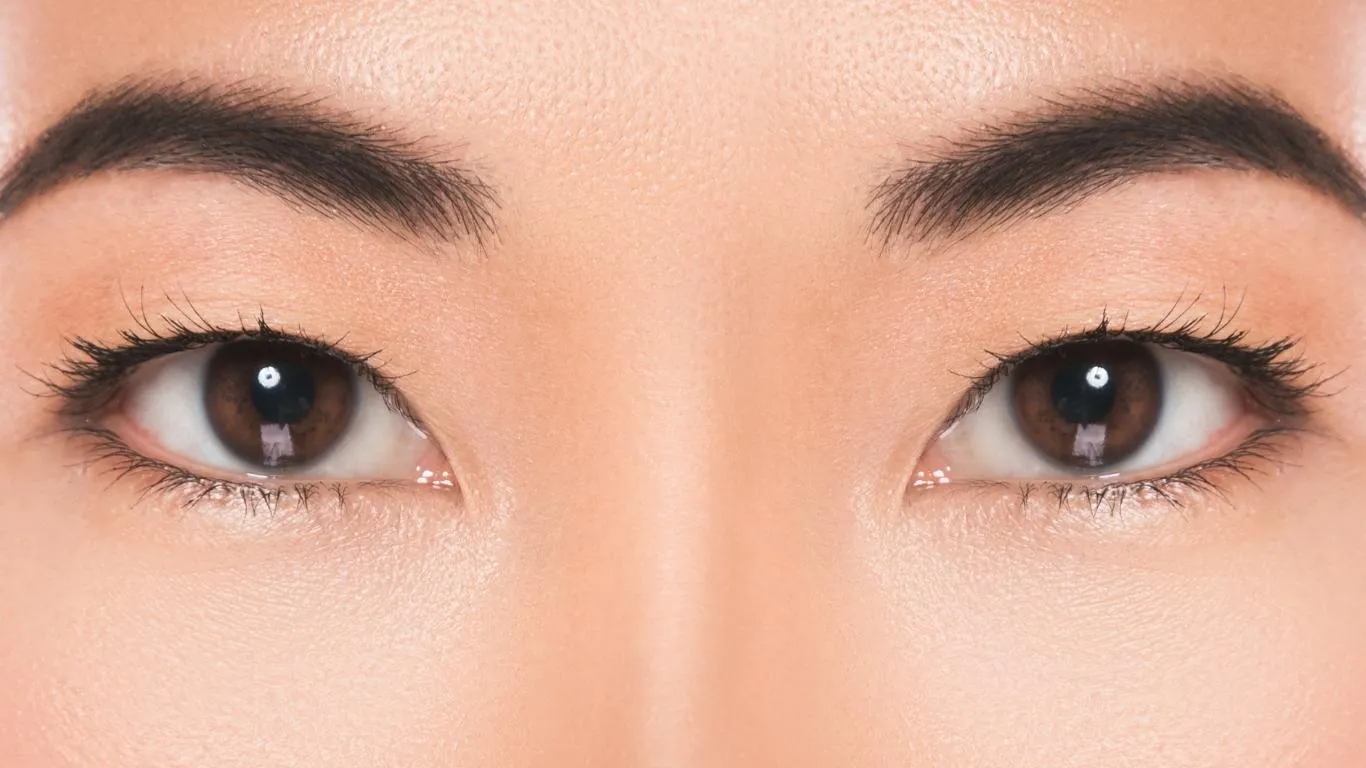
Floaters are those squiggly, transparent shapes that drift across your field of vision. Most of the time, they’re harmless and linked to age-related changes in the vitreous — that gel-like substance inside your eye. But if you’re seeing more of them right after cycling long distances, that’s not just in your head. There’s a physiological reason behind it.
Dehydration and Eye Floaters
Let’s be real — long-distance cycling depletes you. You sweat buckets, and if you’re not constantly sipping electrolytes and water, you can get dehydrated fast. Dehydration doesn’t just mess with your performance or recovery. It impacts your eyes too.
When your body is dehydrated, the vitreous humor can shrink or shift slightly. That movement pulls away from the retina in spots, casting shadows — that’s what you’re seeing as floaters. If you’ve ever wondered why they appear more after rides in hot weather or when you forget your water bottle, that’s likely your culprit.
Here’s a great deep-dive on the topic: Does Dehydration Make Eye Floaters Worse?
Increased Blood Flow and Eye Pressure Fluctuations
Ever notice how after a good uphill grind, your heart’s pounding and your whole face feels flushed? That spike in blood flow and pressure doesn’t skip the eyes. In fact, the ocular pressure (intraocular pressure or IOP) can fluctuate quite a bit during endurance rides. Sudden changes in IOP may not directly cause floaters, but they can make existing ones more visible.
If you’ve recently seen floaters pop up after a particularly intense session, and you also feel eye strain or mild discomfort, this fluctuation could be part of the story. Learn more about the connection here: How Aging Lens Affects Floaters.
Long-Distance Riding and Vitreous Changes
Impact Vibrations from Rough Terrain
If you’re into gravel rides or hilly descents, those subtle (and not-so-subtle) vibrations from the road are jostling more than your bike frame. The micro-shocks can affect the delicate balance of the vitreous body. When the vitreous starts to pull away from the retina — a condition known as posterior vitreous detachment — that’s when floaters often show up in full force.
Now, I’m not saying every bumpy trail is going to shake your eyeballs into submission, but if you’re prone to floaters or already have a few, rough terrain can amplify them noticeably.
Head Position and Glare
This one surprised me. The classic road bike posture — head tilted forward, eyes upward — can actually make floaters more noticeable. Why? Because you’re giving them a bright, flat background to dance across: the sky. Combine that with sunglasses that may not filter enough contrast, and you’re suddenly hyper-aware of every little speck in your vision.
There’s a fascinating discussion around this angle in How Head Position Can Make Eye Floaters More Noticeable.
When Are Floaters a Concern for Cyclists?
Watch for Sudden Bursts or Light Flashes
Okay, here’s the serious bit. If you suddenly see a burst of floaters, especially paired with flashes of light or a dark curtain effect across your vision, get off the bike and get to an eye doc. Those could be signs of a retinal tear or detachment — especially if you
How to Reduce Floaters After Cycling
Once I realized the floaters weren’t going away after my usual post-ride recovery, I started experimenting with ways to tone them down. Some changes helped almost immediately, while others were more about long-term eye care. Here’s what’s actually worked — no gimmicks, just real strategies that made a difference for me and others in my riding group.
Hydration: Don’t Just Drink — Replenish
I used to think chugging plain water was enough. Turns out, you also lose critical electrolytes, which are essential to maintaining cellular hydration — including in the eyes. Now, I always mix in electrolyte tabs or coconut water during and after rides.
If your floaters tend to worsen in the hours after a ride, dehydration might be a key player. Here’s a detailed look at how fluid loss affects your eyes: Dehydration Can Make Eye Floaters Worse.
Choose Routes That Are Eye-Friendly
This one’s subtle but effective. Bright, cloudless skies or sun bouncing off water can make floaters super obvious — and incredibly annoying. If you’re planning a long ride and prone to floaters, consider shaded routes or rides during early morning or late afternoon. Your eyes will thank you.
If you wear clear or standard-tinted cycling glasses, swap them for contrast-enhancing lenses with UV protection. That little tweak cut my floater distraction in half, especially on gravel roads with lots of bounce.
Use Eye Drops — But Pick the Right Kind
For some people, lubricating eye drops help reduce the “stickiness” of the floaters to your visual awareness. They don’t remove floaters, but they can smooth out dry eye issues that make floaters worse. I’ve personally had luck with preservative-free artificial tears after a long day of sun and wind exposure.
There’s a solid explanation of this connection at How Dry Eye Syndrome May Be Making Your Eye Floaters Worse.
When Floaters Start Impacting Performance
Most floaters are annoying at best, but they can cross into “performance-disrupting” if they’re persistent. For me, it started with missing a turn because I couldn’t see a road sign clearly through a cluster of floaters. I brushed it off, but it kept happening. In bright conditions, especially, the distraction level went from mild to mentally exhausting.
How to Know It’s Time to See an Eye Specialist
- You notice a sudden spike in the number or size of floaters
- Floaters are accompanied by flashes of light or partial vision loss
- Your depth perception or peripheral vision starts to feel “off”
- There’s a dark curtain-like effect coming across your field of view
These signs aren’t typical post-ride nuisances — they’re warning lights. They could indicate retinal damage or posterior vitreous detachment. Don’t self-diagnose. It’s better to get checked and hear “you’re fine” than to ignore something serious. Here’s a must-read if this sounds familiar: Floaters Before Retinal Tear.
Floaters and Mental Fatigue
This one isn’t talked about much, but it should be. The more I focused on floaters, the more I noticed them. It became mentally exhausting, especially during solo rides. Some of my riding buddies had similar experiences — focusing on the specks made them feel anxious, distracted, even motion sick.
The link between visual disturbances and mental fatigue is legit. And cycling — especially long, repetitive rides — can make you more sensitive to both. There’s a great article that touches on this exact cycle of stress and floaters: Floaters and Mental Health.
Should You Ride Less If You Have Floaters?
Honestly, it depends. For me, cutting back wasn’t necessary — but making smart adjustments was. I swapped high-glare rides for shaded trails, wore better lenses, and made hydration a top priority. If your floaters are mild and stable, riding isn’t going to hurt you. But if you’re getting new symptoms after every ride, especially longer or more intense ones, don’t power through it blindly (no pun intended).
Some riders experience floaters more prominently during post-ride recovery — when heart rate drops and the body relaxes. Others, like me, notice them mid-ride against sky backgrounds. You’ve got to track your patterns and tweak accordingly.
What Actually Helps Over Time
- Rest your eyes post-ride: Avoid screens and harsh lighting for a bit. Your eyes are adjusting from outdoor intensity.
- Track floaters in a journal: Not in a neurotic way — just patterns. Helps you catch changes early.
- Try nutrition upgrades: Omega-3s, lutein, and hydration-focused foods do make a difference over time. This diet guide for floaters is worth checking out.
And if you’re starting to feel overwhelmed by the whole thing, you’re not alone. Floaters aren’t just physical — they mess with your peace of mind. But you’ve got tools. You’re not stuck.
Want a solid overview of treatment and prevention options beyond lifestyle tweaks? Check out this in-depth guide from our pillar content: Eye Floater Treatments: From Observation to Surgery. And if you haven’t yet, I highly recommend reading the main breakdown article that covers everything floaters: What Are Eye Floaters?.

Camellia Wulansari is a dedicated Medical Assistant at a local clinic and a passionate health writer at Healthusias.com. With years of hands-on experience in patient care and a deep interest in preventive medicine, she bridges the gap between clinical knowledge and accessible health information. Camellia specializes in writing about digestive health, chronic conditions like GERD and hypertension, respiratory issues, and autoimmune diseases, aiming to empower readers with practical, easy-to-understand insights. When she’s not assisting patients or writing, you’ll find her enjoying quiet mornings with coffee and a medical journal in hand—or jamming to her favorite metal band, Lamb of God.