Why Floaters After Looking at Candle Flames Might Be a Warning
So, the other night, I was enjoying some much-needed downtime—lights off, soft jazz playing, and a flickering candle flame dancing gently in front of me. Total bliss. But then it happened. I blinked, looked away from the candlelight, and—bam—those tiny drifting shadows appeared again. You know the ones. Floaters. This time, they were worse than usual. And I couldn’t help but wonder: why do floaters seem to show up more after looking at candle flames? Turns out, I’m not alone.
Why Do Candle Flames Make Eye Floaters More Noticeable?
Floaters are those weird little shapes—dots, squiggles, cobwebs—that drift across your vision, often most visible when you stare at a blank wall or a bright sky. But interestingly, they can feel more intense or even suddenly noticeable after something as harmless as gazing at a flickering candle. Here’s why.
Your Pupils Widen in Low Light
When you’re in a dim setting (like a candle-lit room), your pupils naturally dilate to let in more light. This also increases how much light passes through the vitreous—the gel-like substance inside your eye—making any little speck, floater, or microscopic debris stand out more.
Candle Flickers Create Visual Contrast
The inconsistent brightness of a candle flame can create sharp contrasts between light and dark. This makes your eyes adjust frequently, increasing your awareness of visual disturbances like floaters. Ever notice how you blink more when a flame flickers? That’s your eye trying to recalibrate—and floaters tend to drift right in to say hello during those moments.
Reflection and Refraction
The glow from candle flames often reflects off surfaces in unpredictable ways. That soft halo around the flame? It’s partly light bouncing inside your eye—and that chaos can make floaters more obvious. Think of it like a flashlight in fog; the beam illuminates every tiny droplet. Same thing here—except it’s happening inside your eyeball.
But Wait—Is This a Warning Sign?
If you’ve only just started seeing floaters after candle-gazing or other low-light activities, you might wonder if something’s wrong. I get it. It’s unsettling. But let’s break it down.
- Occasional floaters after looking at light sources are usually normal.
- Sudden increase in size or number of floaters? That could be a red flag.
- Floaters + flashes of light or loss of peripheral vision? Stop reading and call an eye doctor. That’s not candle-related—that’s a potential retinal issue.
In fact, floaters caused by more serious issues like retinal tears or inflammation (posterior uveitis) don’t care if you were lighting a candle or just scrolling your phone in bed. They show up uninvited and stay. Candlelight might just be helping you notice them.
Do Candle Flames Create Floaters—or Just Reveal Them?
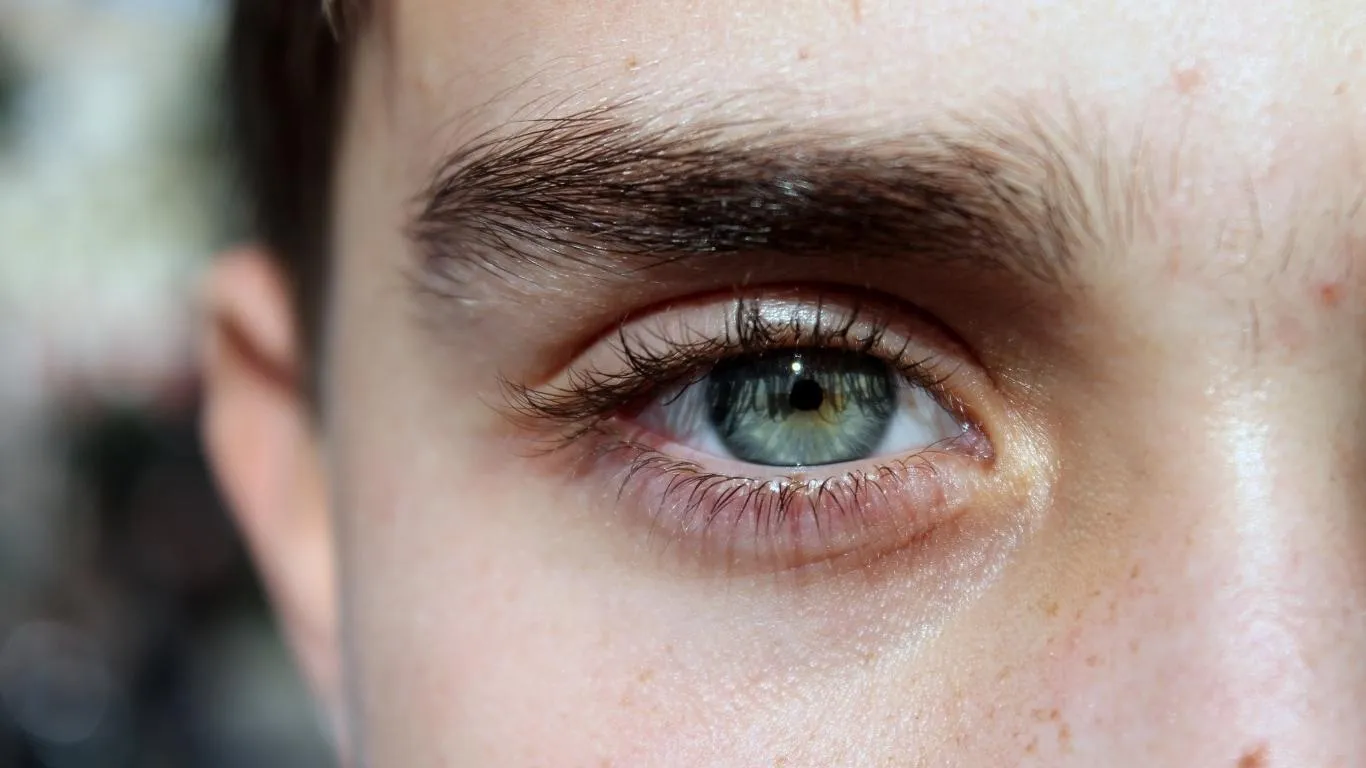
This one’s important: candlelight doesn’t cause floaters. It’s not damaging your eyes or triggering debris formation in your vitreous. It’s simply revealing what was already there. Kind of like wiping fog off a mirror and finally seeing the fingerprints you didn’t know were on it.
Floaters develop for many reasons, from aging to inflammation to trauma. But once they’re there, you’ll notice them more in certain lighting conditions—especially soft, flickering, or backlit ones. That’s why many people see floaters when driving at night, sitting by the fire, or yes, checking their phones in the dark.
Some Common Triggers
- Low ambient light (candlelit rooms, movie theaters)
- Bright point sources (headlights, moonlight, screens)
- Backgrounds with low contrast (white walls, blue skies)
And trust me, staring at a flame while meditating, praying, or setting the mood? Total floater bait.
Are You Making It Worse Without Realizing?
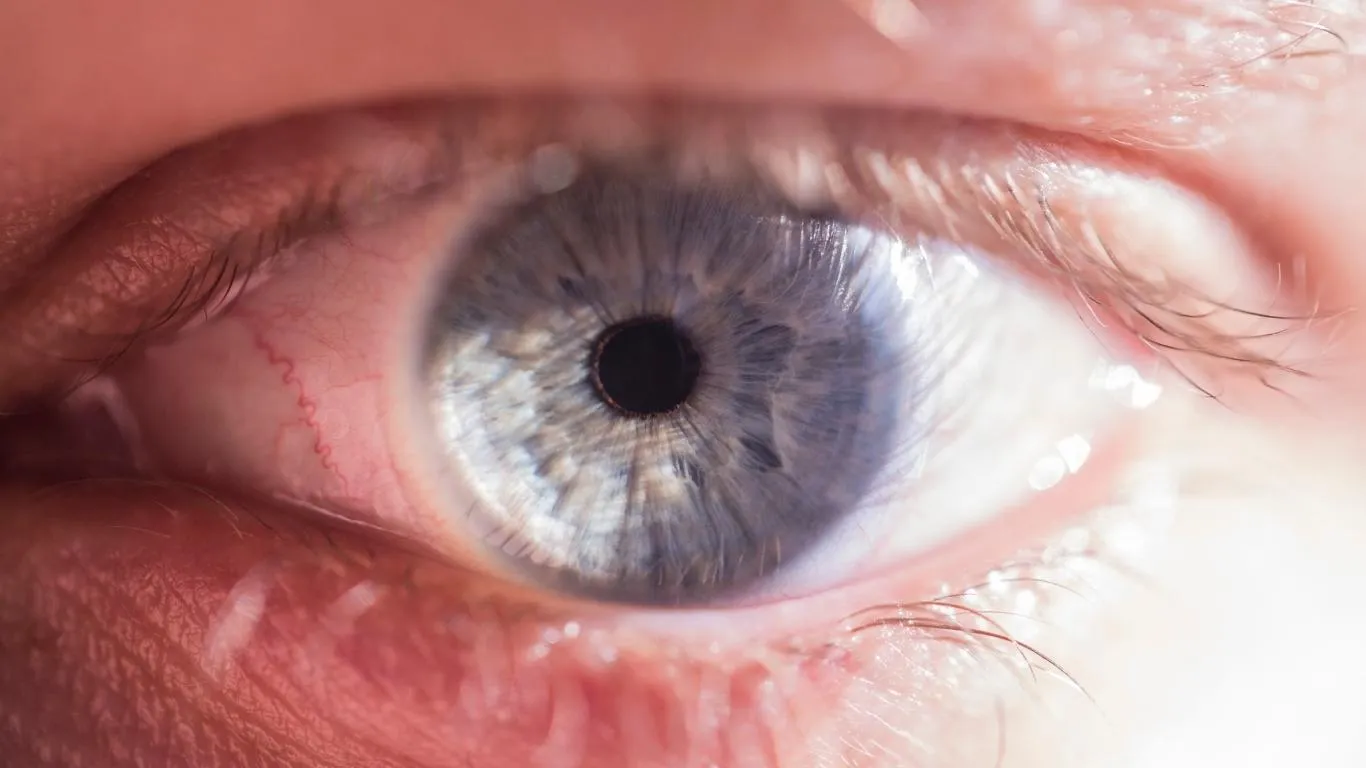
Ever rubbed your eyes after a long, candlelit soak in the tub? I used to do this constantly. Turns out, rubbing your eyes can actually move the vitreous slightly, stirring up those floaters and making them feel more prominent. So yes, the candles aren’t guilty—but your habits might be.
Other Factors That Could Be at Play:
- Eye strain from focusing on a small light source too long
- Dehydration—seriously, dry eyes can intensify floater visibility
- Fatigue or poor sleep can worsen your perception of floaters
For me, what helped most was simply recognizing that the lighting revealed what was already there. No need to panic. I did, however, start staying more hydrated and eased off the eye rubbing—small changes, big difference.
Should You Be Concerned About Frequent Floaters?
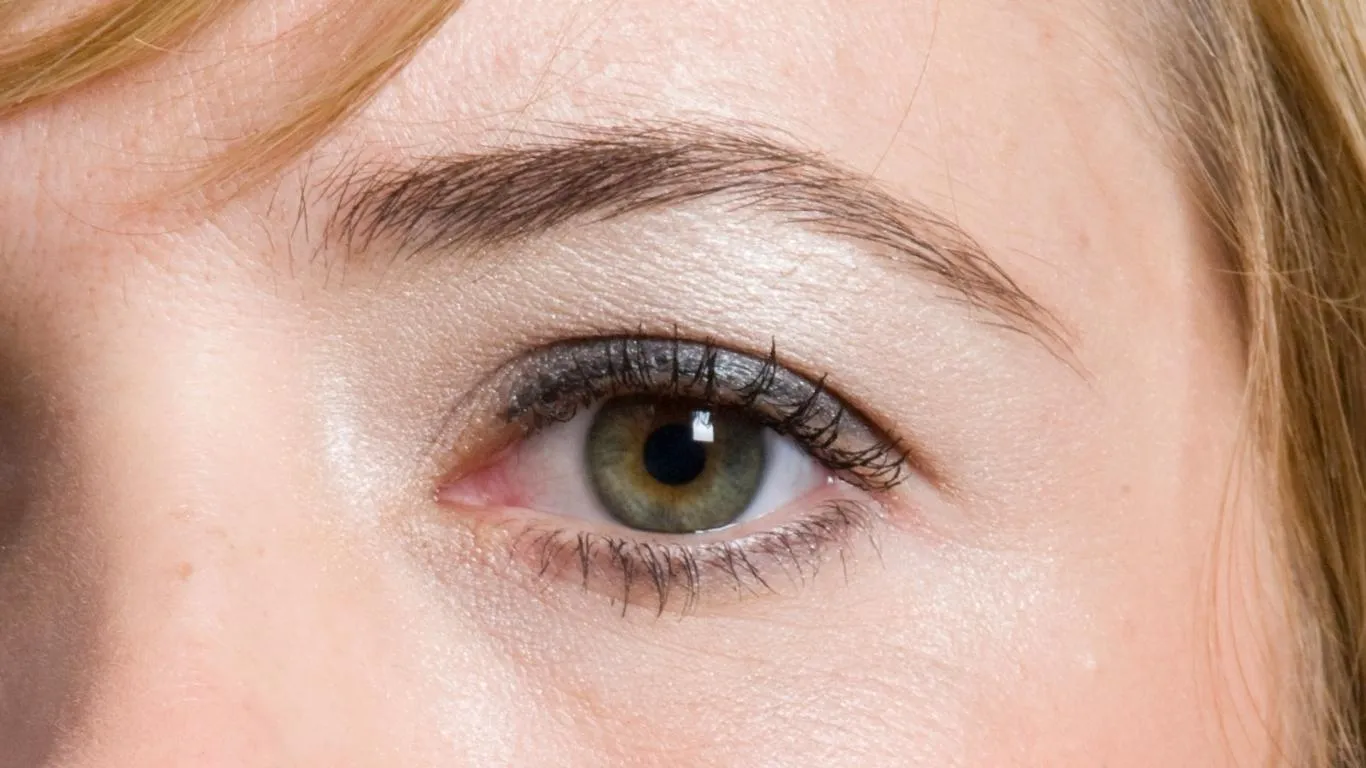
Here’s the deal: floaters aren’t always harmless. If you’ve been seeing them more often, in greater numbers, or they start interfering with your vision—especially if it’s paired with symptoms like flashes or shadowy edges—you need to rule out conditions like retinal detachment or inflammation.
Floaters that become severe or disabling might even require surgical intervention like a vitrectomy—though that’s typically reserved for extreme cases. If you’re curious about what treatment options exist, check out this guide on eye floater treatments.
And if you’re just starting to dive into understanding what these weird specs in your vision even are, the main explainer on eye floaters is a solid place to start.
What Can You Do If Floaters Get Worse After Candlelight Exposure?
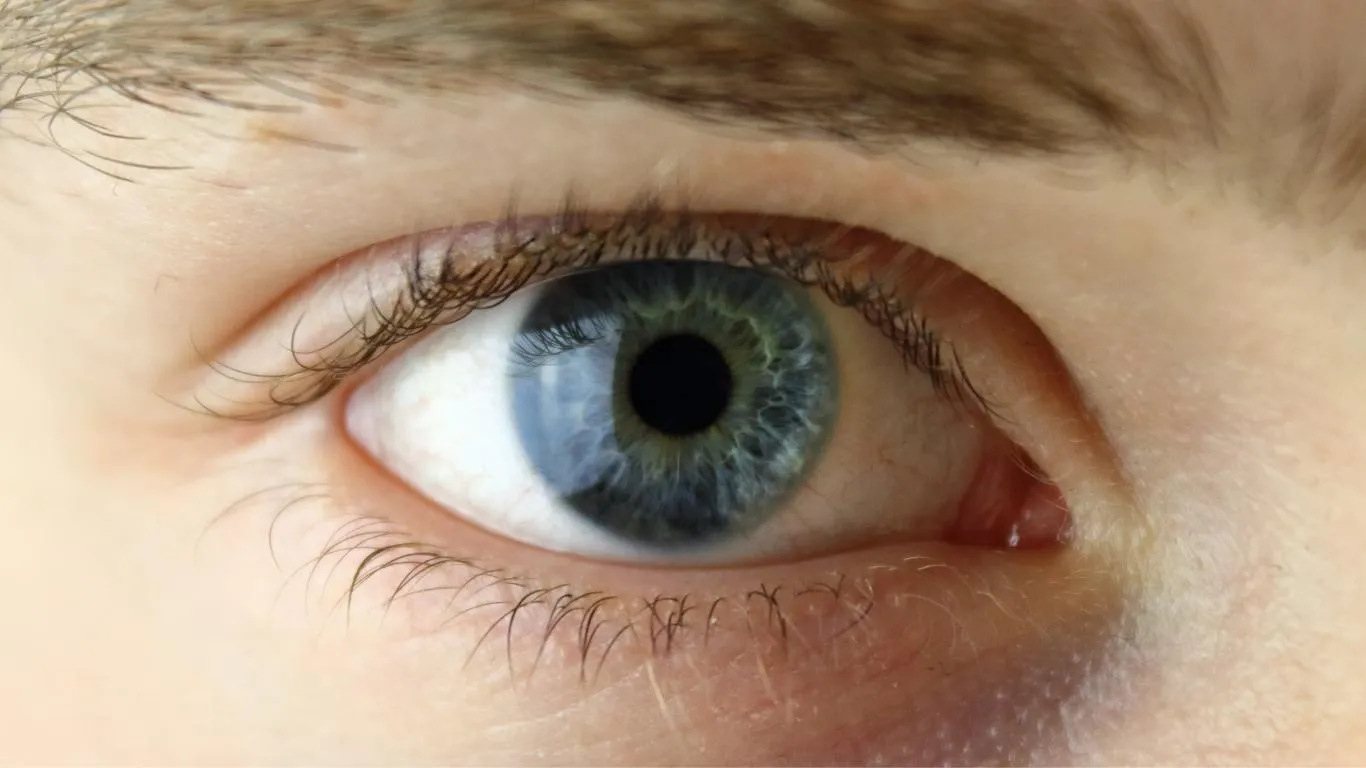
If you’re like me, you probably tried blinking them away at first. Then squinting. Then maybe even waving your hand in front of your eyes just to see if the shapes moved. (Yep—I’ve done all of that.)
The good news? There are a few things that might actually help reduce how often you notice floaters—especially if they seem to be triggered by dim light or candle flames.
1. Light Matters: Adjust Your Environment
Candlelight may be calming, but your eyes work harder in low light. That strain, paired with pupil dilation, makes floaters pop out like visual jump scares. Try mixing in a soft, warm ambient lamp alongside your candle—it preserves the mood but helps reduce eye fatigue. Personally, I keep a Himalayan salt lamp nearby. Works like a charm.
2. Hydration = Clearer Vision
You’d be surprised how much dehydration messes with your eyes. Dryness can amplify visual disturbances and even affect the clarity of your vitreous. I started keeping a glass of water nearby when journaling by candlelight. It’s simple, but over time, my floaters felt less aggressive. Coincidence? Maybe. Worth it? Absolutely.
3. Stop Rubbing Your Eyes (Yes, Really)
I used to rub my eyes without thinking—especially during late-night reading sessions. But all that pressure can disturb the delicate vitreous gel and aggravate floaters. Since I stopped, I’ve noticed less post-candlelight floaty chaos. Instead, I gently massage my temples when I need relief. Weirdly soothing.
Could It Be Something Bigger?
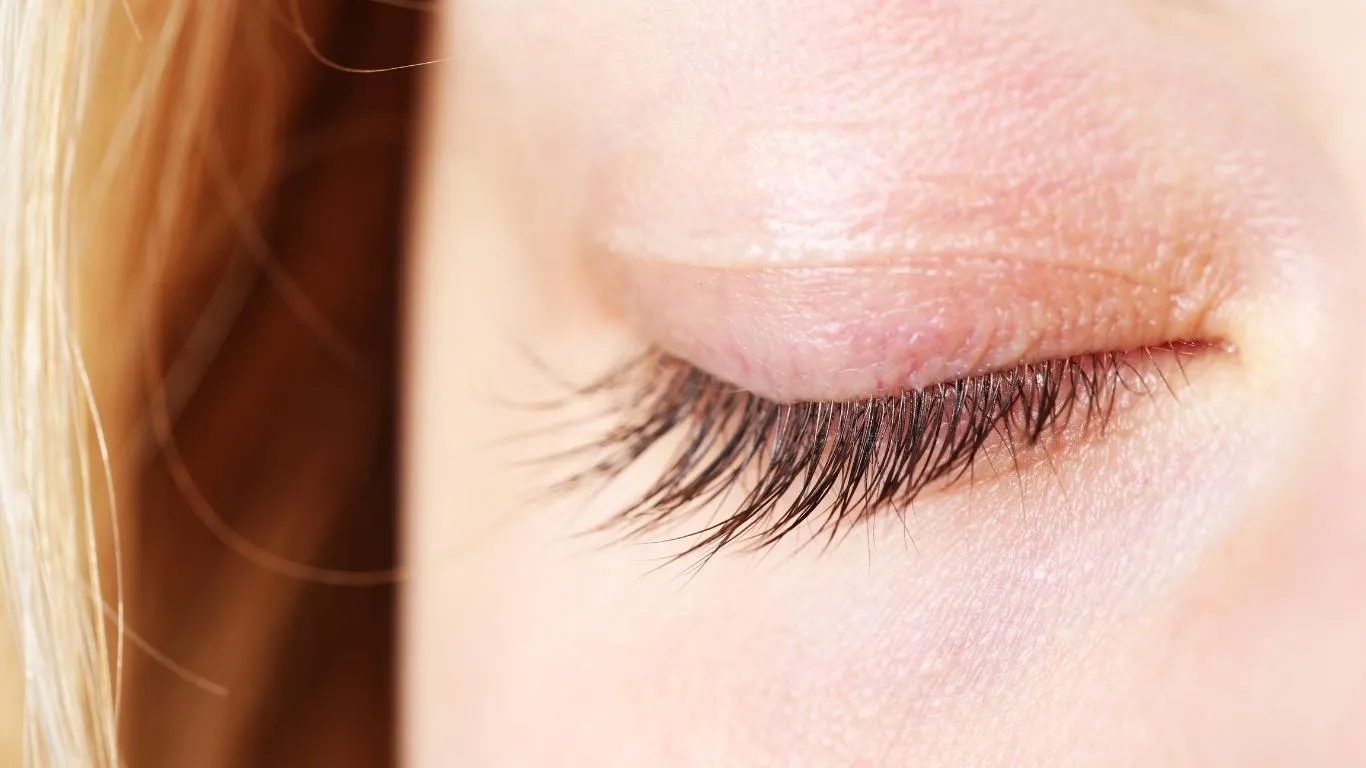
Let’s be honest: not everything weird in your vision is caused by mood lighting. If your floaters appeared suddenly, increased in size, or come with other symptoms like flashes or shadows, it’s time to think beyond candle flames.
Several conditions could be at play:
- Posterior Vitreous Detachment – Common in adults over 50. Doesn’t always need treatment, but should be monitored. Learn more here.
- Inflammation – Uveitis and autoimmune-related inflammation can cause floaters to increase dramatically. If you also experience pain, definitely speak to an ophthalmologist.
- Retinal Tears or Detachment – Sudden showers of floaters, especially after trauma or intense strain, could be early signs. Don’t wait—these are emergencies.
And just in case you’ve had floaters appear after activities like LASIK or cataract surgery, check this article about floaters after eye surgery for helpful insights.
How I’ve Learned to Live With Them (Without Losing My Mind)
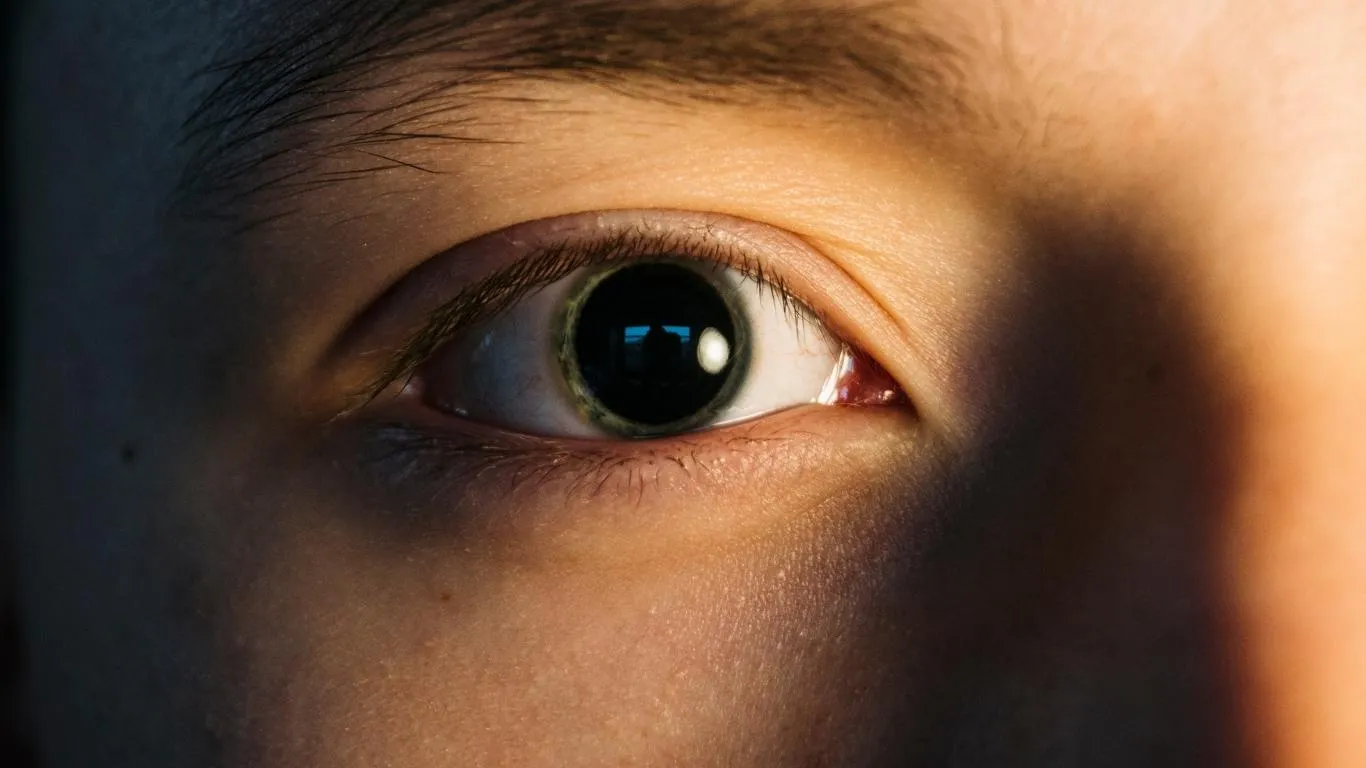
I used to obsess over floaters. I’d track them, mentally note their shapes, and dread candle-lit nights because I knew they’d show up like uninvited guests. But eventually, I shifted gears.
Here’s What Helped Me Most:
- Mindfulness & Acceptance – Floaters are a part of me now. And most of the time, they’re harmless. Once I stopped fighting them, they faded into the background more often.
- Lighting Adjustments – As mentioned, warm ambient lighting helps a lot. Even during meditation or relaxation time, a secondary soft light keeps the floaters at bay.
- Eye-friendly Diet – Adding foods rich in antioxidants and collagen support like leafy greens, carrots, and omega-3 sources? It didn’t “cure” anything, but my eyes feel better overall. You can read more about diet changes for floaters here.
I also discovered some surprising relief with guided candle meditation—not by staring into the flame, but by sitting beside it, eyes closed, breathing slowly. Try it sometime. You might still notice the floaters, but they’ll feel less… annoying.
When to Seek a Pro’s Opinion
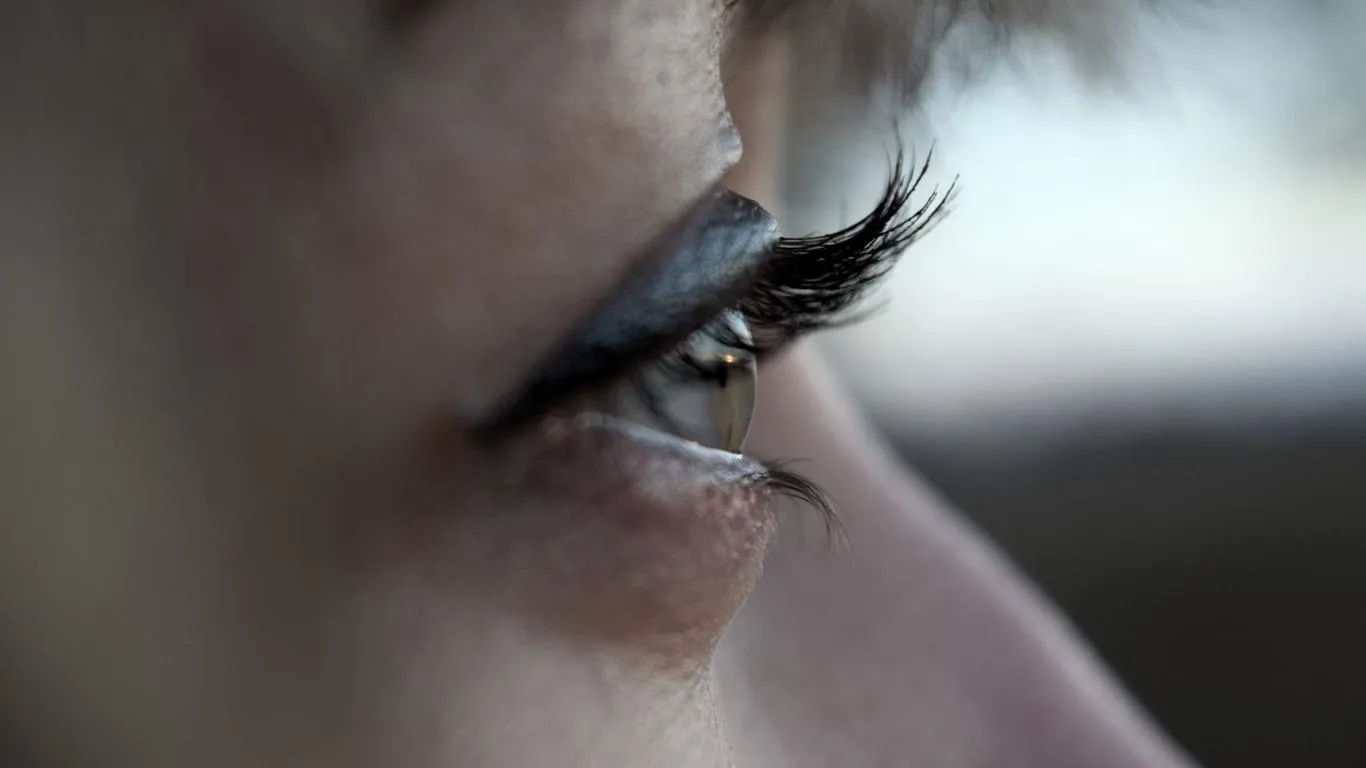
Even if your floaters are just a nuisance, it’s smart to get an eye exam if they’ve changed recently. Especially if:
- You see flashes of light (like lightning strikes)
- There’s a sudden cluster or cloud of new floaters
- Peripheral vision feels “shadowed” or obscured
- Floaters come with pain or redness
Don’t wait for them to “go away.” Sometimes they do—but sometimes they don’t. Better safe than sorry. And honestly, the peace of mind from a quick retinal checkup? Priceless.
Want a Deeper Dive Into Floater Causes and Treatments?

If this article struck a chord (or if you’re currently sitting next to a candle squinting through your floaters), check out our full breakdown on common causes of eye floaters. It’s one of our most in-depth guides—covering everything from aging and inflammation to eye trauma and surgery-related floaters.
And if you’re new to this whole floater world and want the basics—from what they are to whether they ever go away—this main guide has everything you need, written in plain language (no medical jargon).

Camellia Wulansari is a dedicated Medical Assistant at a local clinic and a passionate health writer at Healthusias.com. With years of hands-on experience in patient care and a deep interest in preventive medicine, she bridges the gap between clinical knowledge and accessible health information. Camellia specializes in writing about digestive health, chronic conditions like GERD and hypertension, respiratory issues, and autoimmune diseases, aiming to empower readers with practical, easy-to-understand insights. When she’s not assisting patients or writing, you’ll find her enjoying quiet mornings with coffee and a medical journal in hand—or jamming to her favorite metal band, Lamb of God.