Why Floaters And Eye Itchiness Without Redness Can Signal A Problem
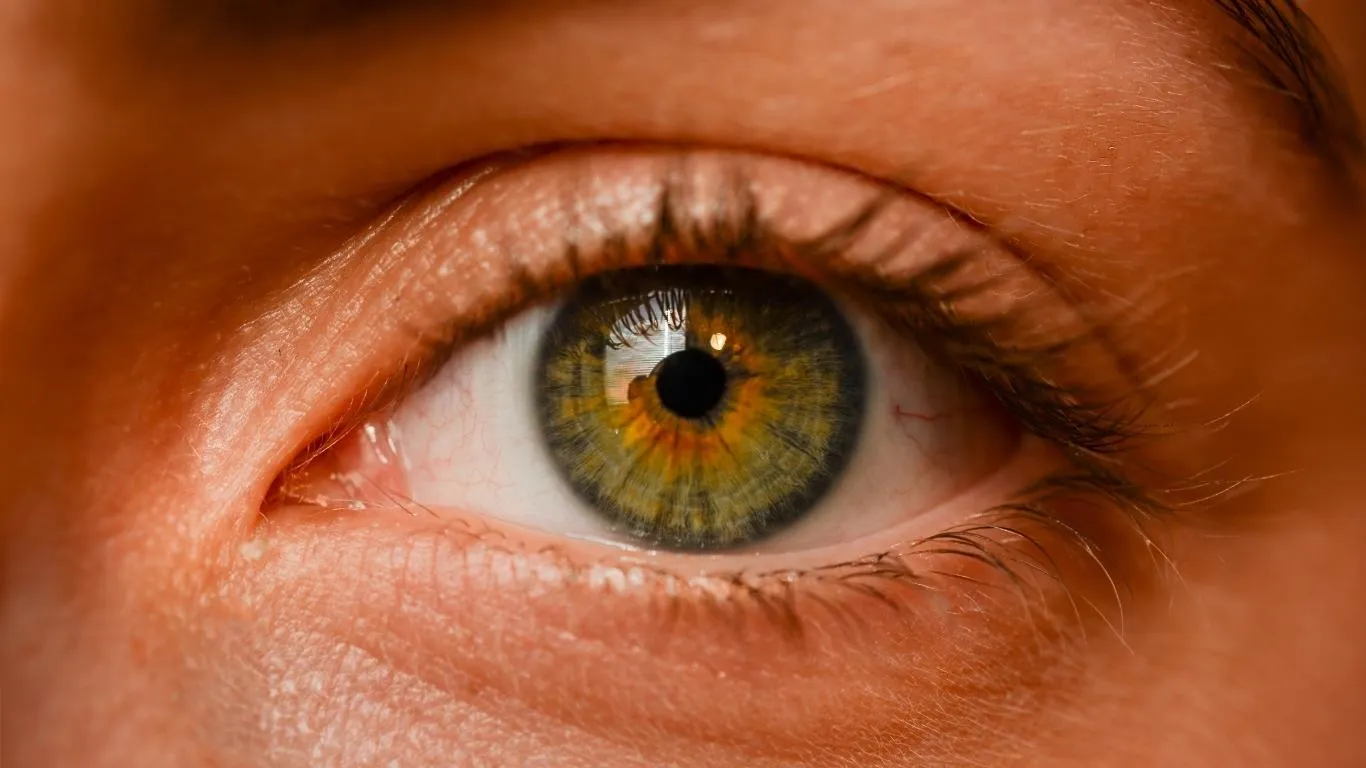
It started one morning with a weird sensation — not pain, not burning — just this subtle itch in the corner of my left eye. No redness, no gunk, just… discomfort. And to top it off, I noticed this tiny speck drifting across my vision every time I looked at a blank wall. At first, I thought it was dust. But it didn’t go away, and now I was dealing with two annoying things: constant eye itchiness without any visible irritation and those stubborn floaters that seem to dance around like ghosts. Sound familiar?
When Your Eyes Itch Without Turning Red
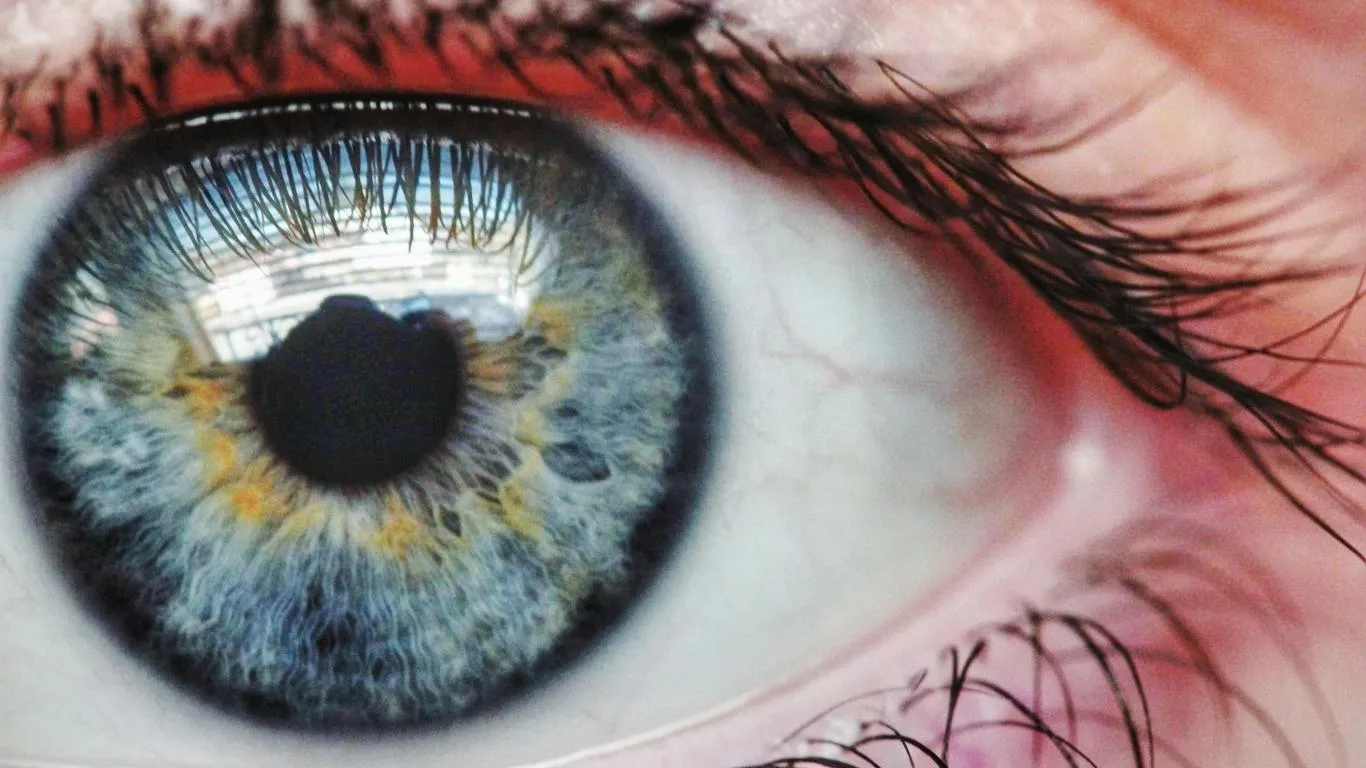
Most of us expect itchy eyes to come with redness — allergy season, anyone? But when your eyes itch and look completely normal, it throws you off. It’s not always about pollen or pet dander. Sometimes, it’s your body trying to tell you something subtler.
Dry Eye Doesn’t Always Look Dry
One of the most common causes of itchiness without visible inflammation is *dry eye syndrome*. I used to think dry eyes meant obvious signs — red, tired-looking, maybe a little crusty. Nope. Mine looked perfectly fine but felt like I’d rubbed them with sandpaper.
Dry eye can be triggered by screen time (guilty), dehydration, or changes in tear composition. And here’s the kicker — dryness can make floaters more noticeable. When your tear film is unstable, light scatters differently through the eye, which can make those little floaty shapes stand out even more.
Environmental Stressors
Living in a city? Using a fan or heater all day? Wearing contacts for too long? All of these can dry out your eyes subtly, leading to that itch-without-redness situation. If you pair that with floaters, it feels like a double whammy. Your eyes aren’t inflamed — they’re just reacting to everyday wear and tear.
Not Allergies, But… Something Close
Ever had a low-level allergic response? I’m talking about that barely-there histamine reaction — not full-blown swelling or tears, but just enough to make your eyes feel itchy. In these cases, floaters can also appear more prominent because of slight inflammation inside the eye that you can’t see.
Let’s Talk About the Floaters
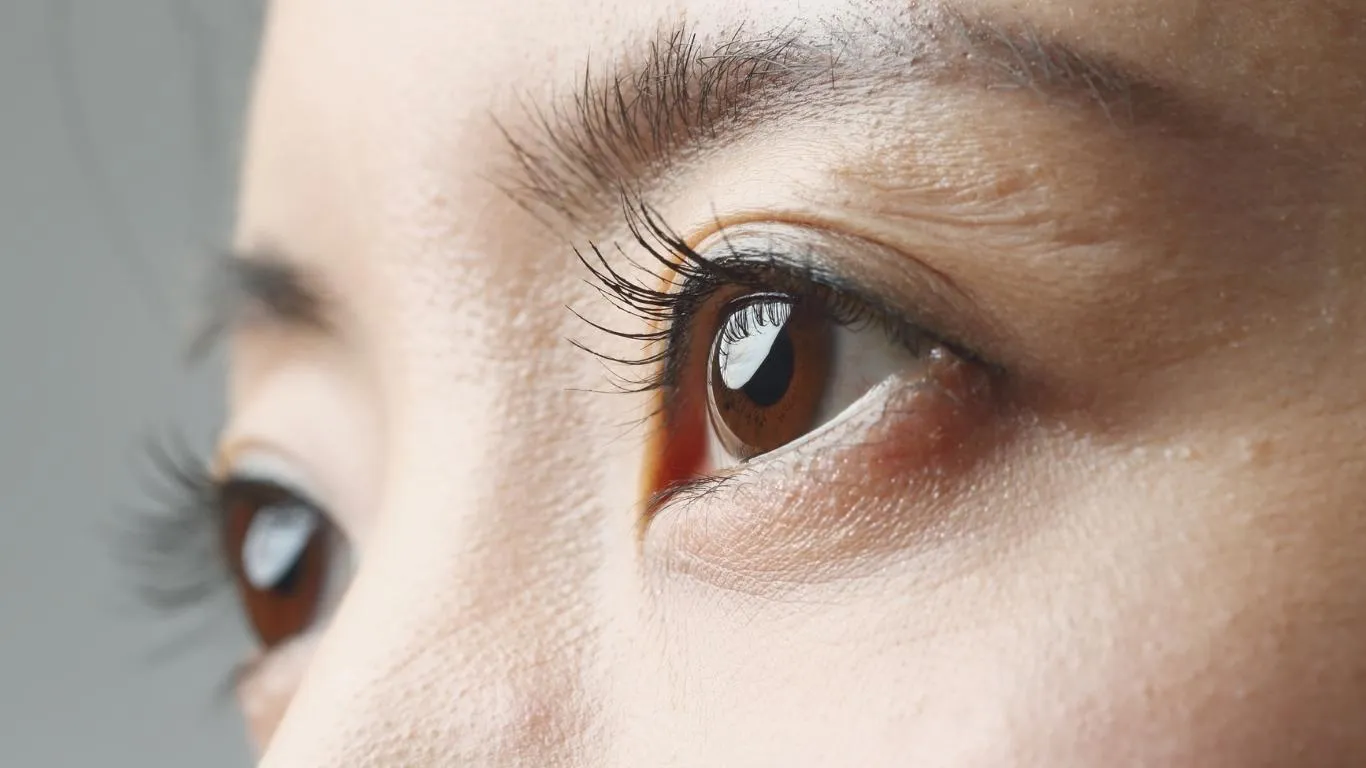
Those little squiggly shadows in your vision — some look like cobwebs, others like tiny bugs — are called floaters. I used to think they were imaginary until I learned they’re actual bits of collagen floating inside the vitreous gel in your eye.
Why Are They Showing Up Now?
Floaters often sneak up as we age, but they can also be triggered by subtle things like dehydration, stress, eye strain, or minor eye trauma. And you guessed it — dehydration can amplify both floaters and itchiness.
Sometimes, floaters show up after excessive screen time — especially in dim lighting — when our eyes are most strained. I’ve had days where I stared at my laptop for hours, and by the evening, my floaters looked bolder, more annoying. Combine that with dry, itchy eyes and you’ve got the perfect recipe for distraction.
Hormonal Shifts and Lifestyle Factors
It surprised me to learn how hormonal changes can contribute to both floaters and dryness. For women, especially around pregnancy or menopause, these subtle shifts can alter tear production and vitreous structure.
Even things like diet, lack of sleep, or long hours in air-conditioned rooms can wreak havoc on your eye comfort. And no, you don’t always get red eyes as a warning sign — sometimes, it’s just the itch and shadows.
So What Can You Actually Do?
Hydration, Inside and Out
- Drink more water. Sounds basic, but it really helps.
- Use preservative-free lubricating drops (check with an optometrist).
- Take breaks from screens using the 20-20-20 rule.
If your eyes itch but show no redness, think of it as your body’s early alert system. It’s a chance to take preventive action before things get worse.
Nutrition for Your Eyes
I started adding omega-3 supplements after my optometrist suggested it — not just for general health, but because there’s evidence linking nutrition to vitreous clarity. Leafy greens, nuts, and fish like salmon are now weekly staples for me.
When to Get It Checked
If you suddenly see a burst of new floaters or your vision feels like someone smeared Vaseline on your lens — get it checked immediately. A retinal tear or detachment isn’t common, but it’s serious business. Learn the warning signs here.
Want to Understand More About These Floaty Intruders?
There’s actually a fascinating explanation of how floaters form and what causes them to become more visible over time in this comprehensive guide to eye floater treatments. It breaks down when you can ignore them and when you shouldn’t.
For a solid breakdown of floaters, symptoms, causes, and treatment options, the main resource I always refer people to is this main guide on eye floaters — definitely worth the read if you’re trying to get ahead of your symptoms.
Are Floaters and Eye Itching Related?
You wouldn’t immediately link floaters and itchiness — I didn’t either. But as I dug deeper and talked to my eye doctor, it became clear there’s often overlap, even if it’s not a direct cause-and-effect thing. Think of it like this: both symptoms can flare up from the same root issues, like dehydration, digital strain, or changes in the fluid and collagen makeup of the eye.
Sometimes, the vitreous (the gel-like substance in your eye) starts changing texture as you age, or due to metabolic shifts. That’s what causes floaters to form. At the same time, subtle inflammation or surface dryness can create that itchy-but-not-red sensation. If your body’s off balance in even a minor way, your eyes often show it first.
Itchy Eyes as a Symptom of Internal Changes
Here’s something that surprised me: hormonal imbalances can trigger both floaters and itchiness. If you’re going through a major life stage — think pregnancy, perimenopause, or even significant stress — your eyes can become more reactive, even if there’s no visible redness or swelling.
And when these issues stick around, it’s exhausting. I went months trying to figure out why my eyes felt itchy and off-focus, even though I passed every vision test. Turns out, those subtle internal shifts were quietly rewriting the rules of how my eyes behaved — and floaters were just the visible side of it.
What Really Helps: Tried-and-Tested Tips
1. Give Your Eyes a Better Environment
- Adjust lighting: Floaters stand out more in bright or overly white environments. Try warmer light bulbs, or matte backgrounds on screens.
- Humidify your space: This helped my itchiness a ton. Dry air from heating or A/C is a silent eye irritant.
- Take breaks: I set hourly reminders to just look away and blink. Yes, blink. We don’t do it enough when staring at screens.
2. Upgrade Your Nutrition
Adding more antioxidant-rich foods made a bigger difference than I expected. Not overnight, but within a few weeks, my eyes just felt… calmer. I focused on:
- Foods high in lutein and zeaxanthin (spinach, eggs, corn)
- Wild salmon for omega-3s
- Hydration: 2–3 liters of water daily, especially during work hours
If you’re curious, this guide to eye-friendly dietary changes is a great place to start.
3. Eye Hygiene Isn’t Just for Redness
One of my biggest misconceptions was that I didn’t need to clean my eyes if they didn’t look red or crusty. But even mild itchiness can come from clogged meibomian glands or minor irritation on the lids. I started doing warm compresses at night — game changer.
This article on floaters after allergy-related issues goes into how even over-the-counter meds can subtly dry the eyes or change the eye’s surface environment.
When Is It Something More Serious?
It bears repeating: if you suddenly notice a massive increase in floaters, flashes of light, or a curtain-like shadow in your vision — don’t wait. These could be signs of a retinal tear or detachment. These events can happen without pain, redness, or even much warning.
Here’s a helpful breakdown of the signs in this piece on how floaters may warn of serious eye changes.
If you’re someone who experiences only floaters in bright rooms or sees them when shifting from dark to light, that’s often benign — but still worth tracking. I actually started a journal just to note when and how often I saw mine. Sounds nerdy, but it helped me spot patterns.
Still Confused About What’s Causing the Itch?
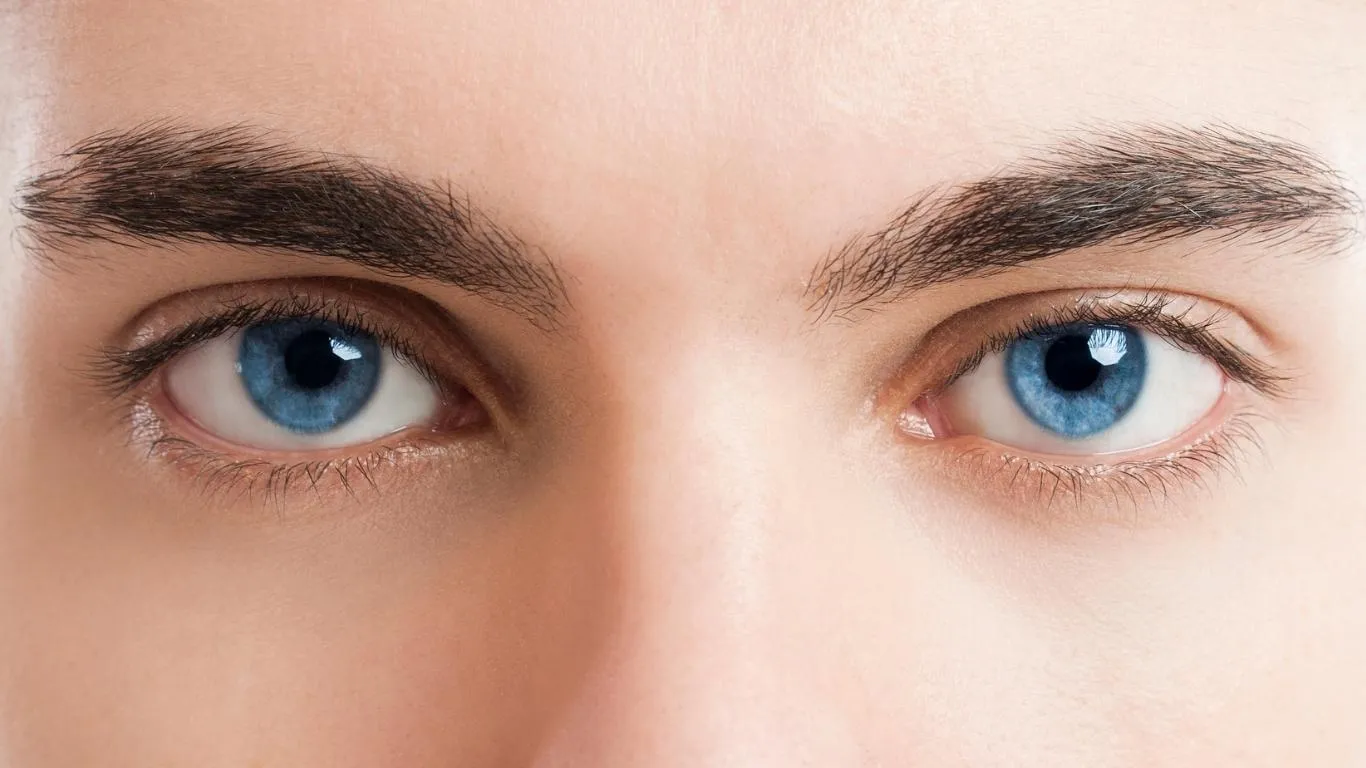
If you’ve ruled out infection, allergy, and eye strain, but still feel that itch, check out this article on how to recognize symptoms you shouldn’t ignore. It dives into floaters and low-level symptoms that might seem harmless but could signal something deeper.
Also, don’t skip this detailed read on eye floater causes and treatment. It’s the best starting point if you’re new to all of this and want to get answers without fear-mongering.
What I Learned After Dealing With Both
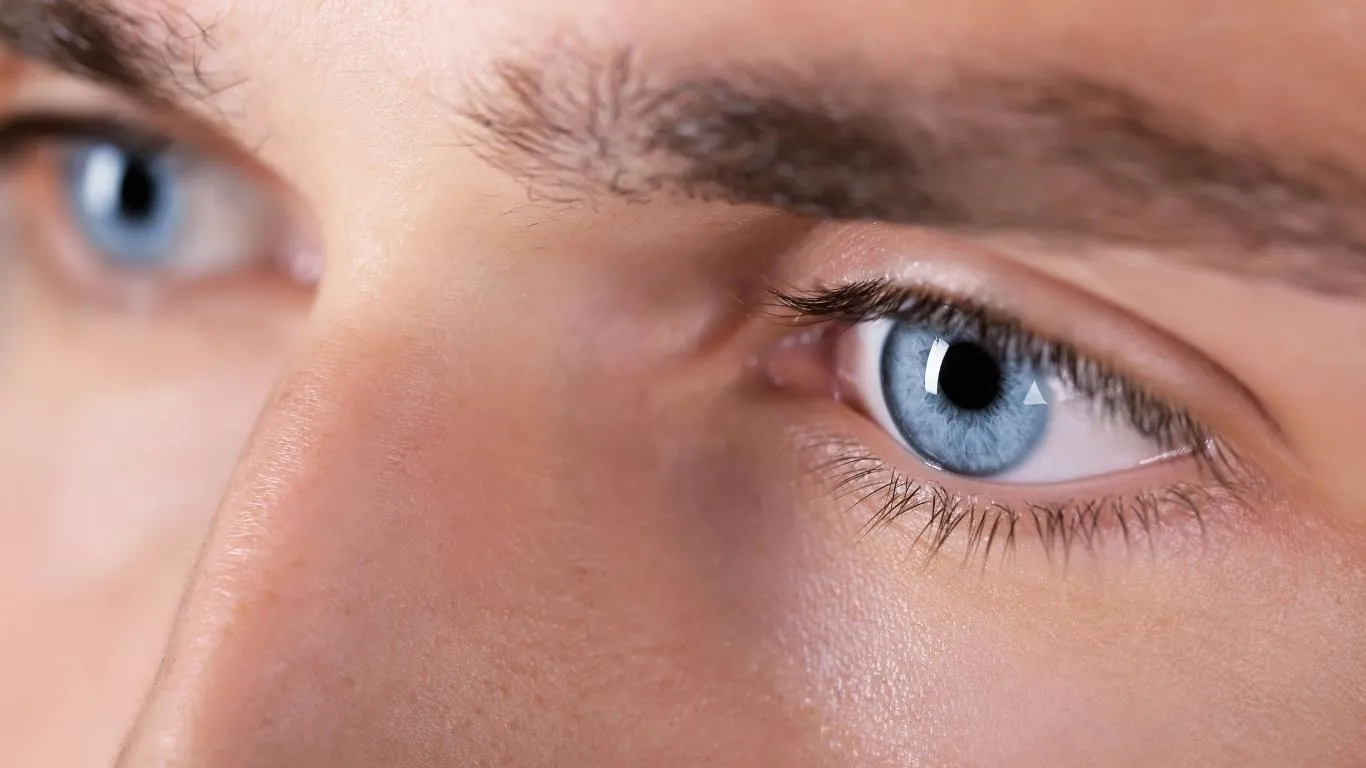
Floaters aren’t always serious. Itchy eyes aren’t always allergies. But when both happen together — and without the “obvious” signs like redness — it’s worth paying attention. I wish someone had told me sooner that small symptoms matter. Not because they’re life-threatening, but because they affect your *quality of life* in a way most people overlook.
If you’re seeing specks and feeling that invisible itch, don’t wait for it to “look bad” before you act. Be curious. Be proactive. Trust your eyes — they’re better at signaling than you think.

Camellia Wulansari is a dedicated Medical Assistant at a local clinic and a passionate health writer at Healthusias.com. With years of hands-on experience in patient care and a deep interest in preventive medicine, she bridges the gap between clinical knowledge and accessible health information. Camellia specializes in writing about digestive health, chronic conditions like GERD and hypertension, respiratory issues, and autoimmune diseases, aiming to empower readers with practical, easy-to-understand insights. When she’s not assisting patients or writing, you’ll find her enjoying quiet mornings with coffee and a medical journal in hand—or jamming to her favorite metal band, Lamb of God.