How Lack Of Omega-3 Can Worsen Eye Floaters Over Time
Not too long ago, I started noticing these tiny shadows drifting across my vision—almost like strands of cobwebs or specks that darted away when I tried to look directly at them. At first, I shrugged it off. Eye fatigue, maybe? But the floaters stuck around. After some research and a few visits to eye specialists, I stumbled upon something I hadn’t considered: a possible connection between eye floaters and omega-3 fatty acid deficiency. Sounds obscure? It’s not. In fact, this subtle link might explain a lot more than we think.
What Exactly Are Eye Floaters?

Floaters are those squiggly, translucent specks that seem to move around when you shift your eyes. They’re usually caused by tiny clumps of gel or cells inside the vitreous—the clear gel that fills your eye. As light passes through your eye, these clumps cast shadows on your retina, and voilà—floaters.
They’re incredibly common and often harmless. But in some cases, especially when they suddenly appear in large numbers or come with light flashes, they could be a sign of something more serious, like retinal detachment or vitreous hemorrhage. You can learn more about how floaters can indicate a retinal tear—something I didn’t even know was a thing until recently.
Is There Really a Link Between Floaters and Omega-3 Deficiency?
So, here’s where things get interesting. Omega-3 fatty acids—especially DHA (docosahexaenoic acid)—are essential for maintaining retinal health. They’re found in high concentrations in the retina and play a critical role in supporting visual development and function. A lack of omega-3s can lead to a breakdown in the structural integrity of the vitreous body. That’s where floaters sneak in.
I had gone through a phase of eating low-fat everything, skipping fish, and ignoring supplements. Who knew that could eventually catch up with my eyes?
Studies—like those published by organizations such as nei.nih.gov and aao.org—suggest omega-3s might reduce inflammation in ocular tissues and even slow down the aging changes in the vitreous that contribute to floater formation. It’s not a magic cure, but the connection is too strong to ignore.
What Happens to the Eye When Omega-3 Intake is Low?

The vitreous is composed mostly of water and collagen. Over time, especially if your diet is lacking in essential nutrients like omega-3s, this gel-like structure can begin to liquefy—a process known as vitreous syneresis. The collagen fibers clump together and cast shadows on the retina, leading to those annoying floaters.
Also, omega-3s are anti-inflammatory, and chronic low-grade inflammation can damage various parts of the eye. The absence of sufficient omega-3s may leave the eye vulnerable to oxidative stress, making it more likely for floaters to develop or worsen. And honestly, that was me—living on takeout, totally unaware of what I was missing out on nutritionally.
Additional Consequences of Deficiency
- Increased risk of dry eye syndrome
- Faster age-related macular degeneration (AMD) progression
- Poor tear film quality, affecting overall visual comfort
Here’s a great resource on how dehydration and nutrient imbalances affect floaters—a connection that’s more common than most people realize.
What Dietary Habits Could Be Making Things Worse?

It’s easy to fall into dietary traps—especially when busy. I know I did. Quick microwave meals, snacks that came in colorful bags, and lots of caffeine. But here’s the thing: if you’re not getting fatty fish (like salmon, sardines, or mackerel) at least a couple times a week, or supplementing with high-quality omega-3 capsules, you could be setting the stage for eye issues.
Even worse, high sugar intake and processed oils rich in omega-6 fatty acids can throw off the delicate omega-3:6 balance in the body. That imbalance might contribute to inflammatory responses—not great news for your vitreous health.
For more eye-opening insight on how poor nutrition impacts your vision, especially in the context of floaters, take a look at this deep dive into the diet-floater connection.
Can Omega-3s Actually Improve Floaters?

Short answer: possibly, but don’t expect miracles. What omega-3s can do is reduce the risk of developing new floaters by supporting overall eye health and reducing inflammation. I didn’t see my floaters vanish overnight when I started supplementing, but I did notice a reduction in their frequency and how often I was bothered by them.
It’s all about consistency. DHA and EPA need to be part of your long-term diet, whether through food or supplements. The improvements may be subtle at first, but they add up.
Some experts recommend starting with a minimum of 1000mg combined EPA and DHA daily. But always check with your eye doctor or nutritionist, especially if you’re already dealing with existing eye conditions. For a better understanding of available treatment options, here’s a solid primer on different approaches to eye floater treatment.
Good Sources of Omega-3s to Add to Your Diet
- Fatty fish like salmon, mackerel, sardines
- Chia seeds and flaxseeds (ALA form, less effective but still helpful)
- Walnuts
- Algae-based omega-3 supplements (especially for vegetarians/vegans)
If you’re looking for a more comprehensive overview of floaters—their causes, symptoms, and everything in between—don’t miss this main eye floaters guide. You might also find it helpful to explore this resource on common floaters causes if you’re still figuring out what might be behind yours.
So, What Actually Worked for Me?

I’ll be honest—at first, I wasn’t expecting much. I added omega-3 supplements to my routine out of curiosity, not conviction. But after around two months of consistent intake, something shifted. The floaters didn’t vanish, but they became less noticeable. I wasn’t constantly distracted by them when reading or looking at bright backgrounds. That, for me, was a win.
Alongside omega-3s, I made other small but smart changes—hydration, screen-time management, and even switching to a blue light filter on my devices. These subtle tweaks played their part too. The key was consistency, not chasing quick fixes.
Other Nutritional Allies for Vitreous Health

Omega-3s may be the star of the show, but they’re not alone in protecting eye health—especially the vitreous. Here are a few more nutrients I’ve since welcomed into my routine:
- Lutein & Zeaxanthin: Found in spinach and kale, these antioxidants help filter blue light and support the macula.
- Vitamin C: Plays a crucial role in collagen production, which keeps the vitreous stable and clear.
- Magnesium: Often overlooked, it helps regulate intraocular pressure and supports blood flow to the retina.
If you’re seeing a sudden uptick in floaters, it may also be worth reading this article on how magnesium deficiency might contribute to floaters. That one really made me rethink how simple micronutrient gaps can manifest visually.
Habits That Quietly Sabotage Your Eye Health

For many of us, it’s not just what we’re lacking—it’s also what we’re doing that makes things worse. I had to take a hard look at my habits. Here are a few lifestyle choices that might be quietly contributing to more floaters, even if you’re not deficient in omega-3s:
- Too much screen time without breaks
- Low water intake (dehydration affects the vitreous)
- Chronic stress—yep, it plays a role too
- Smoking or exposure to secondhand smoke
- Lack of restorative sleep
Surprisingly, smoking’s impact on eye floaters is one of the more documented ones, and it’s far worse than I expected. Reducing exposure helped me personally feel a difference, even if it was subtle.
Is It Worth Getting Omega-3 Tested?
Short answer? Absolutely. While not something doctors always check by default, testing your omega-3 index through a simple blood test can reveal where you stand. Mine was embarrassingly low—around 3.2%. Optimal levels are usually 8% and above.
Once I had that benchmark, it gave me a measurable goal to work toward. Plus, it helped my eye doctor understand why my symptoms weren’t just “aging-related.” Omega-3 testing isn’t expensive either, and if you’re dealing with persistent floaters, it could provide valuable direction.
Eye-Friendly Recipes I Actually Stick With
Here’s a surprise twist: you don’t have to eat boring food to support your eyes. A few simple meal swaps made a big difference for me. These are three meals I keep in regular rotation:
- Breakfast: Greek yogurt with flaxseeds, walnuts, and blueberries
- Lunch: Salmon salad with avocado, olive oil, and pumpkin seeds
- Dinner: Miso-glazed mackerel with quinoa and steamed spinach
Snacks? Chia seed pudding or roasted seaweed packs. Easy, tasty, and loaded with eye-supportive fats. If food prep feels like a chore, start with just one change a day. That’s how I got going—no pressure, just intention.
When to Be Concerned About Floaters
Not all floaters are created equal. If you notice:
- A sudden burst of new floaters
- Flashes of light in your peripheral vision
- A shadow or curtain over part of your vision
Get to an eye doctor—fast. These could signal a retinal detachment or other serious condition. Don’t self-diagnose or assume it’ll pass. Here’s a helpful read on why sudden floaters can be an emergency.
Long-Term Strategy for Happier, Clearer Vision
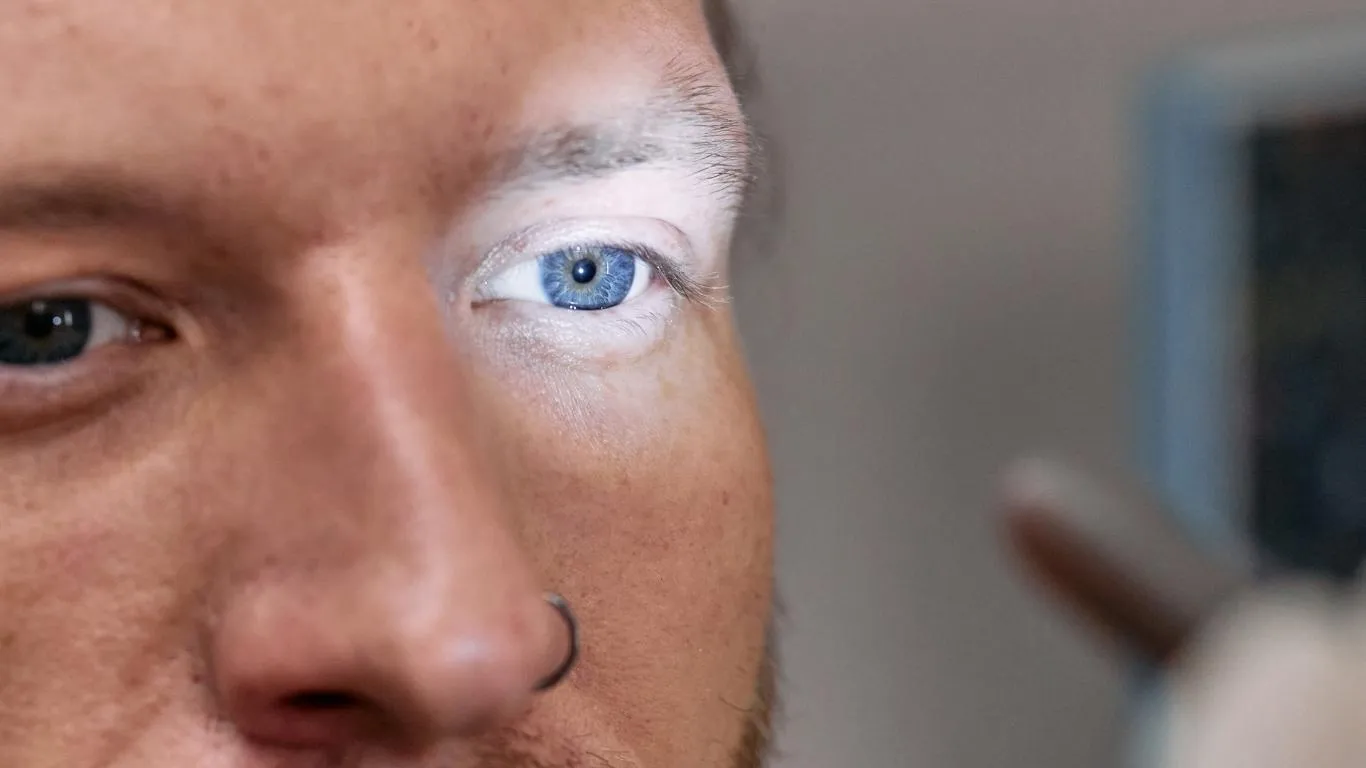
Today, my floaters haven’t disappeared—but they rarely steal my attention like they used to. I track what I eat, stay on top of supplements, and even do a few eye exercises I picked up from this excellent guide. The combination of nutritional, behavioral, and visual strategies made all the difference.
That’s what it really comes down to: floaters may not be fully preventable, but they are manageable. And for some of us, the solution might begin in the kitchen—not just the clinic.
For a complete overview of symptoms, causes, and clinical management strategies for floaters, the most detailed resource I found is this main guide on eye floaters. If you suspect your diet or lifestyle might be playing a role, especially when it comes to nutrient deficiencies, don’t miss these natural ways to manage floaters—some of them really surprised me with how effective they actually were.

Camellia Wulansari is a dedicated Medical Assistant at a local clinic and a passionate health writer at Healthusias.com. With years of hands-on experience in patient care and a deep interest in preventive medicine, she bridges the gap between clinical knowledge and accessible health information. Camellia specializes in writing about digestive health, chronic conditions like GERD and hypertension, respiratory issues, and autoimmune diseases, aiming to empower readers with practical, easy-to-understand insights. When she’s not assisting patients or writing, you’ll find her enjoying quiet mornings with coffee and a medical journal in hand—or jamming to her favorite metal band, Lamb of God.