Why Floaters Appearing When Closing One Eye May Be A Warning
Ever close one eye and suddenly spot strange little specks or threads floating around your vision? You’re not alone. It’s something I personally experienced for the first time during a long workday when I leaned back, closed my left eye, and saw a translucent swirl drifting by in my right. At first, I thought it was dust or something on my glasses, but nope—it was inside my eye. That’s when I started digging into what floaters appearing when closing one eye actually mean. And trust me, it’s a rabbit hole worth exploring if you care about your vision health.
Why Do Floaters Show Up More When You Close One Eye?
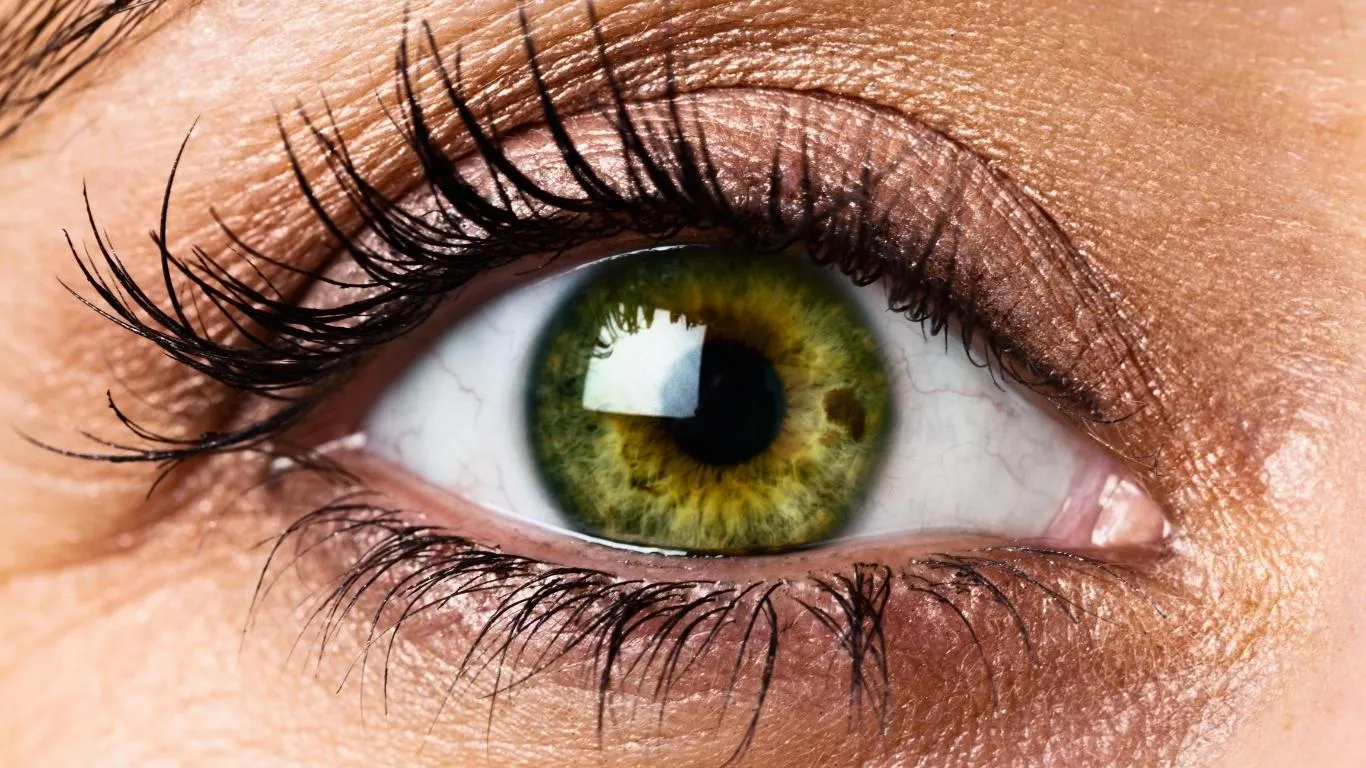
It might seem odd, but floaters often feel more obvious when one eye is closed. That’s because your brain doesn’t have both visual fields to combine, so the imperfections in the open eye’s field become more prominent. In simple terms, you’re not suddenly developing floaters—you’re just noticing them more.
Here’s a little trick I found helpful: if you close one eye and shift your gaze slightly left and right, the floaters may drift. That’s your vitreous gel doing its thing. These floaters are often just collagen fibers clumped together—a normal aging thing, but also sometimes a red flag.
Common Situations Where This Happens
- After long hours of screen time
- When waking up or lying flat
- In bright rooms or against white walls
- During meditation or periods of stillness
For some people, especially those with high myopia like me, this can happen more frequently. Floaters after using a phone in the dark is another situation where it gets worse—something I can definitely confirm from late-night scrolling.
What Floaters Actually Are (And What They’re Not)
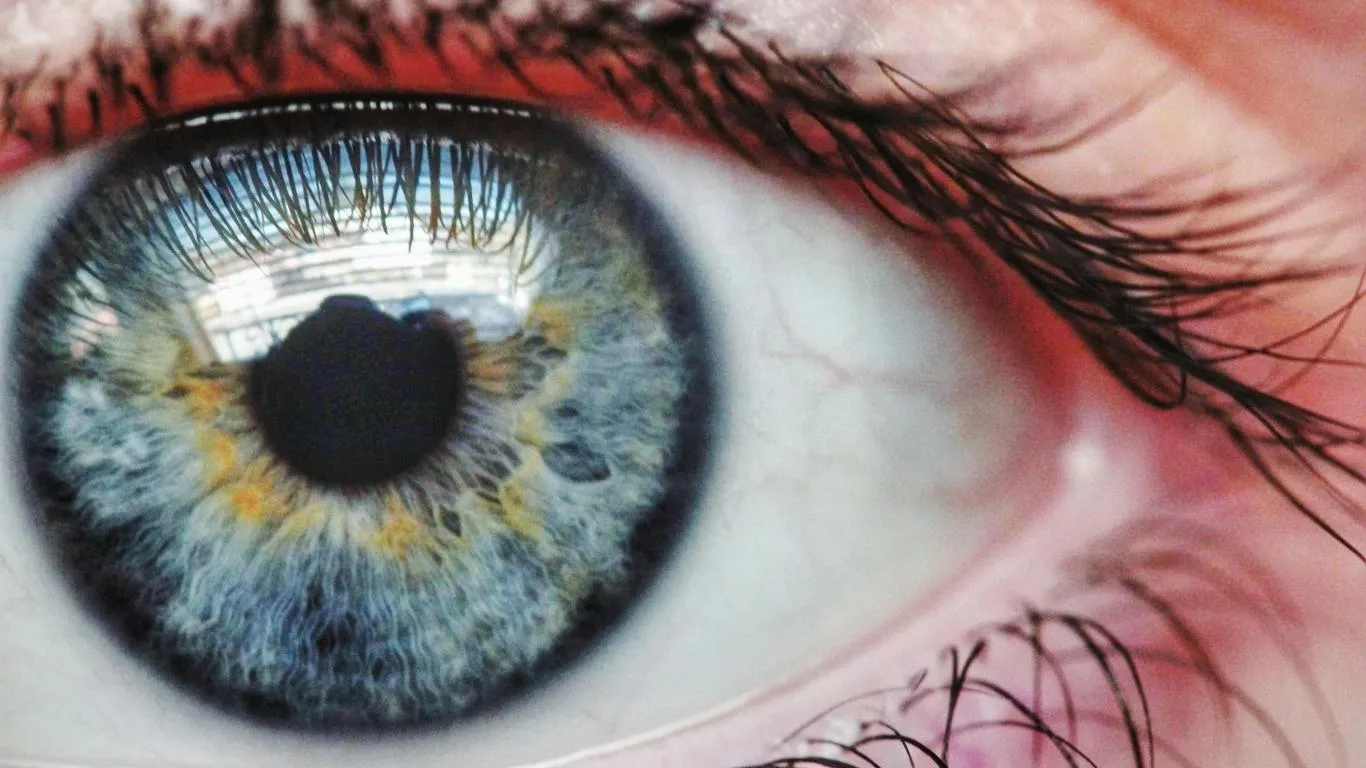
Floaters are tiny shadows cast on your retina by particles in your eye’s vitreous humor. They might look like strings, cobwebs, circles, or specks. Contrary to popular belief, they aren’t on your eye surface—they’re floating inside your eyeball. And no, blinking won’t get rid of them.
When Should You Be Concerned?
- If you suddenly notice a large number of new floaters
- If they’re accompanied by light flashes
- If there’s a shadow or curtain effect in your vision
These could signal retinal detachment or tears, which need immediate medical attention. Floaters before a retinal tear might be your only early warning, so take them seriously if they feel different than usual.
Why They Seem More Noticeable With One Eye Closed
This was one of the most surprising discoveries for me. Vision is a team sport—your brain blends input from both eyes to make a complete picture. When you close one eye, your brain loses that redundancy. So any irregularity in the open eye stands out more. You’re not generating new floaters; you’re just getting a clearer stage for the ones already floating around.
It’s also why some people think floaters only exist in one eye. But close both eyes—and they’re gone. That’s because floaters need light and a visual surface (like your retina) to appear in your field of view.
Check out this piece on eye floaters in people with perfect vision. It really debunks the myth that you need an existing eye condition to notice them.
Could There Be Underlying Conditions?
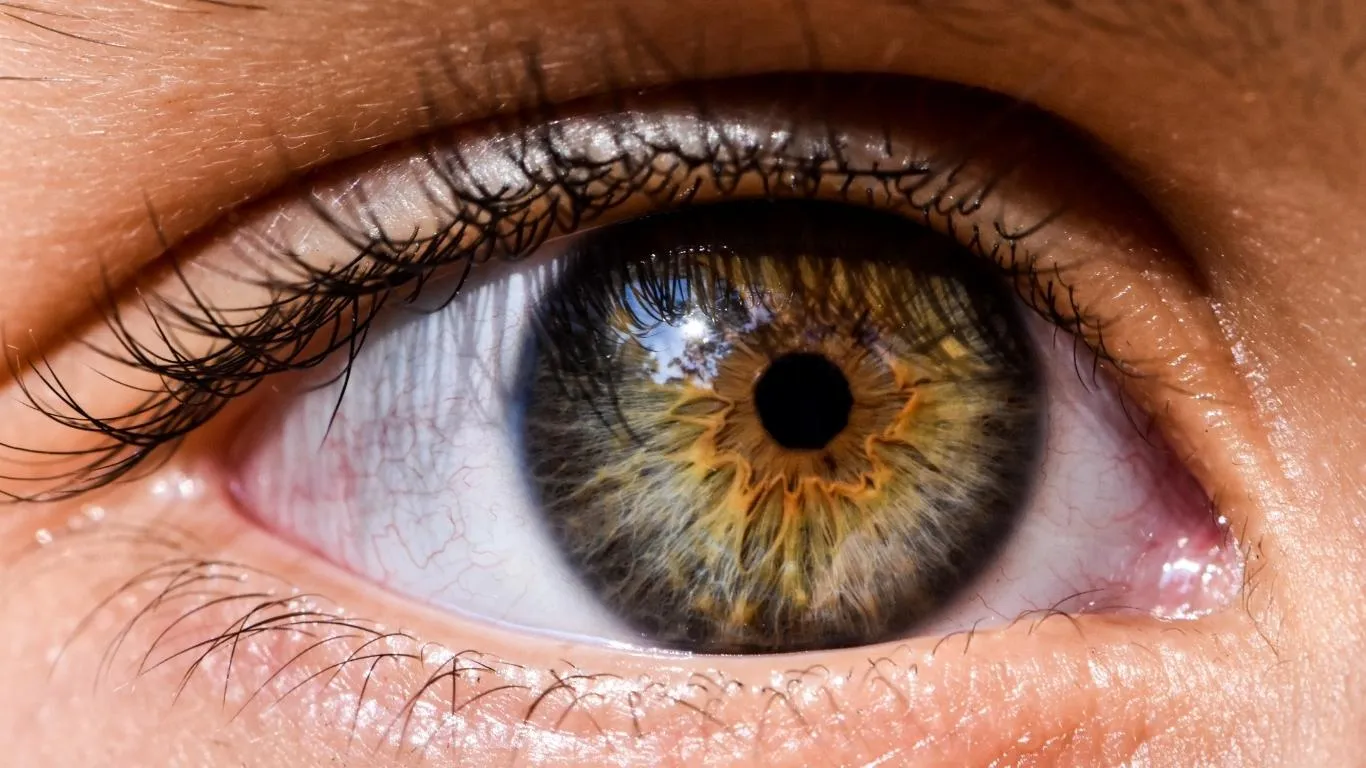
Sometimes, floaters showing up predominantly in one eye may suggest an asymmetrical condition—like a posterior vitreous detachment (PVD) affecting one eye first. If you’re over 40, especially, this is quite common.
There’s also the possibility of inflammation (like uveitis) or eye injury. A good read on this is how uveitis triggers floaters, especially for people with autoimmune concerns or recurring eye discomfort.
And if you’ve had eye surgeries like LASIK or cataract procedures, there’s a known link. Floaters can appear or get worse post-surgery. Here’s a breakdown of floaters post-cataract surgery—a reality I didn’t expect after my aunt’s operation.
Conditions Worth Getting Checked
- Retinal tears or detachment
- Vitreous hemorrhage
- Eye trauma (even mild)
- Severe nearsightedness (myopia)
When floaters change suddenly in shape or frequency, don’t brush them off. An optometrist or retina specialist can do a full scan, often using dilation to examine your vitreous thoroughly. This treatment guide outlines what happens during those exams and what your options are afterward.
Helpful Tips to Manage or Reduce Floaters
While floaters usually aren’t dangerous, they can be annoying. Especially when they seem to float directly in your reading path. I’ve found a few tricks that actually help reduce their visibility, if not their presence entirely.
- Hydration: Dehydration seems to make floaters worse. Hydration and floaters is more linked than you’d expect.
- Eye movement exercises: Gently moving your eyes up/down or left/right can shift floaters out of your central vision.
- Reduce screen time: This one’s tough, I know. But extended focus worsens perception. I try to follow the 20-20-20 rule.
- Lighting adjustments: Lowering brightness or avoiding high-contrast backgrounds helps floaters blend into the visual noise.
There’s a whole debate about natural remedies and supplements too. I’ve tried a few—some seemed to help, others not so much. For more insights, read natural ways to manage eye floaters.
If you want a comprehensive breakdown of causes beyond just one eye, the main article on eye floater causes and treatment from Healthusias dives deep into the subject. It’s a good place to start if you’re new to all this.
Also worth checking: the detailed piece on common causes of eye floaters—it breaks down everything from aging to trauma in a super approachable way.
Are Floaters in One Eye More Dangerous?
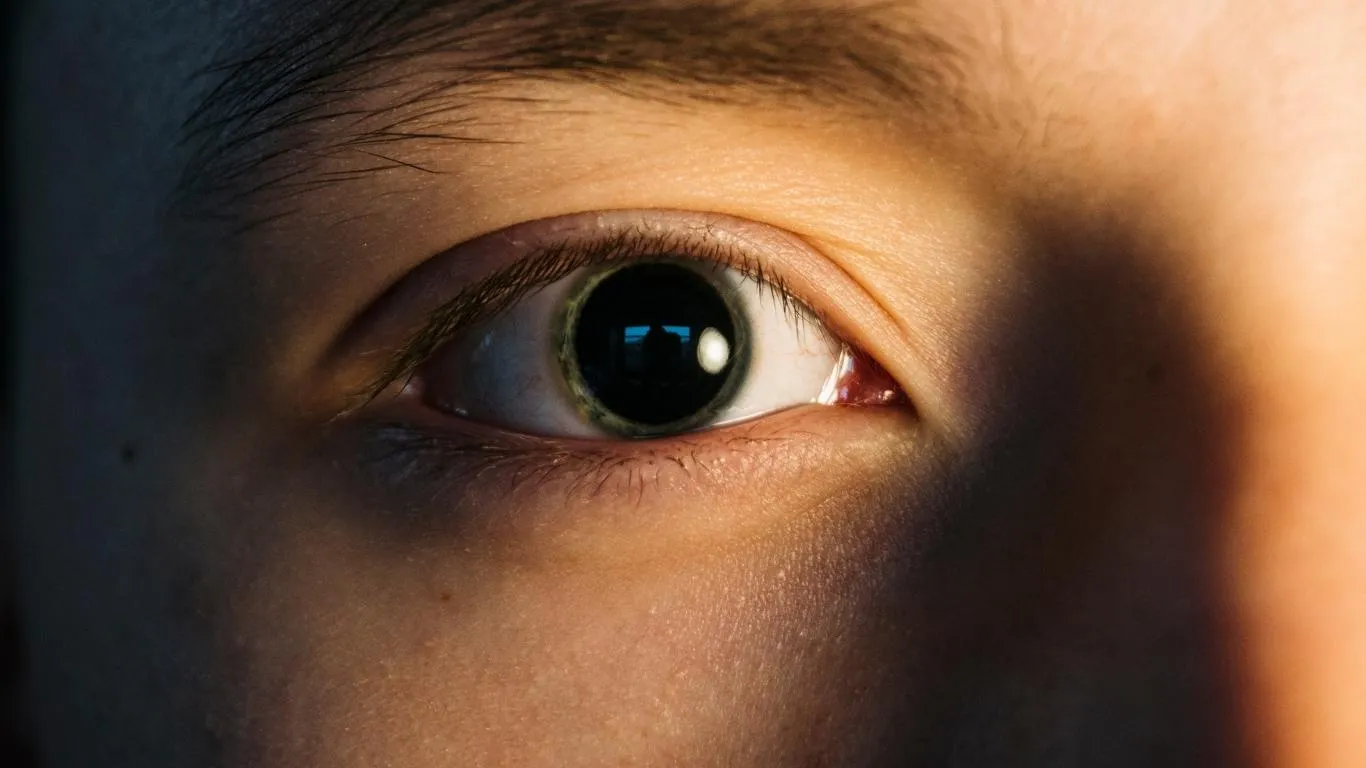
It’s easy to panic when you only notice floaters in one eye—trust me, I’ve been there. After a long day under harsh office lighting, I closed one eye and instantly noticed these drifting specs again. Just one eye. It freaked me out a little. The thing is, floaters appearing in one eye can be completely benign—but they also *can* hint at something more serious if accompanied by sudden changes.
Asymmetrical floaters can happen for several reasons. Maybe your dominant eye is doing more work. Or maybe one eye is simply aging a bit differently than the other—something most people don’t realize is totally normal. That said, floaters isolated to one eye should always prompt a professional check-up, especially if they appear suddenly or increase rapidly.
A good rule of thumb? If it’s new, bothersome, and persistent—get it looked at. It’s your eyes. Better safe than sorry. Here’s an excellent breakdown of when floaters signal trouble.
Do Floaters Always Stay the Same?
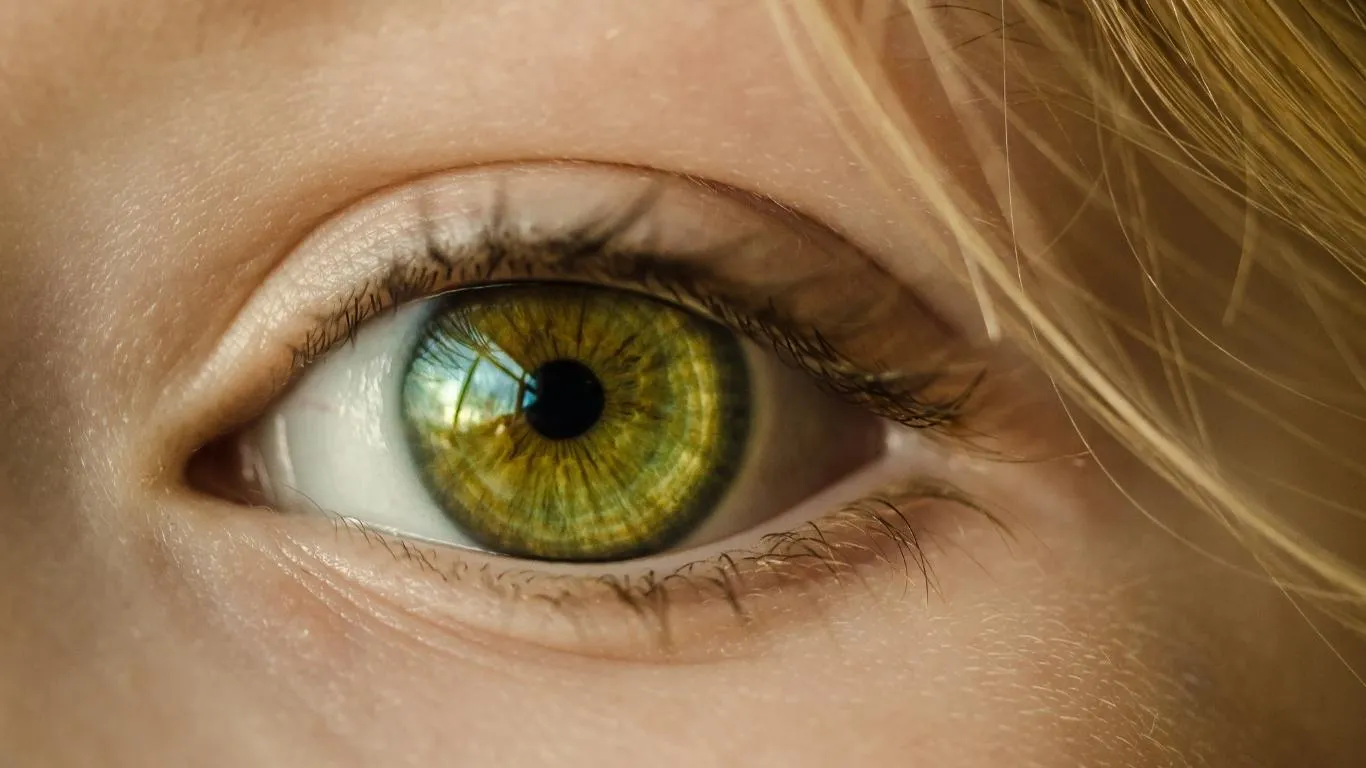
Nope. They’re sneaky like that. One of the most frustrating things I’ve noticed with my own floaters is how unpredictable they are. Some days, they’re hardly there. Other days, it’s like someone stirred up glitter in my eye. The intensity, size, and visibility can vary depending on lighting, hydration, fatigue, and even posture.
Some people report that floaters in one eye become more visible after naps, especially floaters that appear after naps. It makes sense—your eyes rest, fluids shift slightly, and the floaters drift into a new position. This is also common when you’re lying flat or staring at a bright ceiling first thing in the morning.
Things That Can Make Floaters Appear Worse
- Looking at white or bright backgrounds (like paper or a computer screen)
- Fatigue or eye strain after long reading or driving sessions
- Stress and hormonal fluctuations
- Dry eyes or low tear production
- Sudden changes in lighting, like walking outdoors from a dim room
Believe it or not, even posture matters. I stumbled upon this posture and floaters piece and immediately thought of how my floaters spike after working hunched over for hours.
Is There a Way to Get Rid of Them?
Unfortunately, most floaters are permanent unless surgically removed. But don’t let that discourage you. For most people, they become less noticeable over time. I used to be fixated on them when they first showed up—now they’re barely a blip unless I focus on them.
If your floaters are affecting your quality of life, there *are* options worth considering:
- Vitrectomy: A surgical procedure that removes the vitreous gel. Effective, but typically reserved for extreme cases due to risks.
- Laser vitreolysis: Uses lasers to break up floaters. It’s non-invasive but only effective for certain floater types and locations.
- Supplements: Some people swear by things like lutein and bilberry. While evidence is mixed, I take them more for overall eye health than floaters specifically.
I’d recommend reading the full breakdown on treatments if you’re considering anything beyond observation. It’s realistic and not hype-driven, which I appreciate.
Can Lifestyle Changes Really Help?

Short answer: yes—but with some caveats. While you can’t make floaters vanish completely through diet or yoga, you *can* reduce their intensity and how much they bother you. For me, managing stress and sleep made a noticeable difference. When I’m tired or tense, my floaters go full spotlight mode.
Here are some tweaks I’ve personally made:
- Switched to anti-glare computer glasses
- Cut back on caffeine (this one was tough!)
- More water, fewer processed snacks
- 20-20-20 screen break rule
- Daily omega-3 supplements (based on this tip from vision supplements for floaters)
There’s also good evidence linking dry eye syndrome with increased floater awareness. Keep your eyes moist—especially in air-conditioned spaces or after long digital exposure.
What Eye Doctors Say (and What They Often Don’t)
Not all floaters are treated equally. I’ve had eye doctors wave them off as “harmless” (and they usually are), but that doesn’t mean they don’t impact daily life. The key is to get your eyes properly examined—not just a quick vision test, but a full retina check-up. Especially if your floaters are only noticeable in one eye or suddenly worsen.
One useful test? Dilated eye exams. They’re annoying, yes, but they let the doctor look deep into the retina to rule out tears, hemorrhages, or detachment. If you’ve never had one, now’s the time—especially if you’ve had surgery, trauma, or sudden vision changes.
More subtle signs are often overlooked—like floaters that look like perfect circles or only show up in artificial light. These nuances can tell a bigger story about what’s happening inside your eyes.
When One-Eyed Floaters Are Linked to Something Bigger
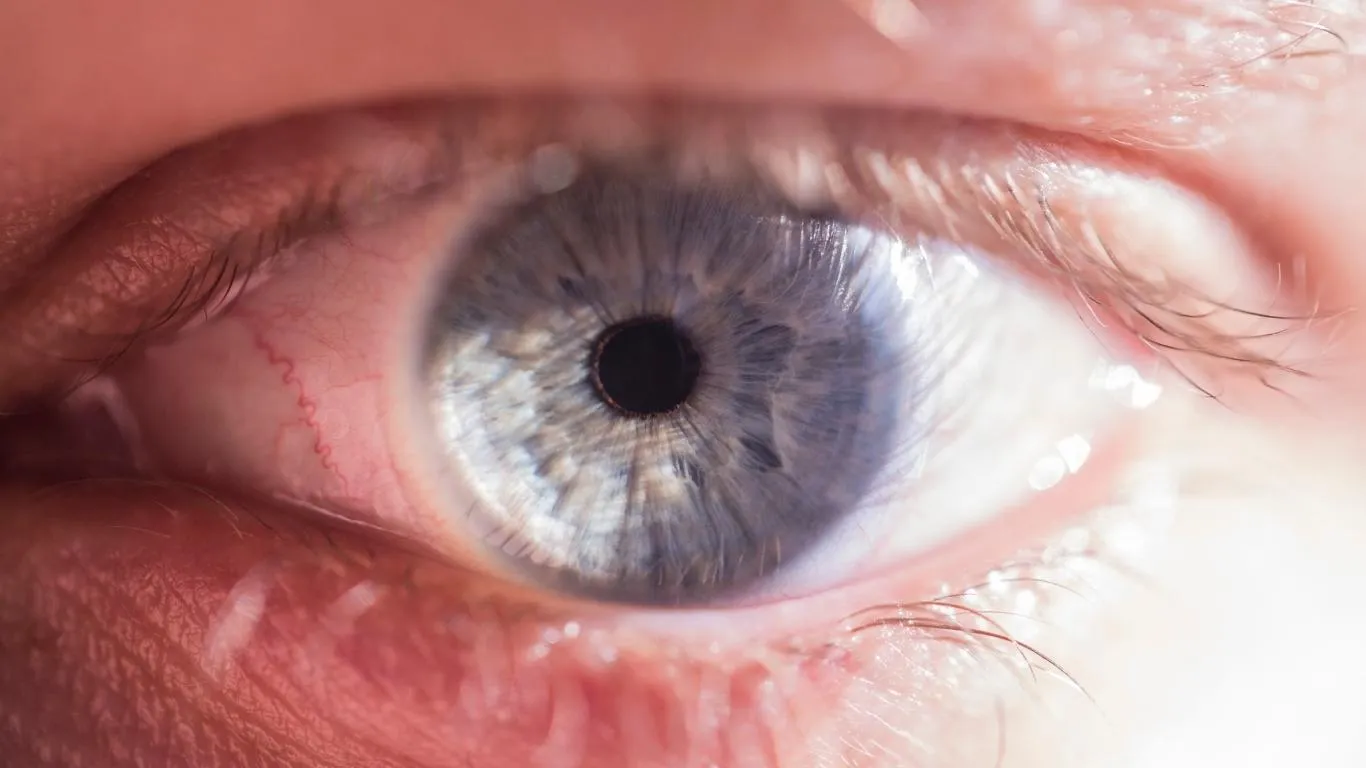
Floaters that appear suddenly, move faster, or come with light flashes in only one eye could be early signs of a retinal tear. It’s rare, but real. You don’t want to wait it out if this happens. I know someone who ignored these exact symptoms—by the time she got help, she needed emergency retinal surgery.
When eye floaters are dangerous is one of the most important reads I’ve come across. It outlines red flags every floater-prone person should know.
Bottom line? Floaters in one eye are often harmless but can occasionally mean something more. Keep an eye on them (literally), notice patterns, and don’t hesitate to bring it up with your ophthalmologist.
If you haven’t already explored the full scope of floaters and their many causes, I highly recommend starting with the core article on causes and symptoms of eye floaters. And for specific triggers like aging and injuries, this piece on common causes of floaters ties it all together.

Camellia Wulansari is a dedicated Medical Assistant at a local clinic and a passionate health writer at Healthusias.com. With years of hands-on experience in patient care and a deep interest in preventive medicine, she bridges the gap between clinical knowledge and accessible health information. Camellia specializes in writing about digestive health, chronic conditions like GERD and hypertension, respiratory issues, and autoimmune diseases, aiming to empower readers with practical, easy-to-understand insights. When she’s not assisting patients or writing, you’ll find her enjoying quiet mornings with coffee and a medical journal in hand—or jamming to her favorite metal band, Lamb of God.