Vitamin A Deficiency May Be the Hidden Cause of Your Floaters
For years, I brushed off the specks drifting through my vision as nothing more than a harmless quirk. But when they started getting more noticeable—especially during long days in front of the computer—I knew something was off. Turns out, those pesky floaters might’ve been my body’s way of waving a red flag. And surprisingly, the root cause wasn’t just aging or screen time. It was something as simple—but vital—as a nutritional gap. Let’s talk about floaters as a symptom of vitamin A deficiency—because this is more common than most people think, and it’s rarely discussed.
Can a Lack of Vitamin A Really Lead to Eye Floaters?
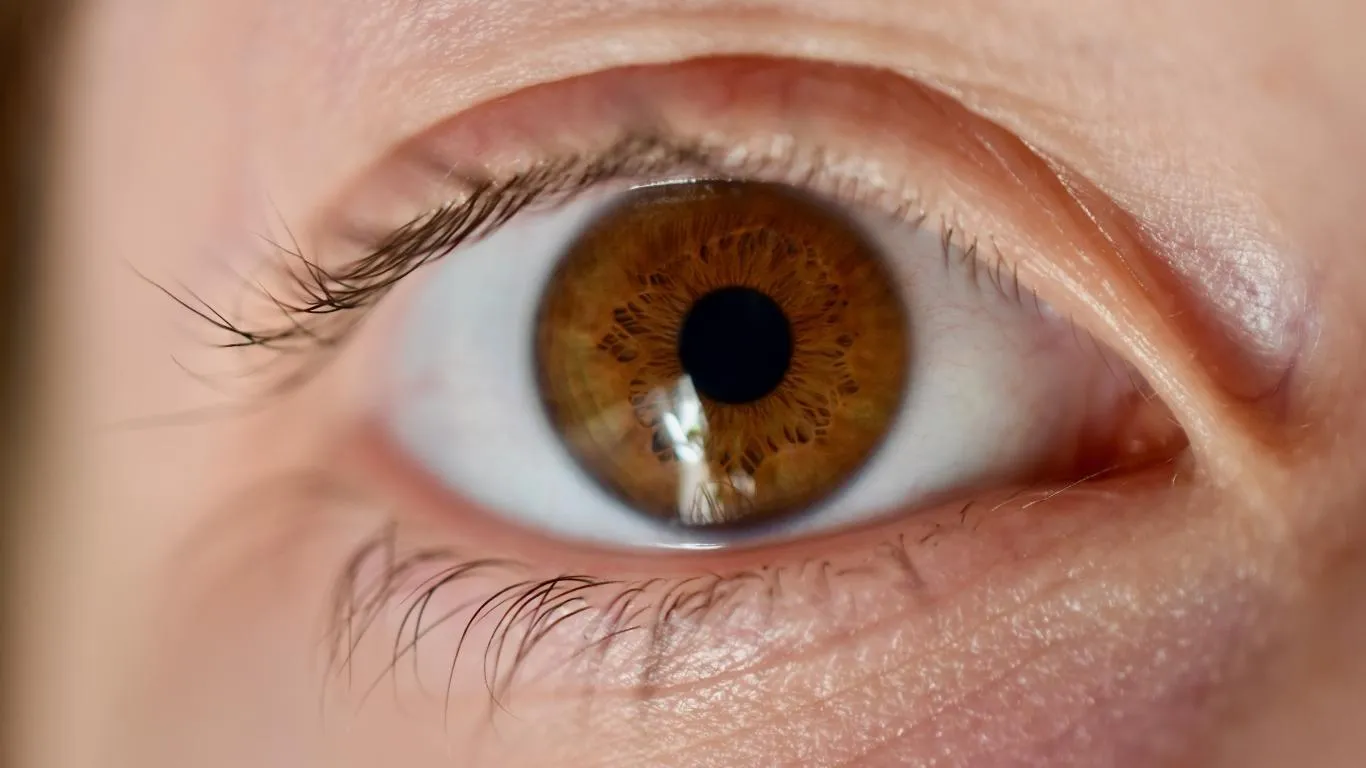
At first glance, the connection between vitamin A and those shadowy little blobs in your vision might seem like a stretch. But your eyes are incredibly sensitive to changes in nutrition—and vitamin A is one of the big players. While it’s well-known for preventing night blindness, what many overlook is how this nutrient supports the entire structure and function of the eye, including the vitreous humor—where floaters form.
When your vitamin A levels dip too low for too long, it can affect the eye’s internal moisture balance, lead to tissue degeneration, and disrupt how the vitreous body maintains its gel-like consistency. All of this creates the perfect storm for floaters to appear—or worsen.
How I Noticed the Difference
Before I started focusing on nutrition, my floaters seemed to multiply during weeks of stress, poor eating, or after several days of skipping veggies. A functional eye exam later, the ophthalmologist gently nudged me to look at my vitamin levels—especially vitamin A. That was the beginning of an eye-opening journey (pun fully intended).
Common Signs You’re Low on Vitamin A (That Most People Miss)
- Dry, irritated eyes—even in humid weather
- Night vision problems, like difficulty adjusting to low light
- Frequent floaters or sudden changes in floater patterns
- Light sensitivity or eye discomfort
- Skin issues and brittle nails (yes, they’re connected)
These symptoms often appear subtly and are easy to blame on fatigue or age. But if you’re seeing floaters along with any of these signs, it’s worth asking your healthcare provider to check your nutrient status.
How Floaters from Deficiency Differ from Other Causes
Not all floaters are created equal. When they’re caused by aging or trauma, they tend to stay static or develop gradually over months. But floaters linked to deficiencies can be more sporadic—appearing suddenly during nutritional dips, and improving slightly when your diet improves or supplements kick in.
Some people even report floaters worsening during fasting or crash diets—another clue that nutrients play a direct role. In fact, a study on nutrient-linked ocular symptoms showed that chronic deficiencies can accelerate vitreous degradation, increasing floater frequency and density.
More Than Just Floaters: The Bigger Eye Health Picture
Vitamin A also supports the cornea, retina, and mucous membranes of the eye. Without enough of it, you’re not only dealing with floaters, but possibly paving the way for bigger concerns like:
- Corneal ulcers
- Progressive night blindness
- Increased risk of infections like conjunctivitis
If you’ve had floaters with dry or inflamed eyes, it might not be a coincidence. This is especially relevant for those recovering from eye infections or managing autoimmune conditions like lupus or thyroid disorders where vitamin absorption may be impaired.
Are You at Risk of Vitamin A Deficiency?
While vitamin A deficiency is rare in developed countries, functional deficiencies—where levels are technically “normal” but not optimal—are more common than people realize. You might be at risk if:
- You follow a vegan or very low-fat diet (since vitamin A is fat-soluble)
- You have a history of digestive issues like IBS or Crohn’s
- You take certain medications that affect fat absorption
- You rarely eat liver, eggs, dairy, or orange-colored vegetables
Women during pregnancy, and adults over 40, also tend to experience a decline in absorption efficiency. Combine that with a modern diet, and you’ve got a recipe for vision trouble.
The Floaters I Had in My 30s vs. My 40s
Back in my early 30s, I had the occasional floater—but nothing major. Once I hit 40, especially during periods of stress or skipped meals, I noticed bursts of floaters that lingered for weeks. Supplementing with retinol and increasing foods like spinach, sweet potatoes, and egg yolks helped reduce both the frequency and intensity over a few months.
According to experts, that’s not uncommon. A closer look at floaters in your 40s reveals that nutrient reserves play a bigger role than most eye care routines account for.
Should You Supplement or Just Eat Better?
Diet is always the foundation. But if you suspect a deficiency—or your floaters are starting to disrupt daily life—it’s worth testing your serum retinol levels. Supplements can help, but they’re not one-size-fits-all. Too much vitamin A can be toxic, so dosage matters.
I personally started with food, then added a low-dose supplement under the guidance of a nutritionist. I also monitored other nutrients that work alongside vitamin A—like zinc and vitamin E—to support proper absorption. Floaters may not vanish completely, but mine became fewer and less noticeable within 90 days.
For a more complete breakdown on identifying floater causes, this guide on when floaters signal something serious is an important read.
And if you want a comprehensive overview on what causes floaters in general, start with this main eye floater article and the core pillar on eye floater causes to explore more angles.
How to Rebuild Eye Health When Floaters Are Tied to Deficiency
Once I connected the dots between my floaters and a possible lack of vitamin A, it felt less overwhelming and more manageable. But fixing it wasn’t just about downing a few supplements—it took a shift in how I approached my overall wellness. That’s the thing about floaters related to nutritional deficiency: you can’t just patch the symptom, you’ve got to nourish the system.
So where do you start if your floaters seem to be whispering, “Hey, you’re low on something important?” Here’s the practical, food-first strategy that helped me, and what experts are starting to encourage more of.
Food Sources That Actually Made a Difference
I’m not a nutritionist, but I did spend a lot of time talking to one after my floaters flared up last year. Turns out, it’s not just about eating carrots (though yes, beta-carotene does help). The magic came from mixing animal and plant-based sources for balanced absorption:
- Liver (once a week): It’s not everyone’s favorite, but it’s loaded with preformed vitamin A (retinol).
- Egg yolks: I went from avoiding them to loving them—rich in bioavailable A and healthy fats.
- Dark leafy greens: Spinach and kale became part of every lunch salad.
- Sweet potatoes & butternut squash: Great sources of beta-carotene, especially when paired with olive oil or avocado.
The key? Fat. Since vitamin A is fat-soluble, eating these foods with healthy fats improved how much my body actually used. I also learned that low zinc levels can interfere with vitamin A absorption, so I added pumpkin seeds and lentils regularly too.
When Floaters Are More Than Just a Vitamin A Problem
If you’ve been eating right but the floaters are still having a party in your vision, it might not just be vitamin A. Several systemic issues can mimic deficiency symptoms or prevent nutrients from being used correctly:
- Thyroid dysfunction: Sluggish thyroid can reduce vitamin conversion.
- Chronic gut inflammation: Conditions like IBS, SIBO, or Crohn’s interfere with absorption.
- Autoimmune flares: These can hijack your body’s nutrient priorities.
I learned this the hard way when I tried to fix everything with diet alone. It wasn’t until I worked on reducing inflammation and improving gut health that the floaters actually started to fade. Articles like this one on floaters in autoimmune disease helped me ask better questions at my next doctor visit.
Should You Get Lab Tests?
If your floaters came on suddenly or worsened quickly, and you’ve been dealing with fatigue, skin issues, or eye dryness, it might be time for a full nutrient panel. Ask for:
- Serum retinol (vitamin A)
- Zinc and vitamin E (they help A do its job)
- Ferritin and iron (often low in similar cases)
- Thyroid panel and inflammatory markers
Getting these results gave me peace of mind and a more targeted approach. And they confirmed that my floaters weren’t just age-related—they were a gentle nudge from my body to nourish better.
Quick Lifestyle Shifts That Made Floaters Less Noticeable
Here’s what helped make floaters less prominent (and more manageable) on a daily basis:
- Hydration: Sounds basic, but I was chronically under-drinking. Upping my water intake made a real difference.
- Lighting adjustments: Bright, indirect light reduced the contrast that made floaters pop.
- Blue light filters: I now wear blue light glasses when I work late. Less screen strain = fewer floater flares.
- Eye-friendly breaks: I follow the 20-20-20 rule religiously—every 20 minutes, I look 20 feet away for 20 seconds.
And yes, I still have the occasional floater—but now I know why, and I have tools to keep them from taking over my view. If you’re dealing with recurring or worsening floaters, especially with nutrient-deficiency symptoms, read this article on how stress impacts floaters too. Because it’s all connected.
Who Should Be Most Cautious About Nutrient-Linked Floaters?
While floaters from vitamin A deficiency can happen to anyone, there are certain groups that need to be extra aware:
- Vegans and vegetarians: Plant-based diets need proper beta-carotene to retinol conversion—something not everyone does efficiently.
- Frequent dieters: Restrictive diets or low-fat plans can unintentionally cut vitamin A intake.
- Women post-menopause: Hormonal shifts affect both vision and nutrient use.
- People with chronic inflammation: Conditions like lupus or thyroid disease can block absorption, making deficiencies more likely.
It’s no coincidence that floaters post-menopause are on the rise—nutrition and hormones are deeply tied to eye health.
How Long Until You See Results?

That’s the million-dollar question, right? For me, it took about 8–10 weeks before I noticed a real improvement in floater behavior. They didn’t fully vanish, but they stopped increasing, and the ones I had became less intrusive.
Floaters caused by nutritional gaps won’t vanish overnight—especially if the deficiency has been around for a while. But with consistent effort, dietary improvements, and targeted support, many people report gradual fading and fewer distractions over time.
If you’ve tried it all and the floaters still persist, it’s worth reading this comprehensive guide to treatment options. Just remember—sometimes, the best first step is to look at what’s missing from your plate.

Camellia Wulansari is a dedicated Medical Assistant at a local clinic and a passionate health writer at Healthusias.com. With years of hands-on experience in patient care and a deep interest in preventive medicine, she bridges the gap between clinical knowledge and accessible health information. Camellia specializes in writing about digestive health, chronic conditions like GERD and hypertension, respiratory issues, and autoimmune diseases, aiming to empower readers with practical, easy-to-understand insights. When she’s not assisting patients or writing, you’ll find her enjoying quiet mornings with coffee and a medical journal in hand—or jamming to her favorite metal band, Lamb of God.