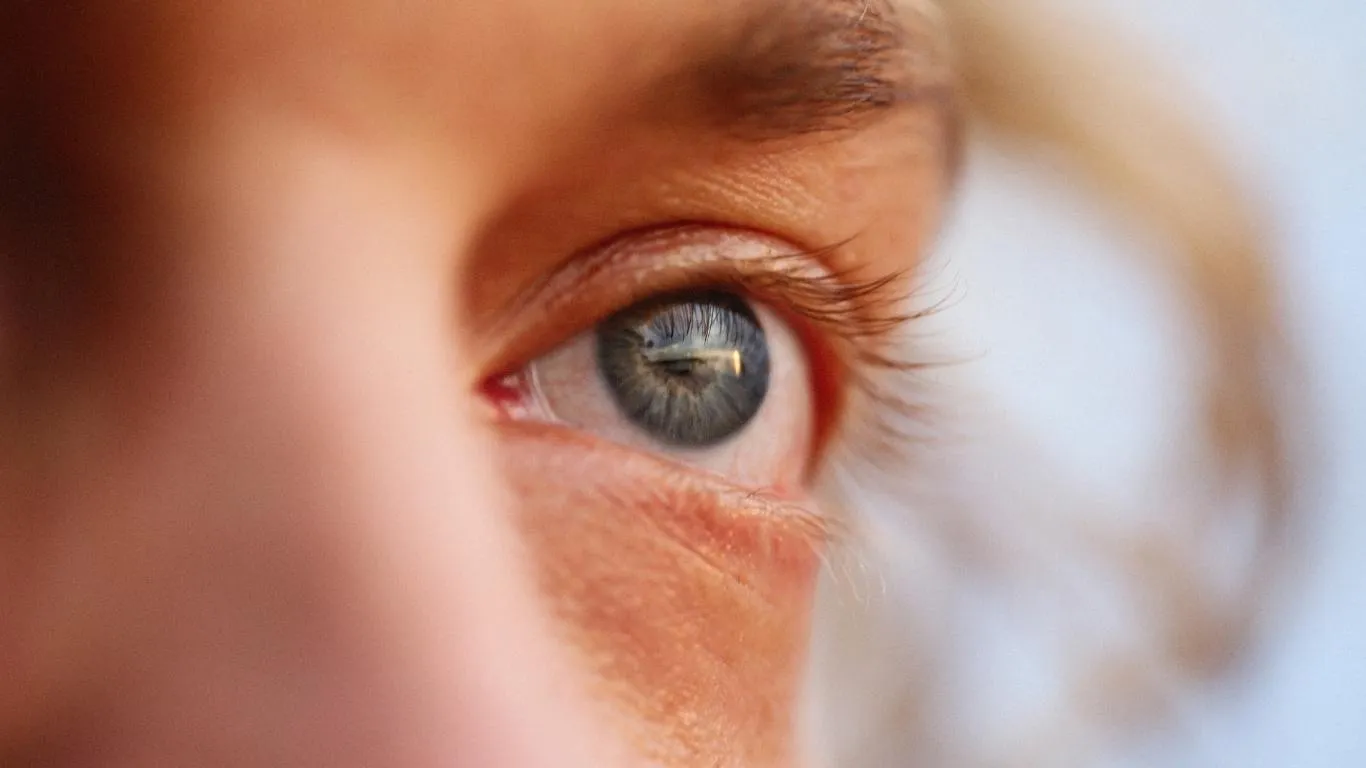
Floaters Before Retinal Tear Could Be a Serious Warning Sign
Not long ago, I was sitting at my desk, sipping coffee, when I noticed a little squiggly shadow floating across my vision. I blinked, rubbed my eyes, and looked around. Still there. If you’ve ever seen those floating specs, threads, or cobwebs in your sight—especially after sudden eye movement—you probably know the weird mix of curiosity and mild concern they bring. But when do these harmless floaters signal something more serious, like a retinal tear? That’s a question I found myself asking—and it turns out, it’s not one to ignore.
Understanding What Floaters Actually Are

Floaters are those tiny visual disturbances that drift around in your field of vision. Most of the time, they’re caused by the natural breakdown of the vitreous—the gel-like substance that fills your eyeball. This process is called posterior vitreous detachment (PVD), and it happens to most people as they age.
But here’s where it gets a bit dicey: not all floaters are innocent. Sometimes, especially when they appear suddenly or in clusters, they could be a red flag for something more serious—like a retinal tear.
Are Floaters Before a Retinal Tear Common?

In some cases, floaters are the very first warning sign of a retinal tear. When the vitreous pulls away from the retina, it can tug hard enough to create small rips or tears. This is more likely if the vitreous is unusually sticky or the retina is already weakened. If you’ve recently noticed a sudden shower of floaters—especially if they’re dark or accompanied by light flashes—you should consider it an ophthalmic emergency.
Retinal tears can lead to retinal detachment, which is a serious condition that may cause permanent vision loss if not treated promptly. So yes, floaters before a retinal tear can absolutely be a thing, and it’s one that deserves your attention.
Who’s Most at Risk of Retinal Tears With Floaters?
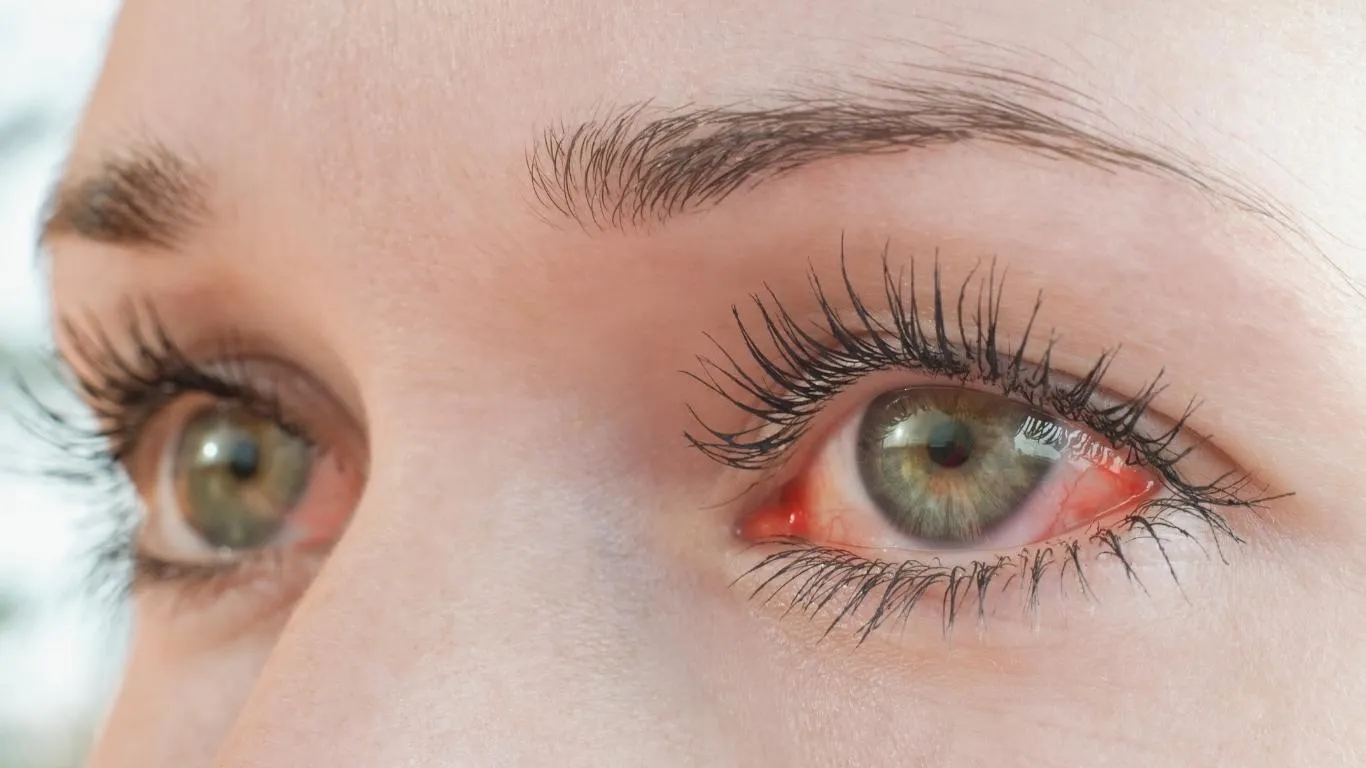
While anyone can develop floaters, certain groups are more vulnerable to retinal tears when they appear:
- People over 50: Age-related vitreous shrinkage increases risk.
- Those with high myopia (nearsightedness): Longer eyeballs can strain the retina.
- Individuals who’ve had eye trauma: Even minor injuries can stress the retina.
- Patients post-cataract surgery: Sudden vitreous changes post-op can lead to tears.
- Family history of retinal detachment: Genetics can definitely play a role.
Some research also suggests that those with systemic conditions like diabetes or autoimmune diseases may be more prone to retinal complications, although this varies depending on severity and eye health status [American Academy of Ophthalmology].
How to Tell If Floaters Are Serious
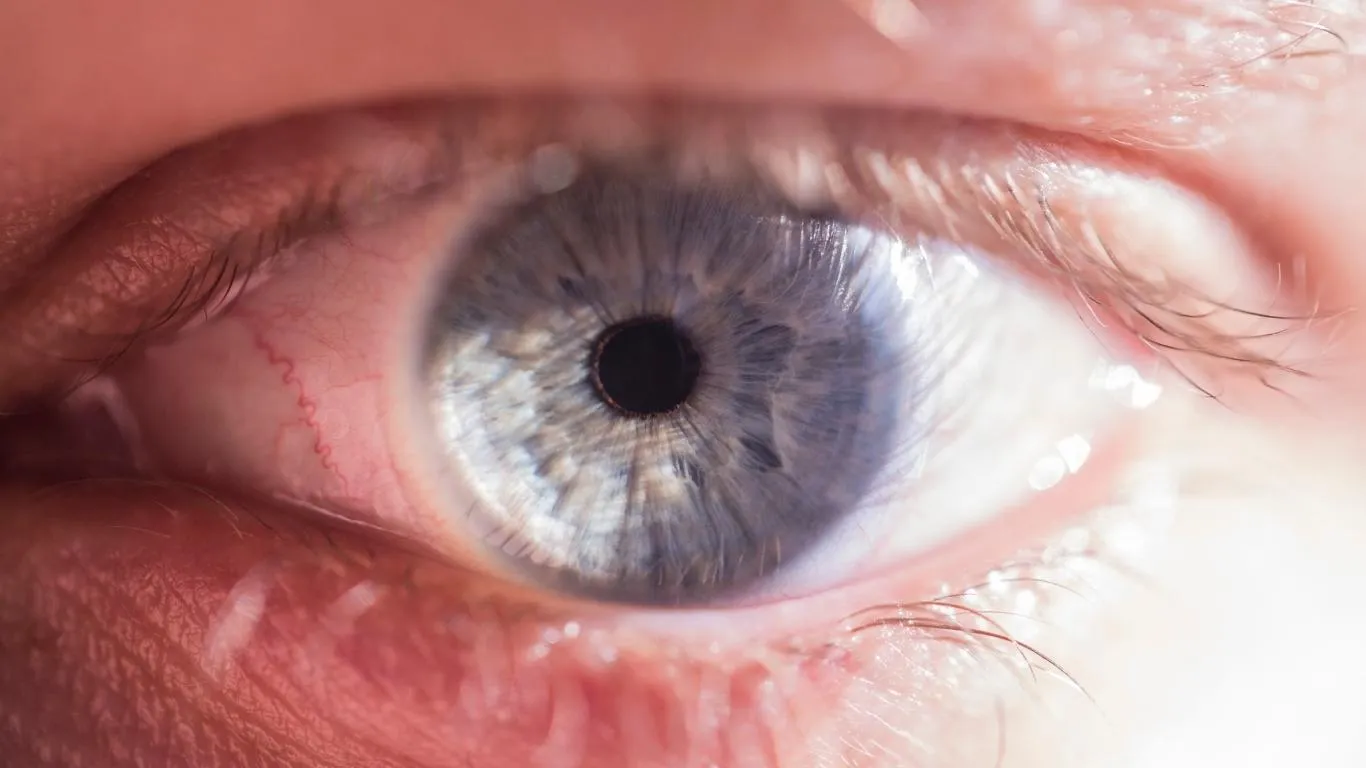
This was the part that really hit home for me—because for a long time, I brushed off new floaters as just another part of getting older. But there are certain signs you shouldn’t ignore. These include:
- Sudden burst or “shower” of floaters
- Flashes of light, especially in your peripheral vision
- A dark curtain or shadow moving across your field of vision
- Blurred vision or decreased visual clarity
If any of these occur, don’t wait. You need an immediate eye exam, ideally with pupil dilation, to check for retinal tears or detachment. Some cases may even require urgent laser surgery to prevent progression.
If you’re unsure whether your floaters are normal or not, you can check this detailed breakdown on when floaters signal danger.
What Does an Eye Exam Look Like After Sudden Floaters?

When I went in after noticing my own visual floaters had changed, the ophthalmologist used a dilated eye exam to get a better look at my retina. This process involves:
- Administering drops to widen the pupils
- Using a special light and magnifying lens to inspect the retina and vitreous
- Sometimes performing optical coherence tomography (OCT) for more detail
In many cases, doctors may perform a scleral depression test to visualize the peripheral retina, where tears most commonly occur. This can feel mildly uncomfortable but is quick and vital in catching serious issues early.
It’s also helpful to keep track of changes and symptoms using a floaters log or journal—just noting down when you see new ones or changes in shape, brightness, or frequency. Believe me, it helps your doctor more than you’d expect.
Why You Shouldn’t Panic, But Definitely Shouldn’t Ignore It
Most floaters are just annoying but benign. Still, the key is knowing when they’re trying to tell you something more. Floaters before a retinal tear aren’t common—but they do happen. Being informed gives you the power to take quick action if needed.
For a deep dive into how floaters develop and how to manage them, this is one of the best foundational guides: What Are Eye Floaters? Causes, Symptoms, and Treatment Options.
You can also explore possible causes behind other unexpected floater triggers like head injury, stress, or even dehydration. These may not always signal a retinal tear but still deserve medical attention depending on your overall eye health.
What Happens If a Retinal Tear Is Found?

When a retinal tear is detected early—before detachment sets in—treatment is often straightforward and highly effective. The go-to options include:
- Laser photocoagulation: This outpatient procedure uses a laser to seal the tear by creating tiny burns around it, forming scar tissue that prevents fluid from seeping through.
- Cryotherapy (freezing treatment): An alternative method where the tear is frozen from outside the eye to create a similar protective seal.
I know the idea of laser or freezing your eyeball sounds terrifying (I was sweating buckets in the waiting room), but most patients, myself included, find these treatments quick and surprisingly painless. You’re usually in and out in under an hour—and your vision might only be slightly blurry for a few hours post-procedure.
However, if the tear progresses to retinal detachment, that’s a different ballgame requiring more invasive surgery like a vitrectomy or scleral buckle. That’s why catching floaters related to a tear early really matters.
What If You Don’t Treat a Retinal Tear Promptly?
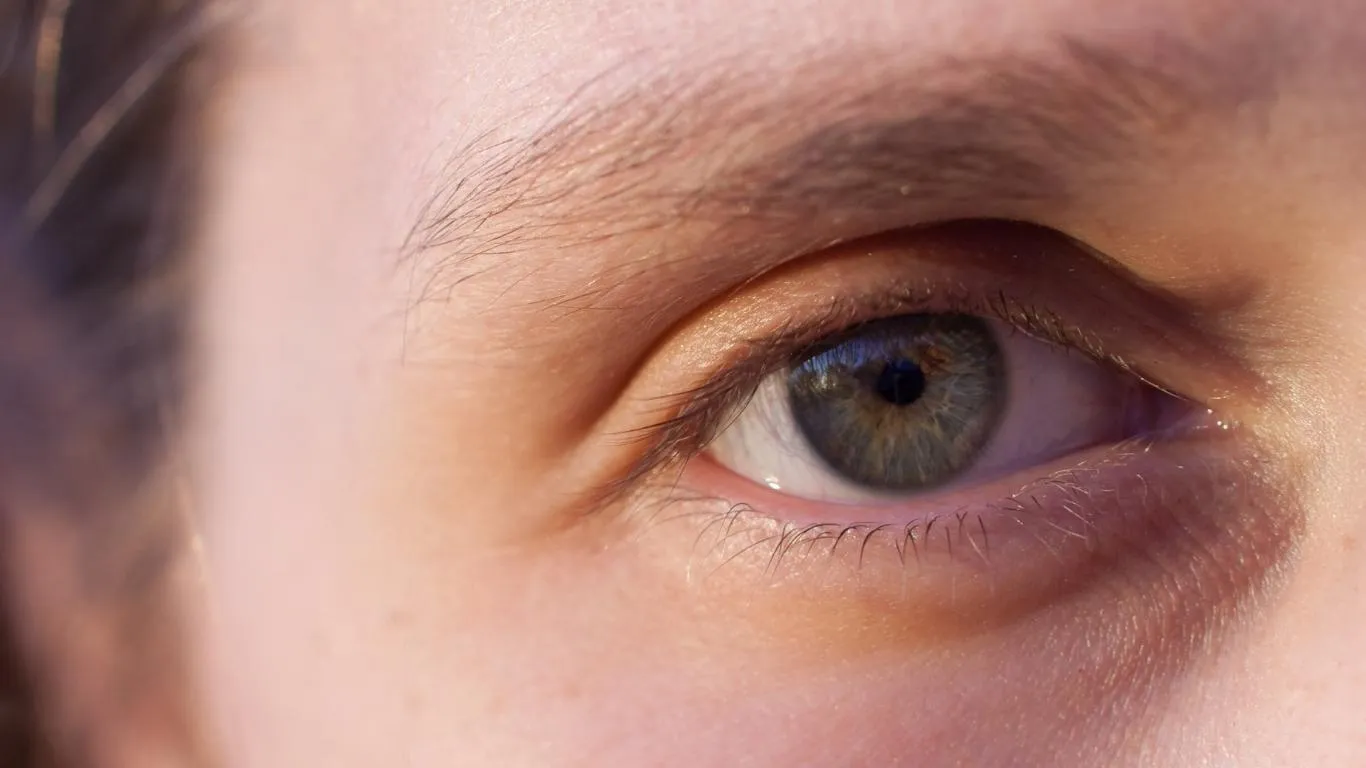
Neglecting a retinal tear—especially one that’s actively leaking fluid—can lead to full-blown retinal detachment. And once the retina starts peeling away from the back of the eye, it can cause permanent damage to your vision.
Common complications of untreated retinal tears include:
- Severe vision loss in the affected area (peripheral or central)
- Permanent blind spots or “curtains” of darkness
- Macular involvement, which affects the sharpest central vision
In some cases, even prompt surgery can’t fully restore lost vision if detachment has been present too long. That’s why any sudden increase in floaters, especially with flashes, deserves a same-day checkup.
Living With Floaters After a Retinal Tear
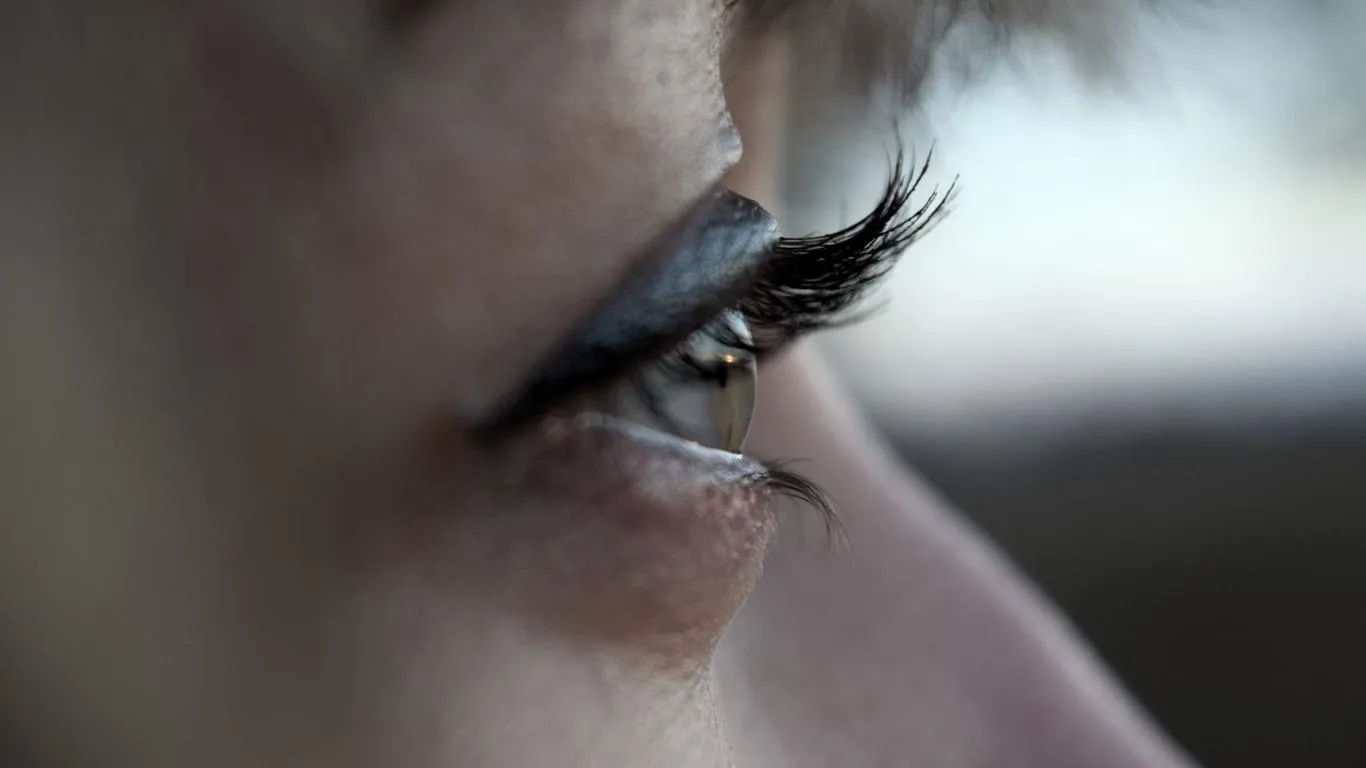
After treatment, you might still see floaters, and they can be unnerving. It took me weeks to stop fixating on mine (pun fully intended). But with time, your brain learns to ignore them—or at least not panic every time they float by.
Still, it’s a good idea to:
- Monitor changes and track new symptoms
- Get regular dilated exams—especially if you’re high-risk
- Avoid intense physical strain for a few weeks post-treatment
- Protect your eyes from injury or sudden pressure changes
Floaters can also worsen temporarily due to eye dryness, fatigue, or certain medications. If you’re noticing increased floaters without clear cause, check out whether your eye drops might be to blame or explore other health factors that affect the eyes.
Can You Prevent Retinal Tears in the Future?

While not all retinal tears can be prevented, you can reduce your risk with smart eye care habits:
- Get annual eye exams, especially after age 50
- Report any visual changes immediately
- Control chronic health conditions like diabetes or hypertension
- Avoid trauma—even sports injuries or sudden jerky movements matter
- Use protective eyewear in high-risk environments
If you’ve already had a retinal tear or detachment in one eye, your other eye is automatically considered at higher risk. Regular retinal imaging and close monitoring become even more critical in that case.
Also, learn to distinguish between harmless age-related floaters and those that demand urgent care. This guide on eye floater symptoms you shouldn’t ignore is a must-read if you want to stay ahead of problems.
When to Call Your Eye Doctor Immediately

Here’s a quick checklist I keep in mind—and honestly, it’s saved me more than once:
- New floaters, especially sudden or multiple
- Flashes of light or sparks even in dim light
- A shadow or dark curtain moving across vision
- Any rapid visual loss or blurry areas
Most eye doctors take these symptoms very seriously, and many will prioritize you for a same-day exam. Don’t wait until tomorrow. Eyes are precious—and retinal tears don’t come with second chances.
For a full breakdown on floater-related eye conditions and treatment paths, don’t miss our main pillar resource: Eye Floater Treatments: From Observation to Surgery.

Camellia Wulansari is a dedicated Medical Assistant at a local clinic and a passionate health writer at Healthusias.com. With years of hands-on experience in patient care and a deep interest in preventive medicine, she bridges the gap between clinical knowledge and accessible health information. Camellia specializes in writing about digestive health, chronic conditions like GERD and hypertension, respiratory issues, and autoimmune diseases, aiming to empower readers with practical, easy-to-understand insights. When she’s not assisting patients or writing, you’ll find her enjoying quiet mornings with coffee and a medical journal in hand—or jamming to her favorite metal band, Lamb of God.