
Why Floaters Caused By Sudden Eye Muscle Tension Shouldn’t Be Ignored
If you’ve ever had one of those days where you’re squinting hard at a screen, grinding through deadlines, and then—bam—you start seeing tiny specks or cobweb-like shadows drifting through your vision, you’re not alone. That used to happen to me often, especially after long sessions staring at spreadsheets with barely a blink. At first, I thought I was just tired. But it turns out, there’s a connection that many people overlook—those annoying floaters might be linked to something as simple as sudden tension in your eye muscles.
Can Sudden Eye Muscle Tension Really Cause Floaters?
It’s not something most eye doctors will tell you during your average check-up, but yes—there is increasing evidence and anecdotal support suggesting that *sudden eye muscle tension* can play a triggering role in the onset of eye floaters. The muscles around your eyes—especially the ciliary and extraocular muscles—are constantly adjusting to focus and stabilize vision. When those muscles tense up abruptly, say during a stress spike or while reading on a moving train, it might cause stress in the vitreous body inside your eye, leading to floaters appearing suddenly.
One day I caught myself squinting hard at my laptop after a late-night coding binge. The next morning, dark specks were floating around my field of vision. That got me looking deeper. Turns out, a lot of people in high-focus professions experience similar symptoms. The mechanics make sense, too.
Understanding the Tension-Floater Chain Reaction
When you suddenly strain your eyes—either by holding your gaze too long without blinking or by engaging in visually intensive activities without breaks—it can increase intraocular pressure temporarily. This pressure, combined with rapid contraction of surrounding muscles, can tug on the vitreous humor. And if you’re already dealing with early-stage vitreous syneresis (which happens with age), it doesn’t take much to trigger new floaters.
According to a study by the NIH, eye stress is more than just a discomfort—sustained tension may also impact the retinal structure over time, especially if you already have myopia or spend hours staring at digital screens daily.
Common Triggers That Spike Eye Muscle Tension
So what kinds of situations lead to this type of muscle tension? Based on both research and experience, here are the usual suspects:
- Screen fatigue – Excessive screen time without blinking or changing focus
- Improper lighting – Working in dim environments forces extra strain
- Stress and anxiety – Mental tension often translates into physical eye tension
- Poor posture – Leaning forward or slouching while focusing intently
- Sudden eye movements – Quickly looking from one object to another
Floaters in these cases may not be permanent, but they can be jarring. And for some, like me, the worry about “what if this is something serious?” adds to the tension—making things worse.
Are These Floaters a Warning Sign?
While many floaters caused by tension or fatigue are benign, not all should be ignored. The tricky part is distinguishing harmless ones from signs of more serious issues. If your floaters came on after a rough day of screen time and they fade over a few days, you’re probably okay. But if they’re accompanied by flashes of light or peripheral vision loss, it could be a retinal issue. Articles like this breakdown on retinal holes and floaters can help you assess more critically.
Floaters That Come and Go After Muscle Tension
One of the strangest things I noticed early on was how the floaters would disappear completely after a good night’s sleep—or after a weekend away from screens. That kind of floaters-on-Monday, clear-vision-on-Sunday pattern seemed too consistent to be random. And it’s something discussed in this piece on why floaters fade with rest.
The cycle made me realize how closely our eye health ties in with rest, hydration, and stress levels. Your body sends warning signals, and sometimes they just happen to float in front of your vision.
Is There a Way to Prevent These Tension-Induced Floaters?
While there’s no foolproof way to stop floaters altogether, especially the kind linked to age-related vitreous changes, there are simple ways to reduce the chances of tension-triggered floaters:
- Practice the 20-20-20 Rule: Every 20 minutes, look at something 20 feet away for 20 seconds.
- Stay hydrated: Dehydration is known to exacerbate vitreous clumping (learn more here).
- Take vision breaks: Step away from your screen at least once an hour.
- Adjust screen lighting: Avoid working in overly bright or dim settings.
- Try eye yoga or massage: Gentle circular massage around the eyes can relax tension and improve circulation.
Trust me, adding just a few of these changes helped reduce not just my floaters, but also those late-day headaches I thought were normal.
When It’s Time to Talk to a Specialist
If floaters persist or increase rapidly, or if you’re seeing odd light patterns, it’s smart to consult a specialist. Articles like this one explain how some floaters exist without any other symptoms—but that doesn’t always mean you can ignore them.
For a broader overview of what symptoms you shouldn’t ignore, check out this detailed guide from Healthusias.
Understanding the Bigger Picture Behind Floaters
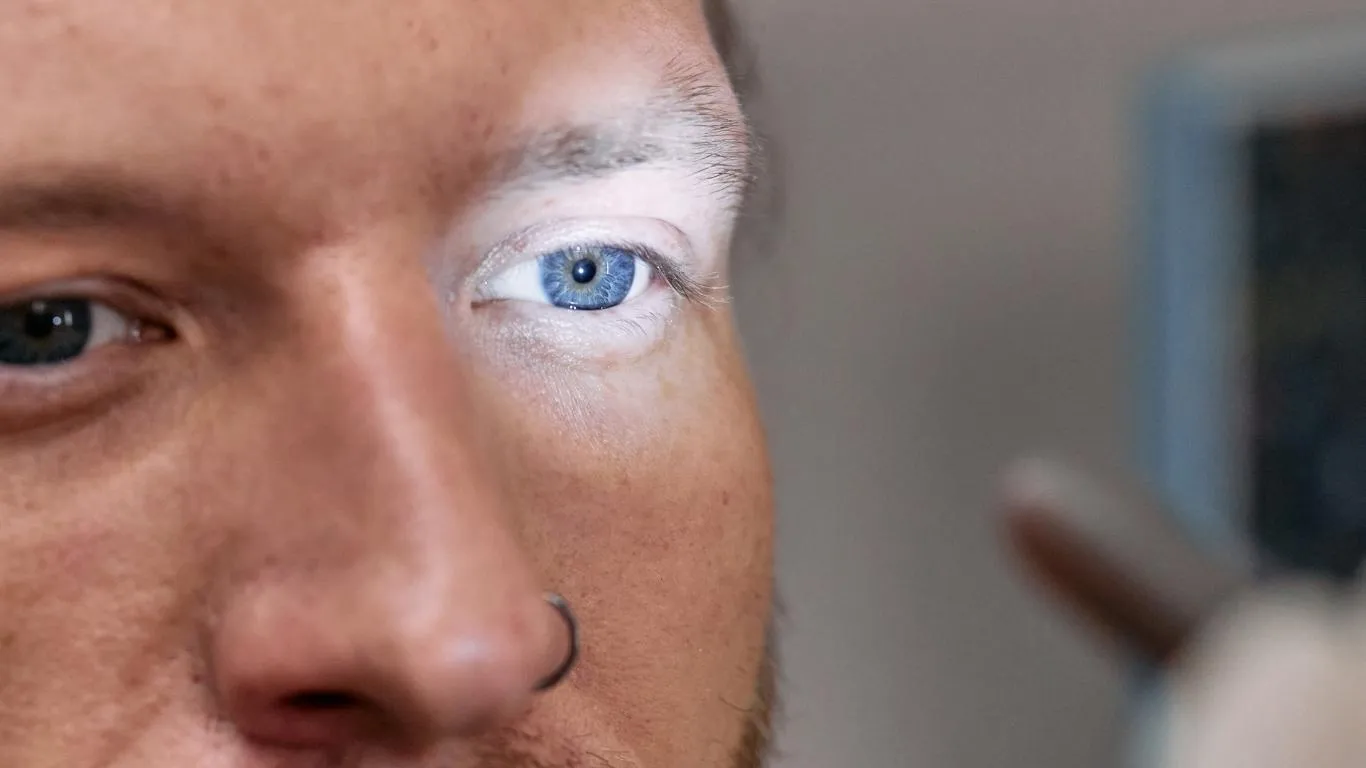
Floaters, regardless of the cause, are often part of a bigger story about your eye health. Tension-induced floaters might be your body’s way of signaling that you’re overdoing things. And for those who sit behind screens all day (guilty!), these are signs that shouldn’t be brushed off. Especially when compounded with other risk factors like myopia, aging, or a history of eye injury. You might find this foundational piece from Healthusias helpful: What Are Eye Floaters? for a more in-depth understanding.
Also, don’t miss this excellent breakdown on the common causes of floaters, which gives broader context if you’re wondering whether muscle tension is your main culprit—or just part of the picture.
What Happens Inside the Eye During Sudden Muscle Tension?
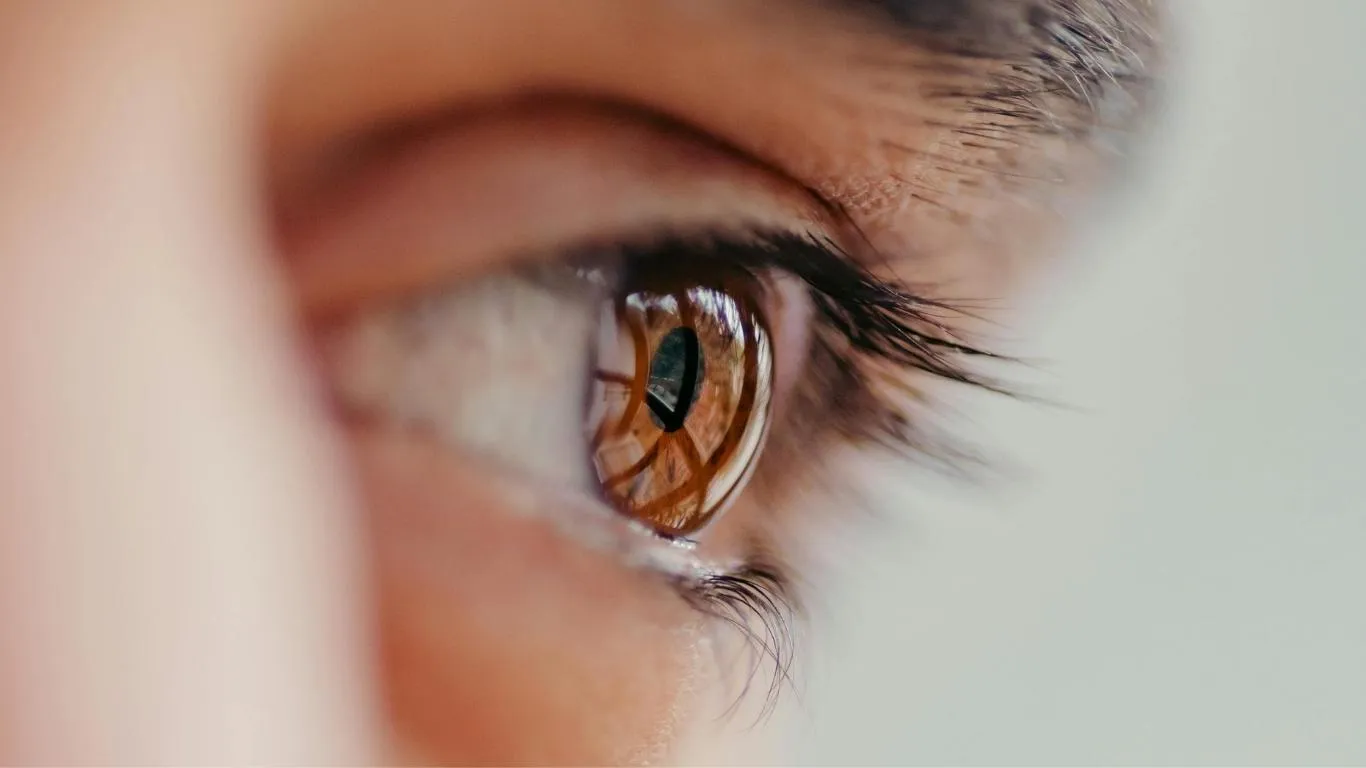
We often think of our eyes as these passive windows to the world, but they’re actually full of muscle activity. The extraocular muscles control movement, while the ciliary muscles help your eyes focus. When tension strikes fast—like during intense concentration, stress, or awkward posture—these muscles can contract hard. That sudden contraction doesn’t just affect the surface; it can transmit pressure to the vitreous gel inside the eye, where floaters originate.
When the vitreous is already degenerating due to age or dehydration, even a small tug can cause collagen fibers within the vitreous to clump or detach. That’s what creates the shadows you see as floaters. I once experienced this during a long flight, squinting at my tablet in poor lighting. The floaters appeared the next day and took weeks to settle down. If you’ve had something similar, you’re far from alone. It’s more common than most people realize.
Why These Floaters Often Appear Without Other Symptoms
Unlike floaters caused by retinal tears or hemorrhages, the ones triggered by muscle tension usually aren’t accompanied by vision loss or pain. They can be subtle, isolated, and sporadic. This is why many people dismiss them or assume they’re caused by dust or dryness. But there’s actually a name for this in some ophthalmology circles—*mechanical stress floaters*.
Resources like this piece explore why these types of floaters often confuse patients and doctors alike.
Floaters and the Role of Neck and Shoulder Tension
You might be surprised, but tension in your shoulders or neck can actually contribute to eye muscle stress. Poor posture or ergonomic strain—especially from laptop setups—can shift head position, leading to subtle misalignment of the eyes. This forces your eye muscles to compensate constantly. It’s like wearing the wrong prescription all day; the eyes are working overtime.
Some studies published on ncbi.nlm.nih.gov even show that cervical spine misalignment may reduce blood flow to the optic nerve and eye structures. In my case, floaters were worse after a weekend of slouching over my phone. It wasn’t until I started doing daily neck stretches and corrected my workstation that things improved noticeably.
When Muscle Tension Isn’t the Only Culprit
Sudden floaters don’t always have a single root cause. Sometimes it’s a combination of factors—eye fatigue, poor hydration, chronic stress, or even hormonal fluctuations. If you’ve noticed floaters that come and go with physical or emotional stress, there might be something bigger going on.
Check out this take on emotional triggers and floaters, or read up on how hormone shifts play a role at this resource.
How to Ease Eye Muscle Tension Naturally
If you’re like me and want to avoid heavy medications or surgery, there’s good news—most muscle-tension-induced floaters don’t require intervention. But reducing the strain consistently can keep them from getting worse or recurring. Here are a few techniques that worked wonders for me:
- Warm compresses over closed eyes twice a day to relax ocular muscles
- Palming technique: Rub your hands together, close your eyes, and gently cup them for 30 seconds
- Neck mobility exercises to relieve indirect pressure on eye coordination
- Guided relaxation or breathing routines to lower overall physical tension
These habits aren’t quick fixes, but when practiced regularly, they’ve helped reduce not just floaters but also daily eye fatigue. I now do a 5-minute stretch routine after lunch every workday—it makes a big difference by evening.
Can Nutrients Help Support Vitreous Health?
While the link between nutrition and eye floaters isn’t always obvious, there’s growing support for the role of diet in keeping the vitreous body clear and resilient. Lutein, vitamin C, zinc, and collagen-boosting nutrients have all been studied in this context. If your floaters are becoming more common, this list of eye supplements is a solid place to start.
You might also be interested in these dietary adjustments, especially if your eating habits have taken a backseat to your work schedule.
Don’t Ignore the Subtle Signals
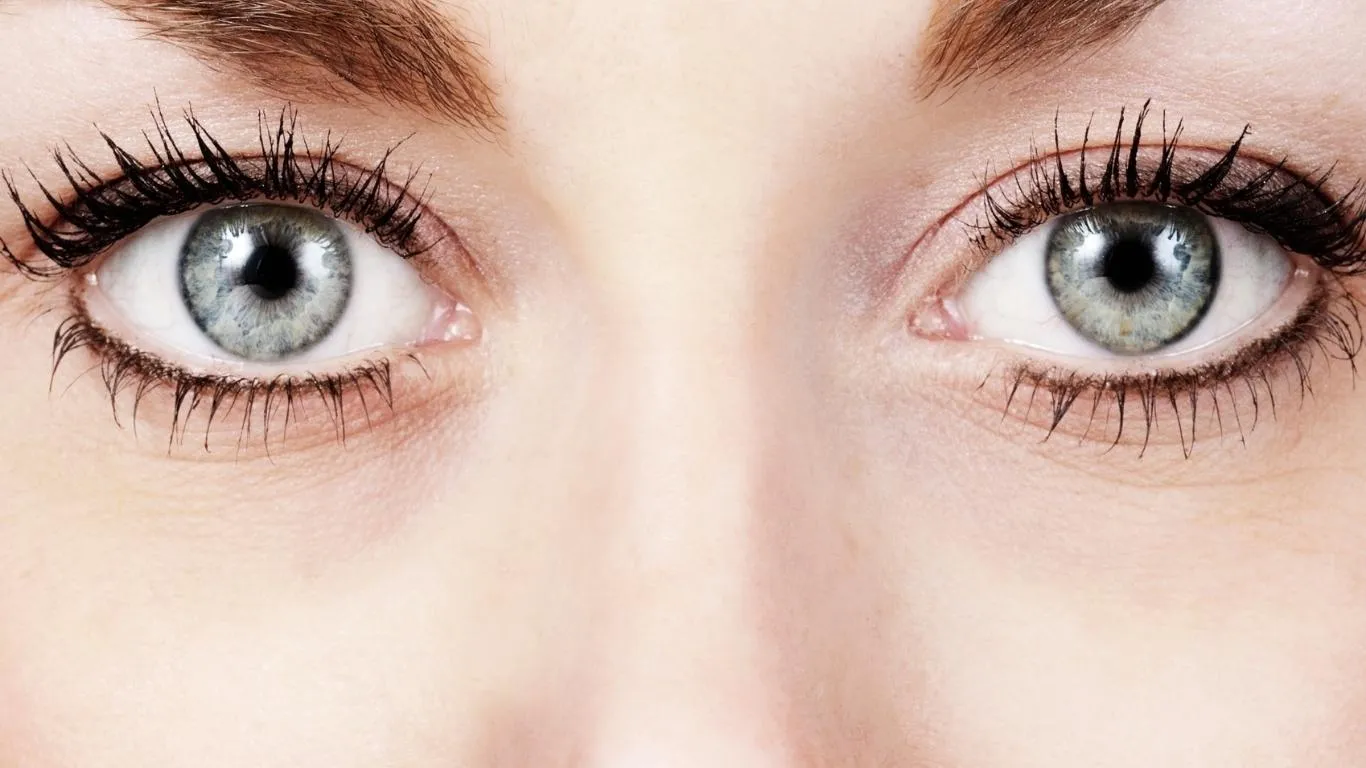
In my case, floaters were the nudge I needed to take better care of my eyes. It’s easy to overlook how much stress we put on our vision throughout the day. Whether it’s ten hours in front of a screen or scrolling through phones before bed, our eyes rarely get a break. And when the muscles around them tense up suddenly, floaters might just be the warning flag waving in our field of view.
Resources like this piece on post-injury floaters or floaters after intense tasks also shed light on how even routine exertion can tip things over.
When Should You Seek a Second Opinion?
Let’s be real—while most floaters from tension are harmless, you shouldn’t self-diagnose. If they persist longer than a few weeks, worsen, or are accompanied by other visual changes, see an ophthalmologist. Better to be overly cautious than risk missing a serious underlying issue like a posterior vitreous detachment or retinal tear.
The best way to prepare? Read up on dangerous floater signs and bookmark this treatment guide so you’re ready with the right questions if you ever do need an expert opinion.
Learn More From Trusted Sources
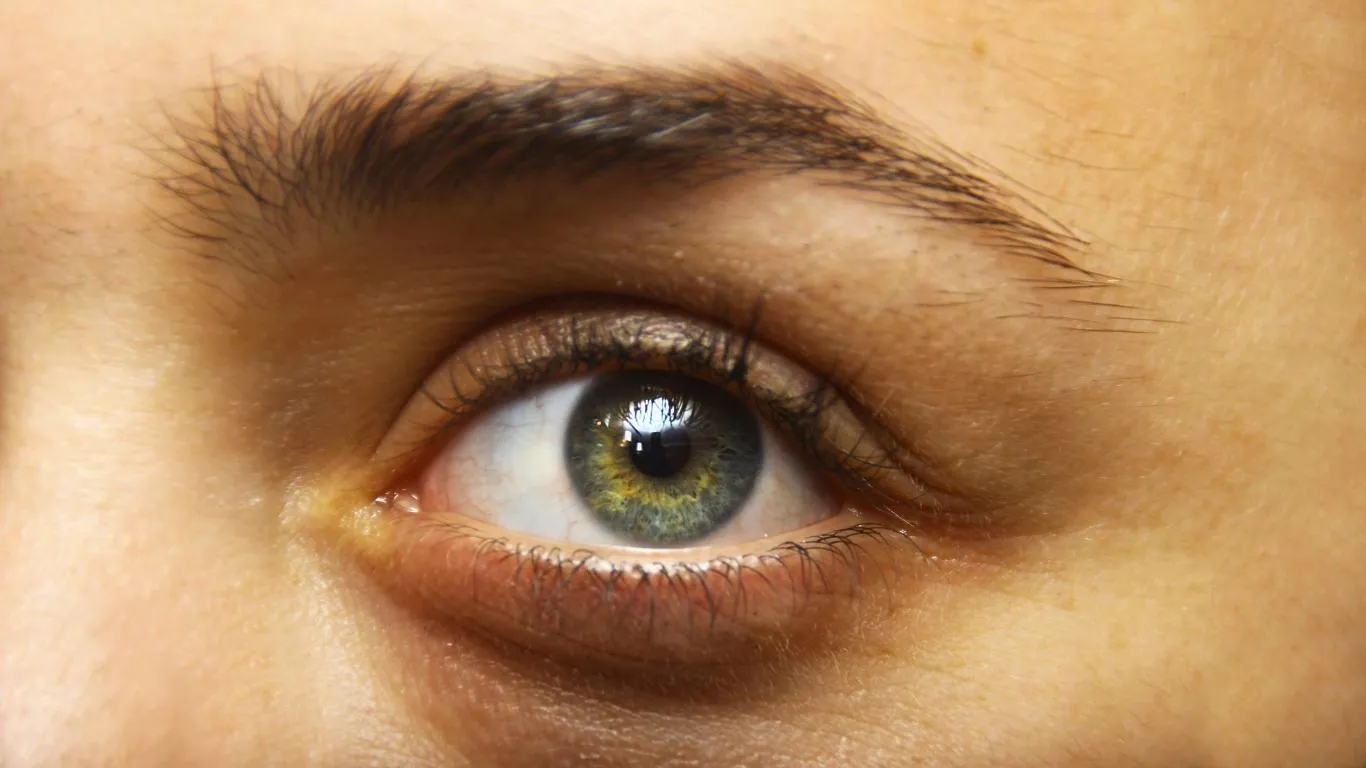
There’s still a lot we don’t know about floaters, but what we do know is worth sharing. If you’re just starting your journey to understand eye floaters and how tension plays a role, I highly recommend checking out the main floater overview as your go-to foundation.
Then explore this detailed article about the symptoms you shouldn’t ignore—you’ll walk away with clarity, not just about floaters, but your eye health overall.

Camellia Wulansari is a dedicated Medical Assistant at a local clinic and a passionate health writer at Healthusias.com. With years of hands-on experience in patient care and a deep interest in preventive medicine, she bridges the gap between clinical knowledge and accessible health information. Camellia specializes in writing about digestive health, chronic conditions like GERD and hypertension, respiratory issues, and autoimmune diseases, aiming to empower readers with practical, easy-to-understand insights. When she’s not assisting patients or writing, you’ll find her enjoying quiet mornings with coffee and a medical journal in hand—or jamming to her favorite metal band, Lamb of God.