Why Floaters During Calm Rainy Weather Feel More Noticeable
I’ll never forget the first time I noticed those squiggly shapes drifting lazily across my vision during a quiet rainy afternoon. It wasn’t sudden, nor was it alarming, but there was something oddly mesmerizing about watching those translucent floaters dance against the soft grey skies. Little did I know, this common visual phenomenon has layers of science—and even health implications—that often get overlooked, especially when they seem to pop up more vividly during calm, rainy weather.
Why Do Floaters Seem More Noticeable on Rainy Days?
Rainy days set a unique visual backdrop. The soft, diffused lighting eliminates harsh contrasts, making tiny imperfections in our vision—like floaters—stand out more prominently. Ever noticed how floaters almost vanish in dim rooms but suddenly appear when you look at a light-colored wall or cloudy sky? That’s no coincidence.
When the sky is overcast, the uniform grey tones act as a perfect canvas for floaters to reveal themselves. The vitreous humor inside our eyes, a gel-like substance, naturally contains small collagen fibers. As we age or after certain eye events, these fibers can clump together, casting shadows on the retina that manifest as floaters.
The Role of Light Diffusion
Direct sunlight or sharp artificial lights usually overwhelm our retina, washing out these faint shadows. But during a calm rainy day, the environment provides even, subdued lighting. This makes floaters feel more prominent because there are fewer light intensity fluctuations to mask them.
My Personal “Rainy Day” Floater Realization
Personally, I noticed floaters most vividly during a lazy Sunday rainstorm. I was sitting by the window, watching raindrops race down the glass, when those familiar specs began to drift into focus. It was like my own personal light show. I later learned that this is incredibly common and not necessarily a sign of anything sinister—but context matters.
Should You Be Concerned About Floaters Appearing During Calm Weather?
Most floaters are harmless. They’re a natural byproduct of the aging process of the vitreous gel inside the eye. But sometimes, a sudden increase or a dramatic change in their appearance—especially if accompanied by light flashes—could indicate something more serious like a retinal tear.
If you notice floaters are suddenly more aggressive or come with visual disturbances, it’s time to check resources like when eye floaters are dangerous to better understand warning signs that shouldn’t be ignored.
Persistent vs. Occasional Floaters
- Occasional floaters that appear during specific lighting, like calm rainy weather, are often benign.
- Persistent floaters that interfere with vision clarity might require professional evaluation.
When to Seek Medical Advice
- Sudden shower of floaters.
- Accompanied by light flashes.
- Loss of peripheral vision.
In such cases, consulting an ophthalmologist becomes essential. For a detailed breakdown of treatment options, you might find this guide on floater treatments helpful.
Environmental Factors That Influence Floater Visibility
Weather plays a larger role in our visual perception than we realize. Calm rainy weather isn’t just about mood; it physically alters how light enters our eyes. Here’s how:
- Ambient lighting becomes softer, reducing retinal overexposure.
- Raindrops and mist scatter light, adding more uniformity to visual backgrounds.
- Our pupils slightly dilate during low-light settings, which can enhance the visibility of internal eye debris like floaters.
One often overlooked factor is how we subconsciously reduce eye movements during relaxed rainy days. When you’re curled up with a book or staring out at gentle rain, your eye tracking slows, making floaters more apparent. This phenomenon is explained in-depth in articles like how light conditions affect floater perception.
Common Myths About Floaters and Rainy Weather
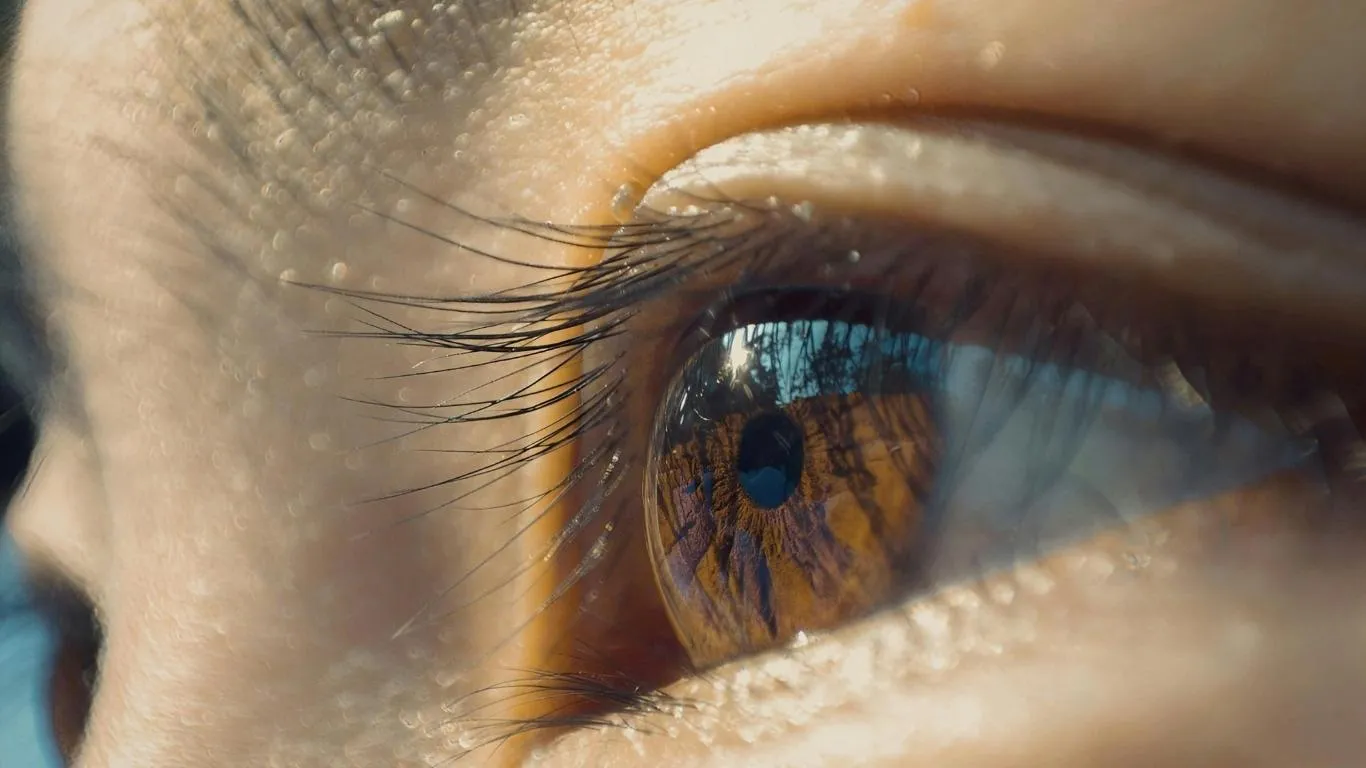
Let’s address a few myths I’ve come across (and believed myself at one point):
- Myth: “Rain increases floaters in your eyes.” — False. Rain doesn’t create floaters; it simply provides the perfect visual backdrop to notice them.
- Myth: “Floaters mean your eyes are deteriorating rapidly.” — In most cases, floaters are a normal part of vitreous aging, not a sign of impending blindness.
- Myth: “There’s nothing you can do about floaters.” — Not entirely true. While some floaters settle over time, medical interventions and lifestyle adjustments can help manage bothersome cases. Here’s a resource on natural ways to manage floaters.
Related Read for Deeper Insights
If you’re curious about how floaters differ from other visual issues, especially during varying light conditions, this comparative guide is worth a read.
How Calm Weather Brings Mental Awareness to Eye Floaters
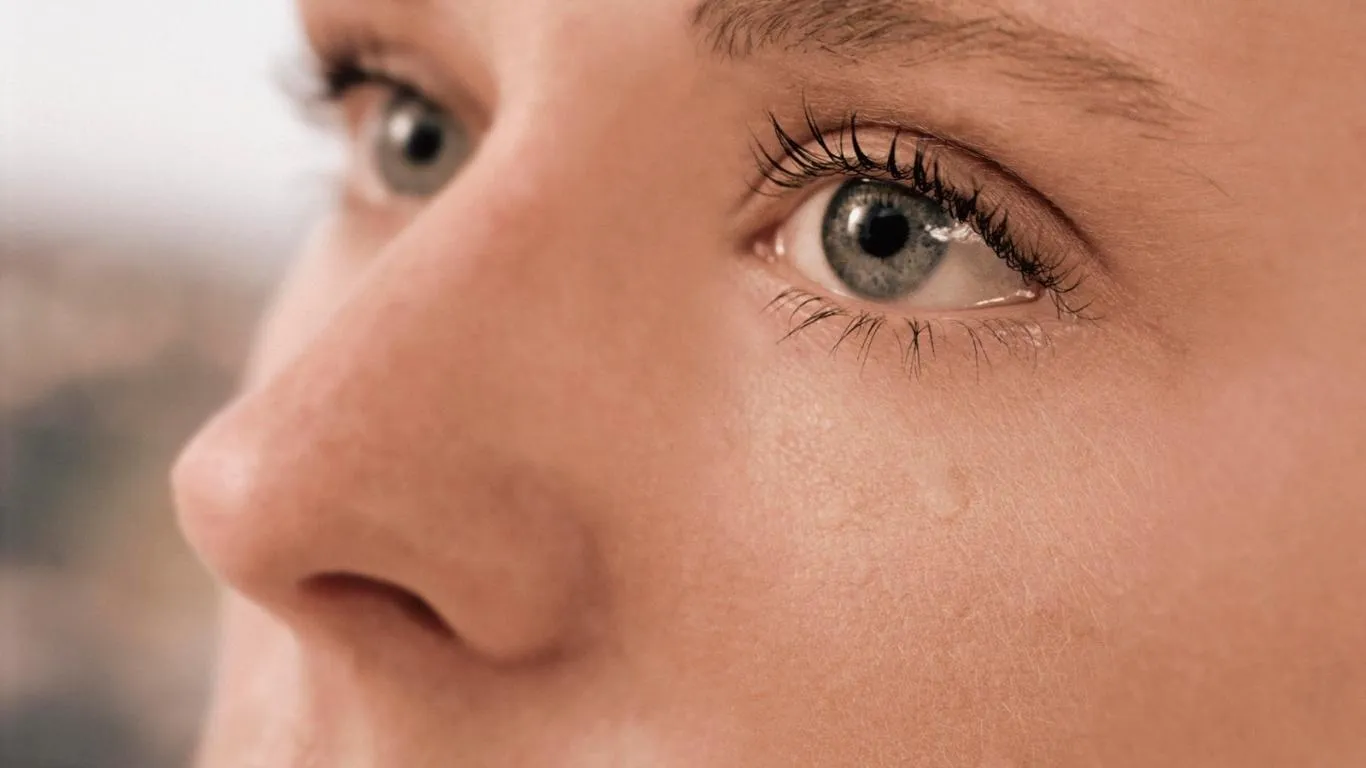
There’s a psychological angle too. Calm, rainy weather often puts us in a more introspective, slower-paced mindset. Without the usual visual chaos of sunny days or artificial lighting, our minds become attuned to subtler things—like those lazy floaters drifting by. I’ve personally found that during quiet meditation sessions on rainy afternoons, floaters become far more noticeable simply because my focus sharpens inward.
For a more scientific look at floaters and their connection to visual calmness, the main guide on eye floaters breaks it down beautifully.
Do Rainy Weather Floaters Signal Underlying Eye Conditions?
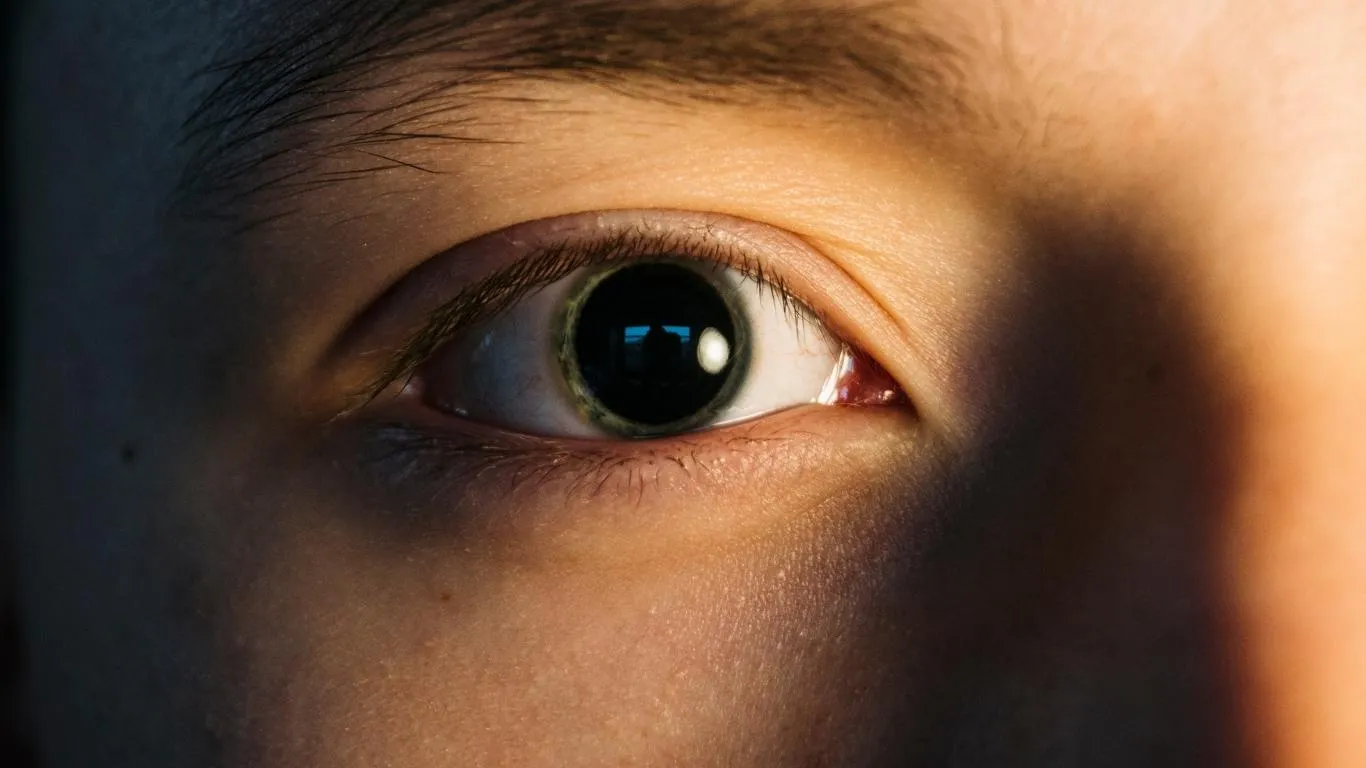
While most floaters during calm rainy weather are innocent, there’s always that lingering question—could they be hinting at something more serious? I used to shrug mine off, but after a friend experienced a retinal detachment that started with “weird floaters,” I began paying more attention. The reality is, while atmospheric conditions don’t create floaters, they can highlight existing ones that are tied to health conditions.
Common Eye Conditions Where Floaters Become Prominent
- Posterior Vitreous Detachment (PVD): A normal age-related change but can sometimes cause a sudden floater burst. Learn about PVD and floaters.
- Retinal Tears: When floaters appear suddenly, especially after trauma or strenuous activity, it could signal a retinal issue.
- Uveitis: Inflammatory conditions like uveitis often manifest with floaters. I’ve met folks who only realized they had underlying inflammation after noticing persistent floaters on overcast days. Check this resource on uveitis and floaters.
Eye Care Tips for Managing Floaters When It’s Gloomy Outside
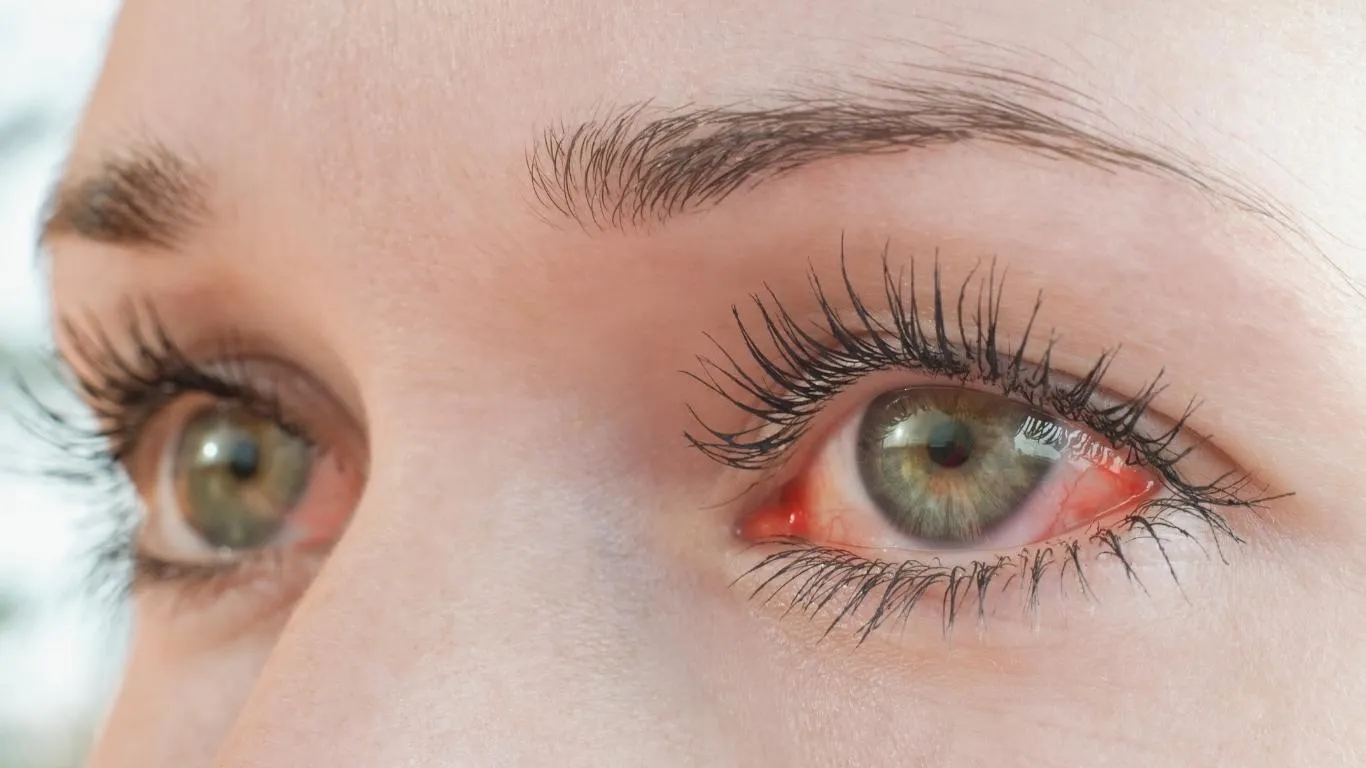
Truth is, we can’t “cure” floaters instantly, but we can manage their impact. Over time, I’ve developed a few habits that make those annoying specs less intrusive, especially on calm rainy days.
What Works for Me (and Might for You)
- Controlled Eye Movements: Slowly shifting my gaze from side to side helps floaters settle at the bottom of the vitreous, temporarily moving them out of sight.
- Ambient Lighting Tweaks: Dimming overhead lights and using soft side lamps during rainy weather reduces contrast, making floaters less apparent.
- Hydration & Nutrition: Staying hydrated and focusing on eye-friendly nutrients like lutein has genuinely made a difference. For example, foods rich in lutein are a solid choice.
Tech Tools That Help
During work-from-home days, when floaters seem to hijack my screen time, I’ve found that anti-glare monitor filters and subtle background themes (light greys instead of pure white) help mask them. Adjusting screen brightness to sync with ambient daylight makes floaters less distracting.
Why Calm Rainy Days Trigger “Floater Awareness” in the Brain
It’s fascinating how weather influences not just our mood but also our visual awareness. Neuroscience explains that during calmer, less visually busy environments (like a quiet rainy afternoon), our brain heightens sensitivity to internal stimuli. That’s why floaters feel almost exaggerated during these moments of visual serenity.
Studies on visual perception, such as those from ncbi.nlm.nih.gov, indicate that in low-stimulation settings, our brain’s default mode network becomes more attuned to subtle visual distractions—including floaters. This aligns with why people often report noticing floaters while reading, meditating, or, of course, during a calm rainfall.
Floaters, Mindfulness, and Mental Health
Oddly enough, floaters have pushed me to become more mindful. Instead of reacting with annoyance, I’ve learned to acknowledge them and let them drift by, much like my thoughts during a meditation session. For others, though, persistent floaters can cause anxiety, especially if they’re unsure about their implications. If you’re someone who worries, check out how stress can influence floaters.
When Floaters During Rainy Days Require Professional Attention
I can’t stress this enough—while occasional floaters are harmless, certain red flags shouldn’t be ignored:
- Floaters appearing suddenly like a snowstorm.
- Accompanied by peripheral vision loss or dark shadows.
- Persistent floaters that worsen over days or weeks.
These could indicate retinal detachment or other ocular emergencies. Immediate evaluation by an ophthalmologist is non-negotiable. If you’re unsure where to begin, this article on treatment pathways for floaters is an excellent starting point.
Can Lifestyle Tweaks Reduce Floaters Over Time?
While medical treatments like laser therapy or vitrectomy are reserved for severe cases, there are lifestyle adjustments that have helped me and countless others minimize floater annoyance:
- Reducing Screen Glare: Blue light filters and glare-reducing screens can lessen visual strain, indirectly making floaters less disruptive.
- Outdoor Activities in Gentle Light: Early mornings or overcast strolls help your eyes adjust gradually without harsh light shocks.
- Nutritional Support: Vitamins C, E, and Omega-3s have been linked to better vitreous health. I’ve personally noticed less floater interference after improving my diet. Explore more on supplements that support floater reduction.
Knowing the Difference Between Harmless Floaters and Red Flags
Not every floater sighting is a sign of trouble. The key is recognizing patterns. Are they consistent in shape and position? Do they fade over time, or are they multiplying? Resources like differences between floaters and retinal detachment are incredibly useful in understanding these nuances.
For a holistic overview of floaters, including causes, symptoms, and available treatments, visit our comprehensive main eye floaters guide.

Camellia Wulansari is a dedicated Medical Assistant at a local clinic and a passionate health writer at Healthusias.com. With years of hands-on experience in patient care and a deep interest in preventive medicine, she bridges the gap between clinical knowledge and accessible health information. Camellia specializes in writing about digestive health, chronic conditions like GERD and hypertension, respiratory issues, and autoimmune diseases, aiming to empower readers with practical, easy-to-understand insights. When she’s not assisting patients or writing, you’ll find her enjoying quiet mornings with coffee and a medical journal in hand—or jamming to her favorite metal band, Lamb of God.