Why Floaters During Candlelit Dinners Can Ruin Romantic Evenings
Ever found yourself squinting during a cozy candlelit dinner because of those sneaky floaters drifting across your vision? Trust me, you’re not alone. I remember this one evening at a dimly lit restaurant—halfway through a conversation, these shadowy specks started dancing in my line of sight, making me lose track of what my friend was saying. Annoying, right? What’s wild is how these floaters seem to pop up more when you’re in a low-lit ambiance, like a romantic dinner setup. But why does this happen? Let’s dive into the science (and a bit of personal experience) of floaters during candlelit dinners.
Why Do Eye Floaters Stand Out During Candlelit Dinners?
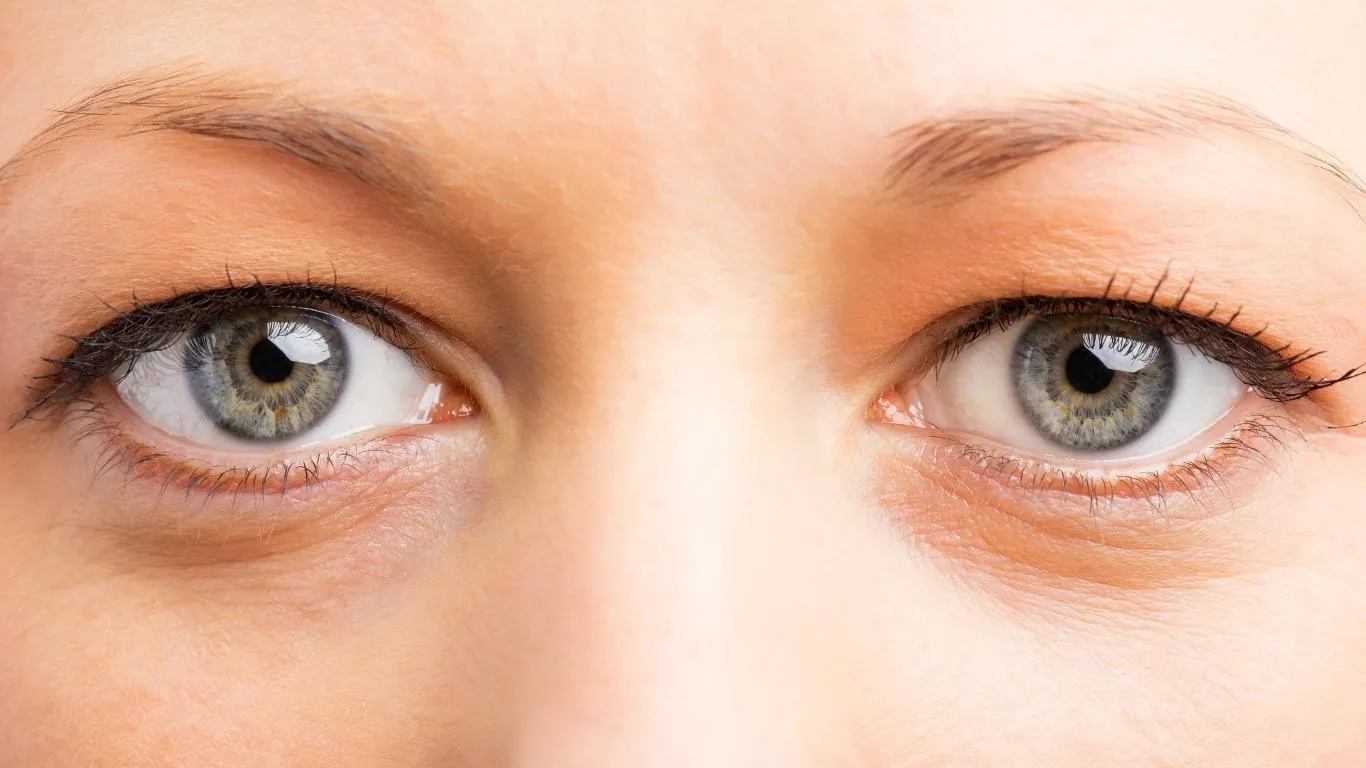
The dim lighting in candlelit settings makes floaters more noticeable because your pupils dilate to let in more light. This increased pupil size allows more light to scatter within the eye, highlighting any debris floating in your vitreous humor. In bright environments, floaters tend to “blend in” because of the overwhelming light, but in soft, flickering candlelight, they get the spotlight—literally.
The Role of Contrast and Background
Another culprit is the contrast between the dark surroundings and any light sources (like the flame itself). Floaters become more visible when you look at a bright object against a dark background. This is why staring at a candle or even a dim smartphone screen in a dark room makes these floating specks more distracting.
What Exactly Are These Floaters?
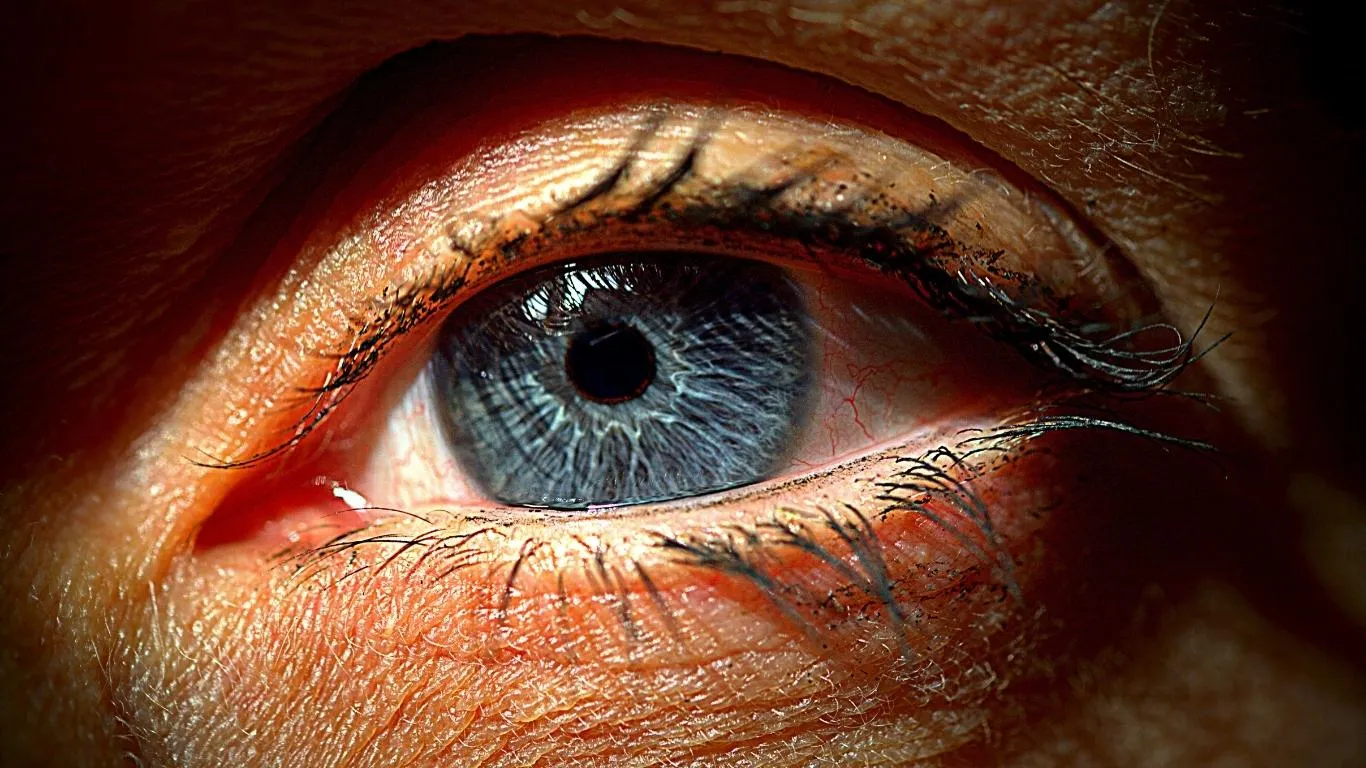
Eye floaters are tiny clumps of collagen fibers that drift within the vitreous gel inside your eye. They come in all shapes and sizes—dots, cobwebs, thread-like strands—and while they might seem like external particles, they are actually inside your eyeball. When light enters your eye, these floaters cast shadows on your retina, which is what you perceive as those annoying floaty shapes.
- Dots that hover and dart away when you try to look directly at them
- Worm-like strings that squiggle slowly across your vision
- Shadowy blobs that feel like they’re right on your contact lenses (they’re not)
Common Causes of Floaters
While aging is the primary factor behind floaters, there are several other causes you should be aware of:
- Post-LASIK complications
- Eye injuries or trauma
- High blood pressure impacts
- Diabetes-induced vitreous changes
- Prolonged screen time and digital eye strain
Do Floaters Mean My Eyes Are Deteriorating?
Not necessarily. While floaters can be a normal part of aging, a sudden increase or seeing flashes of light might indicate something more serious, like a retinal tear. I once had a freak-out moment where a sudden burst of floaters appeared after a gym session. Turns out, it was just normal vitreous syneresis. But I still went to my optometrist, just to be safe.
If you’re noticing floaters more frequently in low-lit situations like candlelit dinners, it’s probably due to the contrast factor we discussed earlier. However, if you also experience peripheral vision shadows or light flashes, it’s best to consult a specialist immediately. You can read more about when floaters become a serious warning sign.
Managing Floaters Without Ruining Your Dinner
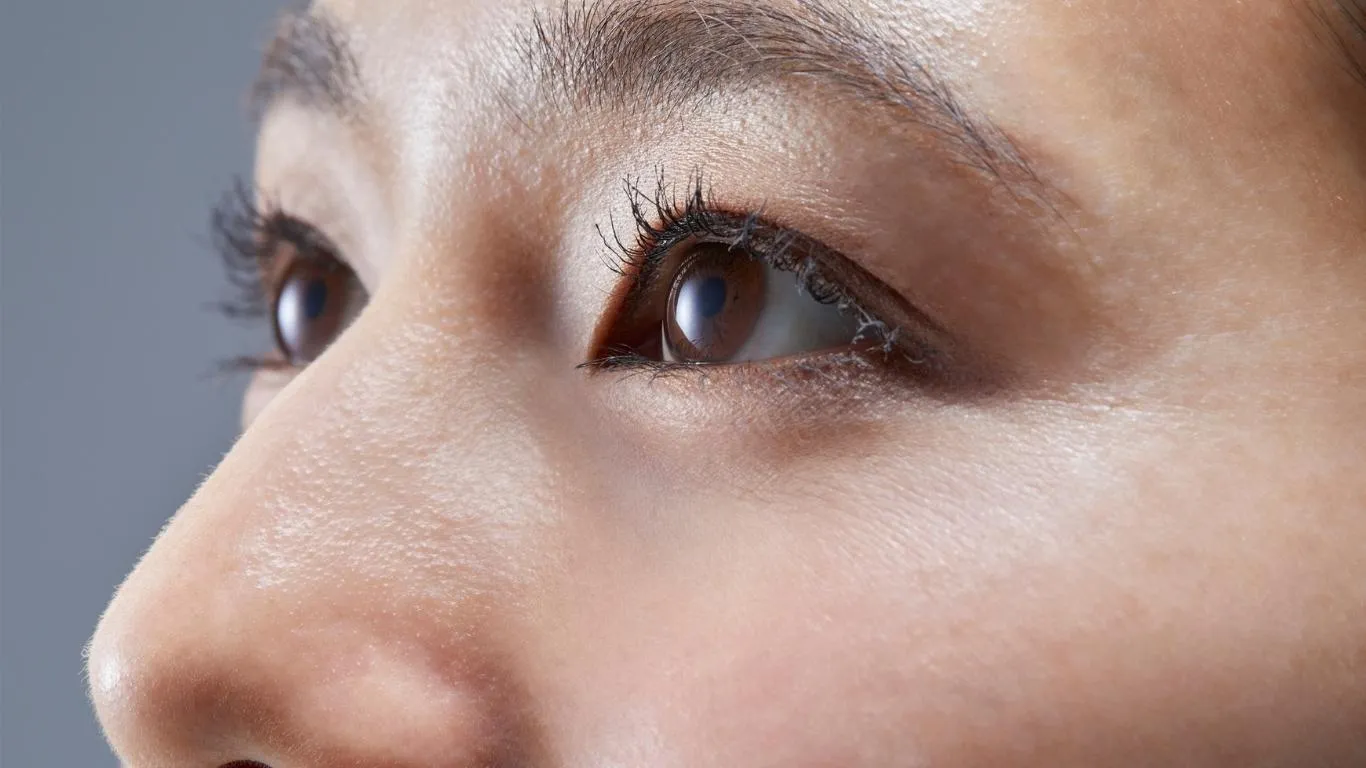
Let’s be real—asking a fancy restaurant to crank up the lights defeats the purpose of a candlelit vibe. But there are subtle tricks you can use to keep floaters from stealing the show:
- Shift Your Focus: Instead of staring directly at the candle flame, shift your gaze to different objects around you. This reduces the contrast effect.
- Position Yourself Strategically: Try not to sit facing a direct light source. Angle your seat to minimize bright spots in your field of vision.
- Stay Hydrated: Dehydration can worsen floater perception. I always keep a glass of water handy, especially during long dinners.
- Gentle Eye Movements: Slowly moving your eyes up and down can help floaters settle out of your central vision temporarily.
For those who find floaters becoming increasingly bothersome during specific scenarios, you might want to explore treatment options ranging from observation to surgical procedures.
Can Candlelight Actually Make Floaters Worse Over Time?

Nope, candlelight itself isn’t worsening your floaters—it’s just revealing them. Floaters are more of a visibility annoyance rather than an indicator of progression when you’re in a dim environment. That being said, if you’re already predisposed to floaters, environments with shifting light sources (like candles) might make you more conscious of them.
Some studies from American Academy of Ophthalmology suggest that while floaters are benign in most cases, those with high myopia or recent eye surgeries should be more vigilant. On a personal note, my optometrist mentioned that people with high visual demand (like photographers and designers) are also more likely to get annoyed by floaters simply because they notice small visual inconsistencies more acutely.
Curious to understand floaters in more detail? Check out this comprehensive guide on what causes eye floaters and how to manage them effectively.
Why Do Floaters Seem Worse in Romantic Settings?
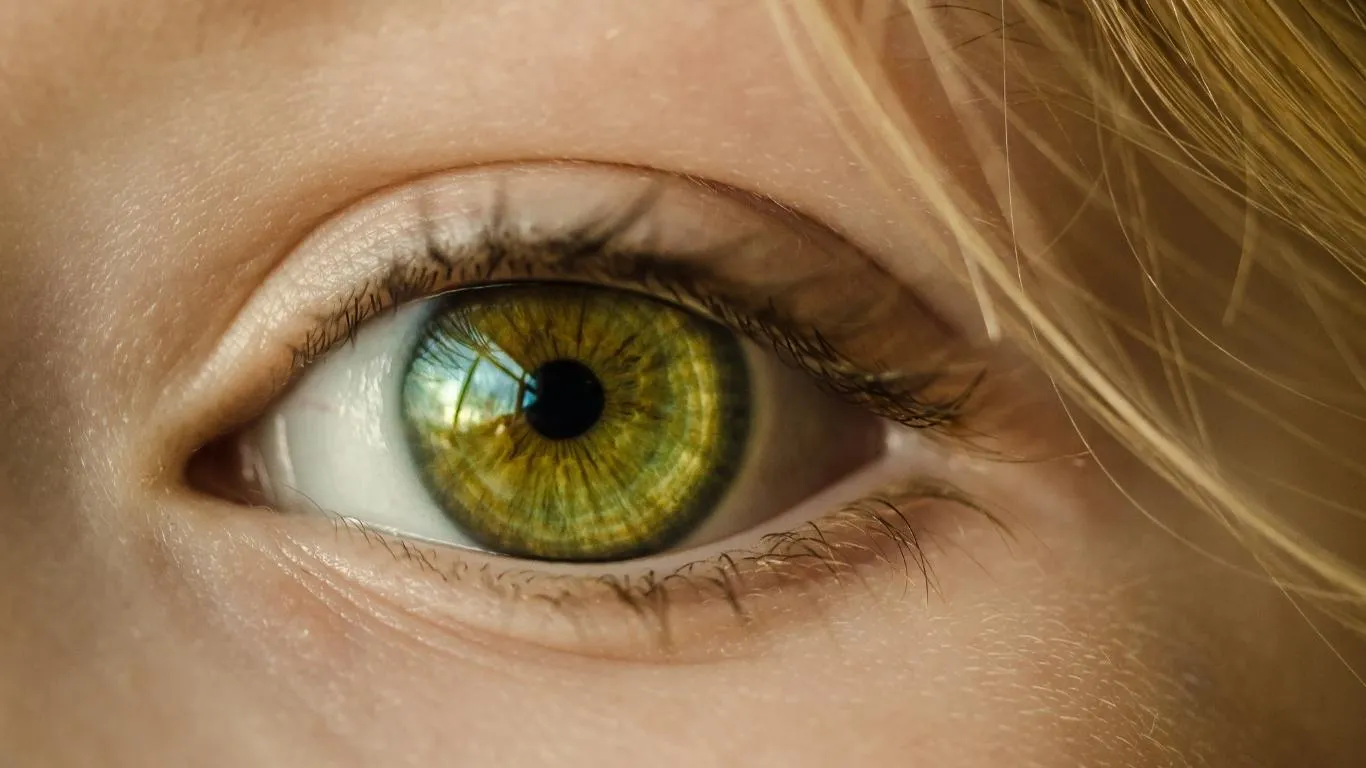
Ever wondered why floaters seem to pick the most inconvenient moments to show up—like during a romantic candlelit dinner? It’s not just bad timing; there’s science behind it. Low ambient lighting, combined with flickering flames and dark surroundings, creates the perfect backdrop for floaters to steal the spotlight. Your pupils dilate to adjust to the dim light, which increases the depth of field and lets floaters become more prominent. And because your eyes are working harder to focus in these conditions, you’re more aware of every little visual disruption.
This is particularly noticeable if you’ve been straining your eyes throughout the day. For instance, long hours on digital screens can exacerbate floater perception during evening dinners. In fact, studies show that prolonged screen time can make floaters more noticeable, especially when transitioning to a dim environment.
What I Do to Keep Floaters from Ruining My Date Nights
Here’s a personal list of things I’ve found helpful before heading out for a dinner where floaters might get in the way:
- Eye Warm-Up: A few minutes of gentle eye exercises, like rolling your eyes in slow circles, can improve vitreous fluid circulation.
- Hydration Check: I make it a habit to drink a full glass of water an hour before dinner. Dehydration often makes my floaters more visible, especially under dim lighting.
- Mindful Blinking: It sounds simple, but conscious blinking helps moisten the eyes and can shift floaters out of the central visual field temporarily.
- Limit Pre-Dinner Screen Time: If I know I have a dinner event, I avoid extended screen exposure for at least an hour before. This minimizes digital eye strain carry-over.
If you’re curious, there are some effective eye exercises designed to reduce floater distractions that you can incorporate into your daily routine.
When Should You See a Doctor?
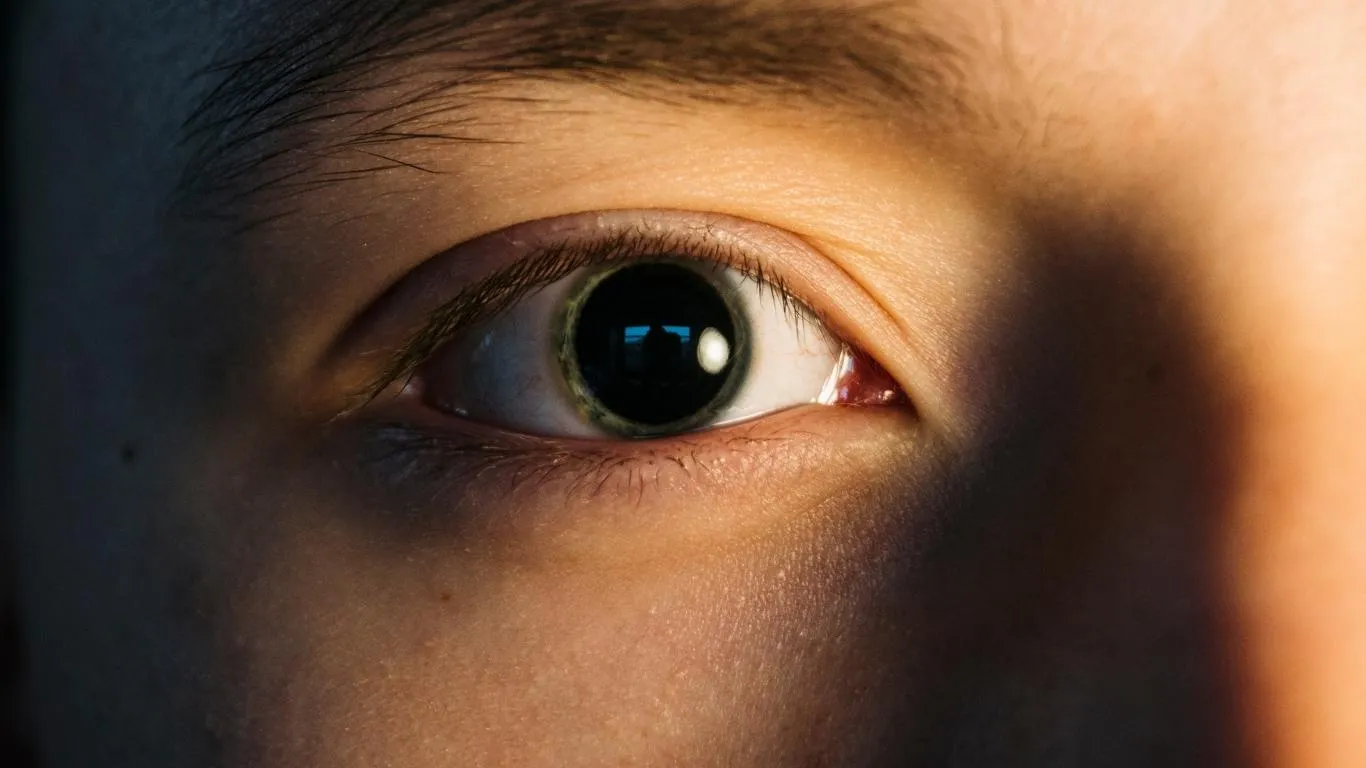
While floaters during candlelit dinners are usually harmless, it’s important to be aware of red flags. If you notice any of these symptoms, it’s time to book an appointment with your ophthalmologist:
- Sudden, dramatic increase in the number of floaters
- Flashes of light accompanying floaters
- Shadow or curtain-like vision loss
- Persistent floaters in only one eye
These could be warning signs of retinal detachment or tears. For a deeper dive into distinguishing harmless floaters from serious conditions, check out this guide on differentiating floaters from other eye issues.
Natural Ways I’ve Tried to Ease Floater Distractions
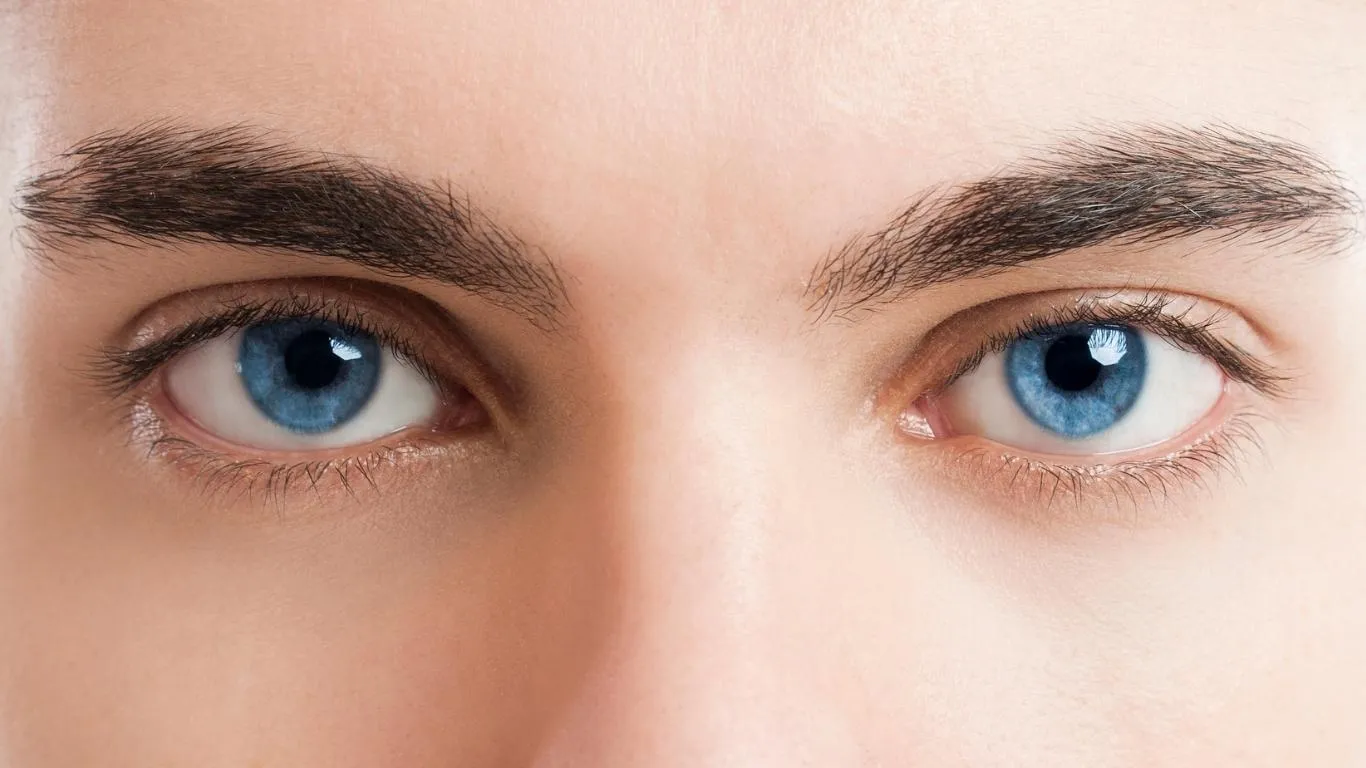
I won’t lie—there’s no magic cure to eliminate floaters overnight, but certain lifestyle tweaks have genuinely helped me reduce how often they bother me:
- Omega-3 & Lutein Intake: Adding more leafy greens, fish, and supplements rich in lutein and omega-3 has done wonders for my overall eye comfort. Learn more about foods that naturally support eye health.
- Staying Active: Regular physical activity boosts circulation, which indirectly benefits vitreous health. Even a brisk walk before dinner can help.
- Eye Hydration Drops: While not a permanent fix, lubricating eye drops can reduce the “gritty” feeling that sometimes makes floaters more annoying.
When Treatment Becomes a Consideration
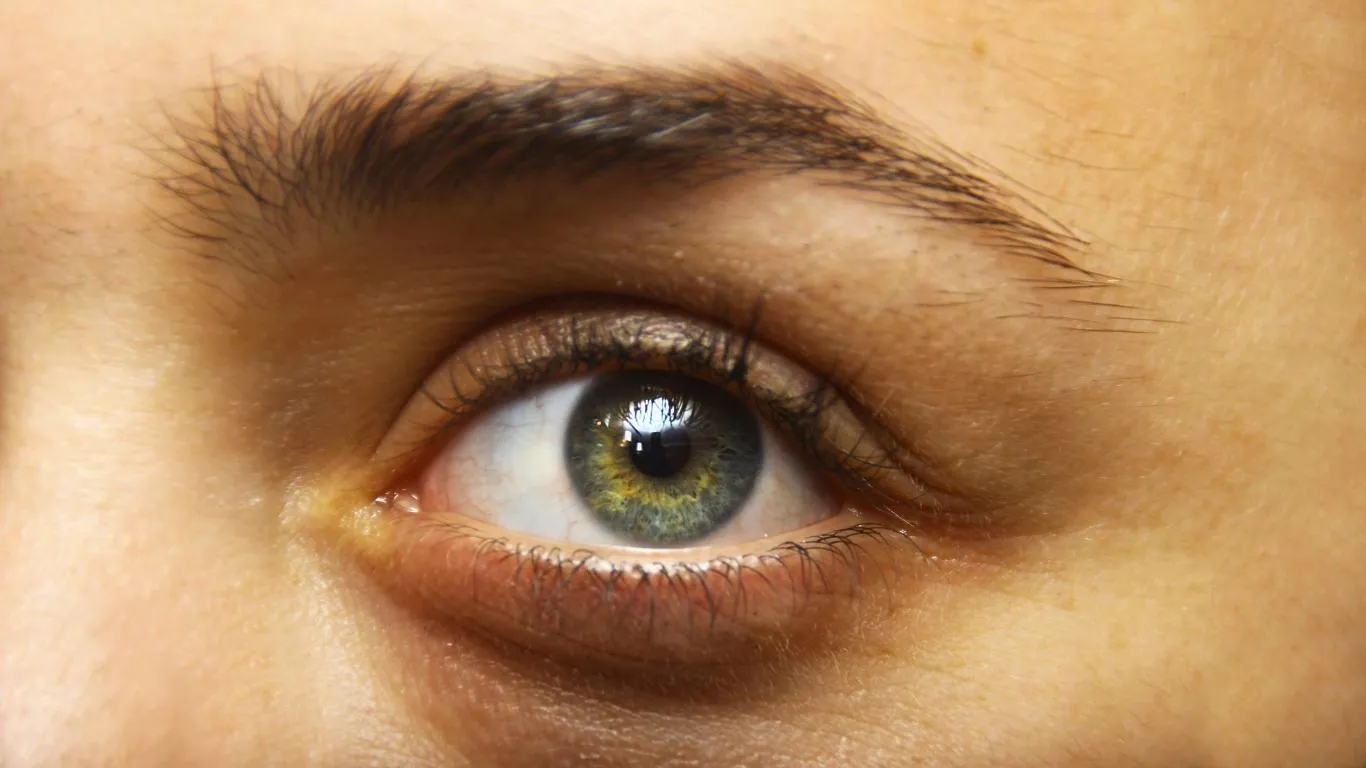
For most people, floaters are more of a visual nuisance than a health threat. However, if they start interfering with daily activities—or romantic dinners become a visual challenge—it might be worth discussing treatment options. Procedures like laser vitreolysis or vitrectomy are available, though they come with their own risks. I’d recommend reading this comprehensive overview of eye floater treatments and whether they’re right for you.
Of course, not every floater needs to be zapped away. Sometimes, it’s more about managing them and knowing when to get professional advice. You can also check the primary guide on eye floaters, their causes, symptoms, and management strategies for a broader understanding.

Camellia Wulansari is a dedicated Medical Assistant at a local clinic and a passionate health writer at Healthusias.com. With years of hands-on experience in patient care and a deep interest in preventive medicine, she bridges the gap between clinical knowledge and accessible health information. Camellia specializes in writing about digestive health, chronic conditions like GERD and hypertension, respiratory issues, and autoimmune diseases, aiming to empower readers with practical, easy-to-understand insights. When she’s not assisting patients or writing, you’ll find her enjoying quiet mornings with coffee and a medical journal in hand—or jamming to her favorite metal band, Lamb of God.